
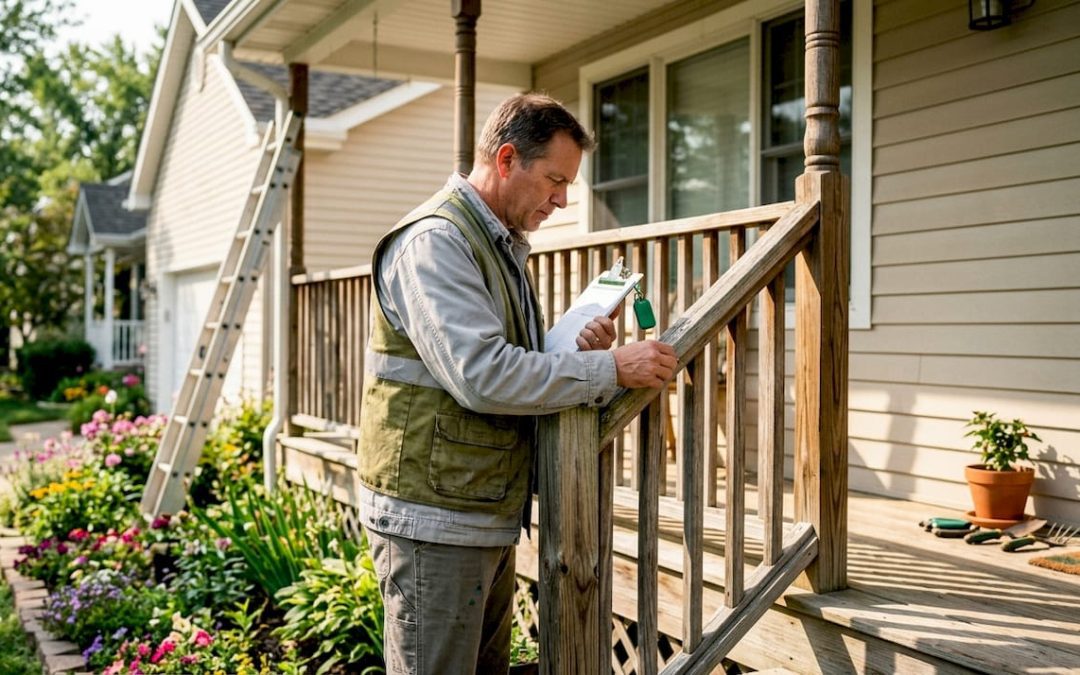
Exterior home inspection categories are the distinct systems and components inspectors evaluate outside a property, including siding, roofing, foundation, drainage, and pest-related structures. Knowing these categories before you buy protects you from costly surprises after closing. Professional standards set by ASHI and InterNACHI define exactly what inspectors must examine, giving you a clear framework for what to expect. About 17% of homebuyers waived inspection contingencies in mid-2026, down from 25% the year before. That shift signals that more buyers now treat professional inspections as non-negotiable.
1. What are the core exterior home inspection categories?
A standard home exterior evaluation covers six primary areas. Each one targets a different part of the building envelope, and a defect in any one of them can affect the others.
- Siding, cladding, and trim. Inspectors check for cracks, rot, warping, and gaps that let moisture into wall cavities. General exterior components inspected include siding, windows, doors, walkways, driveways, and porches, all evaluated for damage, deterioration, and safety risks.
- Roof, gutters, and flashing. Shingle condition, flashing rust, and gutter attachment are all documented. Defects here directly threaten the building envelope.
- Windows and door frames. Inspectors look for failed seals, rot in wood frames, and gaps that signal air or water intrusion.
- Foundation and visible structural components. Cracks, settlement patterns, and exposed masonry get documented. These findings often trigger specialist follow-up.
- Grading and drainage. Soil slope away from the foundation is checked. Poor grading is one of the most common and most overlooked defects on any exterior inspection checklist.
- Walkways, driveways, steps, and site features. Trip hazards, heaving concrete, and deteriorated railings are safety items that inspectors flag for repair.
A typical exterior evaluation takes about 20 minutes during a comprehensive inspection and addresses 16 critical items. That is a tight window, which is why knowing what each category covers helps you ask the right questions on site.
Pro Tip: Walk the perimeter with your inspector instead of waiting inside. You will see grading issues, siding gaps, and flashing problems in real time, which makes the written report far easier to interpret.

2. Which specialized inspection categories should buyers consider?
General property inspection categories cover visible conditions. Specialized inspections go deeper into specific risks that a standard walkthrough cannot fully assess.
- Wood-destroying organism (WDO) inspections. Termite and carpenter ant inspections are often lender-required and target structural framing, sill plates, and exterior wood trim. Missing this inspection on an older home is a serious financial risk.
- Mold and environmental hazard inspections. Inspectors use moisture meters and air sampling to detect mold behind siding or in crawl spaces. These tests go beyond what a visual outdoor inspection service can confirm.
- Chimney and fireplace exterior inspections. A chimney specialist checks the crown, cap, flashing, and masonry for spalling or separation. Standard inspectors note visible concerns but rarely enter the flue.
- Septic and plumbing-related exterior inspections. Septic tank location, condition, and drain field integrity require a licensed septic professional. This is a separate contract from your general home inspection.
Buyers should distinguish general home inspections from specialized ones like sewer scoping or mold testing, especially for older homes or when a general inspector flags a concern. The general inspection tells you where to look. The specialist tells you how serious it is.
Pro Tip: Ask your real estate agent which specialized inspections are standard practice in your local market. In the St. Louis Metro area, WDO inspections are common lender requirements, and skipping one can delay closing.
3. How professional standards define exterior inspection scope
ASHI and InterNACHI are the two dominant standards bodies that define what residential building inspections must include. InterNACHI has 26,000+ inspectors and specifically categorizes exterior inspections to include cladding, trim, decks, porches, and grading. ASHI follows a parallel structure with similar scope requirements. Both standards give buyers a reliable baseline for what a qualified inspector must document.
The table below shows which exterior components fall inside and outside standard inspection scope.
| Exterior component | Included in standard inspection | Typically excluded |
|---|---|---|
| Siding, cladding, and trim | Yes | N/A |
| Roof covering and gutters | Yes | N/A |
| Windows and exterior doors | Yes | N/A |
| Foundation (visible portions) | Yes | Below-grade or buried sections |
| Grading and drainage | Yes | N/A |
| Decks, porches, and steps | Yes | N/A |
| Detached garages and sheds | No | Excluded unless contracted |
| Pools and hot tubs | No | Excluded unless contracted |
| Fences and landscaping | No | Excluded unless contracted |
Standard inspections exclude detached structures, pools, fences, and landscaping unless buyers add them by contract. That exclusion surprises many first-time buyers. If the property has a detached garage or a pool, request those inspections explicitly before your inspection date.
4. What practical tips help buyers use exterior inspection results?
Knowing the categories is only half the work. Interpreting what inspectors find, and acting on it correctly, is where buyers protect their investment.
- Watch for transition points. Transition points on exterior structures, where siding meets trim, where the roof meets a wall, are prime defect locations. Infrared imaging and specialist evaluations are often required beyond a visual check at these spots.
- Check grading after rain. Buyers should observe the site during or soon after rain to detect water pooling and foundation risks that a dry-weather inspection can miss. Schedule a follow-up visit if your inspection falls during a dry spell.
- Ask about infrared imaging. Infrared thermal imaging detects hidden moisture behind siding where visual inspections fall short. Not every inspector carries this equipment, so ask before you book.
- Read the report by category. Inspection reports organized by system are easier to prioritize. Focus first on roofing, foundation, and drainage findings because these carry the highest repair costs.
- Know the difference between pre-purchase and pre-listing inspections. Pre-listing inspections help sellers fix exterior issues before listing, which can improve transparency and smooth the transaction for buyers. If a seller provides a pre-listing report, treat it as a starting point, not a substitute for your own inspection.
Understanding pre-purchase inspection benefits gives you leverage in negotiations. A documented exterior defect is a concrete basis for a price reduction or a repair credit.
Pro Tip: When you receive your report, flag every exterior item rated “monitor” or “repair recommended” and get at least one contractor estimate before your inspection contingency deadline expires.
5. Common exterior defects that buyers miss
Exterior defects like shingle wear, flashing rust, or rot are not cosmetic. They threaten building envelope integrity and require specialist follow-up. Most buyers focus on kitchens and bathrooms during showings and underestimate how much exterior damage costs to fix.
Flashing failures are the single most underrated exterior defect. A rusted or improperly installed flashing strip at a roof-to-wall junction can allow water to travel behind siding for years before visible damage appears inside. By the time you see a water stain on a ceiling, the structural framing behind the wall may already be compromised.
Grading problems are similarly underestimated. Soil that slopes toward the foundation directs every rain event straight at the basement or crawl space. Correcting grading after purchase requires excavation, fill material, and sometimes waterproofing work that easily runs into thousands of dollars.
Knowing the home inspection red flags specific to exterior systems helps you prioritize which findings need immediate specialist quotes versus which ones you can monitor over time.
Key Takeaways
Exterior home inspection categories cover six core systems plus specialized inspections, and buyers who understand both make significantly better purchase decisions.
| Point | Details |
|---|---|
| Six core exterior categories | Siding, roof, windows, foundation, grading, and walkways form the standard exterior inspection scope. |
| Specialized inspections add depth | WDO, mold, chimney, and septic inspections go beyond what a general inspection can confirm. |
| Standards define scope clearly | ASHI and InterNACHI require inspectors to document cladding, decks, porches, and grading at minimum. |
| Exclusions require action | Pools, fences, and detached structures are excluded by default; contract them separately before inspection day. |
| Infrared imaging fills visual gaps | Thermal imaging detects hidden moisture behind siding that a standard visual check will miss. |
What I have learned about exterior inspections after years in the field
The most common mistake buyers make is treating the exterior inspection as a formality. They assume that because a house looks solid from the curb, the exterior is fine. That assumption costs people real money.
The building envelope, meaning every surface that separates the interior from the outside, is the most critical system in any home. When it fails, water gets in. Water causes mold, rot, and structural damage. Those repairs are expensive, disruptive, and sometimes not fully covered by homeowner’s insurance. A thorough exterior inspection is the only reliable way to assess envelope integrity before you own the problem.
I also caution buyers against assuming that a general inspection covers everything outside the front door. Detached garages, pools, and fences are excluded by default. If you do not ask for those add-ons in writing, you will not get them. I have seen buyers discover a structurally compromised detached garage two months after closing because nobody contracted that inspection.
One more thing: the pre-listing inspection a seller provides is not your inspection. It was ordered by the seller, for the seller. Always order your own. The inspector you hire works for you, reports to you, and answers your questions on site. That relationship is worth every dollar of the inspection fee.
— JOHN
Jhunthomeinspections covers every exterior category for St. Louis buyers
Buyers in the St. Louis Metro area and Southern Illinois have a reliable option for thorough exterior inspections.

Jhunthomeinspections conducts professional inspection services in St. Peters, University City, and surrounding communities, following ASHI and InterNACHI standards for every exterior category. The team evaluates siding, roofing, foundation, grading, and all site features, and coordinates with trusted specialists when WDO, mold, or chimney concerns arise. Reports come back within 24 hours, and the proprietary Create Request List™ makes it easy to share findings with your agent and request repairs. First-time buyers, veterans, and low-income families receive the same thorough evaluation as any other client. Schedule your inspection before your contingency deadline and go into closing with full confidence.
FAQ
What does an exterior home inspection include?
A standard exterior inspection covers siding, roofing, gutters, windows, doors, foundation, grading, drainage, and walkways. Inspectors document damage, deterioration, and safety risks across all these systems.
Are pools and fences included in a standard exterior inspection?
Pools, fences, detached garages, and landscaping are excluded from standard inspections by default. Buyers must contract these items separately before the inspection date.
When should I order a specialized exterior inspection?
Order a WDO, mold, or chimney inspection whenever a general inspector flags a concern, when buying an older home, or when a lender requires it. Specialized inspections confirm the severity of issues a general inspection can only identify.
What is the difference between ASHI and InterNACHI inspection standards?
Both ASHI and InterNACHI define required exterior inspection categories including cladding, decks, porches, and grading. InterNACHI has over 26,000 member inspectors; both organizations require documented reporting on all covered exterior components.
How long does the exterior portion of a home inspection take?
A typical exterior and site evaluation takes about 20 minutes during a full home inspection. That time covers approximately 16 critical items, so walking the perimeter with your inspector is the best way to use it effectively.
Recent Comments