
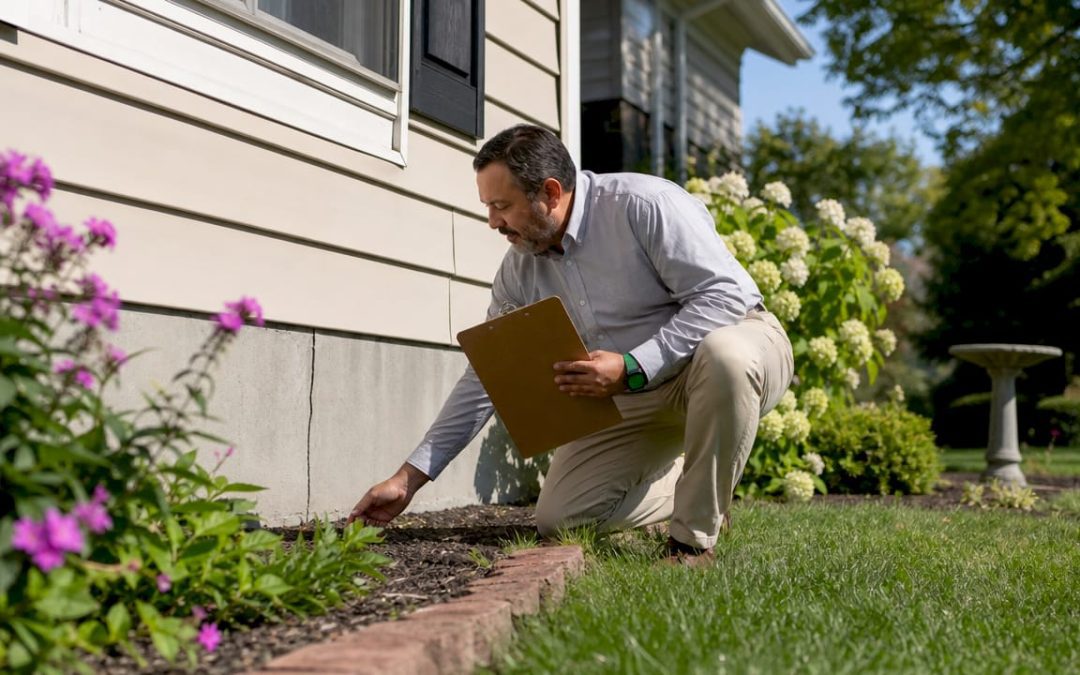
A home inspection is a thorough evaluation of a property’s major systems and structural components to identify safety risks and significant defects. Professional inspectors follow standards set by the American Society of Home Inspectors (ASHI), which defines their focus as components that are significantly deficient, unsafe, near the end of their useful life, or not functioning as intended. Cosmetic issues, decorating choices, and minor wear do not make the list. What inspectors look for is functional safety and structural integrity, and understanding that distinction saves buyers from misreading reports and making poor decisions.
Home inspections typically cover 300 to 500 components and take 2–4 hours to complete. That scope is wide enough that 86% of inspections reveal at least one significant issue. Roof defects lead all findings at 19.7%, followed by electrical concerns at 18.7% and window problems at 18.4%. Those three categories alone tell you where to focus your attention before and after any inspection.
What structural and exterior components do inspectors focus on?
Structural and exterior components represent the highest-stakes part of any home inspection checklist. Defects here are expensive to fix and can threaten the safety of everyone inside the building.
Foundation and walls
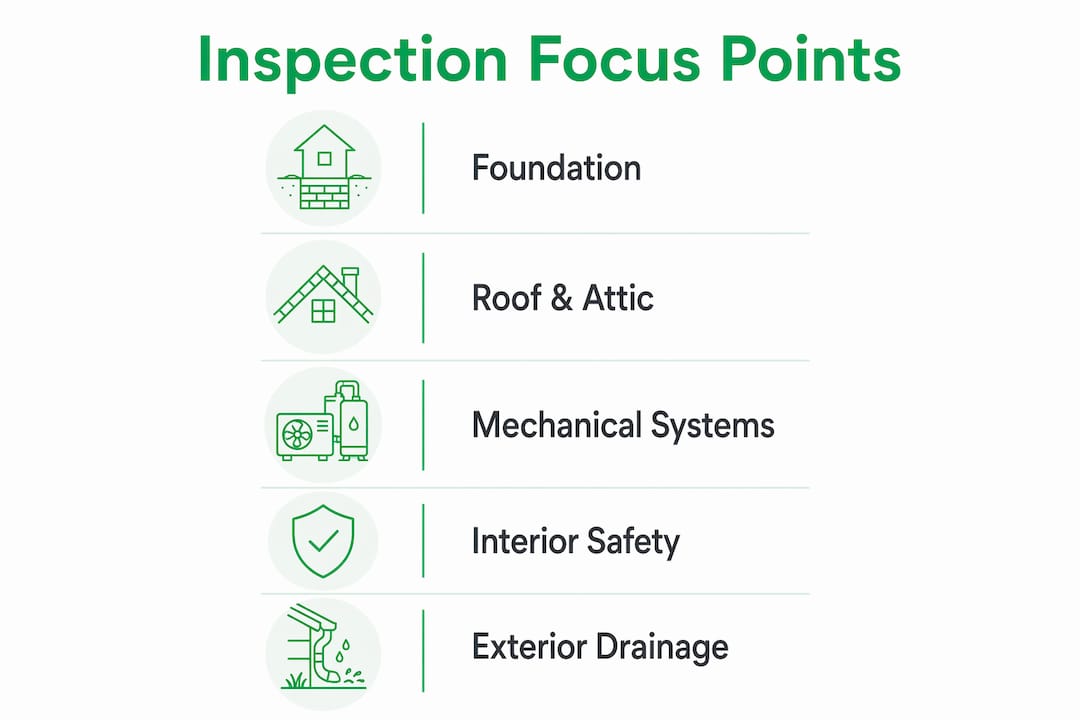
Inspectors read foundation cracks the way a doctor reads an X-ray. A single hairline crack in poured concrete may mean nothing. Stair-step cracks in block foundations are a different story. That pattern signals structural stress and typically requires a licensed structural engineer to evaluate. Inspectors look for patterns, not isolated marks, because patterns reveal the direction and cause of movement.
Roof and attic
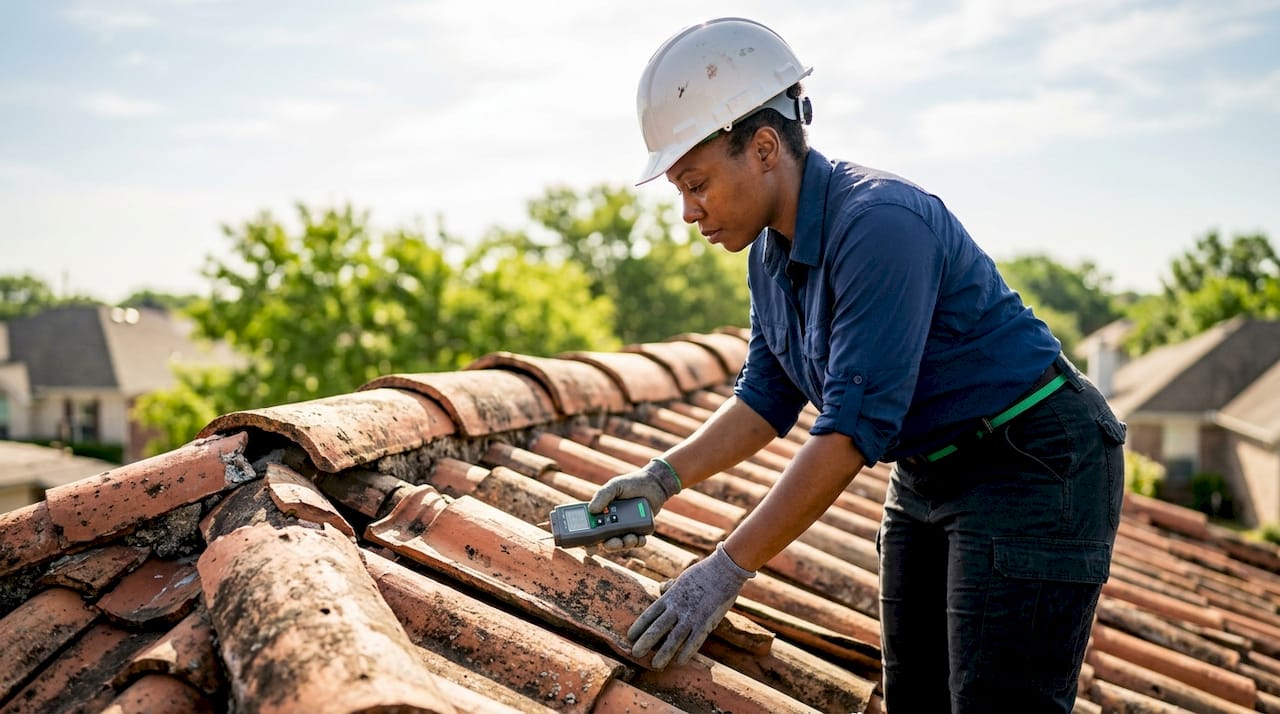
The roof is the first line of defense against water intrusion, and inspectors treat it accordingly. They check shingle condition, flashing around chimneys and skylights, and the integrity of gutters and downspouts. Attic inspection goes deeper: inspectors assess insulation depth, ventilation through soffit, ridge, or gable vents, and any signs of active or historical leaks. Poor attic ventilation causes warped roof sheathing and mold growth, both of which are costly to remediate.
Exterior drainage and grading
Water management is the single most underrated factor in exterior inspections. Grading that slopes toward the foundation pushes water into the basement or crawl space. Inspectors check that the ground slopes away from the home at a minimum of six inches over the first ten feet. They also examine siding condition, window and door seals, and any visible wood rot that signals long-term moisture exposure.
- Foundation cracks: pattern and direction matter more than size
- Roof: shingles, flashing, gutters, and attic ventilation all evaluated together
- Grading: slope away from foundation prevents water intrusion
- Siding and trim: wood rot or gaps indicate moisture infiltration risk
- Windows and doors: seal integrity checked from the exterior
Pro Tip: Attend the inspection in person and walk the exterior perimeter with the inspector. Grading and drainage issues are far easier to understand when you see the slope yourself rather than reading about it in a report.
Which major mechanical systems are inspected and why?
Mechanical systems are where inspection findings translate directly into repair costs. A failing roof is visible and alarming. A failing HVAC system is invisible until it stops working on the coldest day of the year.
-
Electrical panel and wiring. Inspectors examine the service panel for outdated or unsafe wiring types, including knob-and-tube wiring and double-tapped breakers. They verify that GFCI outlets are present in kitchens, bathrooms, garages, and other wet areas. The electrical system is the third leading cause of house fires in the United States, which makes this check non-negotiable for any buyer.
-
Plumbing. Inspectors run water at every fixture to check pressure and drainage speed. They look for visible leaks under sinks, corrosion on supply lines, and the condition of accessible pipe materials. Galvanized steel pipes in older homes are a common flag because they corrode from the inside out and restrict flow over time.
-
HVAC system. Inspectors turn the heating and cooling systems on, verify airflow at registers, and note the age of the equipment. HVAC replacement averages $7,500, which makes its age and condition one of the most financially significant findings in any report. Inspectors do not perform combustion analysis or invasive mechanical testing. They report visible condition and age, then recommend a specialist if needed.
-
Water heater. Inspectors check the age of the unit against its expected 8–12 year lifespan and verify that the temperature and pressure relief valve is present and properly installed. Improper venting on a gas water heater creates a carbon monoxide hazard, which inspectors flag immediately.
Pro Tip: Ask the seller for all appliance and system manuals before the inspection. Knowing the installation date of the HVAC unit or water heater before the inspector arrives helps you ask sharper questions during the walkthrough.
Which interior features and safety elements do inspectors examine?
Interior inspection covers the components you live with every day. Inspectors evaluate what they can see and access without moving furniture or opening walls.
Walls, ceilings, and floors get checked for signs of water damage, staining, and structural movement. A water stain on a ceiling directly below a bathroom tells a clear story. Soft spots in flooring near toilets or dishwashers indicate long-term moisture exposure. Inspectors document these findings and flag them for further evaluation by a plumber or contractor.
Window and door functionality tests are straightforward but revealing. Inspectors open and close every window and exterior door to confirm they operate correctly, latch securely, and seal properly. Fogged double-pane windows indicate a failed seal, which reduces energy efficiency. Doors that stick or fail to latch can signal foundation movement or frame settling.
- Walls and ceilings: water stains, cracks, and bulging surfaces noted
- Floors: soft spots, squeaking, and uneven surfaces evaluated
- Windows: operation, seal integrity, and fogging checked
- Doors: latching, alignment, and weatherstripping assessed
- Stairways: handrail stability and tread condition verified
- Smoke and CO detectors: presence and basic functionality confirmed
Safety devices get specific attention. Inspectors confirm that smoke detectors are present on every level and inside each bedroom. Carbon monoxide detectors are required near sleeping areas in most jurisdictions. Missing or non-functional detectors are flagged as safety hazards, not cosmetic issues, and buyers should treat them the same way.
What are common limitations and exclusions of home inspections?
A home inspection is a visual, non-invasive evaluation. That boundary is not a weakness. It is a deliberate standard that protects the property and keeps the inspection objective.
Inspectors avoid destructive testing and invasive approaches. They do not cut into walls, lift flooring, or dismantle equipment. They inspect only what is visible and accessible at the time of the visit. Areas blocked by stored belongings, locked doors, or finished ceilings are noted as inaccessible, not inspected. Buyers should clear access to attics, electrical panels, and crawl spaces before the inspector arrives.
Inspectors identify signs that point toward a problem and recommend specialist follow-up. They do not diagnose the full extent of an issue. A moisture reading on a basement wall tells you water is present. It does not tell you whether the source is a plumbing leak, surface runoff, or a failed waterproofing membrane. That answer requires a waterproofing contractor or structural engineer.
An inspection is a snapshot of the property’s condition on one specific day. It is not a warranty, a guarantee, or a prediction of future performance. Budget for specialist assessments and system replacements as part of your purchase plan.
Pro Tip: Use the home inspection checklist from Jhunthomeinspections to track which items were flagged and which specialists you need to contact before your contingency window closes.
Key takeaways
A professional home inspection covers structural integrity, major mechanical systems, and safety devices, not cosmetic defects, and buyers who understand that scope make faster and better-informed purchase decisions.
| Point | Details |
|---|---|
| Structural patterns matter most | Stair-step foundation cracks signal stress requiring a structural engineer, not just a cosmetic fix. |
| Mechanical age drives cost risk | HVAC replacement averages $7,500; water heaters last 8–12 years. Know the ages before you close. |
| Inspections are visual only | Inspectors do not perform destructive testing; inaccessible areas are noted, not evaluated. |
| Safety devices are non-negotiable | Missing smoke or CO detectors are flagged as safety hazards and must be addressed before closing. |
| Budget for follow-up specialists | An inspection identifies signs of issues. Diagnosing their full extent requires licensed contractors. |
What I’ve learned from watching buyers read inspection reports
Most buyers read an inspection report the wrong way. They count the number of items flagged and panic if the list is long. A report with 40 items is not automatically worse than one with 15. What matters is whether any of those items involve structural risk, active water intrusion, or a mechanical system near the end of its life.
The buyers who negotiate best are the ones who understand inspection report terminology before they sit down to read the document. They know the difference between “monitor this condition” and “requires immediate repair by a licensed contractor.” Those two phrases carry completely different financial weight.
Patterns in a report are more telling than individual findings. Three separate water stains in different rooms on the same side of the house tell a unified story about a drainage problem. One stain in an isolated location may be an old, resolved issue. Trained inspectors narrate these patterns live on-site, which is why attending the inspection in person is worth every minute of your time.
Real estate investors have an additional layer to consider. A property with deferred maintenance across multiple systems is not automatically a bad deal. It is a negotiating tool, provided you have accurate repair estimates. The inspection report is the foundation of that estimate. Treat it as a financial document, not a pass-fail test.
Jhunthomeinspections works with first-time buyers, investors, and veterans across the St. Louis Metro area and Southern Illinois. In my experience, the clients who get the most value from an inspection are the ones who show up, ask questions, and leave with a clear picture of what they are buying.
— JOHN
Inspection services built for buyers and investors
Jhunthomeinspections delivers thorough property evaluations for homebuyers and real estate investors across the St. Louis Metro area and Southern Illinois. Reports come back within 24 hours, which fits comfortably inside the standard 7–10 day contingency window buyers need to act on findings.

The team at Jhunthomeinspections offers both in-person and video inspections, and the proprietary Create Request List™ tool helps buyers and their agents communicate repair priorities directly from the report. Whether you are buying your first home or evaluating an investment property, a professional inspection is the clearest way to know what you are getting. Book your inspection through the inspection services page and go into closing with full confidence.
FAQ
What do inspectors look for first?
Inspectors prioritize safety hazards and major system deficiencies above all else, following ASHI standards. Structural integrity, electrical safety, and HVAC condition are evaluated before cosmetic or minor issues.
How long does a home inspection take?
Most home inspections take 2–4 hours and cover 300 to 500 components. Larger or older homes may take longer due to additional systems and access points.
What are the most common inspection issues found?
Roof defects lead all findings at 19.7%, followed by electrical concerns at 18.7% and window problems at 18.4%. These three categories appear in the majority of inspection reports.
Do inspectors check inside walls or under floors?
Inspectors do not perform destructive testing or cut into walls and floors. They evaluate only what is visible and accessible, then recommend specialist follow-up when signs of hidden damage appear.
How should buyers prepare for a home inspection?
Clear access to the attic, electrical panel, crawl space, and all mechanical systems before the inspector arrives. Review the home inspection process in advance so you know what questions to ask on-site.
Recent Comments