
Buying a home is one of the largest financial decisions you will ever make, and a home inspection is your best defense against buying someone else’s expensive problem. What is home inspection, exactly? It’s a licensed expert’s objective assessment of a home’s physical condition before you close the deal. Skipping it to save a few hundred dollars has cost buyers tens of thousands in surprise repairs. This guide walks you through what inspectors evaluate, how the process works, what your report means, and how to choose the right inspector for your situation.
Table of Contents
- Key Takeaways
- What is home inspection: scope and coverage
- Where the inspection fits in the buying process
- Reading and using your home inspection report
- Choosing and preparing for a home inspection
- My perspective on why buyers underestimate this step
- Ready to schedule your inspection in St. Louis?
- FAQ
Key Takeaways
| Point | Details |
|---|---|
| Inspections protect your investment | A licensed inspector spots costly defects before you’re legally bound to the purchase. |
| Timing matters | Schedule your inspection right after offer acceptance to leave room for negotiation. |
| Reports are negotiation tools | Use documented findings to request repairs, price reductions, or credits at closing. |
| Not all tests are automatic | Mold, radon, and lead testing cost extra and must be specifically requested. |
| Credentials vary by state | Verify your inspector’s license and insurance upfront since oversight gaps exist in several states. |
What is home inspection: scope and coverage
A home inspection is a non-invasive visual examination of a property’s condition, conducted by a licensed professional. The inspector is not there to judge décor or appraise market value. The goal is to identify visible physical defects that could affect safety, livability, or the cost of future ownership.
Here is what a standard home inspection typically covers:
- Structure and foundation: Cracks, settling, water intrusion signs
- Roof: Shingle condition, flashing, gutters, and drainage
- Electrical system: Panel condition, wiring types, grounded outlets, and safety hazards
- Plumbing: Pipe materials, water pressure, drainage, and visible leaks
- HVAC systems: Heating and cooling equipment function and approximate age
- Interior spaces: Ceilings, walls, floors, windows, and doors
- Insulation and ventilation: Attic insulation levels and airflow adequacy
- Safety features: Smoke detectors, carbon monoxide alarms, and handrail conditions
What home inspectors do not do is equally important to understand. They do not open walls or perform destructive testing. If something is behind drywall or under a concrete slab, it stays hidden unless there is a visible symptom pointing toward a problem.
Specialized testing is a separate matter entirely. Mold, radon, lead, and asbestos tests require explicit ordering and are not included in a standard inspection fee. In some markets, licensing oversight is loose enough that buyers need to vet inspectors carefully before hiring. A Denver7 investigation found that anyone can claim inspector status in states with no licensing oversight, making credential verification a non-negotiable step.
Pro Tip: Ask your inspector upfront exactly which tests are included in the quoted price and which ones cost extra. Get that list in writing before inspection day.
Where the inspection fits in the buying process
Understanding the home inspection process means knowing where it slots into your timeline. The sequence matters more than most buyers realize.
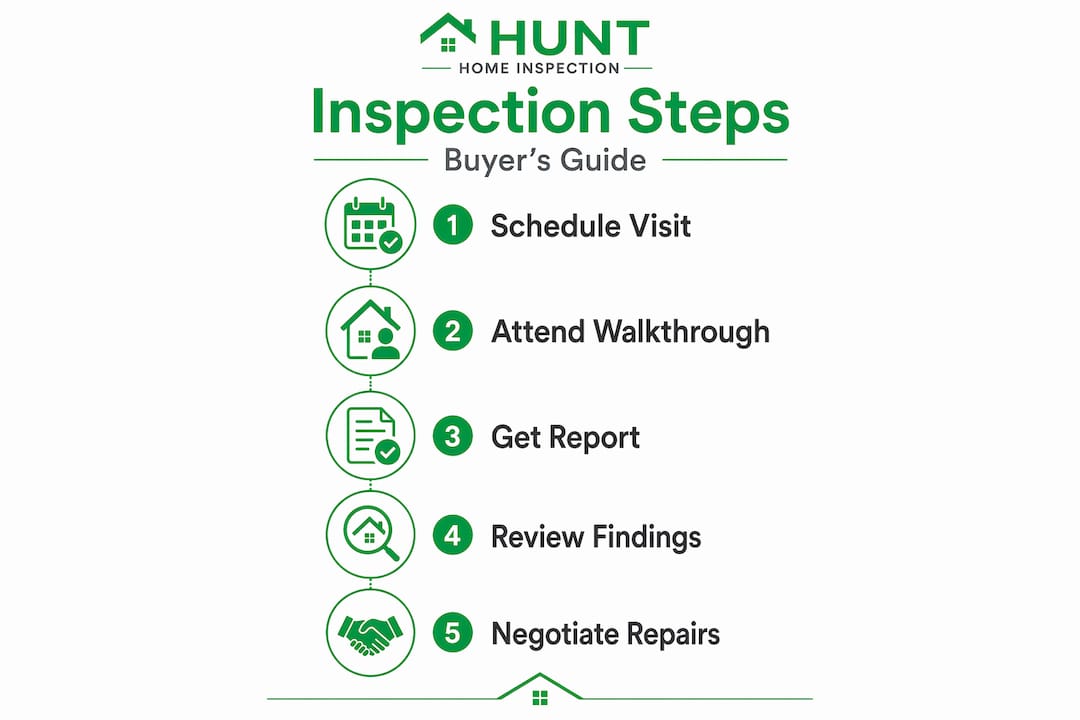
- You make an offer and it gets accepted. This is your starting gun. Most purchase contracts include an inspection contingency, giving you a defined window to complete the evaluation.
- You schedule the inspection quickly. Inspections happen after offer acceptance but before closing. Aim to book within 24 to 48 hours of your offer being accepted. Inspectors book up fast, especially in busy spring and summer markets.
- The inspector visits the property. A typical single-family home inspection takes two to four hours depending on size, age, and condition. The inspector works through every accessible area systematically.
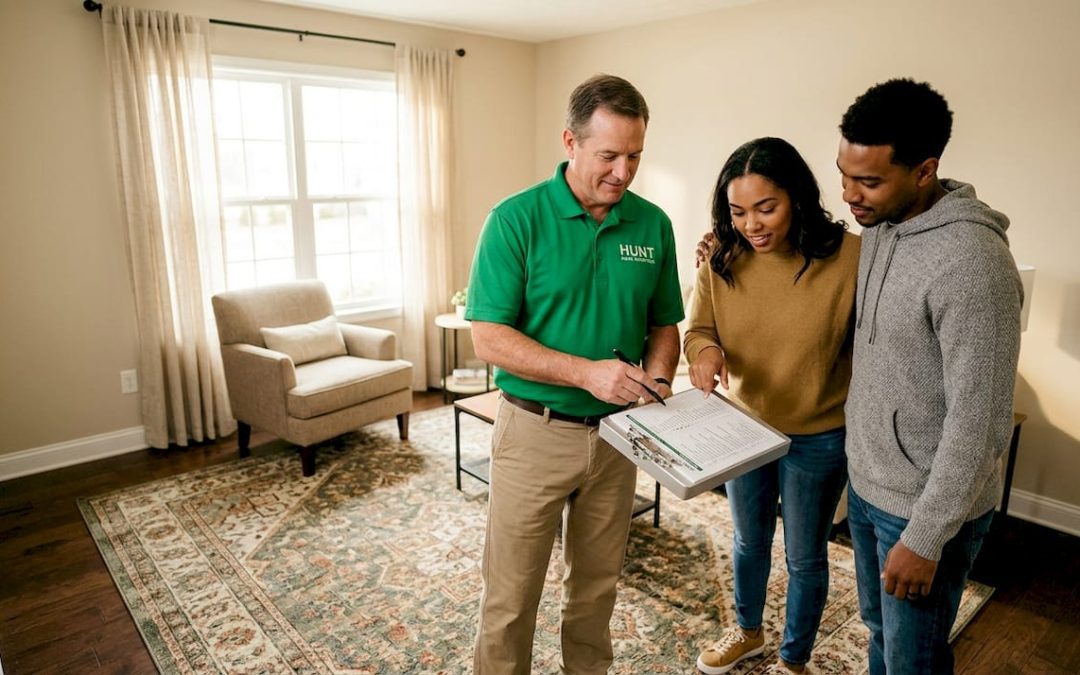
- You attend in person. Being there is not required, but it is one of the smartest moves you can make. Attending the inspection lets the inspector walk you through findings in real time, giving you context that a written report cannot fully replicate. Seeing a rusty water heater is different from reading about it.
- You receive the report. Most inspectors deliver a detailed written report within 24 hours.
- You decide your next move. Based on findings, you can request repairs, ask for a price credit, renegotiate terms, or in serious cases, walk away entirely.
Leaving enough time between inspection and closing is critical. The recommended window is at least 7 to 10 days to schedule, receive the report, and complete any negotiations before your contract deadline.
Reading and using your home inspection report
The home inspection report you receive is not a simple pass or fail document. It is a detailed record of every finding, complete with photographs, descriptions, and recommended next steps. Learning how to read it separates buyers who get value from the process from those who feel overwhelmed by it.
Reports typically organize findings into categories based on severity. Here is how findings generally break down:
- Safety hazards: Issues that pose immediate risk, like faulty wiring or carbon monoxide concerns
- Major defects: Structural problems, failed systems, or significant water damage
- Maintenance items: Things that need attention soon but are not emergencies
- Monitor items: Conditions to watch but not necessarily fix right now
Common problems inspectors flag include structural issues, drainage faults, wiring problems, HVAC failures, and missing safety alarms. Knowing which category a finding falls into helps you decide what to fight for in negotiations.
| Finding type | Your typical response |
|---|---|
| Safety hazard | Request immediate repair or credit before closing |
| Major structural defect | Renegotiate price or consider walking away |
| Aging HVAC system | Request repair credit or price reduction |
| Maintenance item | Accept and budget for it post-closing |
| Monitor item | Note for future attention, no action needed now |
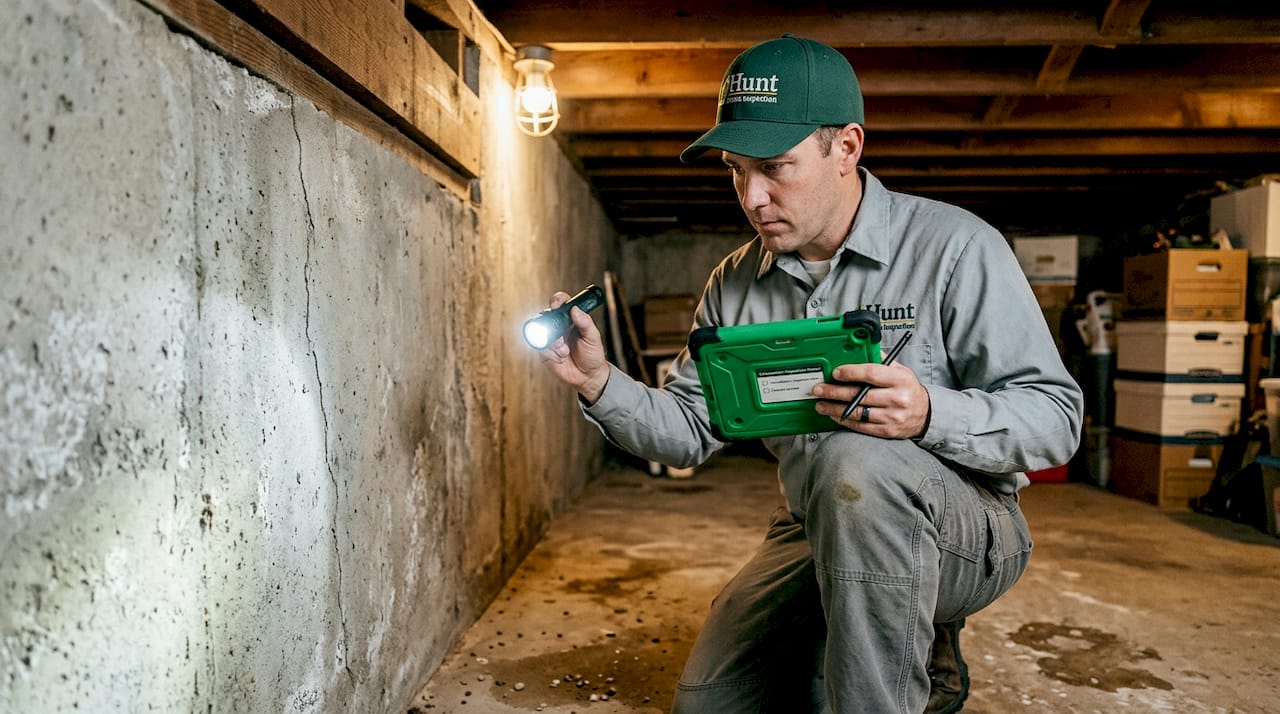
The report becomes your negotiation document. Buyers can renegotiate terms or walk away when major problems surface, and having the inspector’s documented findings gives you the evidence to do so with confidence. Learning to summarize inspection findings effectively helps you and your agent prioritize what to address and what to accept.
A detailed report delivered within 24 hours with clear photos gives you everything you need to make a fully informed decision before money changes hands.
Choosing and preparing for a home inspection
Selecting the right inspector matters as much as having the inspection itself. Not all inspectors are equally qualified, and the gap between a thorough professional and a rushed generalist can be the difference between catching a $15,000 foundation problem and missing it entirely.
Here is what to look for and confirm before hiring:
- State license and certifications: Check that the inspector holds the appropriate license for your state. Membership in organizations like ASHI or InterNACHI signals ongoing education and standards compliance.
- Errors and omissions insurance: This protects you if the inspector misses something significant.
- Sample report: Reviewing a past report shows you the depth of documentation to expect.
- Experience with your property type: Older homes, condos, and new construction each have specific issues that benefit from specialist experience.
- Clear scope statement: Confirm exactly which systems and tests are included versus what costs extra.
Because inspection scope is negotiated through contract contingencies, understanding what your contract says before you even call an inspector prevents surprises later.
When it comes to how to prepare for a home inspection as a buyer, your job is fairly straightforward. Make sure utilities are on at the property, clear access to the attic, crawlspace, electrical panel, and water heater, and plan to be present for the full duration.
Pro Tip: Bring a notepad and take your own notes during the walkthrough. Even though you will receive a full written report, jotting down questions as the inspector talks keeps you engaged and helps you remember the context behind each finding.
One misconception to drop before inspection day: a home inspection is not a guarantee. It reflects visible conditions on that specific day. A pipe that looks fine might leak next month. The goal is not perfection. It is knowing what you are walking into.
My perspective on why buyers underestimate this step
I have worked with hundreds of homebuyers, and the pattern I see most often is this: buyers treat the home inspection like a formality rather than one of the most valuable tools in the entire purchase process. They schedule it because their agent said to, skim the report, and move on. Then three months after closing, they are dealing with a $6,000 HVAC replacement they could have negotiated for at closing.
What I have learned is that the inspection deserves your full attention. Attend in person. Ask questions. Read the full report, not just the summary. And do not treat every finding as a deal-breaker either. Most homes have maintenance items. A good inspection report with 30 minor items is usually better news than a clean-looking house that reveals a cracked foundation on closer examination.
My honest advice: use the inspection as your due diligence, not your anxiety spiral. It gives you facts. Facts let you negotiate, plan, and buy with clear eyes. The importance of home inspection is not about fear. It is about being an informed buyer instead of a hopeful one.
— JOHN
Ready to schedule your inspection in St. Louis?
If you are buying a home in the St. Louis Metro area or Southern Illinois, Jhunthomeinspections is built for buyers exactly like you, whether you are purchasing your first home, buying on a tight budget, or navigating the process as a veteran. Jhunthomeinspections offers both in-person and video inspections, delivers reports within 24 hours, and provides tools like the Create Request List™ to help you and your agent prioritize findings fast.
You can explore the full range of inspection services offered to find the right fit for your property type and timeline. If upfront cost is a concern, Jhunthomeinspections also offers a pay at close option so payment timing does not stand between you and a thorough inspection. Your report is waiting. Schedule before your contingency window closes.
FAQ
What does a home inspector actually check?
A home inspector evaluates structure, roof, plumbing, electrical, HVAC, interiors, and safety features through a visual, non-invasive examination. Specialized tests like radon or mold require separate ordering.
How much does a home inspection cost?
Home inspection costs vary by location, property size, and scope, but most buyers pay between $300 and $500 for a standard inspection. Specialized add-on tests increase that total.
Can I skip the home inspection to speed up closing?
Skipping the inspection removes your ability to renegotiate terms or walk away if serious problems exist, leaving you fully exposed to undisclosed defects after closing.
How long does a home inspection take?
Most single-family home inspections take two to four hours, with the written report delivered within 24 hours of the visit.
What happens after the home inspection?
After reviewing the report, buyers can use findings to negotiate repairs or credits, request a price reduction, or exercise their contingency to exit the contract without penalty if the findings are serious enough.
Recent Comments