
A home inspector is a trained professional who performs a visual, non-invasive evaluation of a property’s accessible systems and components to help buyers make informed purchasing decisions. The role of home inspector sits at the center of every responsible real estate transaction, yet it remains one of the most misunderstood positions in the buying process. Skipping this step costs buyers dearly, according to the National Association of REALTORS. Jhunthomeinspections has seen firsthand how buyers who understand what an inspector does, and what an inspector does not do, close with far greater confidence than those who treat the inspection as a formality.
What does a home inspector do during the inspection process?
The role of home inspector is defined by a structured, visual walkthrough of a property’s major systems. Inspectors do not guess, speculate, or dismantle. They look, operate, and document every accessible component they can see and safely test on the day of the visit.
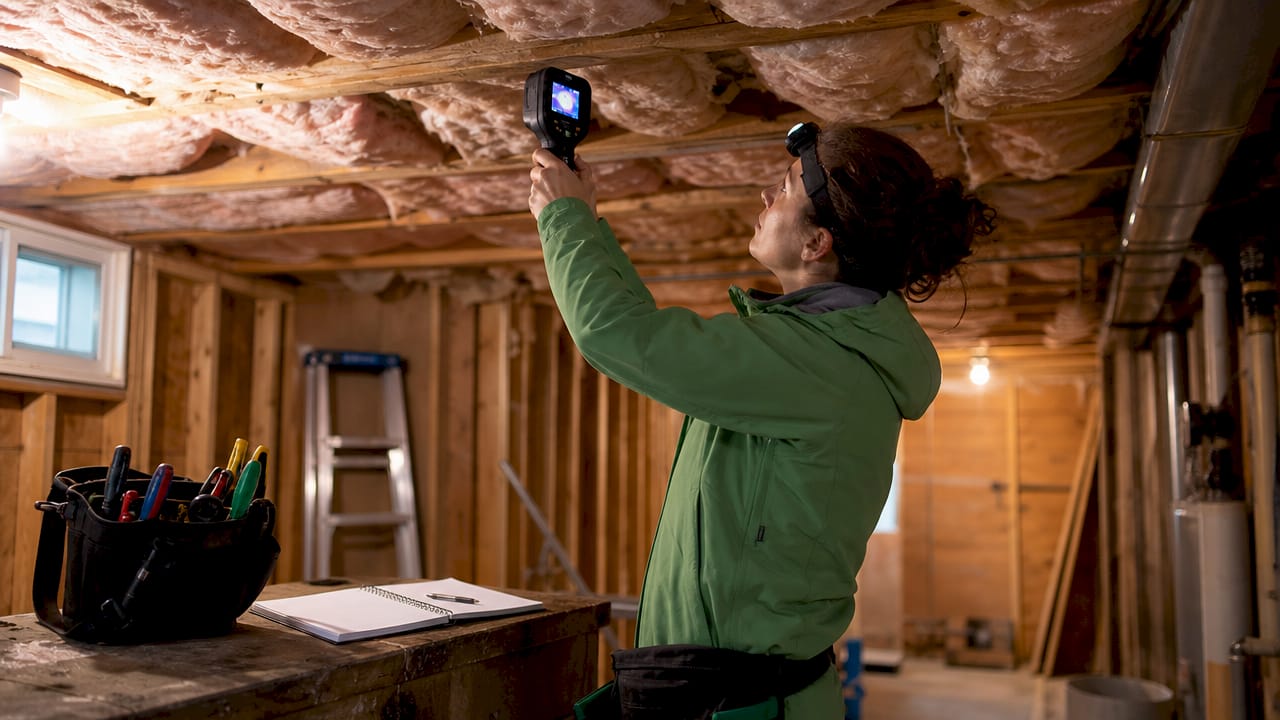
A standard single-family home inspection covers roof, structure, electrical, plumbing, HVAC, and interiors and typically runs two to four hours. Larger or more complex properties take longer, so plan your schedule accordingly. Inspectors follow recognized industry standards set by organizations like ASHI (American Society of Home Inspectors) or InterNACHI (International Association of Certified Home Inspectors) to define the scope of every visit.
Here is what a home inspector evaluates during a typical walkthrough:
- Roof and attic: Shingles, flashing, gutters, ventilation, and visible insulation.
- Structural components: Foundation, framing, floors, walls, and ceilings for signs of movement or deterioration.
- Electrical system: Panel condition, wiring type, outlet function, and GFCI protection in wet areas.
- Plumbing: Visible supply and drain lines, water heater condition, fixture operation, and water pressure.
- HVAC systems: Heating and cooling equipment operation, filter condition, and ductwork where accessible.
- Interior elements: Windows, doors, stairs, railings, and garage door safety mechanisms.
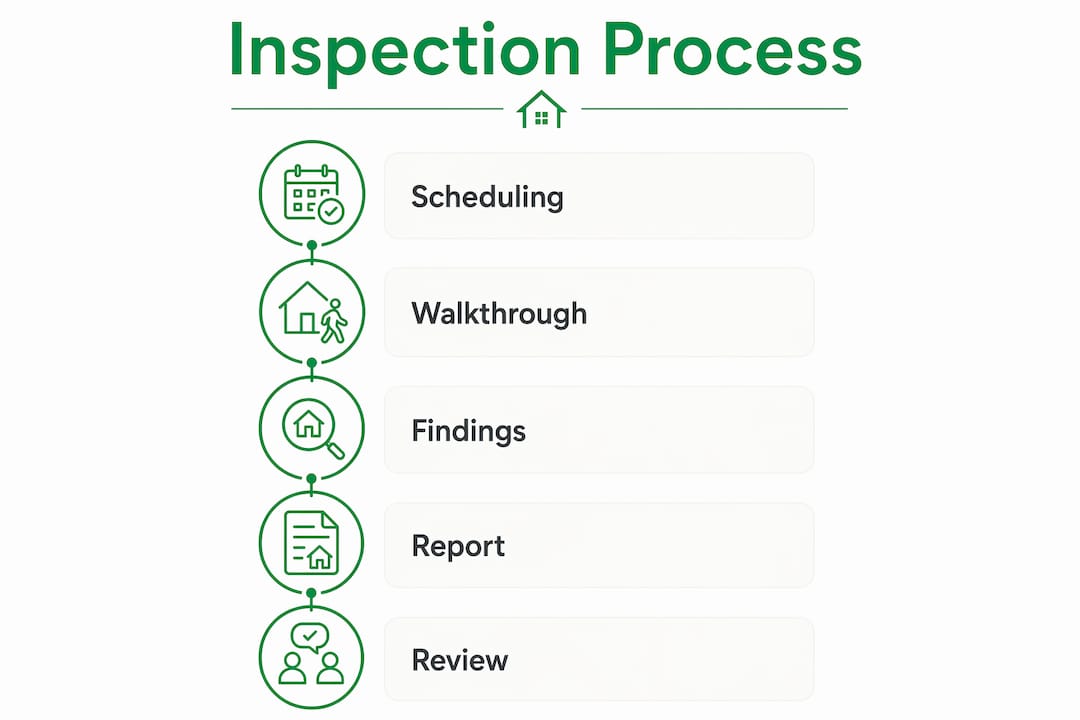
After the walkthrough, the inspector produces a detailed written report that documents every finding with descriptions and photographs. This report becomes the foundation for your negotiations and your decision on whether to proceed, request repairs, or walk away.
Pro Tip: Attend the inspection in person. The inspector’s verbal explanation of findings onsite is often more useful than the written report alone, because you can ask questions and see issues with your own eyes.
What home inspectors are not responsible for
Understanding the home inspector’s limitations is just as important as knowing the scope of work. Many buyers arrive at the inspection expecting a guarantee of the home’s future condition. That expectation leads to disappointment and, sometimes, legal disputes.
Home inspectors do not perform destructive testing or evaluate concealed conditions. They cannot open walls, cut into ceilings, or excavate around a foundation. If a plumbing leak is hidden inside a wall cavity, the inspector will not find it through visual means alone.
The following items fall outside the general home inspection scope:
- Code compliance and permit verification: Inspectors assess condition, not whether past work was permitted or meets current building codes.
- Environmental hazards: Radon, mold, asbestos, lead paint, and underground storage tanks require separate specialist testing.
- Concealed wiring and plumbing: Anything behind finished surfaces is inaccessible and therefore excluded.
- Appliance warranties or remaining lifespan guarantees: An inspector notes current function, not future reliability.
- Pest and termite inspections: Wood-destroying organism evaluations are a separate service in most states.
When a component is inaccessible, a thorough inspector documents the reason and recommends a specialist follow-up. That documentation is your roadmap for what to investigate further before closing.
“The general home inspection is a screening layer, not a forensic investigation. Specialty inspections address concerns beyond its scope based on the specific risk profile of the property.” — InspectandTest Inspection Scope Guide
This distinction matters because buyers sometimes confuse a clean inspection report with a clean bill of health for every system in the house. A report with no major findings means no major visible defects were found on that day, under those conditions.
When and how to schedule a home inspection
Timing the home inspection correctly preserves your negotiating leverage. Most buyers schedule within 7 to 10 days of offer acceptance, which keeps the inspection contingency window open and gives you time to review findings before the contract deadline.
Scheduling too late compresses your decision window. If the report reveals a significant issue and you have only 24 hours left on your contingency, your options shrink fast. Book the inspection the same day your offer is accepted.
The table below shows typical pricing factors for a standard home inspection in 2026:
| Factor | Typical impact on cost |
|---|---|
| Home size (under 2,000 sq ft) | $300 to $400 base price |
| Home size (over 3,000 sq ft) | $450 to $600 or more |
| Add-on: radon testing | $100 to $150 additional |
| Add-on: sewer scope | $150 to $250 additional |
| Location (metro vs. rural) | Metro areas trend 10 to 20% higher |
Standard pricing for a single-family home runs $300 to $500 before add-ons. That figure represents a small fraction of the purchase price but can save you from a five-figure repair surprise after closing. Always arrange your own inspection rather than relying on a seller’s pre-inspection report. Buyers who hire independently control the inspector selection and can vet credentials directly.
How to maximize value from your home inspection
The home inspection process delivers the most value when buyers treat it as an education, not just a checkbox. Buyers who attend the inspection gain a clearer understanding of the property because the inspector explains urgent versus routine issues onsite, in plain language, as they walk through each room.
Here is how to get the most from the experience:
- Attend in person and ask questions. No question is too basic. If the inspector points to a stain on the ceiling, ask whether it is active or old, and what caused it.
- Triage findings into three categories. Safety hazards, structural defects, and maintenance items each carry different urgency and negotiation weight. A faulty electrical panel is not the same as a worn caulk joint.
- Use the report for targeted negotiation. Focus repair requests on safety hazards and major structural defects. Asking sellers to fix every cosmetic item weakens your position and slows the deal.
- Order specialty inspections for flagged concerns. If the inspector notes signs of moisture intrusion or an aging sewer line, a specialist inspection layer gives you the specific data you need to negotiate a price reduction or repair credit.
- Read the full report, not just the summary. Summaries highlight major findings, but the body of the report contains context, photographs, and recommendations that change how you interpret each item.
Real estate agents who understand how to read and use inspection reports become far more effective advocates for their clients. The home inspection process explained in detail helps both buyers and agents align on priorities before the negotiation conversation begins.
Pro Tip: Ask your inspector to walk you through the top three findings verbally before you leave the property. That conversation will anchor your understanding of the written report when you read it later.
The inspector’s role includes educating buyers during the inspection itself, translating findings into decisions you can act on. A good inspector does not just hand you a document. They help you understand what you are buying.
Key takeaways
The home inspector’s role is to deliver a visual, documented assessment of accessible systems that protects buyers from costly surprises and supports informed negotiation.
| Point | Details |
|---|---|
| Defined scope of work | Inspectors evaluate visible, accessible systems only. They do not open walls or guarantee future conditions. |
| Inspection timing matters | Schedule within 7 to 10 days of offer acceptance to preserve your contingency leverage. |
| Cost is a small investment | Standard inspections run $300 to $500. Add-ons for radon or sewer scope cost extra but address specific risks. |
| Attend and ask questions | Buyers who attend gain onsite clarity that the written report alone cannot fully replace. |
| Triage findings strategically | Separate safety hazards from maintenance items to focus negotiations on what matters most. |
Why I think most buyers misuse the inspection report
I have reviewed hundreds of inspection reports and watched buyers make the same mistake repeatedly. They read the summary, count the number of items flagged, and decide the house is either fine or a disaster based on that number alone. That is the wrong approach entirely.
A 40-item report on a 1960s home is often less alarming than a 12-item report on a newer build where one of those items is a cracked heat exchanger in the furnace. Context is everything. The ASHI 2026 standards update approved in January of this year reflects exactly this kind of nuance, pushing inspectors toward clearer severity language and better documentation practices.
What I tell every buyer is this: the inspection is not a pass or fail test for the house. It is a disclosure of known visible conditions at a specific moment in time. Your job is to decide whether those conditions are acceptable, negotiable, or disqualifying for your situation. A first-time buyer with a tight budget should weigh a 20-year-old roof differently than an investor who plans to renovate anyway.
The buyers who get the most from an inspection are the ones who show up, ask questions, and treat the inspector as a resource rather than a referee. That mindset shift changes everything about how you use the home inspection findings to your advantage.
— JOHN
Get a thorough inspection from Jhunthomeinspections
Jhunthomeinspections serves buyers across the St. Louis Metro area and Southern Illinois with inspections that go beyond the checklist. Every report is returned within 24 hours and written in plain language, so you understand exactly what you are buying before you sign. The proprietary Create Request List™ tool makes it simple to share findings with your agent and prioritize repair requests without the back-and-forth confusion. Whether you need a standard walkthrough or add-on specialty services, the team at Jhunthomeinspections is certified, current on 2026 ASHI standards, and focused on your peace of mind. Explore inspection services in St. Peters and University City or learn more about what your report includes before you book.
FAQ
What is the main role of a home inspector?
A home inspector performs a visual, non-invasive assessment of a property’s accessible systems and components, then delivers a written report to help buyers make informed decisions before closing.
How long does a home inspection take?
A standard single-family home inspection takes two to four hours. Larger or more complex properties require additional time.
What does a home inspector not cover?
Home inspectors do not evaluate concealed conditions, verify code compliance, test for environmental hazards like radon or mold, or perform destructive testing. These require separate specialist services.
When should I schedule a home inspection?
Schedule the inspection within 7 to 10 days of offer acceptance. Booking early preserves your contingency window and gives you maximum negotiating leverage if issues are found.
How much does a home inspection cost?
A standard home inspection for a single-family home typically costs $300 to $500. Add-on services such as radon testing or a sewer scope increase the total but provide targeted risk data worth the investment.
Recent Comments