
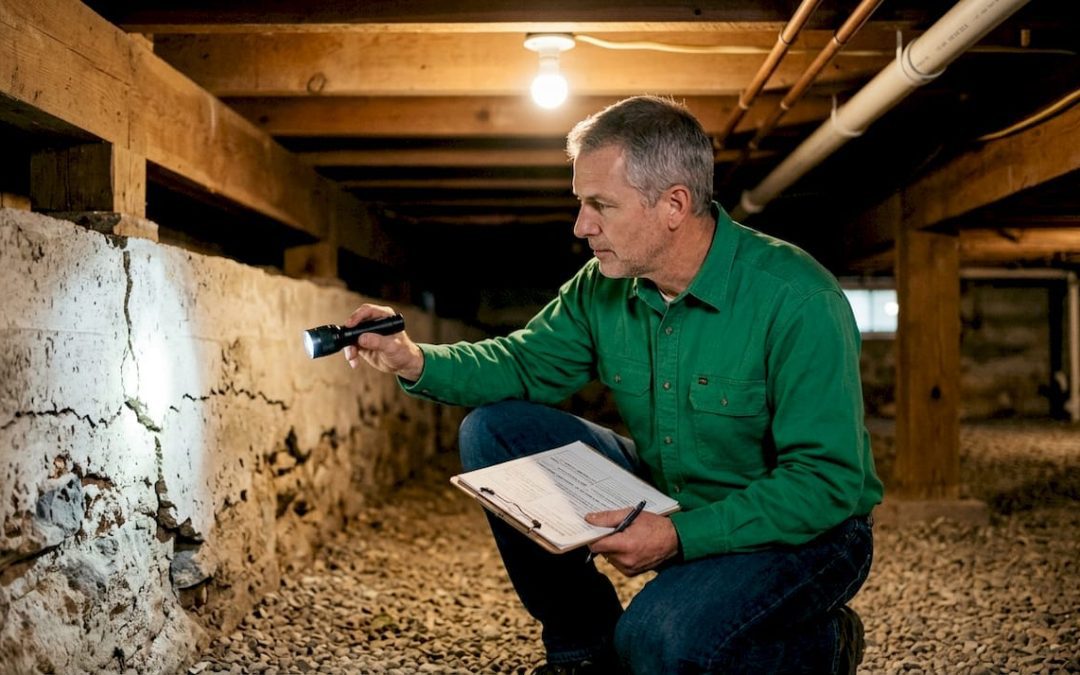
A home inspection is a professional, visual evaluation of a property’s major systems and structure that reveals hidden defects before you commit to a purchase. For homebuyers and real estate investors alike, skipping this step is one of the most expensive mistakes you can make. The American Society of Home Inspectors (ASHI) sets the professional standards most licensed inspectors follow across the country, and a typical inspection costs between $300 and $500. That fee represents less than 0.1% of a home’s purchase price, yet it can return 10 to 30 times its cost in negotiated savings or avoided repairs.
Why home inspection matters for every buyer
A home inspection gives you an objective, written record of a property’s condition at the time of purchase. That documentation lets you make an evidence-based decision: continue with the deal, renegotiate the price, request repairs, or walk away entirely. Without it, you are relying on a seller’s disclosure alone, which is legally limited and often incomplete. In buyer-beware states, an inspection is your best opportunity to uncover structural, electrical, plumbing, and safety problems that no one will volunteer to tell you about.
The financial case is straightforward. A $400 inspection that reveals a failing HVAC system, a cracked foundation, or outdated electrical panels can save you $10,000 to $50,000 in post-closing repair costs. For real estate investors calculating rehab budgets or rental property ROI, that kind of early intelligence is not optional. It is the foundation of every sound acquisition decision.
What does a home inspection actually cover?
A general home inspection covers the visible and accessible components of a property at the time of the visit. Inspectors evaluate the following major systems and areas:
- Foundation and structure: visible cracks, settling, and framing integrity
- Roof: condition of shingles, flashing, gutters, and drainage
- Electrical system: panel condition, wiring type, grounding, and safety hazards
- Plumbing: supply lines, drain function, water heater condition, and visible leaks
- HVAC: heating and cooling equipment operation, filters, and ductwork
- Interior and exterior: windows, doors, insulation, siding, and safety features like smoke detectors
What a general inspection does not cover is equally important to understand. Inspectors do not open walls or floors, and they are not licensed specialists in plumbing, electrical engineering, or structural analysis. They flag concerns and recommend further evaluation. Mold testing, radon measurement, termite inspection, and septic system assessment all require separate specialists.
Pro Tip: If your inspector flags moisture intrusion, unusual odors, or an aging roof, schedule a specialist within your inspection contingency window. Waiting until after closing removes your negotiation leverage entirely.
ASHI’s Standard of Practice is the benchmark most licensed inspectors use, and approximately 36 states license inspectors by referencing these standards. When you hire an inspector who follows ASHI guidelines, you get a consistent, standardized report rather than a subjective walk-through. That consistency matters when you are comparing findings across multiple properties or presenting documentation to a seller.
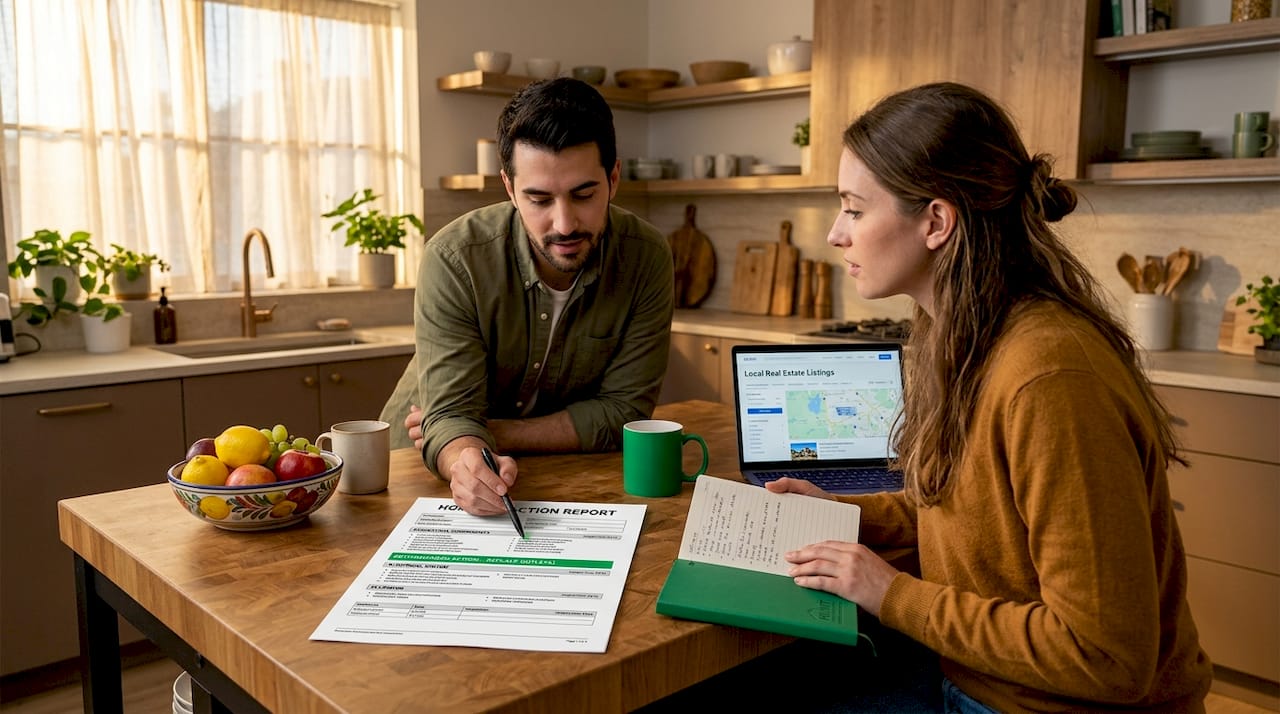
You can review what a thorough inspection report looks like by reading about what inspection reports include before your appointment. Knowing the format in advance helps you ask better questions during the inspection itself.
How inspection findings drive negotiation
Inspection reports create documented leverage. Once you have a written record of defects, you can present a structured repair request or credit demand backed by objective findings rather than personal opinion. Sellers respond in one of four ways: they make repairs before closing, offer a closing-cost credit, refuse to negotiate, or partially concede on select items. Which response you get depends on the severity of the issue, current market conditions, and the specific terms of your purchase contract.
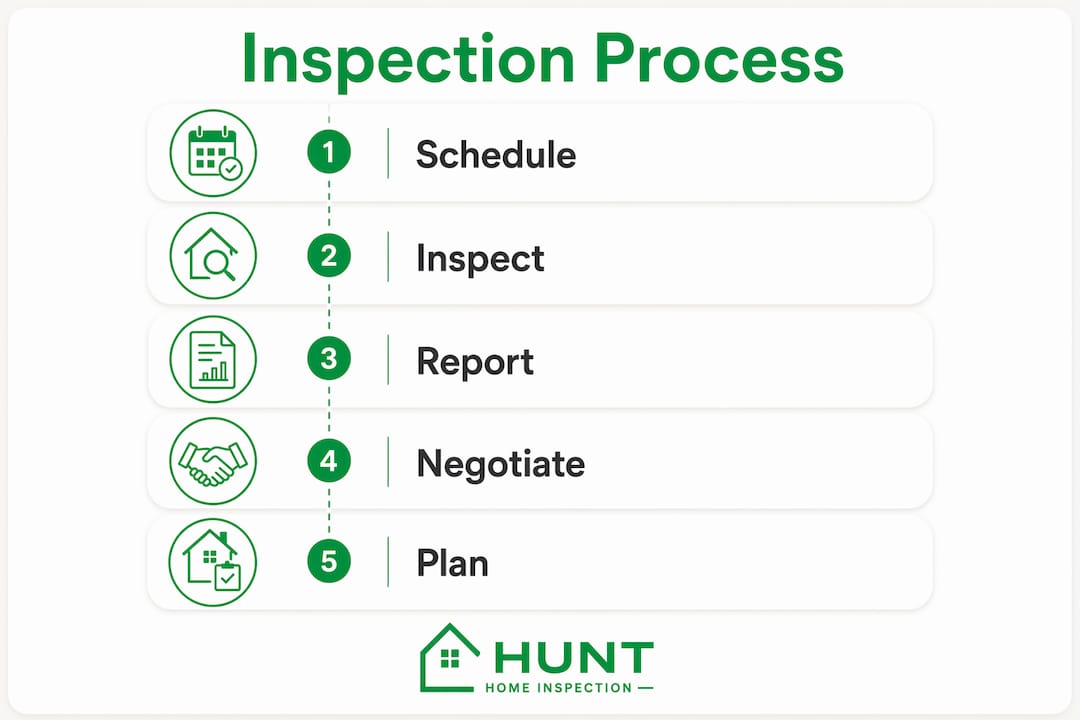
Here is how a typical negotiation sequence plays out:
- Inspector delivers a written report within 24 hours of the visit.
- Buyer and agent review findings and categorize issues by severity: safety hazards, major system failures, and cosmetic defects.
- Buyer submits a formal repair request or credit demand, focusing on the highest-priority items.
- Seller responds with a counteroffer, full acceptance, or refusal.
- Both parties negotiate until agreement is reached or the buyer exercises the inspection contingency to exit the deal.
The most effective requests focus on safety issues and major system failures. Inspection negotiations succeed when buyers concentrate on items with clear documentation and significant cost implications. Requesting repairs for every minor cosmetic issue dilutes your leverage and signals inexperience to the seller.
| Negotiation approach | Best used when |
|---|---|
| Request seller repairs | Seller is motivated, market favors buyers, item is safety-critical |
| Request closing credit | You prefer to control the repair quality yourself |
| Request price reduction | Multiple major defects exist and repairs are complex |
| Walk away | Defects exceed budget or seller refuses all concessions |
Pro Tip: Ask your inspector to verbally walk you through the top three issues during the inspection itself. That real-time context helps you and your agent frame the negotiation request accurately before the written report is finalized.
Understanding how inspection findings affect mortgage loans is also worth reviewing, since lenders may require certain repairs before approving financing on properties with significant defects.
The financial return on a $300 to $500 investment
The math on inspection value is hard to argue with. Inspection ROI runs 10 to 30 times the cost of the inspection itself when defects are caught and negotiated before closing. Consider what the data shows about how often defects actually appear:
- Electrical defects appear in approximately 40% of homes inspected
- Grading and drainage problems show up in 35% of homes
- Roof issues are found in 25% of homes
- Plumbing concerns appear in 20% of homes
- HVAC and foundation problems each affect roughly 15% of homes
These are not rare edge cases. The majority of homes inspected have at least one issue worth negotiating. A buyer who skips the inspection on a home with a failing electrical panel and a drainage problem could face $15,000 to $25,000 in repairs with no recourse after closing.
For real estate investors, the calculus is even clearer. A rental property with an undiscovered HVAC failure or foundation crack will destroy projected cash flow in the first year. An inspection fee is simply the cost of accurate underwriting. Even when no major issues are found, the report confirms your assumptions and protects your acquisition model.
The peace-of-mind value is real too. Buyers who complete inspections report greater confidence in their purchase decisions, and that confidence reduces the likelihood of buyer’s remorse or post-closing disputes.
Using your inspection report as a long-term planning tool
An inspection report does not expire the moment you close on a property. It becomes a baseline document that serves you for years after purchase. Inspection reports describe the condition and expected lifespan of major systems and components, which means you can use the findings to build a realistic maintenance budget before you move in.
Practical ways to use your report after closing include:
- Prioritizing urgent repairs: Address safety hazards and failing systems first, before they cause secondary damage or liability.
- Scheduling deferred maintenance: If the inspector notes a roof with three to five years of remaining life, you can plan and save for replacement rather than react to an emergency.
- Monitoring flagged areas: Items noted as “monitor for changes” need periodic checks. A small crack in a foundation wall that is stable today can become a structural issue if water infiltration accelerates.
- Supporting insurance claims: An inspection report as a baseline provides contemporaneous condition documentation that supports insurance claims or disputes about pre-existing versus post-purchase damage.
Pro Tip: Store your inspection report digitally alongside your closing documents. If a dispute arises with a future buyer, a contractor, or an insurer, that timestamped condition record is your strongest evidence.
The home inspection process explained in detail can help you understand exactly what to do with your report once you receive it, including how to prioritize findings and communicate with contractors.
Key takeaways
A home inspection is the single most cost-effective risk management tool available to a homebuyer, delivering documented evidence, negotiation leverage, and a long-term maintenance roadmap for under $500.
| Point | Details |
|---|---|
| Inspection defines your risk | A written condition report lets you negotiate, exit, or proceed with full information. |
| Scope has real limits | General inspections do not cover mold, radon, or structural engineering. Specialists fill those gaps. |
| Negotiation requires focus | Concentrate requests on safety hazards and major systems to preserve leverage with sellers. |
| ROI is measurable | At 10 to 30 times the inspection cost in potential savings, the fee is rarely the issue. |
| Reports serve you post-closing | Use findings to budget maintenance, monitor flagged areas, and document condition for insurance. |
What I’ve learned after years of watching buyers skip this step
I have seen buyers waive inspections in competitive markets and pay for it within six months of closing. The logic made sense at the time: the market was hot, the seller had multiple offers, and the inspection contingency felt like a deal-killer. But a waived inspection is not a negotiating chip. It is a blank check written to whatever problems are hiding inside that property.
The most common mistake I see is treating the inspection report as a pass-or-fail test. It is not. A 40-page report full of findings does not mean the house is a disaster. Every house has issues. What matters is the category of those issues. A leaking faucet and a cracked heat exchanger are both “findings,” but one costs $50 and the other is a carbon monoxide hazard. Buyers who read every item with equal alarm either panic unnecessarily or miss the one issue that actually matters.
My advice: read the summary section first, then focus on anything flagged as a safety concern or major system defect. Engage a specialist immediately for any flagged item that falls outside the inspector’s general scope. And never, under any circumstances, treat the inspection as a formality to get through. It is the most important hour you will spend on any property you buy.
The professional standards John Hunt brings to every inspection reflect exactly this philosophy: thorough, documented, and focused on what actually affects your decision.
— JOHN
Protect your investment with Jhunthomeinspections
Jhunthomeinspections serves homebuyers, first-time buyers, veterans, and real estate investors across the St. Louis Metro area and Southern Illinois with thorough, professionally documented inspections.
Every inspection follows ASHI standards and delivers a detailed report within 24 hours. The proprietary Create Request List™ tool simplifies communication between buyers and agents, so your negotiation starts the moment your report arrives. Jhunthomeinspections also offers video inspections for buyers who cannot be present in person. Whether you are buying your first home or adding to a rental portfolio, you can review all inspection services available and schedule your appointment today. If upfront cost is a concern, the pay-at-close option lets you defer payment until your transaction closes.
FAQ
What does a home inspection include?
A home inspection covers the visible and accessible major systems of a property, including the foundation, roof, electrical, plumbing, HVAC, and interior and exterior components. It does not include invasive testing or specialist evaluations such as mold, radon, or structural engineering assessments.
Do I need a home inspection on a new construction home?
New construction homes still benefit from an independent inspection because builder quality control varies and code compliance does not guarantee defect-free construction. An inspector working on your behalf, rather than the builder’s, provides an unbiased condition report before you take ownership.
How does a home inspection affect the purchase price?
Inspection findings give buyers documented leverage to request seller repairs, closing-cost credits, or price reductions before closing. Major defects in systems like electrical, HVAC, or foundation carry the most negotiating weight and can result in thousands of dollars in concessions.
Can I skip the inspection to make my offer more competitive?
Waiving an inspection removes your ability to negotiate defects and eliminates your exit option if serious problems are found. The short-term competitive advantage rarely outweighs the financial risk of purchasing a home with undisclosed or undiscovered defects.
How long does a home inspection take?
Most home inspections take two to four hours depending on the size and age of the property. Buyers are encouraged to attend so they can ask questions in real time and understand the inspector’s findings before the written report is delivered.
Recent Comments