
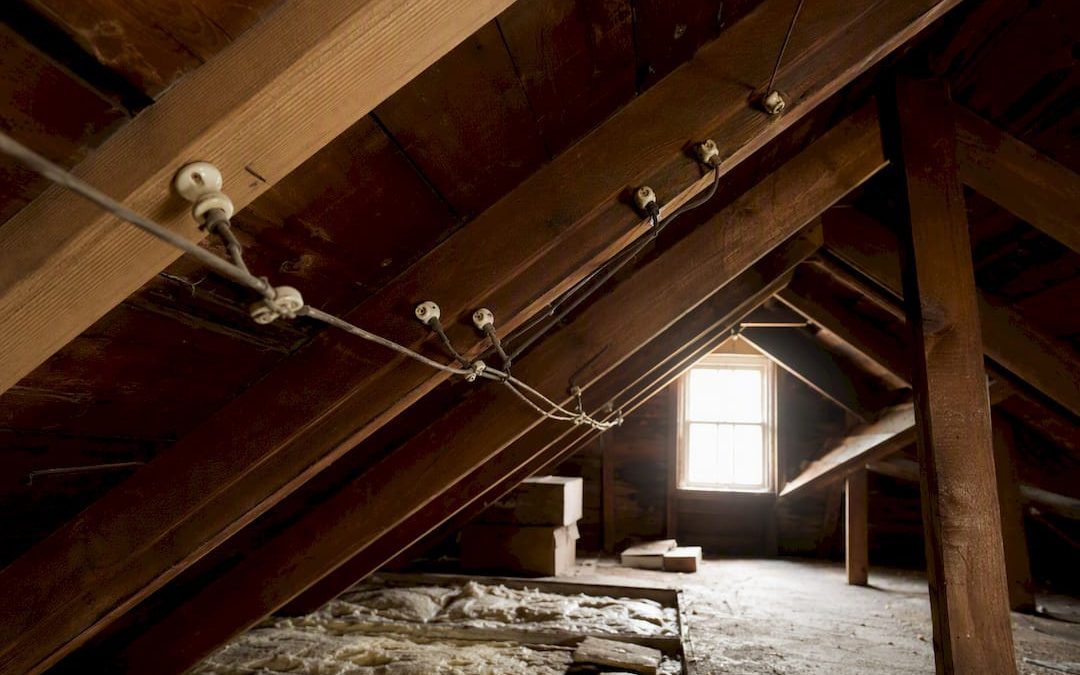
Knob-and-tube wiring is not automatically dangerous, but it is obsolete, and it demands a licensed electrician’s inspection the moment it’s active or buried under insulation. Get that evaluation before you insulate, renovate, or close on a sale. Two facts drive most of the caution you’ll hear: the National Electrical Code bars loose, blown-in, or foam insulation over knob-and-tube conductors, and many insurers won’t write a policy on a home with active knob-and-tube wiring until an electrician signs off on it.
- Not automatically a fire hazard, but it lacks grounding and tolerates no covering insulation
- If it’s live or hidden under insulation, schedule a licensed electrician inspection now
- Insurers frequently require certification or replacement before they’ll cover the home
Key Takeaways
Knob-and-tube wiring becomes genuinely dangerous only when it’s active, damaged, or covered by insulation, and a licensed electrician’s written evaluation is the single decision that determines your next move.
| Point | Details |
|---|---|
| Get an electrician evaluation | Active, damaged, or insulation-covered knob-and-tube wiring needs a licensed electrician’s assessment before any other decision. |
| Never insulate over live K&T | The National Electrical Code prohibits loose, blown-in, or foam insulation over knob-and-tube conductors due to overheating risk. |
| Confirm insurance status early | Ask insurers directly whether they’ll cover the home as-is or require certification and remediation first. |
| Document everything in writing | Photos, electrician estimates, and certification letters give buyers and sellers real leverage in negotiations. |
| Match the fix to the condition | Full rewires, targeted upgrades, or decommissioning each suit different situations; get three bids before choosing. |
Table of Contents
- What Knob-and-Tube Wiring Actually Is
- Why Old Wiring Becomes a Present-Day Hazard
- Spotting Knob-and-Tube Wiring Before an Electrician Arrives
- Insulation Upgrades and What the Code Actually Requires
- How Insurance Companies and Home Sales Treat Knob-and-Tube
- What Rewiring Actually Costs and How to Plan for It
- Your Next Steps as a Homeowner or Buyer
- What Hunt Home Inspection Documents on Every Older Home
- Common Signs Knob-and-Tube Wiring Is Failing
- Modern Wiring Options That Replace Knob-and-Tube
- Legal Status and Code Compliance for Existing Systems
- What Actually Matters Once You Move Past the Fear
- Sources
What Knob-and-Tube Wiring Actually Is
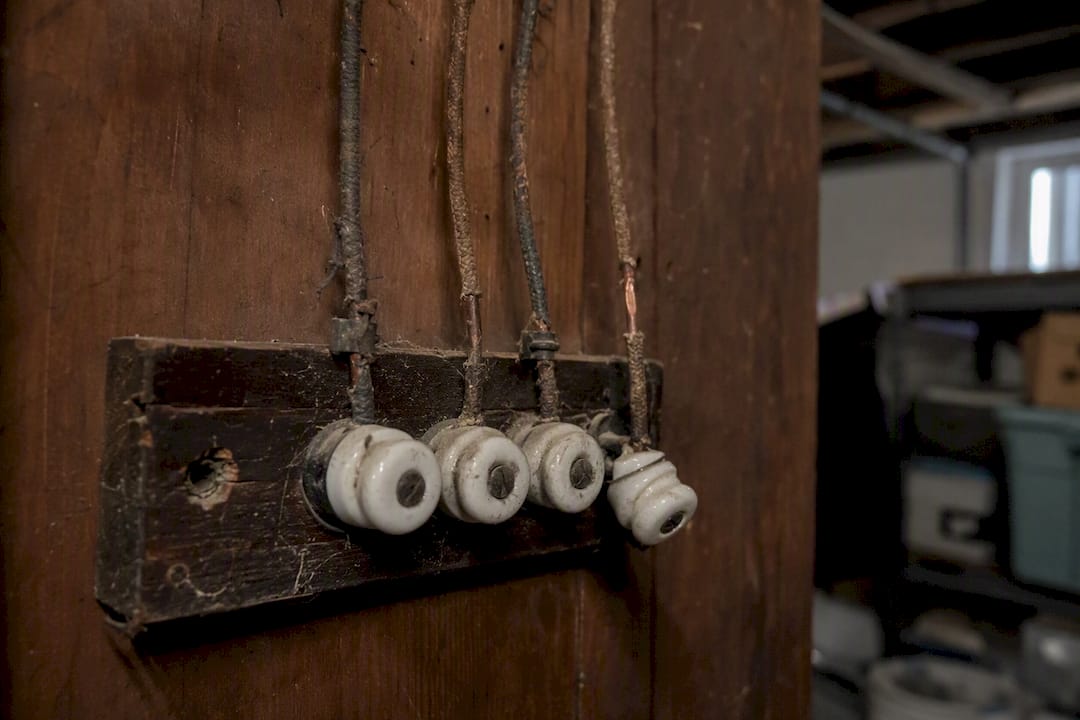
Picture two single conductors, each wrapped in cloth or rubber, running separately through a house instead of bundled together in one cable. Porcelain knobs anchor the wires to joists and studs, and porcelain tubes protect them where they pass through drilled holes. There’s no ground wire anywhere in the system, because grounding wasn’t standard practice yet.
Builders installed knob-and-tube wiring across North America from roughly 1880 through the 1940s, and you’ll find it most often in attics, unfinished basements, and ceiling cavities where it was easiest to run. For its era, it was a reasonable, even well-engineered system. The problem isn’t that it was built badly. It’s that seven or eight decades of aging, patching, and modern electrical demand have pushed it past what it was ever designed to handle.
Why Old Wiring Becomes a Present-Day Hazard
Knob-and-tube wiring doesn’t fail because it’s old on paper. It fails because of specific, checkable conditions.
- Insulation contact. The system relies on open air to dissipate heat. The National Electrical Code prohibits covering it with loose-fill, blown-in, or foam insulation, because trapped heat has nowhere to go.
- Deteriorated insulation and physical damage. Cloth and rubber wrapping turns brittle with age, cracks, and flakes off. Rodents chew through it in attics more often than most homeowners expect.
- Unsafe splices and modifications. Inspectors routinely find taped-over joints, oversized fuses, and undocumented extensions added by previous owners trying to squeeze more capacity out of an old circuit.
- No ground path and overload risk. A system built for a few lamps and a radio wasn’t designed for microwaves, window AC units, and space heaters running at once.
Not every one of these conditions demands an emergency call. A knob-and-tube circuit that’s inactive, undisturbed, and clear of insulation can sometimes be monitored rather than torn out immediately. But damage, unsafe splicing, or insulation contact tips the scale toward replacement, not observation.
Pro Tip: Ask your inspector to specifically note whether each knob-and-tube circuit is “active” or “abandoned.” That single distinction changes your entire negotiation strategy with a seller.
Spotting Knob-and-Tube Wiring Before an Electrician Arrives
You don’t need to touch anything to recognize this system. Porcelain knobs look like small ceramic spools nailed to framing members. Porcelain tubes resemble short ceramic sleeves where wires pass through wood. The conductors themselves run as separate strands, spaced several inches apart, rather than as one bundled cable, and their cloth covering often looks faded, gray, or slightly frayed.
Check the obvious places first:
- Attics, especially near the roofline where original wiring was rarely disturbed
- Open ceiling cavities in unfinished basements
- Crawlspaces and areas around old fuse panels
Look, but don’t handle anything. Old insulation can be brittle enough to crumble at a touch, and you have no way of confirming a circuit is dead just by looking at it. Photograph what you find. Wide shots showing the wiring’s location, plus close-ups of any splices, insulation contact, or damage, give your electrician or inspector a running start before they even climb into the attic.
Insulation Upgrades and What the Code Actually Requires
Energy upgrades are where knob-and-tube wiring collides with modern homeownership most often. The National Electrical Code forbids covering K&T conductors with loose, blown-in, or expanding foam insulation, full stop, because the wiring needs airflow to shed heat safely.
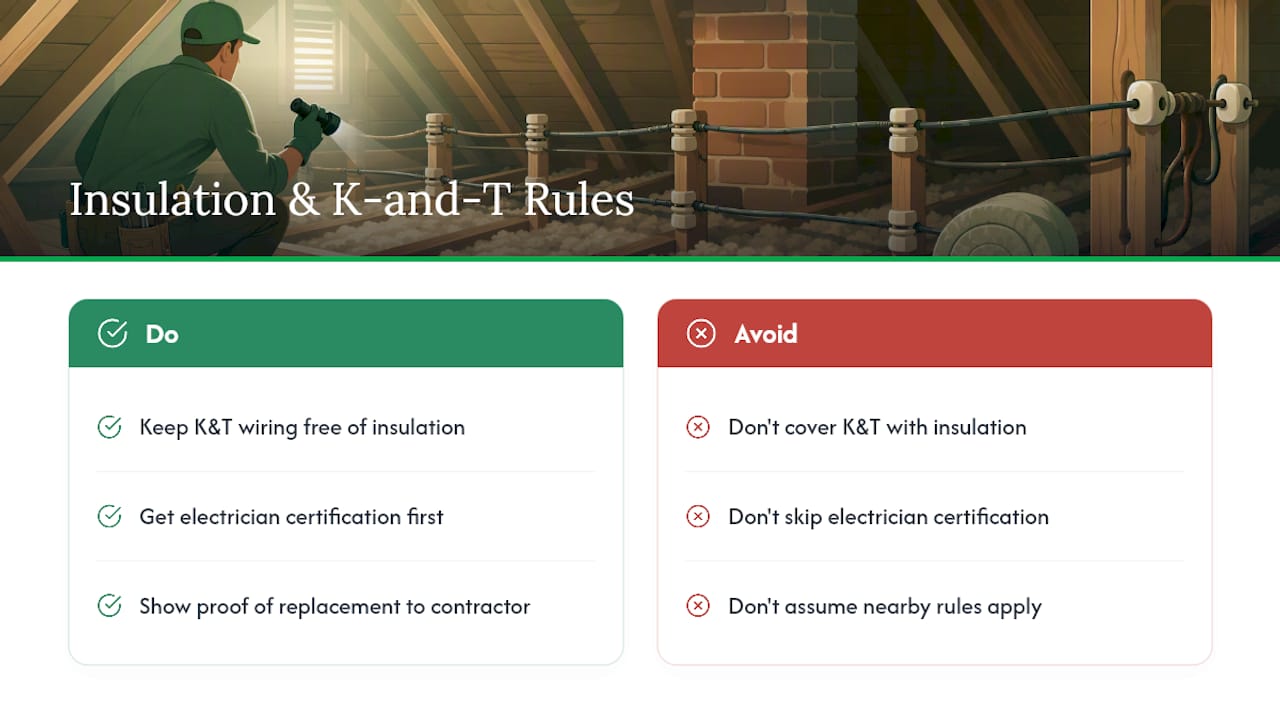
That said, the rule isn’t identical everywhere. Some states allow insulation contact only after a licensed electrician certifies the wiring is safe, which opens a practical path for homeowners who want better energy efficiency without a full rewire first. Requirements shift by jurisdiction, so what your neighbor’s contractor did three towns over may not apply to your project.
In practice, this means most reputable insulation contractors will ask for an electrician’s certification, or proof of replacement, before they’ll blow insulation into an attic with knob-and-tube still present. Skipping that step doesn’t just risk a fire hazard. It risks a rejected inspection down the line.
How Insurance Companies and Home Sales Treat Knob-and-Tube
Insurers see knob-and-tube wiring as a liability they’d rather not underwrite. Many companies decline coverage outright on homes with active K&T, or they’ll only issue a policy after an electrical inspection confirms the system is safe or has been remediated. That single fact shapes almost every real estate transaction involving an older home.
If you’re buying a house with knob-and-tube wiring, build an inspection contingency into your offer and get at least one electrician’s estimate before you waive it. Ask the seller directly whether any certification or remediation work has already been documented. Interestingly, knob-and-tube wiring can remain legally in place in many jurisdictions; it just can’t be newly installed. Legal doesn’t mean insurable, though, and that gap is exactly where financing deals fall apart.
Living with knob-and-tube wiring is genuinely feasible in some homes, particularly where it’s limited to a few unused circuits and insulation is nowhere near it. It becomes a dealbreaker the moment a lender or insurer requires remediation as a condition of the loan or policy.
What Rewiring Actually Costs and How to Plan for It
Replacement options generally fall into three tiers, and picking the wrong one for your situation wastes money either way.
- Full rewire. Every circuit gets replaced with modern grounded wiring. This is the most expensive option but resolves insurance and code concerns permanently.
- Targeted circuit upgrades. An electrician replaces only the circuits that are active, damaged, or near insulation, leaving inactive, undisturbed knob-and-tube in place.
- Decommissioning. Old circuits get disconnected at the panel and left inert rather than removed, which satisfies some insurers but not all.
Cost swings widely based on house size, how accessible the wiring is behind finished walls, whether the electrical panel also needs upgrading, and how much drywall repair follows the work. Get three bids before committing to any of them, since estimates for the same job can vary substantially between electricians. Some will offer GFCI or AFCI protection as an interim safety measure, which meaningfully reduces shock and fire risk on a live circuit. It’s a real improvement, but it’s not a substitute for replacing damaged or compromised conductors when the wiring itself is the problem.
Your Next Steps as a Homeowner or Buyer
Start with a home inspection that specifically checks for knob-and-tube wiring and its condition using expert advice on insulated tools for electricians to ensure safety. If the inspector flags it as active, damaged, or insulation-adjacent, bring in a licensed electrician for a full evaluation.
- Ask the electrician which circuits are active versus abandoned
- Request written certification if the wiring is deemed safe as-is
- Get a scope of work and cost estimate in writing, not verbally
Pro Tip: Time electrical work to happen before any insulation project, not after. Insulating first and rewiring later means paying twice, once for the insulation removal and again for the reinstall.
What Hunt Home Inspection Documents on Every Older Home
A licensed inspection from Hunt Home Inspection records the visible condition of knob-and-tube circuits, including insulation contact, splice quality, and signs of rodent or heat damage. That documentation becomes your leverage. The Create Request List™ tool turns those findings into specific repair requests you can send straight to the seller’s agent, and reports return within 24 hours so you’re not stalled at a critical point in your closing timeline.
Common Signs Knob-and-Tube Wiring Is Failing
A few warning signs show up consistently in homes where knob-and-tube has moved from “old but stable” to “actively degrading.” Flickering lights that aren’t tied to a bulb issue often point to a loose connection at a porcelain knob or a splice that’s corroding. Warm switch plates or outlet covers signal resistance building up somewhere in the circuit, which generates heat you shouldn’t be feeling through drywall.
A persistent, faint burning smell with no obvious source is one of the more serious signs, especially near where wiring runs through a wall or ceiling cavity. Breakers or fuses that trip repeatedly under normal loads suggest the circuit is carrying more than it was ever built to handle, which is common once a household adds modern appliances to a system designed for 1930s power draws.
Visually, look for cloth insulation that’s cracked, discolored, or crumbling to the touch, exposed copper at any point along a run, and porcelain knobs or tubes that have shifted, cracked, or come loose from their mounting. Rodent damage shows up as chewed insulation, often with debris or nesting material near the wire runs in attics. Any splice that isn’t inside a proper junction box, especially one wrapped in old electrical tape rather than a modern wire nut, is a red flag regardless of how the rest of the circuit looks.
None of these signs, on their own, guarantee a fire is imminent. Together, or in combination with insulation contact, they’re exactly the pattern that pushes a system from “monitor” to “replace.”
Modern Wiring Options That Replace Knob-and-Tube
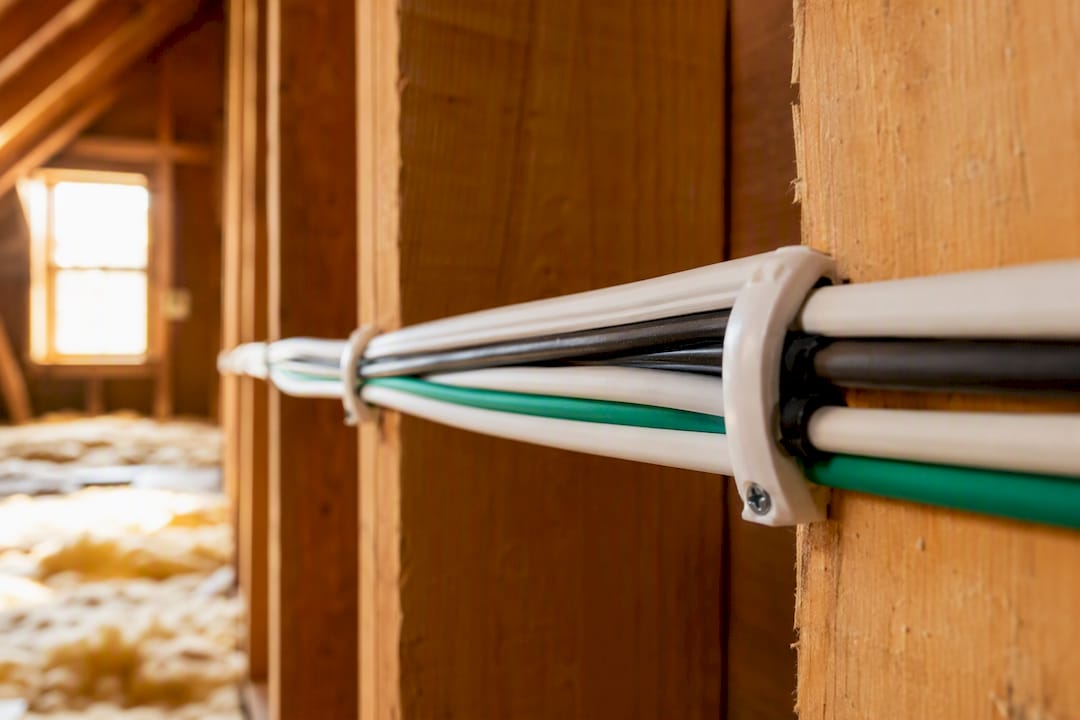
Modern residential wiring solves nearly every structural weakness knob-and-tube carries. Non-metallic sheathed cable, commonly known by the brand name Romex, bundles a hot wire, neutral wire, and ground conductor together inside one protective jacket, which eliminates the separated, ungrounded runs that make knob-and-tube risky. Grounding alone resolves the biggest safety gap, since it gives fault current a safe path back to the panel instead of through whatever happens to be nearby, including a person.
Arc-fault circuit interrupters and ground-fault circuit interrupters, now standard in most new construction, detect dangerous arcing or current leaks and cut power before a spark becomes a fire. Retrofitting AFCI and GFCI breakers into an electrical panel is often one of the first steps electricians take even before a full rewire, because it buys meaningful protection while the larger project gets scheduled.
For homeowners weighing a full rewire against smaller upgrades, panel capacity matters as much as the wiring itself. A modern 200-amp panel supports far more simultaneous appliance use than the 30 or 60-amp service common in houses built during the knob-and-tube era. Upgrading the panel alongside the wiring, rather than treating them as separate projects, usually saves money and avoids doing the same demolition twice.
Legal Status and Code Compliance for Existing Systems
Knob-and-tube wiring occupies a strange legal middle ground. It’s rarely illegal to leave in place, and most jurisdictions won’t force a homeowner to rip it out simply because it’s old. What’s prohibited almost everywhere is new installation, since current code requires grounded conductors that knob-and-tube physically cannot provide.
Where it gets complicated is renovation. Pulling permits for a kitchen remodel, a room addition, or a panel upgrade frequently triggers a code review of the affected circuits, and inspectors may require any knob-and-tube wiring in that specific area to be brought up to current standards before they’ll sign off. This is a common surprise for homeowners who assumed their old wiring was grandfathered in indefinitely. It’s grandfathered until you touch it.
Disclosure laws add another layer. Sellers in most states are required to disclose known knob-and-tube wiring to buyers, and a home inspection report documenting its presence becomes part of the transaction record whether or not the seller mentions it upfront. That paper trail matters later, particularly if an insurer or lender raises the issue after closing and the buyer needs to show it was disclosed and accounted for in the sale price.
What Actually Matters Once You Move Past the Fear
The conventional advice on knob-and-tube wiring tends to swing between two extremes: either it’s a ticking time bomb that demands immediate gutting, or it’s fine because “the house has stood for eighty years.” Both miss the point. Age alone doesn’t condemn a wiring system, and age alone doesn’t clear it either. What matters is the specific, checkable condition of the circuits in front of you.
Where most homeowners go wrong is treating the electrician’s visit as a formality instead of an information-gathering step that shapes real decisions, financing, negotiation, insurance. A five-minute attic glance from a general contractor isn’t the same as a licensed electrician tracing circuits and noting exactly which ones are active.
If you take one thing from this, prioritize documentation over guesswork. A written record of what’s active, what’s damaged, and what’s already certified safe is worth more than any blanket rule about knob-and-tube being good or bad. That record is what gets you insurance approval, a fair price adjustment, or peace of mind. Everything else is secondary.
— JOHN
Sources
- Knob-and-Tube Wiring – InterNACHI®
- Knob and tube wiring – Wikipedia
- Knob and tube wiring concerns: safety and insurance – Structure Tech Home Inspections
- Knob & Tube Electrical Wiring Safety – InspectAPedia
Recent Comments