
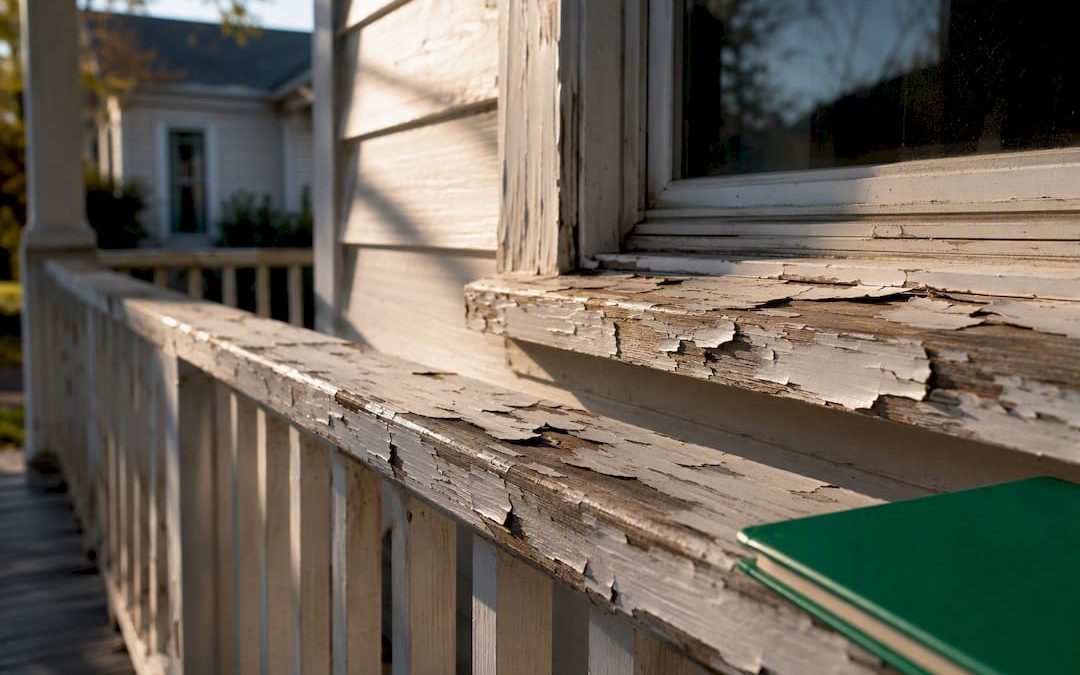
Peeling paint can absolutely stop an FHA loan, but only under specific conditions. If the home was built before 1978, defective paint almost always requires correction before closing, because it triggers federal lead-based paint rules. If the home was built in 1978 or later, peeling paint usually only matters when it exposes bare wood, invites decay, or creates a safety hazard.
TL;DR:
- Peeling paint on homes built before 1978 must be corrected using lead-safe methods before FHA approval, or it can delay or prevent closing.
- For homes built after 1978, paint issues only matter if they expose wood, invite decay, or pose safety hazards.
- Proper assessment thresholds and lead-safe repair methods are critical to avoid delays, with size and location influencing whether repairs are necessary.
- Early professional home inspections with lead risk assessments can identify issues before appraisers flag them, streamlining the approval process.
- Large-scale or exterior lead remediation can significantly increase repair time and costs, potentially extending closing by weeks or months.
Table of Contents
- FHA Peeling Paint Rules for Homes Built Before 1978
- FHA Rules for Homes Built in 1978 or Later: Cosmetic vs. Required Repair
- How HUD Measures “Defective Paint”: The De Minimis Thresholds
- Acceptable Repair Methods Under HUD’s Lead-Safe Rules
- Buyer and Seller Checklist for Resolving Peeling Paint Fast
- Timeline and Cost Factors When Paint Delays an FHA Closing
- What a Home Inspection Adds That the Appraisal Won’t Catch
- Where to Verify FHA Paint Rules Yourself
- Why the “Just Repaint It” Advice Misses the Point
- How Hunt Home Inspection Helps You Clear FHA Paint Conditions Faster
- Sources
FHA Peeling Paint Rules for Homes Built Before 1978
Homes built before 1978 sit under a different legal framework than everything built after, and it has nothing to do with FHA preference. It’s federal law. Lead-based residential paint was banned in 1978, and any home built before that date is presumed to carry it unless proven otherwise.
Under the Home Inspection guidance published by HUD, sellers of pre-1978 properties must provide a federal lead-based paint disclosure, and buyers get up to 10 days to order a lead inspection or risk assessment before they’re bound to the contract. That window exists because Congress decided buyers deserve a real chance to find out what’s in the walls before they own them.
FHA layers its own requirement on top of the disclosure rule. HUD 4000.1 instructs appraisers to flag any defective paint condition, chipping, peeling, cracking, or chalking, on pre-1978 properties and treat it as a required repair, not a cosmetic note. Under 24 CFR Subpart O, that correction has to happen using lead-safe methods before the loan can be endorsed.
Here’s what usually happens once an appraiser flags a pre-1978 defect:
- The appraiser notes the location, approximate size, and condition of every affected surface.
- The report goes back to the lender marked “subject to” repair, meaning the loan can’t close as-is.
- The seller (or buyer, depending on the contract) arranges lead-safe correction.
- A follow-up inspection confirms the fix before the appraisal is finalized.
Buyers can waive the 10-day inspection period if they choose, but waiving it doesn’t waive the underlying lead rule. It just means the buyer gave up their own chance to check for hazards before becoming contractually committed, a real risk worth weighing carefully before signing anything.
FHA Rules for Homes Built in 1978 or Later: Cosmetic vs. Required Repair
Post-1978 construction doesn’t carry the automatic lead presumption, so appraisers approach peeling paint differently. The question shifts from “is this lead?” to “is this a durability or safety problem?” Chalking paint on a covered porch that isn’t exposing wood usually gets a pass. Paint that’s peeled down to bare siding on a north-facing wall usually doesn’t.
FHA appraisal standards focus on whether the substrate underneath is exposed to weather, whether the failure signals rot or structural decay, and whether the location creates a safety issue for occupants. A few components come up again and again in appraisal reports:
- Exterior siding and trim. Peeling that exposes wood invites moisture intrusion and gets flagged almost every time.
- Decks, railings, and stairs. Cracked or flaking paint on a structural handrail is treated as a safety item, not decoration.
- Window sills and frames. Sills take constant water exposure, so failing paint here often signals early rot underneath.
- Porches and entry steps. High-traffic surfaces with peeling paint tend to draw extra scrutiny because they’re both visible and load-bearing.
- Garage doors and trim. Cosmetic in most cases, unless the substrate is compromised.
A porch ceiling with light surface chalking is a cosmetic note. A window sill with paint curling away from soft, spongy wood is a required repair, because the appraiser isn’t grading paint quality. They’re grading whether the house will hold up.
How HUD Measures “Defective Paint”: The De Minimis Thresholds
Appraisers don’t flag every flake of paint they see. HUD built specific size thresholds into its inspection framework so the process doesn’t turn into a judgment call every single time.
Under NSPIRE Standards v2.1, a defective paint condition becomes reportable based on specific size thresholds for large interior surfaces, small components, and exterior surfaces.
Pro Tip: Measure before you panic. A single 8 by 4 inch peeling patch on a window sill sounds alarming, but it’s a fraction of a square foot. Multiply out the actual affected area before assuming it crosses a threshold.
The math matters because appraisers aggregate similar defects rather than counting each one in isolation:
- Several small peeling spots on the same wall get added together, not treated as separate minor issues.
- A door with chipped paint on both the frame and the sill counts toward that single component’s percentage.
- Once a room or component crosses the threshold, the appraiser typically marks it with a “VC” (value condition) notation, requiring the file to move forward as an “as-repaired” appraisal pending correction and reinspection.
This is exactly why two houses with similar-looking peeling paint can get completely different appraisal outcomes. One stays under threshold and closes on schedule. The other gets flagged, delayed, and sent back for a second look.
Acceptable Repair Methods Under HUD’s Lead-Safe Rules
Not every fix qualifies, and that’s the part sellers get wrong most often. HUD doesn’t just want paint that looks better. It wants paint applied or removed in a way that doesn’t spread lead dust in the process.
24 CFR Subpart O lays out a tiered set of acceptable treatments:
- Covering. Adding new wallboard, siding, or trim over a defective surface, without disturbing the paint underneath.
- Replacement. Swapping out an entire component, like a window sash or a section of trim, rather than treating the surface in place.
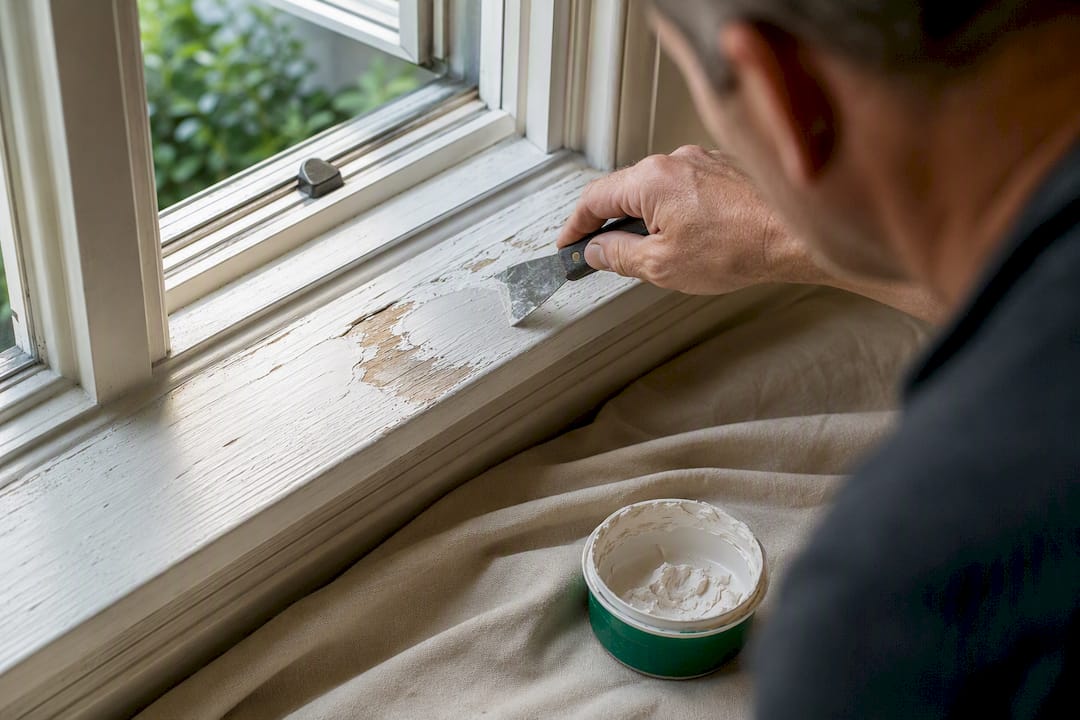
- Limited scraping and repainting. Small, isolated spots can sometimes be hand-scraped and repainted without triggering full abatement, as long as dust containment steps are followed.
Some methods are banned outright because they aerosolize lead dust: open-flame paint removal, dry sanding or grinding without HEPA vacuum attachments, and uncontained power washing on painted surfaces. These aren’t optional guidelines. Using them on a pre-1978 home can invalidate the repair entirely.
Pro Tip: If the defective area is small and isolated, a general contractor using lead-safe practices may be enough. If the home has extensive peeling across multiple rooms or exterior walls, bring in a certified lead-safe renovator or a licensed risk assessor before work starts, not after.
Buyer and Seller Checklist for Resolving Peeling Paint Fast
Getting past a peeling paint flag comes down to documentation and speed. Here’s the order that tends to work:
- Order a full home inspection, plus a targeted lead risk assessment if the home predates 1978. An appraisal is not a substitute for either one; appraisers check marketability and collateral risk, not the full condition of the structure.
- Document every defect location with photos and approximate square footage before negotiating anything.
- Get a written repair scope from a contractor that specifically references lead-safe work practices where applicable.
- Decide who pays and when. Options include the seller completing repairs before closing, using a repair escrow or an FHA 203(k) loan to fund the work, or the buyer covering costs directly if leverage allows.
- Keep receipts and certificates from any lead-safe contractor for the lender’s file.
- Schedule the reinspection promptly so the appraiser can issue the “as-repaired” sign-off without a second delay.
- Loop in the lender and appraiser early so nobody’s surprised by a revised timeline.
A buyer’s home inspection done early in the process tends to catch these issues before the appraisal does, which gives everyone more room to negotiate calmly instead of scrambling against a closing date.
Timeline and Cost Factors When Paint Delays an FHA Closing
Small, isolated repairs, one window sill, a single porch railing, typically add days to a week or two to closing. The appraiser flags it, the seller hires someone to fix it correctly, and a reinspection confirms the work. That’s usually the whole cycle.
Larger jobs move slower. Exterior lead remediation across multiple walls, or full component replacement, can add several weeks to a couple of months once certified contractors, containment setup, and clearance testing enter the picture.
Cost depends on a handful of variables:
- Total square footage of defective paint, interior and exterior combined.
- Whether certified lead-safe labor is required, which costs more than standard painting.
- Regional labor rates, since remediation pricing varies significantly by market.
- Whether the fix is a spot repair or a full component replacement.
If a seller refuses to cooperate, buyers still have options: a repair escrow that holds funds until work is completed, an FHA 203(k) loan that finances the repair into the mortgage, or simply walking away from that property and looking elsewhere.
What a Home Inspection Adds That the Appraisal Won’t Catch
An FHA appraisal answers one question: is this house worth the loan amount and safe enough to lend against? It was never built to catch everything wrong with a property. A home inspection digs into the parts an appraiser walks past, including moisture behind siding, soft wood under a windowsill, and rot hiding beneath paint that looks fine from six feet away.
That distinction matters most exactly where peeling paint shows up, because paint failure is often a symptom, not the actual problem.
- Moisture intrusion behind failing exterior paint
- Wood rot or substrate decay under sills, trim, and railings
- Structural softness in decks and porch framing tied to long-term water exposure
Jhunthomeinspections documents these findings with photos and measurements the same way appraisers expect to see them, and organizes them through the Create Request List™, so sellers get a clear, specific scope instead of a vague “fix the paint” note. That specificity is often what gets a repair scheduled and completed without a second round of back-and-forth with the lender.
Photographing each defective area, noting whether substrate is exposed, and providing square-foot estimates in the report lets the appraiser and lender accept a concrete repair scope without repeated delays.
Where to Verify FHA Paint Rules Yourself
Read the primary sources directly rather than relying on secondhand summaries. HUD 4000.1 covers appraiser instructions for defective paint. 24 CFR Subpart O spells out lead treatment requirements, and NSPIRE’s visual assessment standard defines the size thresholds appraisers apply.
Why the “Just Repaint It” Advice Misses the Point
Most advice on FHA peeling paint treats it as a paperwork problem: repaint the spot, get the reinspection, move on. That framing misses what actually causes closing delays. The paint itself is rarely the expensive part. What’s underneath it is.
I’d argue the conventional advice underweights the value of an early, independent inspection. Buyers wait for the appraiser to flag paint issues, then scramble to find a contractor under deadline pressure. That’s backward. A home inspection ordered during the standard contingency period catches these defects before they become a closing crisis, and gives buyers leverage to negotiate repairs calmly rather than reactively.
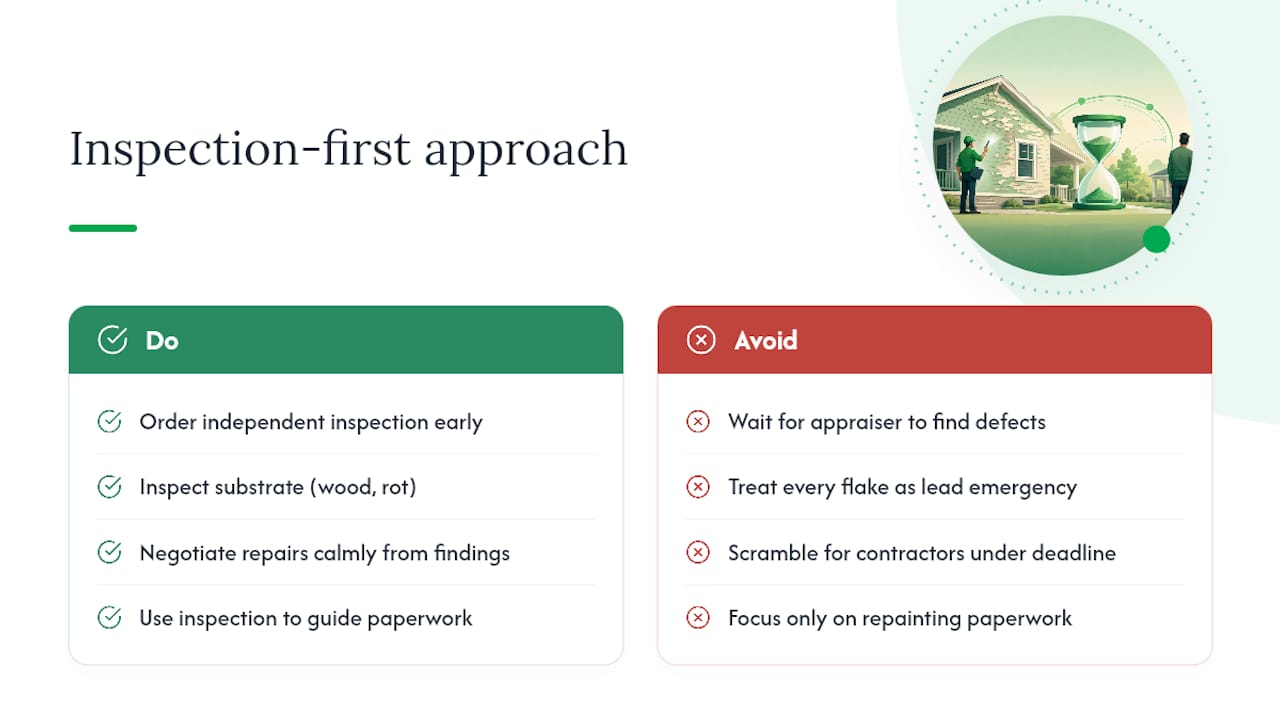
The other overlooked point: not all peeling paint is equal, and treating every flake as a lead emergency wastes time on 1978-plus homes where the real issue is rot, not regulation. Read the substrate, not just the surface. If wood underneath is soft or discolored, that’s the finding worth pursuing, appraisal flag or not.
Prioritize the inspection first, the paperwork second. The paperwork moves fast once you know exactly what you’re dealing with.
— JOHN
How Hunt Home Inspection Helps You Clear FHA Paint Conditions Faster
Jhunthomeinspections gives St. Louis Metro and Southern Illinois buyers something a rushed appraisal reinspection can’t: a documented, photo-backed scope of every defective paint area before it becomes a closing delay. Our buyer inspections include lead-aware assessment of pre-1978 properties, video inspection options for remote buyers, and full reports delivered within 24 hours, so you’re not guessing what the appraiser will flag next.

Paying at close means you can order the inspection now without adding upfront cost to an already tight FHA budget. If a lender or seller needs a clear repair scope with measurements and lead-safe method notes attached, that’s exactly what our reports are built to deliver. Visit our inspection services page to schedule an inspection and keep your FHA transaction moving toward closing.
Recent Comments