
VA Minimum Property Requirements (MPRs) are the VA’s baseline standards for a home to qualify for a VA loan: the property must be safe, sound, and sanitary. If the appraiser flags an MPR violation during the VA appraisal, the loan cannot close until the seller or buyer fixes the problem and the fix gets verified. That’s the entire concept in one sentence, but the mechanics behind it decide whether your closing happens on schedule or is delayed.
TL;DR:
- Most MPR violations are related to safety hazards, structural integrity, or sanitation issues like roof leaks, foundation cracks, or contaminated water sources.
- Private home inspections reveal hidden problems such as deteriorating systems or unseen damages that appraisals often overlook, helping prioritize repairs early.
- Repair verification requires signed contractor statements, receipts, or reinspection reports, with major issues possibly adding weeks to the closing timeline.
- Preparing a thorough walkaround and gathering documents before the appraisal can prevent surprises and expedite repair approvals.
- Relying solely on the VA appraisal without proactive inspections and contractor estimates risks delays or failed closings due to flagged issues.
Table of Contents
- What Are VA MPRs and Why Do the Three Pillars Matter?
- VA Appraisal vs. Private Home Inspection: Why You Need Both
- The Complete MPR Checklist: What Appraisers Actually Check
- What Happens When a Property Fails MPRs
- How to Prepare Before the Appraisal: A Buyer’s Checklist
- Why a Professional Inspection Catches What the Appraisal Misses
- Don’t Let the Appraisal Be Your Only Safety Net
- Get Ahead of MPR Problems Before They Delay Your Closing
- Where to Verify the Official MPR Rules
- Sources
What Are VA MPRs and Why Do the Three Pillars Matter?
MPRs exist for one practical reason: the VA guarantees part of the loan, so it has a direct financial stake in making sure the collateral (your house) won’t fall apart or make you sick. The standard isn’t about granite counters or curb appeal. It’s a floor, not a ceiling, and it’s spelled out for appraisers in VA Lenders Handbook Chapter 12, the source every appraiser and lender ultimately answers to.
The three pillars break down like this:
- Safe means no immediate physical hazards. Exposed wiring, a rotted deck ready to collapse, or a stairway missing a handrail all count.
- Sound means the structure and systems work as intended and will hold up. A roof with active leaks or a furnace that can’t heat the home fails here, even if nothing looks dangerous today.
- Sanitary means the home won’t make anyone sick. Contaminated well water, a failing septic system, or raw sewage backup all trigger this pillar.
Here’s what surprises a lot of first-time VA buyers: MPRs are narrower than a full home inspection. The appraiser isn’t grading paint color or judging whether the kitchen is dated. They’re checking whether the house clears a specific, itemized bar, and that bar is documented in the Basic MPR Checklist that VA staff appraisal reviewers use to confirm compliance. If you want the exact language regulators use, it’s also codified in eCFR Title 38, Part 36.
VA Appraisal vs. Private Home Inspection: Why You Need Both
The VA appraisal and a private home inspection are not the same service, and confusing them is probably the single most expensive mistake a VA buyer can make. The appraiser works for the lender. Their job is to confirm the home’s market value and check that it clears the MPR bar, then issue a Notice of Value (NOV) that documents both. That’s it. They typically don’t run every appliance, snake a sewer line, or climb into a crawlspace with a flashlight looking for termite frass.
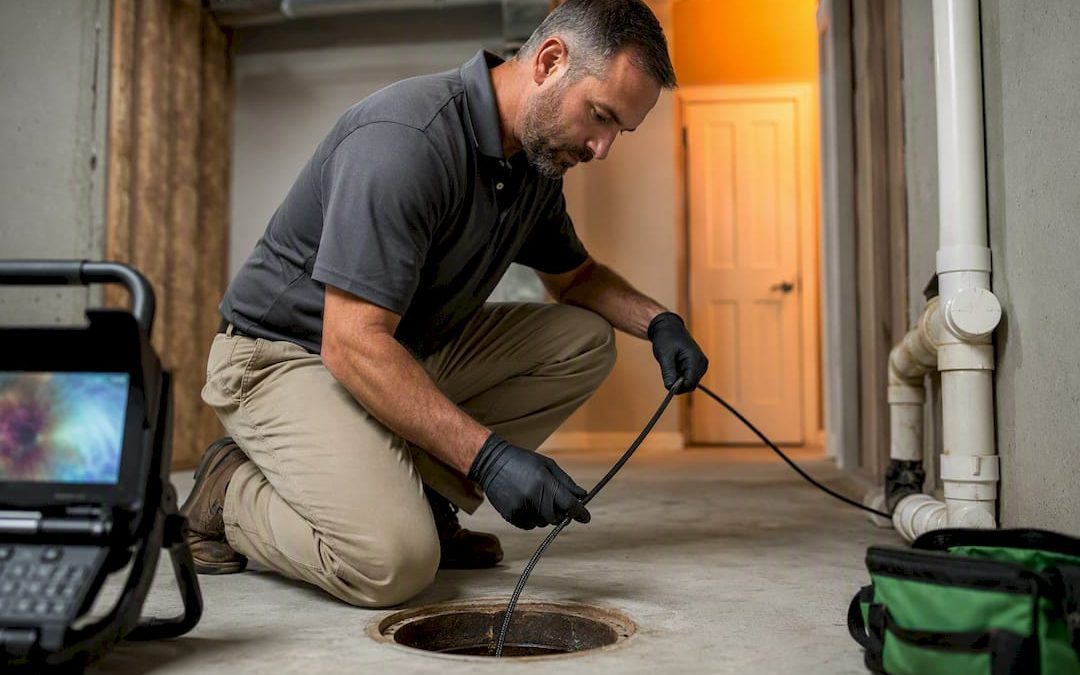
A private inspector works for you. They go systems-deep: HVAC performance under load, sewer line condition via camera, moisture readings behind walls, electrical panel capacity, the kind of detail an appraiser has no obligation to chase because it isn’t on their form.
Consider what each one catches:
- Appraiser catches: missing handrails, obvious roof damage, exposed wiring, nonfunctioning HVAC visible at a glance.
- Inspector catches: a furnace that runs but is on its last season, a sewer lateral cracked six feet underground, attic moisture from a slow roof leak with no visible stain yet.
Buyers who skip the private inspection and lean only on the appraisal often find out about a $9,000 sewer repair the week they move in, according to Freedom Mortgage’s guidance on VA inspection requirements. Ordering an inspection early, before or right alongside the appraisal, gives you time to negotiate repairs instead of scrambling after an MPR flag already threatens your closing date.
Pro Tip: Schedule your private inspection before the appraiser’s visit whenever your contract timeline allows it. If your inspector flags a roof or plumbing issue that overlaps with an MPR category, you can get repair quotes moving before the appraiser ever shows up.
The Complete MPR Checklist: What Appraisers Actually Check
Here’s the itemized version, organized the way appraisers actually think about it: structural, mechanical and utilities, sanitary and livability, and site and safety.
1. Structural integrity
The roof needs to keep water out with useful life remaining, not three years from a full replacement. Appraisers look for sagging rooflines, visible foundation cracks wider than hairline, and rot in structural framing members. A house standing crooked or with a bowing foundation wall gets flagged regardless of how good the rest of the property looks.
2. Mechanical systems and utilities
The home needs a heating system capable of maintaining a healthy temperature in all habitable rooms, typically defined as around 50 degrees Fahrenheit in colder climates, without relying on portable space heaters. Electrical service has to be safe: no exposed knob-and-tube wiring, no overloaded panels, no missing covers on outlets or junction boxes. Plumbing has to deliver adequate hot and cold water, and the connection to public sewer or a functioning septic system is mandatory. A septic system that’s failing or a well that tests positive for contamination both stop the loan cold.
3. Sanitary and livability standards
Every home needs a working toilet, a functioning kitchen with a way to prepare and store food safely, and enough livable space for the household. The VA doesn’t set a minimum square footage nationwide, but the appraiser will flag a home that’s clearly too small or laid out in a way that doesn’t support basic living (a house with no functioning bathroom, for instance).
4. Site conditions and safety hazards
Drainage matters more than most buyers expect. Standing water against the foundation, poor grading that channels water toward the house, or a property in an area with unresolved flood exposure can all trigger an MPR review. Access to the property has to be reasonable (a private road in usable condition, for example). Encroachments, like a neighbor’s fence built onto your lot, can also raise flags. If the home was built before 1978, peeling, chipping, or cracking paint gets specific attention because of lead paint risk, and the appraiser will typically require it be scraped, treated, and repainted before approval. Active evidence of wood-destroying organisms, meaning visible termite damage or infestation, not just a clean WDO report, also triggers a repair requirement.
5. Nonresidential use limits
If part of the property is used for something other than living space, a home office, a small workshop, a rental unit, the nonresidential portion generally must be limited so it does not compromise the residential character or marketability of the property.
Appraisers accept specific forms of documentation to clear a flag: signed statements from licensed contractors, paid repair receipts, and in some cases a formal reinspection report confirming the fix. The VA Lenders Handbook Chapter 12 spells out exactly what qualifies, and it’s worth reviewing if you’re negotiating repairs with a seller who’s pushing back on scope. For termite-specific documentation, a WDO inspection report tailored to VA loan requirements explains what lenders expect to see.
What Happens When a Property Fails MPRs
An MPR failure doesn’t kill the deal, but it does freeze it. The transaction cannot proceed to closing until the required repairs are completed and verified, a rule confirmed directly in VA guidance on inspection requirements. What that verification looks like depends on the issue:
- A licensed contractor’s signed completion statement for straightforward repairs.
- Paid receipts showing the work was actually done, not just quoted.
- A formal reinspection by the appraiser, followed by an updated NOV confirming the property now meets standard.
Timeline matters here, and it varies wildly by issue. A single leaking roof vent or a missing handrail might add a few days if the seller moves fast. Major foundation problems or an active wood-destroying organism infestation often require licensed specialists and can add real weeks to your closing timeline, since those repairs typically need their own inspection and sign-off before the appraiser will reconsider. The fastest path through this is usually getting contractor estimates locked in before the appraisal even happens, so if something gets flagged, you’re not starting the bidding process from zero.
Some MPR issues escalate the paperwork further. Active flood risk can trigger a request for an elevation certificate. Structural concerns beyond a general appraiser’s expertise can trigger a request for a full engineering report. Both add time, and both are worth anticipating if your property has any history of water intrusion or visible structural movement.
How to Prepare Before the Appraisal: A Buyer’s Checklist
You can’t control the appraiser’s checklist, but you can control how much ammunition they find when they show up. Work through this before the appraisal date:
- Walk the roof line from the ground and look for sagging, missing shingles, or damaged flashing around chimneys and vents.
- Check visible drainage around the foundation after a rain if possible; standing water near the house is one of the most common flags.
- Confirm every utility is on and working, water, gas, electric, before the appraiser’s visit. A vacant home with utilities shut off can delay the entire appraisal.
- Inspect trim, siding, and window frames for peeling paint, especially on any home built before 1978.
- Gather permits and repair receipts for any past work on the roof, HVAC, electrical, or plumbing systems, since documentation speeds up verification if something gets questioned later.
Ask the seller directly about recent repairs, whether any work was permitted, and whether they have a WDO or septic inspection report on file. Ask your lender when the appraisal is scheduled and how they typically handle NOV updates after repairs, since some lenders move faster than others on reinspection paperwork.
Beyond the appraisal itself, certain add-on inspections are worth the money on specific properties: a termite/WDO inspection if the home is in a high-risk region or shows any wood damage, a radon test if you’re in an area with known radon geology, and a sewer camera inspection on any home over 25 years old with clay or cast iron lateral lines. A general pre-purchase inspection checklist can help you decide which add-ons apply to your specific property before you spend money on all of them.
Pro Tip: If your lender is using a specific mortgage program alongside your VA loan, check with a resource like First Choice Home Loan’s VA purchase guide to understand how appraisal timing interacts with your loan approval steps.
Why a Professional Inspection Catches What the Appraisal Misses
The most expensive MPR surprises rarely show up on the surface. An active roof leak might only show as a faint stain in an attic corner. Rot hiding behind siding doesn’t announce itself until a moisture meter finds it. An HVAC system near failure can still blow cold or hot air the day the appraiser visits, then quit two months later.
A private inspection, ordered early and paired with a fast report, gives buyers and agents time to act before these issues become MPR flags that stall closing. Tools like proprietary inspection software can help coordinate exactly which repairs need to happen and who’s handling them, buyer, seller, or contractor, without the back-and-forth confusion that eats up a closing timeline.
- Order the inspection as early as your contract allows, ideally before the appraisal.
- Prioritize any finding that overlaps with known MPR categories: roof, electrical, plumbing, structural.
- Get contractor estimates on flagged items immediately, since pricing delays are often the real bottleneck, not the repair work itself.
Don’t Let the Appraisal Be Your Only Safety Net
MPR failures are a hard stop. The loan does not close until the appraiser’s flag is resolved and verified, full stop, no workaround. That’s precisely why treating the VA appraisal as your only line of defense is a mistake I see repeated constantly: the appraiser’s job is narrower than most buyers assume, and by the time an MPR flag appears on paper, you’re already negotiating under a closing deadline instead of on your own timeline.
My honest recommendation is boring but effective: schedule a private inspection early, request documentation on anything questionable before you’re under contract pressure, and line up contractor estimates before the appraiser ever walks the property. Relying solely on the appraisal to catch what’s wrong with a house is a bet most buyers regret making.
— JOHN
Get Ahead of MPR Problems Before They Delay Your Closing
Some inspection companies get VA buyers past MPR surprises faster than waiting on appraisal flags alone, because a detailed inspection report in your hands early means repairs get scoped and quoted before your closing date is at risk. Buyers in various regions may get full inspection reports back quickly, with options for in-person walkthroughs or video inspections for a faster turnaround.

Add-on tests like radon, termite and wood-destroying organism inspections, and sewer camera evaluations target exactly the categories that trip up VA appraisals most often. The Create Request List™ tool keeps buyers, agents, and sellers coordinated on repair items instead of trading emails back and forth while your closing date gets closer. If you’re preparing for a VA appraisal and want to know what your inspector will actually flag before the lender ever sees it, book a VA-focused inspection with Jhunthomeinspections and get your report back the next day.
Where to Verify the Official MPR Rules
For the exact regulatory language, go straight to the source. VA Lenders Handbook Chapter 12 covers the full MPR standard and appraiser instructions. The Basic MPR Checklist gives the quick-reference version used by VA staff appraisal reviewers. For program basics, the VA purchase loan overview is the current official starting point.
Sources
- Basic MPR Checklist
- VA Lenders Handbook Chapter 12
- VA Home Loan Inspection Requirements
- VA Loan Inspection Requirements: Complete List of VA MPRs
Recent Comments