

An inspection for rented property is a formal condition assessment where a landlord or property manager systematically reviews a rental unit to document its physical state, identify maintenance needs, and verify lease compliance. Three distinct types exist: move-in, periodic, and move-out inspections. Each type serves a different purpose but shares one goal: creating a clear, evidence-based record that protects both parties. Most jurisdictions require 24–48 hours written notice before entry, making legal compliance a built-in part of the process. Skipping or rushing inspections is one of the most common and costly mistakes landlords and tenants make.
What is inspection for rented property and how does it work?
A rental property inspection is the industry’s standard term for what many people call a “walkthrough” or “property check.” The formal process covers the physical condition of every room, fixture, and system inside the unit, plus the exterior structure and grounds. Landlords or professional inspectors document findings using written notes, photos, and video recordings.
The rental property inspection process follows a clear sequence:
- Schedule the inspection with proper written notice to the tenant (24–48 hours minimum in most states).
- Prepare a checklist covering every room, including walls, floors, ceilings, windows, doors, plumbing fixtures, appliances, smoke detectors, and HVAC components.
- Walk the property systematically, starting at the exterior and moving room by room through the interior.
- Document findings with timestamped photos and video. Move-in and move-out inspections require at least 50 timestamped photos; periodic inspections require at least 20.
- Record video walkthroughs with narration. Continuous video with narration captures operational details that photos alone miss, such as a faucet dripping or a door that sticks.
- Complete the written report with detailed notes for each item inspected.
- Share the report with the tenant and obtain a signature on the condition document.
The exterior evaluation covers the roof, gutters, siding, foundation, driveway, and landscaping. The interior evaluation covers every room individually, with special attention to kitchens and bathrooms where water damage and mold risk are highest. A consistent checklist format across all inspection types makes condition comparisons defensible and reporting faster.
Pro Tip: Use a digital checklist app that timestamps each entry automatically. Paper checklists are easy to dispute; timestamped digital records are not.

Why are rental property inspections important for tenants and landlords?
Inspections protect both sides of the lease. For landlords, they catch maintenance problems early before a small roof leak becomes a $10,000 repair. For tenants, they establish a documented baseline that prevents unfair security deposit deductions at move-out.
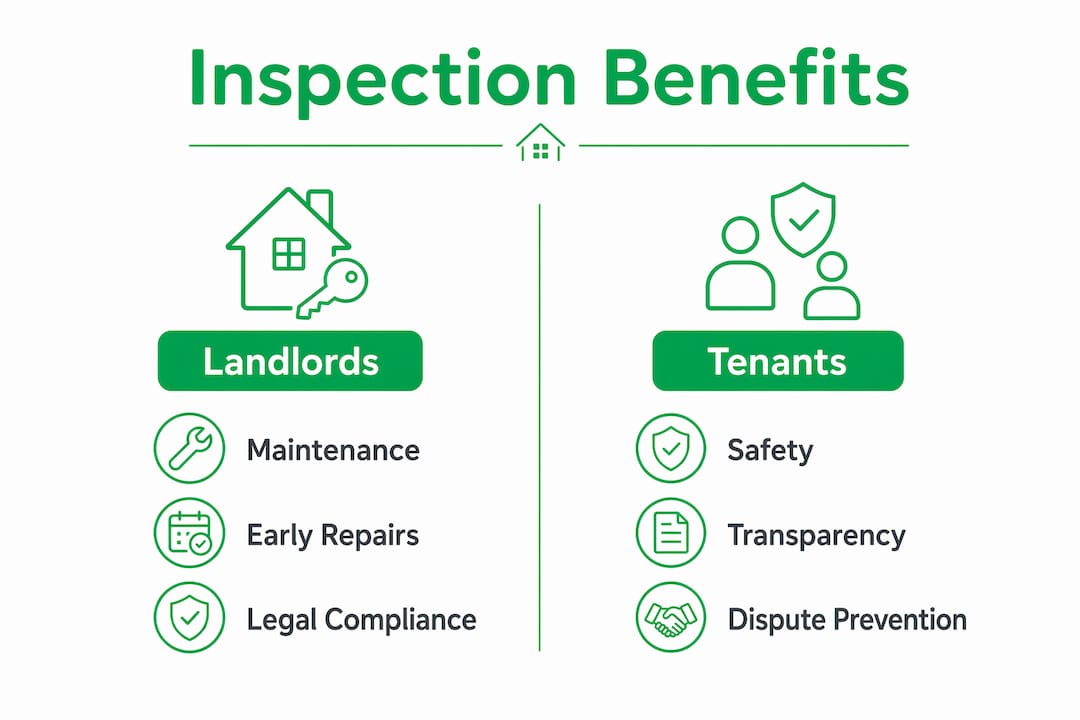
Inspection reports are key legal documents that differentiate tenant-caused damage from normal wear and tear. That distinction matters enormously in security deposit disputes, which are among the most common conflicts in landlord-tenant law. A detailed report with photos gives both parties enforceable evidence if a dispute reaches a housing court or mediation.
Safety compliance is another direct benefit. Inspections confirm that smoke detectors, carbon monoxide alarms, and HVAC systems meet local safety codes. A landlord who discovers a faulty smoke detector during a periodic inspection and fixes it immediately has both protected the tenant and reduced liability exposure.
“Routine inspections are not about policing tenants. They are about protecting the property and preventing disputes through transparency. Proactive inspections improve tenant-landlord relations and reduce risk for everyone involved.” — Rental Housing Journal
Inspections build trust by creating evidence-based, transparent records that support maintenance requests and dispute resolution. Tenants who see their landlord conducting thorough, professional inspections are more likely to report problems early rather than hiding them. That transparency reduces the financial risk for both parties over the full term of the lease. Understanding the importance of property inspections goes beyond compliance; it is the foundation of a functional rental relationship.
How often should inspections occur and what legal notice is required?
Inspection frequency and notice requirements are two of the most misunderstood areas in rental law. Getting both right protects landlords from liability and protects tenants from harassment.
| Inspection type | Recommended timing | Minimum notice required |
|---|---|---|
| Move-in inspection | Day of or before tenant occupancy | None required; done jointly |
| Periodic inspection | Every 3–6 months | 24–48 hours written notice |
| Move-out inspection | Before cleaning or repairs after vacancy | 24–48 hours written notice |
| Emergency inspection | Immediately upon safety threat | None required by most states |
Periodic inspections every 3–6 months balance property protection with the tenant’s right to quiet enjoyment. Inspecting more frequently than that without cause can cross into harassment territory under landlord-tenant law. Excessive inspections may be considered harassment under state statutes, which can expose landlords to legal liability and lease termination claims.
Written notice is the standard method in most jurisdictions. Acceptable formats include email, text message, or a written letter delivered to the unit. The notice should state the date, approximate time window, and purpose of the inspection. Verbal notice alone is rarely sufficient and creates disputes about whether notice was actually given.
Balanced inspection schedules protect tenant privacy rights while giving landlords the access they need to catch problems early. Emergency exceptions exist when there is an immediate safety threat, such as a gas leak or flooding. Outside of emergencies, the 24–48 hour rule applies without exception in most states.
Pro Tip: Send inspection notices via email and request a read receipt. That creates a timestamped record of delivery that holds up in court far better than a verbal confirmation.
What should tenants and landlords expect during inspections?
Both parties benefit from knowing what the inspection covers and how to prepare. Surprises during an inspection usually signal poor communication beforehand, not actual problems.
What landlords look for
Landlords and professional inspectors focus on these categories during a rented property condition assessment:
- Structural integrity: walls, ceilings, floors, doors, and windows for cracks, water stains, or damage
- Plumbing: faucets, toilets, drains, and under-sink areas for leaks or water damage
- Electrical: outlets, switches, and visible wiring for safety concerns
- Appliances: refrigerator, stove, dishwasher, and washer/dryer connections for proper function
- Safety devices: smoke detectors, carbon monoxide alarms, and fire extinguishers
- Cleanliness and lease compliance: unauthorized pets, subletting, or alterations to the unit
- HVAC: filters, vents, and thermostat function
How tenants can prepare
Tenants who prepare for inspections consistently have fewer disputes and better outcomes. Replace any burned-out light bulbs before the inspector arrives, since a dark room looks like an electrical problem. Clean the unit thoroughly, report any existing maintenance issues in writing before the inspection date, and be present if possible to answer questions and note any disagreements on the spot.
Conducting a move-in inspection jointly with the tenant and obtaining their signature on the condition report sets clear expectations from day one. That signed document becomes the baseline for every future inspection. For move-out inspections, the inspection must happen before any cleaning or repairs to document the true “as-vacated” condition. Cleaning before the inspection creates ambiguity that weakens the landlord’s documentation in any deposit dispute.
If a tenant disagrees with a finding during the inspection, they should note the disagreement in writing on the inspection report before signing. A written objection on the report itself carries far more weight than a complaint made days later.
Key Takeaways
A rental property inspection is the single most effective tool for preventing disputes, catching safety issues early, and protecting both the landlord’s investment and the tenant’s deposit.
| Point | Details |
|---|---|
| Three inspection types | Move-in, periodic, and move-out inspections each serve a distinct legal and practical purpose. |
| Documentation standard | Move-in and move-out inspections require at least 50 timestamped photos to support any deposit claim. |
| Legal notice requirement | Most states require 24–48 hours written notice before a landlord may enter for a periodic inspection. |
| Inspection frequency | Periodic inspections every 3–6 months balance property protection with tenant quiet enjoyment rights. |
| Joint move-in process | Conducting the move-in inspection with the tenant and getting their signature prevents baseline disputes. |
Why I think most landlords are doing inspections wrong
After years of working in property condition assessments, the pattern I see most often is this: landlords treat inspections as a formality rather than a legal document. They snap a few photos on a phone, write vague notes like “kitchen looks fine,” and call it done. Then six months later, when there is a dispute over a damaged countertop, that report is worthless.
The uncomfortable truth is that accuracy matters far more than speed. A rushed inspection report with poor photos and generic notes will not hold up in a housing court or mediation. Accuracy and detail in inspection reports are more valuable than speed; rushing reports weakens their legal enforceability. I have seen landlords lose deposit disputes over damage that was clearly tenant-caused, simply because their documentation was too vague to prove it.
Tenants make the opposite mistake. They assume the inspection is adversarial and either refuse to participate or sign the move-in report without reading it. That signature matters. If you sign a move-in report that says the bathroom tile is in “good condition” and it was already cracked, you own that crack at move-out. Read every line before you sign, and note every disagreement in writing on the report itself.
The best inspections I have seen treat the process as a shared interest. Both parties want a clear record. Both parties benefit from catching a leaking pipe in october rather than discovering mold in march. A professional inspector brings the documentation standards, the checklists, and the objectivity that neither a landlord nor a tenant can fully provide on their own.
— JOHN
Jhunthomeinspections: professional rental inspections in St. Louis
Rental inspections only protect you when the documentation meets a professional standard. Jhunthomeinspections serves landlords and tenants across the St. Louis Metro area and Southern Illinois with thorough move-in, periodic, and move-out inspections that produce detailed, legally defensible reports delivered within 24 hours.

Every inspection includes timestamped photos, video walkthroughs, and written condition assessments that hold up in disputes and satisfy local compliance requirements. Jhunthomeinspections also offers video inspections for landlords and tenants who cannot be present in person. Whether you manage one unit or a full portfolio, their rental inspection services give you the documentation foundation that prevents costly disputes before they start. Contact Jhunthomeinspections to schedule your next inspection and get a report you can actually rely on.
FAQ
What is a rental property inspection?
A rental property inspection is a formal condition assessment where a landlord or property manager documents the physical state of a rental unit, checks for maintenance issues, and verifies lease compliance. It typically covers every room, fixture, and safety device in the property.
How much notice does a landlord need to give before an inspection?
Most states define reasonable notice as 24–48 hours written notice before entry for a non-emergency inspection. Emergency situations such as gas leaks or flooding are exceptions where immediate entry is permitted.
How often can a landlord inspect a rental property?
Periodic inspections every 3–6 months are the recommended standard. Inspecting more frequently without cause may be considered harassment under landlord-tenant law in most states.
What should tenants do to prepare for an inspection?
Tenants should clean the unit, replace burned-out bulbs, report any existing maintenance issues in writing before the inspection date, and be present during the walkthrough to note any disagreements directly on the report.
Can a tenant refuse a rental property inspection?
Tenants generally cannot refuse a lawful inspection where proper notice was given. Refusing entry after valid notice may violate the lease agreement and give the landlord grounds for legal action. Tenants do have the right to object to inspections conducted without proper notice.
Recent Comments