
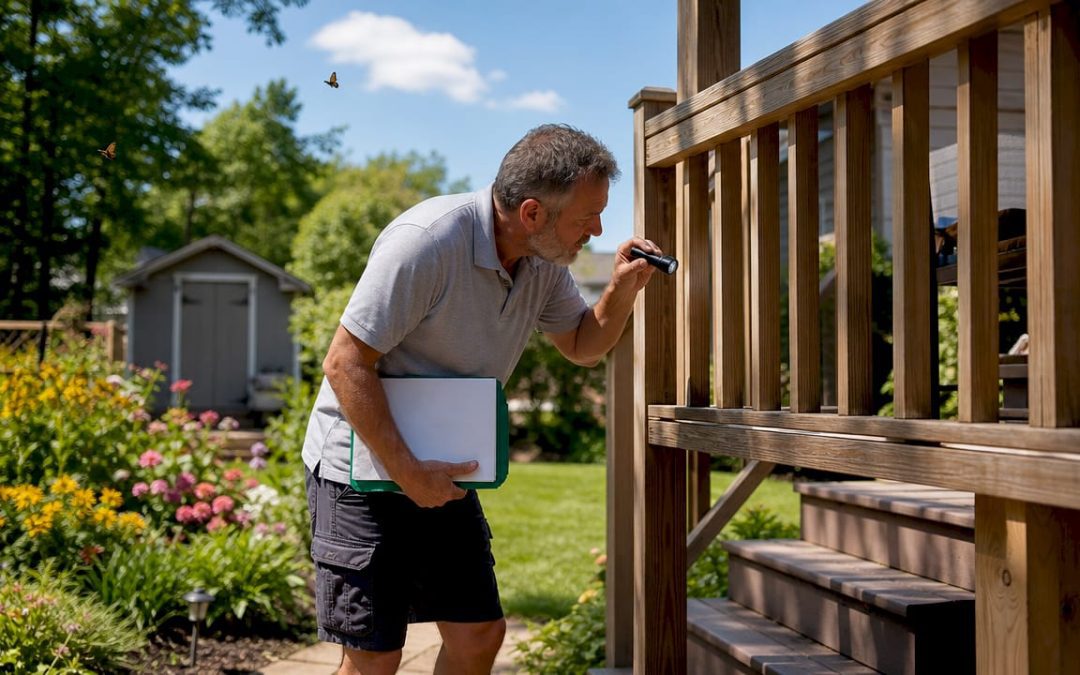
Inspection duration is the single most reliable indicator of how thoroughly a home has been evaluated before you commit to buying it. A standard home inspection on an average-sized single-family home takes 2–4 hours on-site, and that window directly determines how much your inspector can uncover about the property’s condition. Buyers who understand the importance of inspection time walk into negotiations with real data, not guesswork. Jhunthomeinspections works with first-time buyers, veterans, and low-income families across the St. Louis Metro area, and the pattern is consistent: the buyers who get the most protection are the ones who treat inspection time as an investment, not a formality.
Why inspection duration matters for buyers: the core case
Inspection duration matters to buyers because time on-site is the only resource an inspector has to evaluate every system in the home. A thorough inspection covers the roof, foundation, electrical panel, HVAC system, plumbing, insulation, windows, and more. Each of those systems takes time to assess properly. Cut the time short, and something gets skipped.
Rushed inspections commonly omit key system evaluations, leaving buyers exposed to defects that can cost thousands of dollars after closing. That is not a minor inconvenience. A failed HVAC system, a cracked foundation, or faulty wiring can run from several hundred to tens of thousands of dollars to repair. The inspection is the one moment in the buying process where you get an independent, professional look at what you are actually purchasing.
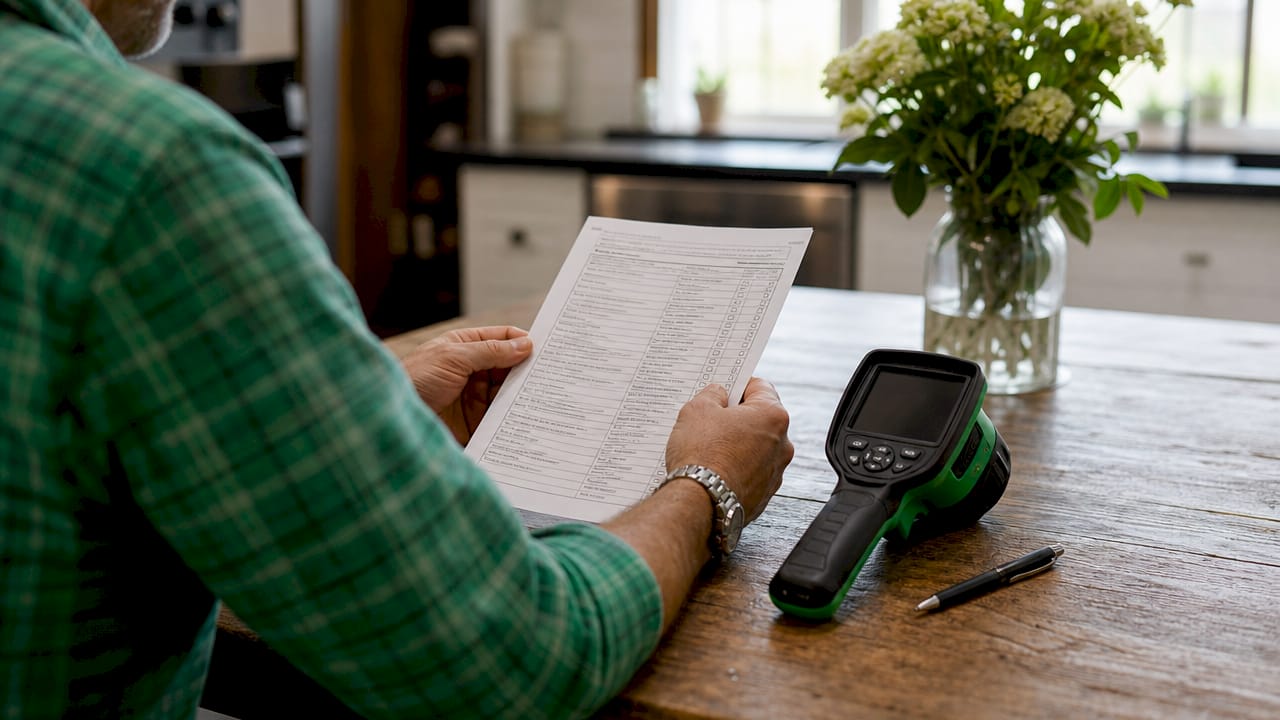
Inspection time is also tied directly to your negotiating position. When an inspector documents defects thoroughly, you have evidence to request repairs, a price reduction, or credits at closing. A rushed report with vague findings gives you very little to work with. The importance of inspection time goes beyond safety. It shapes the financial terms of your deal.
How long do home inspections typically take?
The standard range for a single-family home is 2–4 hours on-site. That range shifts based on four main variables: home size, home age, overall condition, and whether specialty services are added.
Size and age
Smaller homes under 1,000 square feet may take 60–90 minutes to inspect. Larger homes over 3,500 square feet can require 4–6 hours or more. Older homes add time because aging systems, outdated wiring, and older plumbing require closer attention. A 1950s bungalow with original knob-and-tube wiring takes longer to document than a 2015 build with modern systems.
Condition and accessibility
Homes with deferred maintenance or blocked access areas require longer inspection times. More defects mean more photos, more documentation, and more time spent verifying findings. If utilities are off or areas of the home are inaccessible, the inspection slows further. Missing utilities or locked areas can even force a follow-up visit, which eats into your contingency window.
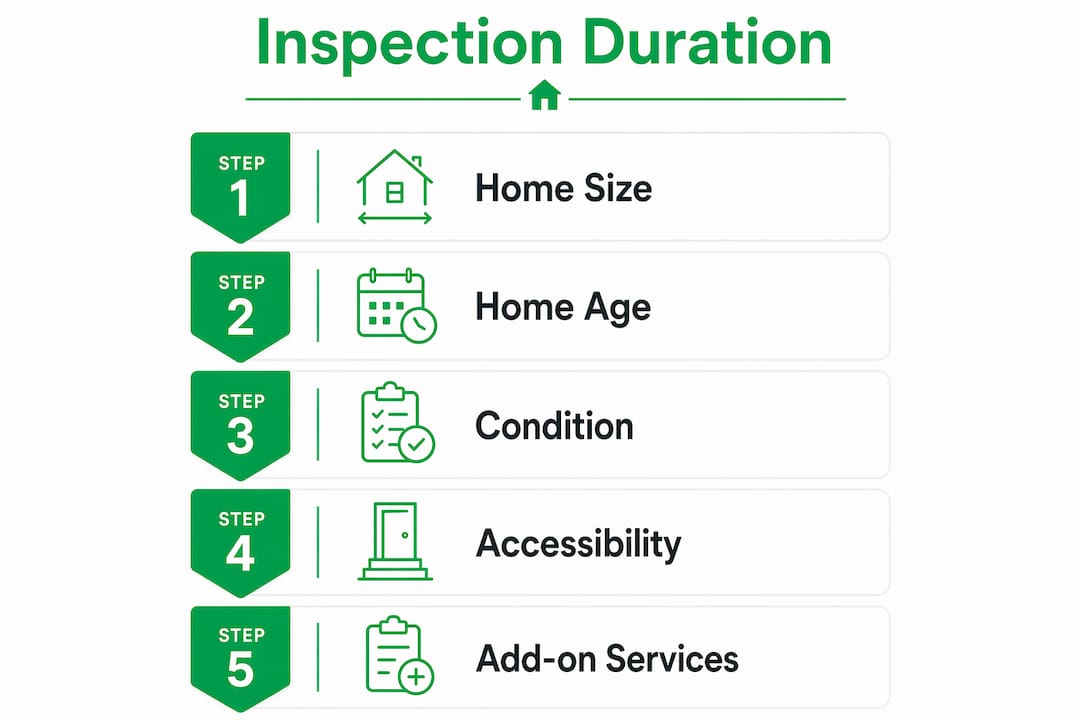
Add-on services
Specialty services like radon testing or sewer scoping add 30–60 minutes or more to the standard inspection. These are not optional extras for most buyers. Radon is a serious health risk, and sewer line failures are among the most expensive repairs a homeowner faces. Scheduling these alongside your standard inspection is the most time-efficient approach.
| Home type | Typical duration |
|---|---|
| Condo or small home under 1,000 sq ft | 60–90 minutes |
| Average single-family home | 2–4 hours |
| Large home over 3,500 sq ft | 4–6 hours or more |
| Home with add-on services (radon, sewer) | Add 30–60 minutes per service |
Does inspection duration affect buyers when defects are missed?
The short answer is yes, and the financial consequences are real. A slower, more careful inspection gives the inspector time to evaluate every system fully, cross-reference findings, and document defects with photo evidence. Speed removes that margin.
“Inspectors finishing under 90 minutes on average-sized homes may be missing key components of a full inspection. A faster pace does not mean a cleaner home. It often means a shallower look.”
Buyers sometimes assume a quick inspection signals a problem-free property. That assumption is wrong. Faster inspections may indicate skipped steps or shallow evaluations, not a clean bill of health. The inspector who spends three hours on a 1,800-square-foot home is doing their job. The one who wraps up in 75 minutes is not.
The financial risk of a missed defect compounds over time. A small roof leak ignored at inspection becomes a mold problem within two years. A cracked heat exchanger in the furnace becomes a carbon monoxide hazard. These are not hypothetical scenarios. They are the outcomes buyers face when inspection time is treated as a box to check rather than a genuine evaluation.
- Electrical defects missed at inspection can create fire hazards and require full rewiring
- Foundation issues overlooked due to rushed timelines can cost $10,000 or more to stabilize
- Plumbing failures undocumented at inspection leave buyers with no negotiating recourse after closing
- HVAC problems skipped in a short inspection often surface in the first winter or summer season
Pro Tip: Ask your inspector upfront how long they expect the inspection to take based on the home’s size and age. If the estimate sounds unusually short, that is a signal worth exploring before you book.
How buyers can use inspection timing strategically
Timing the inspection well is as important as the inspection itself. The home inspection process sits inside a contract contingency window, typically 5–10 days, and every day you delay scheduling reduces your room to act on findings.
- Schedule the inspection immediately after contract acceptance. Delaying inspection scheduling reduces your negotiating power because you have less time to review findings and request repairs before the contingency expires.
- Book specialty services at the same appointment. Bundled inspections save time and help you meet contingency deadlines without sacrificing detail. Radon tests and sewer scopes scheduled separately create scheduling gaps that compress your decision window.
- Attend the final 30–60 minutes of the inspection. Buyer presence during the last phase allows real-time questions and improves your understanding of what the report will say. Attending the full inspection can sometimes slow the inspector down. The final walkthrough is where your time adds the most value.
- Confirm utilities are on and all areas are accessible before inspection day. Locked crawl spaces, off utilities, or blocked attic hatches force the inspector to skip areas or return, both of which cost you time and completeness.
- Review the report the same day it arrives. Reports typically arrive within 24–48 hours after the inspection. Reading it quickly gives you maximum time to consult your agent and decide on repair requests before the contingency deadline.
Pro Tip: If you are buying a home as part of a cash transaction, inspection timing still matters. Cash sale timelines can move faster than traditional closings, which makes scheduling your inspection on day one even more critical.
Common myths about inspection length buyers should ignore
Buyers carry a surprising number of misconceptions about how long inspections should take. These myths lead to poor decisions at a critical moment in the buying process.
- Myth: A faster inspection means a cleaner home. Speed reflects the inspector’s pace, not the property’s condition. An inspector who finishes an average home in under 90 minutes has likely skipped components.
- Myth: You need to attend the entire inspection. Attending the full inspection can actually slow the inspector’s workflow. The best practice is to join the final walkthrough to ask questions and review findings directly.
- Myth: A longer inspection always means serious problems. Duration reflects home size, age, and complexity. A large older home will always take longer than a small newer one, regardless of condition.
- Myth: Rushing the inspection helps close faster. Skipping thoroughness to speed up closing is one of the most expensive decisions a buyer can make. The home inspection checklist exists precisely because every system deserves documented attention.
- Myth: The report tells you everything you need to know without attending. Buyer inquiries during the inspection add context that a written report cannot fully capture. Seeing a defect in person changes how you understand its severity.
Key Takeaways
Inspection duration is the clearest measure of inspection quality, and buyers who respect that time protect their investment, their safety, and their negotiating position.
| Point | Details |
|---|---|
| Standard duration is 2–4 hours | Average single-family homes require this window for a complete evaluation of all systems. |
| Rushed inspections create financial risk | Inspectors finishing under 90 minutes on average homes likely miss key components. |
| Add-on services extend time with purpose | Radon and sewer scope tests add 30–60 minutes but protect against major hidden costs. |
| Attend the final 30–60 minutes | This phase delivers the most buyer value through direct questions and real-time clarification. |
| Schedule immediately after contract | Delaying inspection reduces contingency time and weakens your negotiating position. |
What I have learned after years of watching buyers rush this step
Buyers consistently underestimate how much the clock matters during an inspection. I have seen buyers push for the earliest available slot on a Friday afternoon, then complain that the report felt thin. The inspector was not cutting corners. The buyer had scheduled a three-hour inspection with 90 minutes of daylight left and a locked crawl space.
The homes that generate the most post-closing surprises are not always the oldest or the most visibly worn. They are the ones where the inspection was treated as a scheduling obstacle rather than a genuine evaluation. A buyer who attends the final walkthrough, asks about the furnace age, and follows up on that one damp corner in the basement is a buyer who closes with confidence.
Inspection time is also where the relationship between buyer and inspector matters most. A good inspector will tell you what they found, what it means, and what it will likely cost to address. That conversation takes time. Cutting the inspection short cuts that conversation short too. The inspection day experience is one of the few moments in the buying process where you have a professional working entirely in your interest. Give them the time to do it right.
— JOHN
Jhunthomeinspections: thorough inspections timed for your protection
Jhunthomeinspections serves buyers across the St. Louis Metro area and Southern Illinois with inspections calibrated to home size and complexity, not a fixed clock. Standard inspections follow the 2–4 hour framework, with add-on services like radon testing and sewer scoping available in the same appointment to protect your contingency window.
Reports arrive within 24 hours, and the proprietary Create Request List™ makes it simple to share findings with your agent and act before your contingency expires. Jhunthomeinspections also offers video inspections for buyers who cannot attend in person. Whether you are a first-time buyer or a seasoned investor, schedule your inspection with a team that treats your time, and your investment, seriously.
FAQ
How long does a standard home inspection take?
A standard home inspection on an average single-family home takes 2–4 hours on-site. Smaller homes under 1,000 square feet may take 60–90 minutes, while larger homes over 3,500 square feet can require 4–6 hours or more.
Does adding radon or sewer testing make the inspection longer?
Yes. Specialty services like radon testing or sewer scoping add 30–60 minutes or more to the standard inspection time. Scheduling them in the same appointment is the most efficient approach for buyers working within a contingency window.
Should I attend the entire home inspection?
Attending the full inspection can slow the inspector’s workflow. The best practice is to arrive for the final 30–60 minutes to ask questions directly and review key findings before the written report is delivered.
What happens if the inspection is too short?
Inspectors finishing under 90 minutes on average-sized homes may be skipping key components. A short inspection increases the risk that defects go undocumented, leaving buyers with no negotiating leverage and potential repair costs after closing.
When should I schedule the home inspection after signing a contract?
Schedule the inspection immediately after contract acceptance. Delaying reduces the time available to review findings and submit repair requests before the inspection contingency, typically 5–10 days, expires.
Recent Comments