
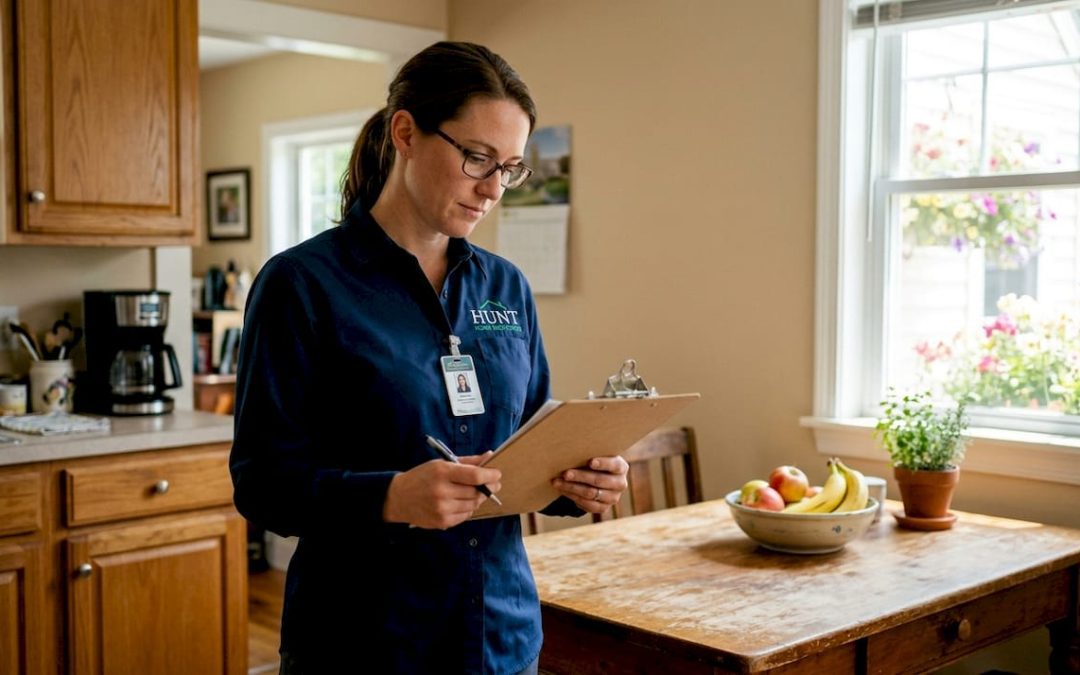
A habitability inspection is a formal evaluation of a residential property to confirm it meets established health, safety, and code compliance standards required for legal occupancy. Regulatory bodies including HUD, the Los Angeles Housing Department (LAHD), and local housing authorities set these standards. The inspection focuses on whether a property is safe and functional, not whether it looks good. Cosmetic issues like scuffed paint or worn carpet fall outside the scope. For tenants and homebuyers alike, understanding what a habitability inspection covers is the first step toward protecting your living conditions and legal rights.
What does a habitability inspection cover?
Habitability inspections focus on safety issues such as smoke detectors, structural stability, and utility function rather than cosmetic defects. That distinction matters because a property can look well-maintained while hiding serious hazards like exposed wiring or a failing furnace.
Structural integrity
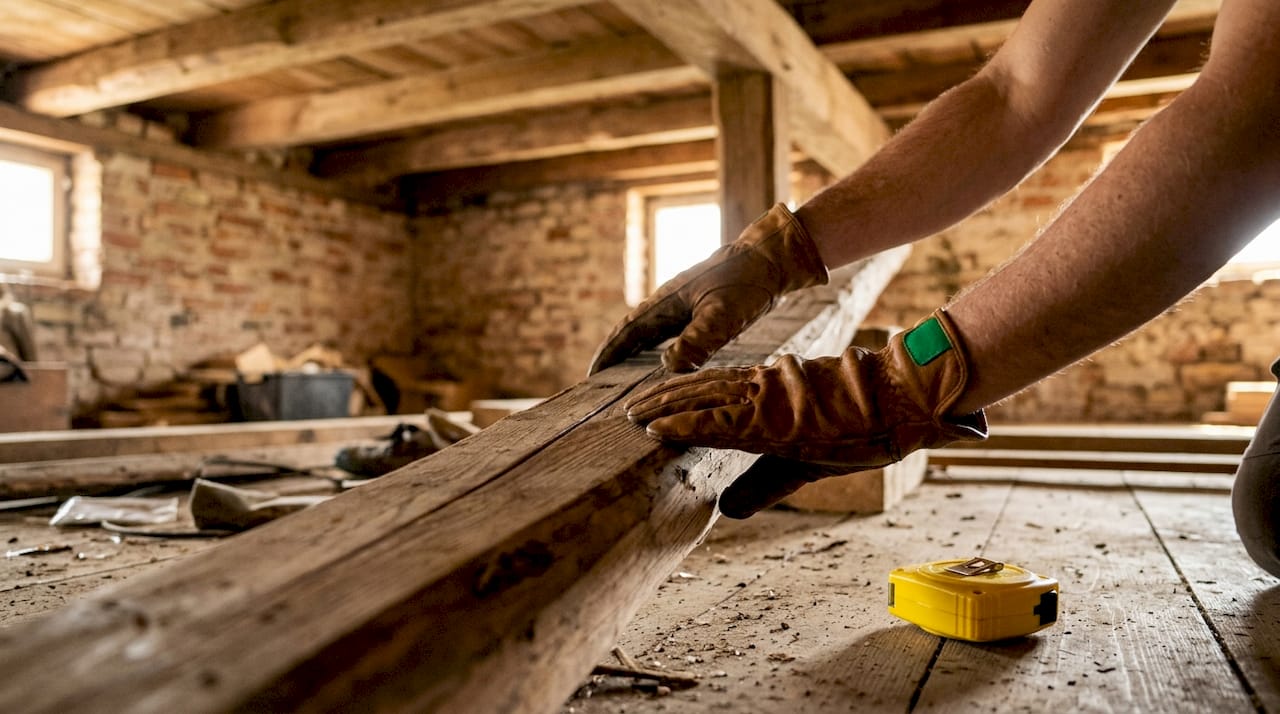
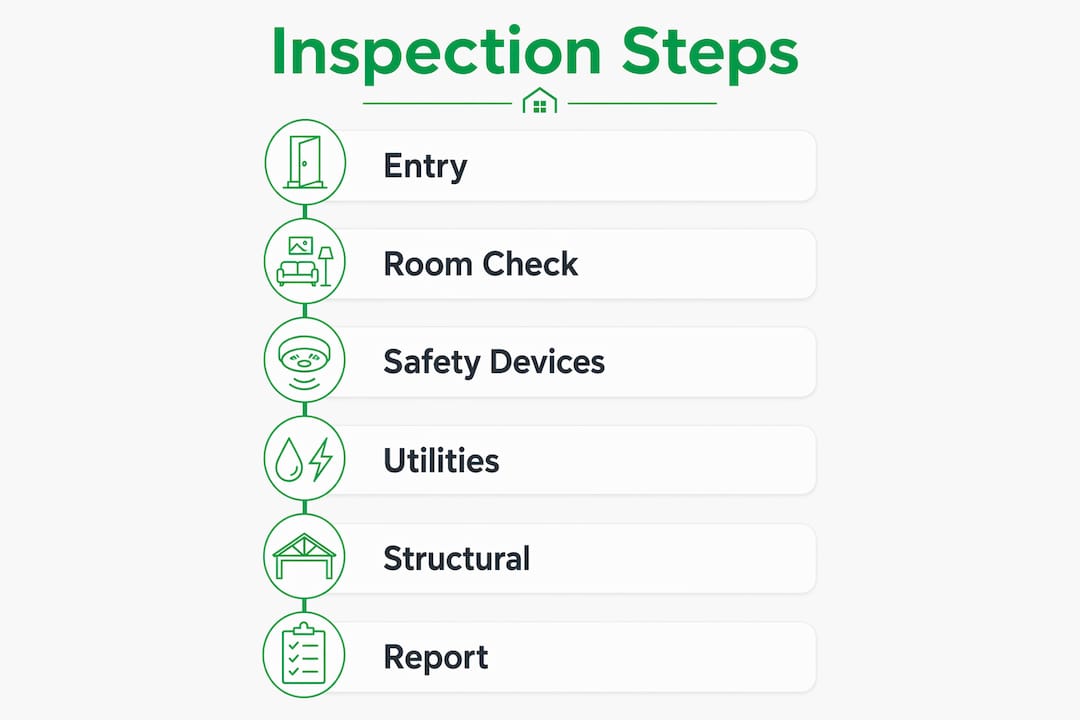
Inspectors examine walls, ceilings, roofs, and foundations for damage that could compromise safety. A cracked foundation or a sagging roof section qualifies as a structural defect. These items appear on every standard habitability inspection checklist because they directly affect occupant safety.
Safety devices and security
Smoke detectors and carbon monoxide detectors must be present and functional. Door locks, window latches, and fire egress points are also checked. Inspectors identify immediate dangers often missed by casual observers, such as exposed wiring or missing fire egress routes. A missing smoke detector is a fast-track failure item.
Utilities and mechanical systems
Plumbing, heating, and electrical systems must be operational. Heating systems are tested to confirm they can maintain a minimum safe temperature. Plumbing is checked for leaks, adequate water pressure, and proper drainage. Electrical panels are reviewed for hazards like double-tapped breakers or uncovered junction boxes.
Environmental hazards
Mold, pest infestations, and lead paint are all within scope for a habitability review. These hazards carry serious health consequences, particularly for children and elderly tenants. An inspector who finds active mold growth or evidence of rodent infestation will flag the property for remediation before it can be cleared.
A standard habitability inspection checklist typically includes:
- Smoke and carbon monoxide detectors (present and functional)
- Heating system (operational and capable of maintaining safe temperatures)
- Plumbing (no leaks, adequate pressure, functional drainage)
- Electrical systems (no exposed wiring, functional outlets and panels)
- Structural components (walls, roof, foundation, floors)
- Windows and doors (lockable, weather-tight, functional egress)
- Environmental hazards (mold, pests, lead paint indicators)
- Sanitation (working toilets, sinks, and garbage facilities)
Pro Tip: Walk through the property yourself using this checklist before the inspector arrives. Catching a dead smoke detector battery or a dripping faucet takes minutes and prevents a failed inspection.
How is a habitability inspection conducted?
The habitability inspection process follows a structured walkthrough of every room, including closets and cabinets, but excludes personal storage areas. Understanding the sequence helps both tenants and landlords prepare without surprises.
Scheduling and notice requirements
Property owners receive 30 days advance notice before inspections under programs like LAHD. That lead time exists to give landlords a fair opportunity to address known issues. Tenants should be aware that this notice period is a legal requirement, not a courtesy.
What inspectors examine and what they skip
Inspectors walk every room but do not move furniture or access personal storage. Clearing access to all required areas dramatically affects inspection completeness and outcomes. If an inspector cannot reach the electrical panel because boxes are stacked in front of it, that system may be flagged as inaccessible rather than compliant.
Inspection duration
A standard inspection lasts 30–90 minutes for a single-family unit. Multi-family properties take longer because each unit is evaluated separately. Tenants should plan to be available for the full window.
Enforcement timelines after deficiencies are found
The timeline for fixing problems depends on severity:
- Life-threatening defects (gas leaks, no heat in winter, exposed live wiring): must be resolved within 24 hours
- Serious but non-life-threatening defects (broken locks, significant water damage): typically require correction within 30 days
- Minor deficiencies (worn weatherstripping, cosmetic damage near safety features): addressed on a case-by-case timeline
- Re-inspection scheduling: federal programs like HQS require re-inspections every two years to maintain ongoing compliance
Pro Tip: If you are a tenant and your landlord fails to fix a life-threatening defect within 24 hours, contact your local housing authority immediately. You have the right to request an official follow-up inspection.
Why do habitability inspections matter for tenants and homebuyers?
Habitability is a continuing obligation, not a one-time clearance. Both landlords and tenants carry ongoing responsibilities to maintain safe living conditions and report problems when they arise.
Health and safety assurance
A passed inspection confirms that a property meets the minimum threshold for safe occupancy. Without that confirmation, tenants risk moving into a unit with hidden hazards like carbon monoxide leaks or structural instability. The inspection creates a documented baseline that protects both parties if disputes arise later.
Legal compliance and landlord liability
Landlords who rent properties that fail habitability standards face legal liability under local housing codes. A formal inspection creates a paper trail that protects tenants and holds landlords accountable. Tenants can request unscheduled inspections if they report habitability violations, triggering official enforcement and required repairs. That right is one of the most underused tools available to renters.
Rental inspections versus buyer’s home inspections
“Rental habitability inspections and buyer’s home inspections serve different purposes. Rental inspections confirm a property is safe and legally compliant right now. Buyer’s home inspections assess long-term condition, maintenance needs, and resale value. Confusing the two leads to misaligned expectations on both sides of a transaction.”
Rental inspections do not evaluate cosmetic defects or future maintenance projections. A buyer’s inspection, by contrast, will flag a 15-year-old water heater as a near-term replacement item even if it works fine today. Knowing which type of inspection applies to your situation shapes how you interpret the results. Jhunthomeinspections provides comprehensive inspection services for both buyers and tenants, with reports delivered within 24 hours.
Protecting tenant rights
A what is rental inspection question often comes from tenants who feel powerless in a dispute with a landlord. The inspection process gives tenants a formal, documented mechanism to enforce their right to safe housing. Local housing authorities back that process with real enforcement authority.
How to prepare for a habitability inspection
Preparation is the single biggest factor in whether an inspection passes or fails. Most inspection failures are avoidable through proactive self-walkthroughs that focus on plumbing, heating, and smoke detector functionality.
Follow these steps before inspection day:
- Clear all access points. Move furniture, boxes, or stored items away from electrical panels, HVAC units, water heaters, and utility shutoffs. Inspectors will not move your belongings, and blocked access equals a failed check.
- Test every smoke and carbon monoxide detector. Replace batteries if needed. A dead detector is one of the most common and most preventable failure points.
- Run all plumbing fixtures. Check under sinks for leaks. Flush every toilet. Run showers and tubs to confirm drainage. A slow drain is a minor issue; a leak under the sink is a compliance problem.
- Confirm heating function. Heating systems must maintain safe temperatures, typically above 64°F. Test the system before the inspector arrives, especially in fall and winter.
- Check all locks and windows. Every exterior door and window must lock properly. A broken window latch is a security and habitability failure.
- Document existing damage. Photograph any pre-existing issues before the inspector arrives. This protects you from being held responsible for damage you did not cause.
Pro Tip: Use the buyer inspection checklist from Jhunthomeinspections as a pre-inspection self-audit tool. It covers the same core systems inspectors evaluate and takes about 20 minutes to complete.
Communicating with your landlord before the inspection also helps. If you know of a broken fixture or a system that has been unreliable, report it in writing before the scheduled date. That creates a record and gives the landlord time to fix it without a formal deficiency citation.
Key Takeaways
A habitability inspection is a mandatory safety evaluation that protects tenants and homebuyers by confirming a property meets health, code, and structural compliance standards before occupancy.
| Point | Details |
|---|---|
| Definition of habitability inspection | A formal evaluation confirming a property meets health, safety, and code compliance standards for legal occupancy. |
| Core inspection scope | Inspectors check structural integrity, utilities, safety devices, and environmental hazards, not cosmetic condition. |
| Enforcement timelines | Life-threatening defects require correction within 24 hours; other deficiencies allow up to 30 days. |
| Tenant preparation | Clear access to all systems, test detectors, and run plumbing fixtures before the inspector arrives. |
| Ongoing obligation | Habitability is a continuing requirement; tenants can request inspections anytime a violation is suspected. |
What I have learned from years of habitability inspections
Most tenants treat a habitability inspection like a test they either pass or fail on the day. That framing is wrong. The inspection is a snapshot of a property’s condition at one moment in time. A property that passes today can develop serious issues within months if neither the landlord nor the tenant monitors it.
The most common misconception I encounter is that inspectors are looking for reasons to fail a property. They are not. The process focuses on compliance, not punishment. Inspectors avoid accessing personal items and work within strict procedural limits. Their job is to document what they can observe, not to dig through your belongings or make subjective judgments about how you live.
What actually causes failures is almost always preventable. A smoke detector with a dead battery. A cabinet door blocking the electrical panel. A heating system that was never tested before winter. These are not structural failures. They are preparation failures. Tenants who do a 20-minute walkthrough the day before an inspection eliminate the vast majority of failure risk. Landlords who communicate openly with tenants about what to expect get better outcomes too.
My honest advice: treat the inspection as a tool that works for you, not against you. If you are a tenant and something feels unsafe, request an inspection. That right exists for a reason.
— JOHN
Reliable inspections for safe housing in St. Louis and Southern Illinois
Knowing what a habitability inspection covers is one thing. Having a qualified inspector walk the property and document every finding is another.
Jhunthomeinspections serves homebuyers, tenants, and landlords across the St. Louis Metro area and Southern Illinois with thorough property evaluations and reports delivered within 24 hours. The team offers both in-person and video inspection options for clients who need flexibility. First-time buyers, veterans, and low-income families receive the same level of detail and care as any other client. The proprietary Create Request List™ makes it easy to share findings with agents and landlords without confusion. Schedule your professional property inspection and get a clear picture of what you are moving into.
FAQ
What is a habitability inspection?
A habitability inspection is a formal evaluation of a residential property to confirm it meets health, safety, and code compliance standards required for legal occupancy. It covers structural integrity, utilities, safety devices, and environmental hazards.
What does a habitability inspection cover?
Inspectors evaluate smoke and carbon monoxide detectors, plumbing, heating, electrical systems, structural components, and environmental hazards like mold and pests. Cosmetic issues such as paint condition or worn flooring are not part of the assessment.
How long does a habitability inspection take?
A standard habitability inspection lasts 30–90 minutes for a single-family unit. Multi-family properties take longer because each unit is inspected separately.
Can a tenant request a habitability inspection?
Tenants can request a special or unscheduled habitability inspection if they report a violation to the local housing authority. This triggers official enforcement and requires the landlord to make repairs within the applicable timeline.
How is a habitability inspection different from a home inspection?
A habitability inspection confirms a rental property is safe and legally compliant right now. A buyer’s home inspection assesses long-term condition, maintenance needs, and resale value, including items that work today but may need replacement soon.
Recent Comments