
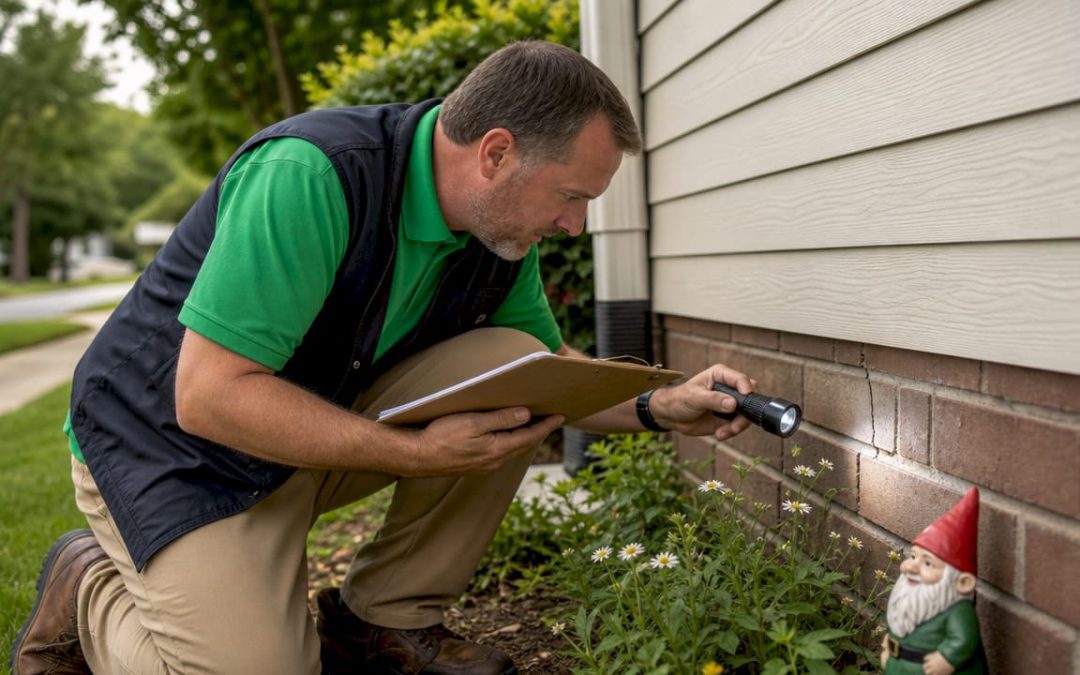
A professional home inspection is defined as a formal, visual evaluation of a property’s major systems and structural components, conducted before purchase to protect buyers from costly surprises. The affordable inspection services benefits go far beyond the inspection fee itself. A typical inspection costs between $300 and $425, which is less than 0.1% of the average home purchase price. That small upfront cost routinely returns 10 to 30 times its value in negotiation savings, avoided repairs, and peace of mind. For first-time buyers and budget-conscious homebuyers, understanding exactly what you gain from a thorough, affordable inspection is the clearest path to a confident purchase.
1. Affordable inspection services benefits: real financial savings at the negotiating table
The single most direct financial benefit of a home inspection is negotiation power. When an inspector documents a defect in writing, you hold objective evidence that a seller cannot easily dismiss.

Documented inspection findings remove the guesswork from negotiations. Buyers who arrive at the table with a detailed report can request seller credits, price reductions, or repairs before closing. Without that report, you are negotiating on instinct alone.
The dollar amounts at stake are significant. Typical negotiation savings from documented defects include:
- HVAC system replacement: over $5,600 in seller credits or price reductions
- Foundation repairs: over $9,600 recovered through negotiation
- Electrical panel replacement: over $2,600 in documented savings
- Roof repairs: thousands in credits depending on scope and age
- Plumbing defects: hundreds to thousands depending on severity
Each of these figures represents money that stays in your pocket because you paid a few hundred dollars for a thorough inspection. The math is not complicated. A $400 inspection that surfaces a foundation issue worth $9,600 in repairs delivers a return no savings account can match.
2. Why affordable does not mean cheap: the quality distinction that matters
Home inspection is best understood as risk management, not a line-item expense. Choosing solely on lowest price risks missing critical defects that cost thousands after closing.
The difference between an affordable inspection and a cheap one is thoroughness. A rushed inspector who spends 45 minutes on a 2,000-square-foot home will miss things. An affordable inspector who spends two to three hours, photographs every concern, and delivers a clear written report gives you a document you can actually use.
Cheap inspections often produce vague reports with incomplete findings. Vague language like “monitor this area” without photos or measurements gives you nothing to negotiate with. It also gives you no record if a defect worsens after purchase.
Pro Tip: Ask any inspector how long they typically spend on a home your size and whether their report includes photos for every finding. If they cannot answer both questions clearly, keep looking.
The goal is value, not the lowest number on the invoice. An affordable inspection that is thorough shifts risk away from you and onto the documented record. That shift is worth every dollar.
3. Peace of mind and safety: the benefits buyers underestimate
A $400 inspection that finds no major problems still delivers peace of mind worth far more than its cost. Knowing a home’s major systems are in good condition lets you close with confidence rather than anxiety.
Safety is the other side of that coin. Inspectors identify hazards that are invisible to untrained eyes, including faulty wiring, carbon monoxide risks from aging HVAC equipment, and structural concerns that affect occupant safety. Catching these before you move in is not just financially smart. It is a matter of protecting your family.
The benefits of inspection services in this category include:
- Confirmed system condition: roof, HVAC, plumbing, and electrical all evaluated before you commit
- Hazard identification: fire risks, water intrusion, and structural deficiencies flagged before closing
- Maintenance roadmap: the inspection report becomes a prioritized list of future repairs and upkeep tasks
- Decision confidence: buyers who understand their home’s condition make better choices about price, contingencies, and move-in timelines
Attending the inspection in person multiplies these benefits. Real-time questions get real-time answers. An inspector can show you exactly where a concern is located, explain its severity, and help you understand whether it is urgent or routine. A report alone cannot replicate that conversation.
4. What a thorough affordable inspection actually covers
Affordable inspections typically cover all major systems: roofing, plumbing, electrical, HVAC, and structural components. That coverage gives you a full picture of the home’s condition before you sign anything.
Buyers often assume a lower price means fewer systems checked. That is not always true. The distinction lies in report quality and time spent, not the checklist itself. Here is what to expect from a thorough, budget-friendly inspection versus a minimal one:
| Feature category | Thorough affordable inspection | Minimal low-cost inspection |
|---|---|---|
| Time on site | 2–3 hours for average home | Under 1 hour |
| Report format | Detailed narrative with photos | Checklist with pass/fail only |
| Photo documentation | Every finding photographed | Few or no photos |
| System coverage | Roof, HVAC, plumbing, electrical, structure | Major systems only, surface level |
| Report delivery | Within 24 hours, clear language | Delayed or difficult to read |
| Negotiation usability | High: specific findings with evidence | Low: vague language, hard to cite |
The inspection report terminology used in a thorough report matters as much as the findings themselves. Clear language and photos give you a document your real estate agent can use directly in negotiations.
5. When affordable inspection services deliver the most value
Some buyers benefit from cost-effective inspection solutions more than others. Knowing where you fall helps you prioritize the inspection and use it well.
First-time buyers gain the most from a thorough inspection because they have no prior experience reading a home’s condition. An inspector’s findings educate as much as they protect. Many first-time buyers leave an inspection knowing more about home systems than they learned in years of renting.
Budget-conscious buyers who are stretching to afford a purchase cannot absorb surprise repair costs after closing. A pre-purchase inspection turns unknown risks into known quantities before you commit your savings.
Buyers of older homes and fixer-uppers face the highest risk of hidden defects. Homes built before 1980 may contain aging electrical panels, galvanized plumbing, or deteriorating insulation. An inspection surfaces these issues so you can price them into your offer.
Buyers aiming to negotiate need documented evidence to request credits. Without an inspection report, a seller has no reason to reduce the price. With one, you have a professional’s written findings to support every request.
Routine maintenance inspections also uncover issues early, helping owners avoid expensive repairs by catching problems before they become failures. The value of affordable inspections extends well beyond the purchase transaction itself.
Key takeaways
Affordable home inspections are the highest-return investment a first-time buyer can make, delivering documented negotiation leverage, safety assurance, and long-term maintenance clarity for less than 0.1% of the home’s purchase price.
| Point | Details |
|---|---|
| Financial ROI is immediate | A $300–$425 inspection routinely returns 10–30 times its cost in negotiation savings. |
| Thoroughness beats lowest price | Time on site and photo-documented reports determine real value, not the fee alone. |
| Negotiation power is concrete | Documented defects in HVAC, foundation, and electrical yield thousands in seller credits. |
| Safety benefits are non-financial | Inspections identify hazards before you move in, protecting your family from day one. |
| First-time buyers gain the most | Buyers without prior experience use inspections to learn, protect savings, and negotiate confidently. |
Why I always tell buyers to attend the inspection personally
People ask me all the time whether they need to show up for the inspection or if they can just read the report later. My answer is always the same: show up.
A report tells you what was found. Being there tells you what it means. I have watched buyers walk through an inspection, hear an inspector explain a hairline crack in a foundation wall, and immediately understand that it is a drainage issue rather than a structural failure. That context does not survive the translation into written language. The report says “crack observed,” but the inspector on site says “this is caused by water pooling against the foundation, and here is how you fix it for $300.”
The buyers who get the most out of affordable inspections are the ones who treat the inspection as a two-hour education, not a transaction. They ask questions. They follow the inspector from room to room. They leave knowing their home better than the seller does.
My other strong opinion: do not let price be your only filter when choosing an inspector. Budget matters, but an inspector who charges $50 less and spends half the time on site is not saving you money. They are shifting risk onto you. Choose the most thorough inspector you can afford within your budget, not the cheapest one available.
— JOHN
Jhunthomeinspections: affordable inspections built for buyers like you
Jhunthomeinspections serves first-time buyers, low-income families, and veterans across the St. Louis Metro area and Southern Illinois with thorough, budget-friendly inspection services designed to protect your investment without stretching your budget.
Every inspection includes a detailed report delivered within 24 hours, complete with photos and clear language your agent can use directly in negotiations. Jhunthomeinspections also offers the Create Request List™, a proprietary tool that organizes inspection findings into a ready-to-use list for your real estate agent. For buyers who need flexibility, the Pay at Close option lets you defer the inspection fee until closing, making professional inspections accessible even on a tight budget. Reach out to Jhunthomeinspections before your next offer and know exactly what you are buying.
FAQ
What does an affordable home inspection typically cost?
A professional home inspection typically costs between $300 and $425, which is less than 0.1% of the average home purchase price. That fee routinely returns 10 to 30 times its value in negotiation savings and avoided repairs.
How do inspection findings help buyers negotiate?
Documented inspection findings give buyers objective evidence to request seller credits, price reductions, or repairs before closing. Typical savings include over $5,600 for HVAC issues, $9,600 for foundation repairs, and $2,600 for electrical panel replacements.
What is the difference between an affordable and a cheap inspection?
An affordable inspection is thorough, includes photos, and delivers a detailed report within 24 hours. A cheap inspection is often rushed, produces vague findings, and misses defects that cost buyers thousands after closing.
Should I attend my home inspection in person?
Attending in person lets you ask real-time questions and understand findings in context, which a written report alone cannot fully convey. Buyers who attend leave with a clearer picture of the home’s condition and greater confidence in their decision.
What systems does a standard affordable inspection cover?
A standard affordable inspection covers roofing, plumbing, electrical, HVAC, and structural components. These major systems represent the highest-cost repair categories and the areas where documented findings carry the most negotiation weight.
Recent Comments