
A maintenance inspection checklist is a professional inspector’s system for checking a property’s roof, exterior, foundation, structure, HVAC, plumbing, electrical, attic, and interior for safety hazards and deferred repairs. It follows the same InterNACHI Standards of Practice used in buyer’s inspections, but on a recurring cycle rather than a one-time transaction. Schedule one every 1 to 2 years, or immediately after storm damage or a suspected issue, and let the inspector’s findings set your repair priorities.
TL;DR:
- Regular maintenance inspections should be scheduled every one to two years or immediately after storm damage or suspected issues.
- Major repair items most often involve the roof, electrical systems, foundation cracks over a quarter inch, and safety hazards like active leaks or electrical arcing.
- Specialty tests such as radon, mold, sewer scope, or septic evaluations are separate add-ons and should be ordered only if indicated by the initial inspection findings.
- Inspection reports prioritize safety and structural concerns and should be reviewed using a summary page with a worksheet to determine actionable repairs and expert referrals.
- Out-of-town investors or landlords can benefit from remote video inspections, with reports typically delivered within 24 hours to facilitate timely repair decisions.
Table of Contents
- What Goes Into a Maintenance Inspection Checklist?
- What Do Inspectors Check on the Roof and Exterior?
- What Do Inspectors Look For in the Foundation and Crawlspace?
- What HVAC, Plumbing, and Electrical Items Matter Most?
- What Interior, Attic, and Garage Items Get Checked?
- When Should You Add Radon, Sewer Scope, Mold, or Septic Testing?
- How Do You Turn the Report Into a Repair Plan?
- What Should You Expect From Hunt Home Inspection During a Maintenance Inspection?
- Why Routine Inspections Beat Surprise Repairs
- Book a Maintenance Inspection With Hunt Home Inspection
- Sources
- FAQ
What Goes Into a Maintenance Inspection Checklist?
Inspectors organize checklists by area: site and exterior, roof, foundation and structure, mechanical systems, interior, attic, and safety devices. Each item on the report typically carries a code, most commonly I (inspected), NI (not inspected), NP (not present), S (satisfactory), R (repair or replace), and D (deferred maintenance). Photos back up nearly every flagged item, since a picture of a cracked flue liner settles more arguments than a paragraph ever could.
A standard maintenance inspection does not include everything. It excludes:
- Radon gas testing
- Sewer lateral scoping
- Mold sampling
- Wood-destroying organism (termite) inspections
- Well and septic system evaluations
These sit outside the core inspection framework as add-on services, ordered when the base inspection turns up a reason to dig further.
What Do Inspectors Check on the Roof and Exterior?
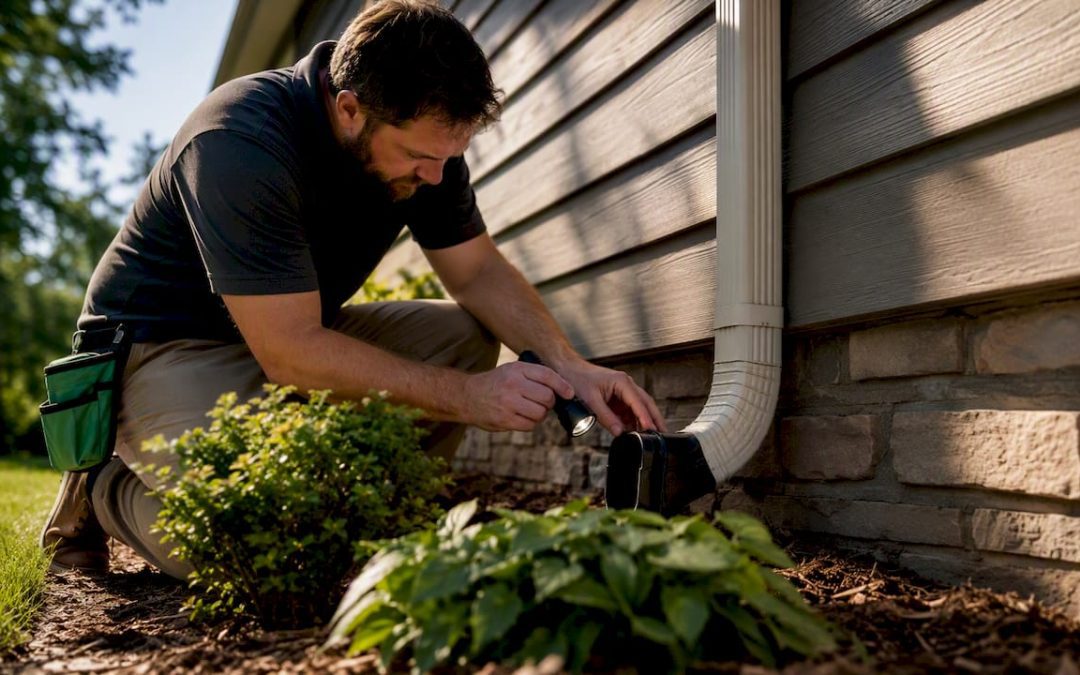
Roof and exterior items generate more repair requests than almost any other category, largely because weather works on them every single day. On the roof, inspectors evaluate the covering material, flashing around penetrations, gutters and downspouts, vent stacks, chimneys, and any sign of active leaks or ponding water.
On the exterior, the checklist covers:
- Wall coverings (siding, brick, stucco) for cracks, gaps, or rot
- Door and window seals and operation
- Decks, porches, and railings for structural soundness
- Grading and drainage around the foundation
- Vegetation or soil making direct contact with siding or the foundation
Cracked or heaving walkways, loose railings, and leaning retaining walls get flagged as immediate safety items, not future-maintenance notes, because they’re the kind of thing that causes a fall or a collapse, not just a repair bill.
What Do Inspectors Look For in the Foundation and Crawlspace?
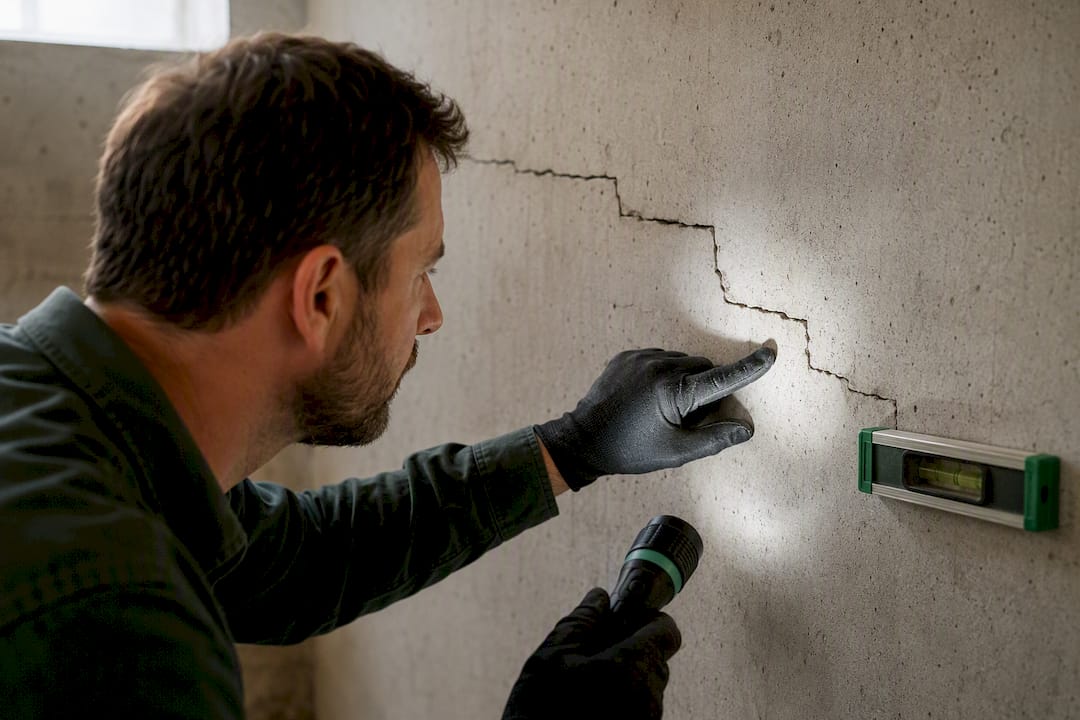
Foundation problems separate cosmetic cracks from structural ones, and getting that distinction right is most of the job. Inspectors document the foundation type, measure visible crack width, and look for secondary evidence of movement like stair-step cracks in sheetrock, doors that stick, or floors that aren’t level.
In the basement or crawlspace, the checklist covers:
- Ventilation and insulation condition
- Sump pump presence and function
- Active water intrusion or standing moisture
- Wood members in direct contact with soil
Pro Tip: A single hairline crack in a poured foundation wall is usually cosmetic. A crack wider than a quarter inch, or one that’s stair-stepped through block or brick, is worth a structural engineer’s opinion before you write off the cost.
When findings suggest ongoing settlement or chronic moisture, the report should recommend a specialist. That referral protects you from either overreacting to a cosmetic issue or underreacting to a real one.
What HVAC, Plumbing, and Electrical Items Matter Most?
Building systems are where safety-critical findings concentrate. Inspectors run HVAC systems through their normal thermostat controls, checking for refrigerant leaks, proper combustion venting, and adequate clearance around equipment, while noting any areas that were inaccessible during the visit. Readers can dig deeper into what a full HVAC inspection actually covers.
Plumbing and electrical checks include:
- Main water shutoff location and function
- Water heater condition, age, and TPR valve operation
- Fixture function and visible drain, waste, and vent issues
- Electrical panel condition, labeling, and signs of overheating
- GFCI protection in wet locations and working smoke/CO detectors
Any sign of arcing, scorched wiring, or a double-tapped breaker gets flagged as a safety item, not a maintenance note. That distinction changes how urgently you should act.
What Interior, Attic, and Garage Items Get Checked?
Interior evaluation covers a representative sample of doors, windows, walls, ceilings, and stairways, plus railings and the garage door opener’s auto-reverse function. A door that no longer latches or a window that’s painted shut is common enough that it rarely raises alarm, but a report will still note it.
In the attic and around fireplaces, inspectors check:
- Attic access, insulation depth, and ventilation
- Signs of pests, rodent activity, or moisture staining
- Visible chimney and fireplace condition
- Inaccessible areas, clearly noted as such in the report
When insulation is buried under old boxes or a chimney flue can’t be safely accessed, the inspector documents that limitation rather than guessing. Interior door condition also affects both energy performance and resale appeal, a point covered well in this look at interior door trends.
When Should You Add Radon, Sewer Scope, Mold, or Septic Testing?
Specialty tests exist because a standard inspection is visual and non-invasive. It can’t measure gas concentration, run a camera down a pipe, or lab-test a suspicious stain. Here’s how the common add-ons break down:
- Radon testing measures a colorless gas linked to lung cancer risk that a visual inspection can never detect.
- Sewer scope runs a camera through the lateral line to find root intrusion, bellies, or breaks that don’t show up above ground.
- Mold sampling identifies whether a suspected moisture stain is actually microbial growth worth remediating.
- Termite/WDI inspection checks specifically for wood-destroying organisms and their damage, which general inspectors note but don’t certify.
- Well and septic evaluations test private water and waste systems that municipal inspections never touch.
Order an add-on when the base inspection shows an indicator, when your loan program requires it, or when you need a definitive answer for a safety or liability question. Each add-on carries its own fee and usually a slightly longer report turnaround.
How Do You Turn the Report Into a Repair Plan?
Start at the summary page, not page one. A well-built report groups every flagged item there first, so you can scan the highest-priority findings before reading a single detailed section. From the summary, trace each item back to its full write-up and photo.
A simple worksheet keeps you organized:
- Finding & page number — what was flagged and where
- Known facts — what the report and photo confirm
- Unknowns — what needs a contractor’s opinion
- Next action — repair now, get a specialist quote, or monitor
This mirrors the workflow InspectionTriage recommends for buyers preparing repair requests, and it keeps you from arguing over an item you haven’t fully read.
Buyers typically press sellers hardest on safety and structural items: exposed wiring, active roof leaks, foundation movement, non-functioning water heaters. Cosmetic wear and routine maintenance items, like a fence that needs staining, usually stay off the negotiation table.
Comprehensive checklists used by professional inspectors can run past 300 individual items across all systems, and most inspections turn up at least one issue worth flagging, with roof and electrical findings among the most common. That volume is exactly why the summary page, not the full report, is where you should start.
What Should You Expect From Hunt Home Inspection During a Maintenance Inspection?
Maintenance inspections can be conducted as both in-person and video walkthroughs, which may be helpful for out-of-state investors or landlords managing multiple properties. Reports are typically returned quickly to keep repair timelines moving.
Flagged items can be turned directly into a shareable list for agents and contractors, cutting out the back-and-forth of retyping findings into an email. Before your appointment:
- Provide clear access to areas like the attic, crawlspace, electrical panel, and water heater
- Gather any past repair or replacement records for major systems
- Indicate any areas you already suspect are problematic so the inspector can spend extra time there
Pro Tip: If you’re selling, run through this same pre-inspection checklist yourself first. Fixing the easy stuff before the inspector arrives keeps small issues off the report entirely.
Why Routine Inspections Beat Surprise Repairs
Catching a slow roof leak at year two costs a few hundred dollars in flashing repair. Catching it at year six, after it’s rotted the deck and stained the ceiling below, costs a full re-roof and drywall repair. That’s the entire argument for a maintenance inspection: it’s cheaper to find problems small.
None of this replaces a specialist when the report says to call one. An inspector who spots foundation movement isn’t qualified to diagnose it, and a good report will say so plainly rather than guess. If your last inspection is more than a year or two old, that’s the honest signal to book another one.
— JOHN
Book a Maintenance Inspection With Hunt Home Inspection
Some inspection companies offer same-day scheduling options, video walkthroughs for out-of-town buyers and investors, and provide full reports within 24 hours. That speed can be important for landlords managing multiple units, agents working under closing deadlines, and buyers who need clear answers quickly.

Whether you need a routine maintenance inspection, a pre-listing check before you sell, or a specialty add-on like radon or sewer scope, the full range of options is on the inspection services page. Investors comparing properties can also check the ROI-focused inspection guide before committing to a purchase. Schedule your maintenance inspection and receive a timely report to help guide your repair decisions.
Sources
This checklist follows InterNACHI’s Standards of Practice and its detailed system checklist, alongside HUD’s best-practice guidance on housing safety. For further reading on inspection timing, see Inspectify’s explainer on when to schedule one.
- InterNACHI — Home maintenance information
FAQ
How Often Should You Get a Maintenance Inspection?
Every 1 to 2 years is standard, according to InterNACHI, with an inspection sooner after storm damage or if you notice a new leak, crack, or odor.
What’s the Difference Between a Safety Item and a Deferred Maintenance Item?
A safety item poses immediate risk, like exposed wiring or a gas leak, while a deferred maintenance item, like worn caulking, can wait but will get more expensive if ignored.
Does a Standard Inspection Include Radon or Mold Testing?
No. Radon, sewer scope, mold, termite, and well/septic evaluations are separate add-on services ordered only when the base inspection or your situation calls for them.
Can I Get a Maintenance Inspection Done Remotely?
Yes. Hunt Home Inspection, LLC offers video inspections alongside in-person visits, which works well for out-of-state investors and landlords managing multiple properties.
How Fast Will I Get My Inspection Report?
Hunt Home Inspection, LLC delivers reports within 24 hours, giving buyers, sellers, and agents time to act before a closing deadline or listing date.
Recent Comments