
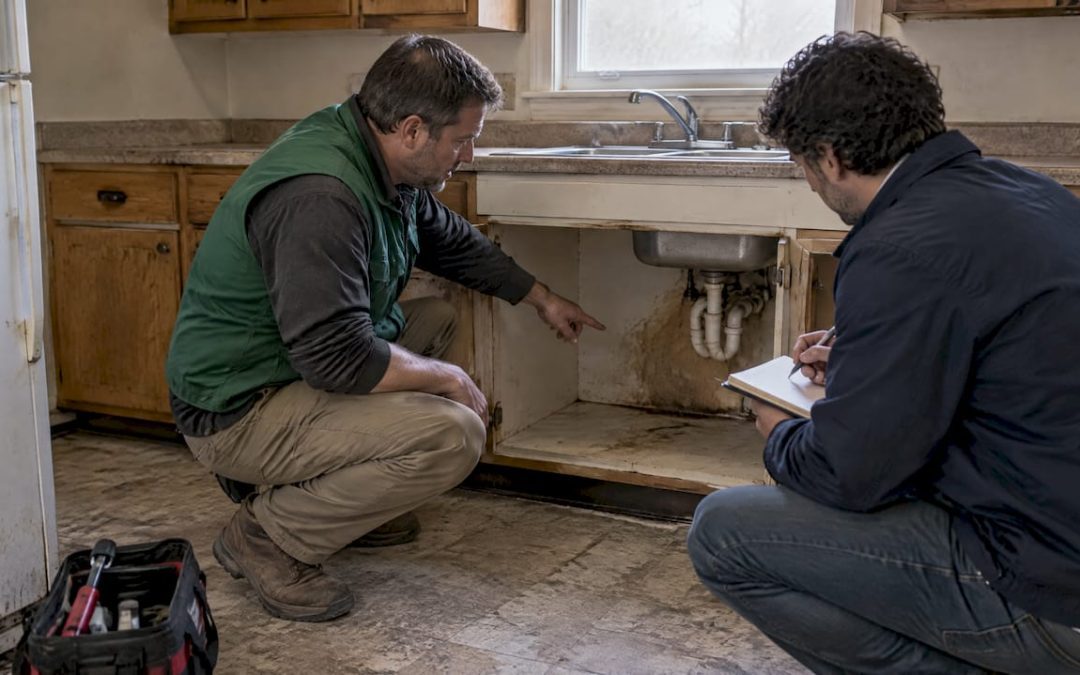
An investor inspection is a due-diligence evaluation that identifies prioritized physical deficiencies, estimates probable cost, and produces photo-supported findings you can convert directly into underwriting and negotiation actions using insights from the StockPilot Investor Insights Blog. Once the report lands, three things happen in order: you document every defect with photos and severity tags, you rank issues by urgency, and you collect quotes to adjust your numbers or contingencies before deadlines pass.
TL;DR:
- Investor inspections should include photo-linked findings, severity tags, probabilistic cost estimates, and documentation of inaccessible areas for precise decision-making.
- Major system age and condition, such as roof and HVAC, directly influence capital expenditure timing, with active safety hazards requiring immediate attention.
- Conduct targeted specialist inspections like radon, sewer, or mold testing early, with scheduling aligned to contingency deadlines to avoid delays.
- Use detailed contractor quotes and engineer evaluations for major deficiencies, and compile all findings into a negotiation package before deadlines expire.
- Turn inspection findings into dollar figures and contingency clauses quickly, as delayed decisions risk losing leverage and missing critical transaction windows.
Table of Contents
- What makes an investor inspection different from a standard home inspection
- Why inspections matter for investor cash flow and deal risk
- How to plan an investor inspection and assemble your due-diligence file
- What happens on site during the inspection
- Turning findings into underwriting numbers and negotiation terms
- The investor inspection checklist: site, structure, systems, and specialty risks
- Turning the report into quotes, reserves, and a negotiation packet
- How a professional inspection partner supports investor due diligence
- Prioritize inspection-driven underwriting
- Book an investor-ready inspection with Hunt Home Inspection
- FAQ
- Sources
What makes an investor inspection different from a standard home inspection
A typical buyer inspection answers one question: is this house safe and functional to live in? An investor inspection asks a second question on top of that: what will this defect cost, and when will it hit cash flow? The scope should be written around your decision, whether that is a purchase, a refinance, or a capital-planning exercise, a framing that follows the ASTM E2018 property condition assessment standard.
Because of that, the deliverables you request should go beyond a narrative report. Ask for:
- Photo-linked findings so each defect is tied to visual evidence, not just a text description.
- Severity tags that separate safety hazards from cosmetic wear.
- Probable-cost notes or allowance ranges next to major findings.
- A clear list of limiting conditions and areas the inspector could not access.
Items outside a general inspector’s scope, such as sewer laterals, septic systems, or radon, require separate specialists, and you should know which ones apply to the property before you schedule anything.
Why inspections matter for investor cash flow and deal risk
Every major system has a remaining useful life, and that number drives your capex reserve. A roof with five years left behaves very differently in your pro forma than one installed last year, even if both pass inspection today. The same logic applies to HVAC equipment, water heaters, and electrical panels: age and condition translate directly into when you will need to spend, not just whether you will.
True deal-breakers are rare but specific: active structural movement, significant mold contamination, failed septic systems, or safety hazards an owner refuses to remedy. Most other findings, worn flooring, dated fixtures, minor roof wear, get negotiated rather than walked away from.
- Deal-breakers: structural failure, active water intrusion, unpermitted major work, failed septic or well systems.
- Negotiable items: aging but functional systems, cosmetic deferred maintenance, minor code deficiencies.
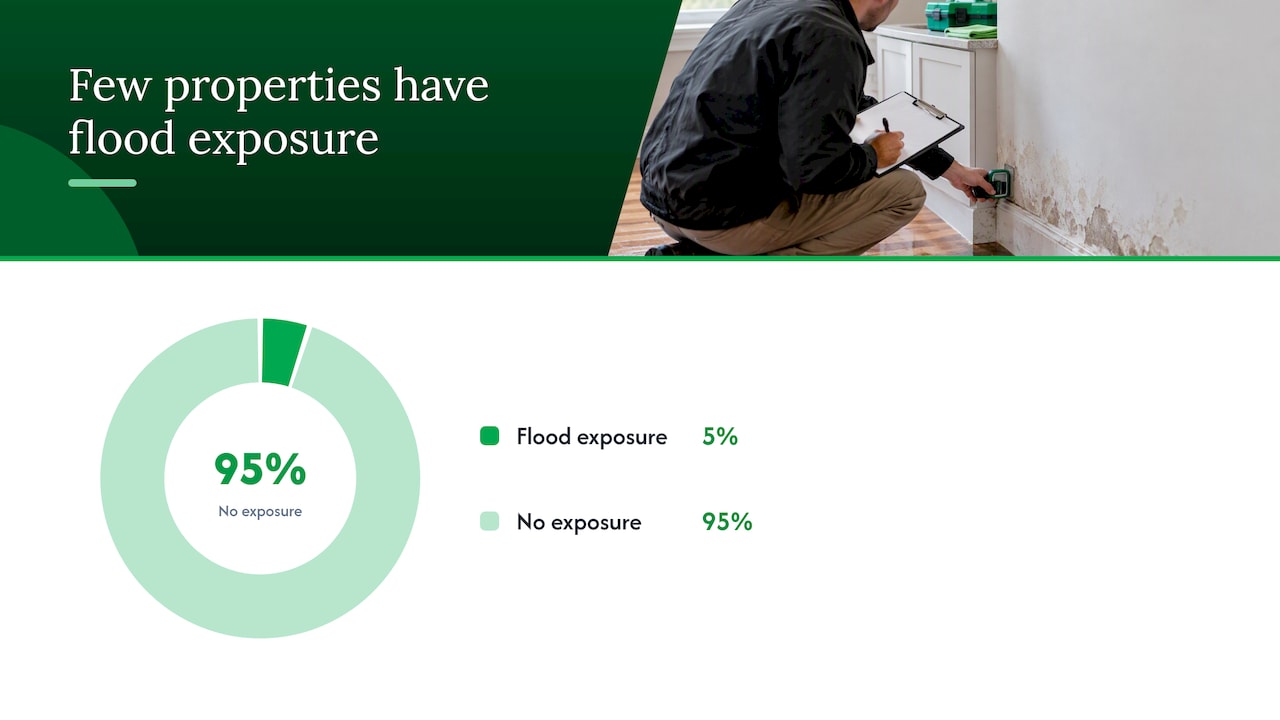
One in twenty properties nationwide carries meaningful flood exposure that maps alone will not fully reveal, which is why FEMA advises pairing zone data with on-site drainage checks and insurance quotes before you finalize underwriting.
How to plan an investor inspection and assemble your due-diligence file
Good inspections start before the inspector arrives. Pull together prior inspection reports, permit history, service records for major systems, utility bills, and, for income property, current leases and rent rolls. This file lets the inspector compare what they observe against what the seller has disclosed, and it gives you a paper trail if a dispute arises later. Our guide to a DIY pre-inspection checklist walks through what to gather before you ever call an inspector.
Next, decide scope. A standard walkthrough covers structure, roof, electrical, plumbing, and HVAC, but investors often need targeted add-ons layered in:
- Order a sewer camera inspection on any property with mature trees near the lateral line or a history of drain issues.
- Schedule radon testing early since EPA-recommended protocols require 48-hour minimum closed-house conditions.
- Book termite or WDO inspections in regions with known pest pressure, particularly on older wood-frame properties.
- Add septic or well inspections whenever the property is not on municipal service.
- Request mold assessment if there is any visible staining, musty odor, or history of water intrusion.
Sequence these around your contingency deadline, not after it. Specialist scheduling, especially radon and sewer camera work, can take several days, so start the moment your offer is accepted.
Pro Tip: Attend the inspection in person whenever you can, and sign any required non-interference agreement for radon testing so the closed-house conditions stay valid.
What happens on site during the inspection
A typical sequence starts outside: grading, drainage, foundation walls, and roof condition, then moves to the attic and crawl space, then into mechanical systems, and finally through interior rooms. Our breakdown of what inspectors look for in a home covers this sequence in more detail.
Inspectors document each stop with photos and notes, and when an area is inaccessible, locked crawl space, stored boxes blocking a panel, they log that limitation rather than guess. That note matters because it tells you where follow-up access or a second visit is needed before you remove contingencies.
A transaction-useful report includes:
- Photo evidence attached directly to each written finding.
- Severity labels distinguishing safety issues from maintenance items.
- Specific specialist referrals, named by trade, not just “recommend further evaluation.”
A report missing any of these three elements is harder to act on, because you end up guessing at urgency instead of reading it off the page.
Turning findings into underwriting numbers and negotiation terms
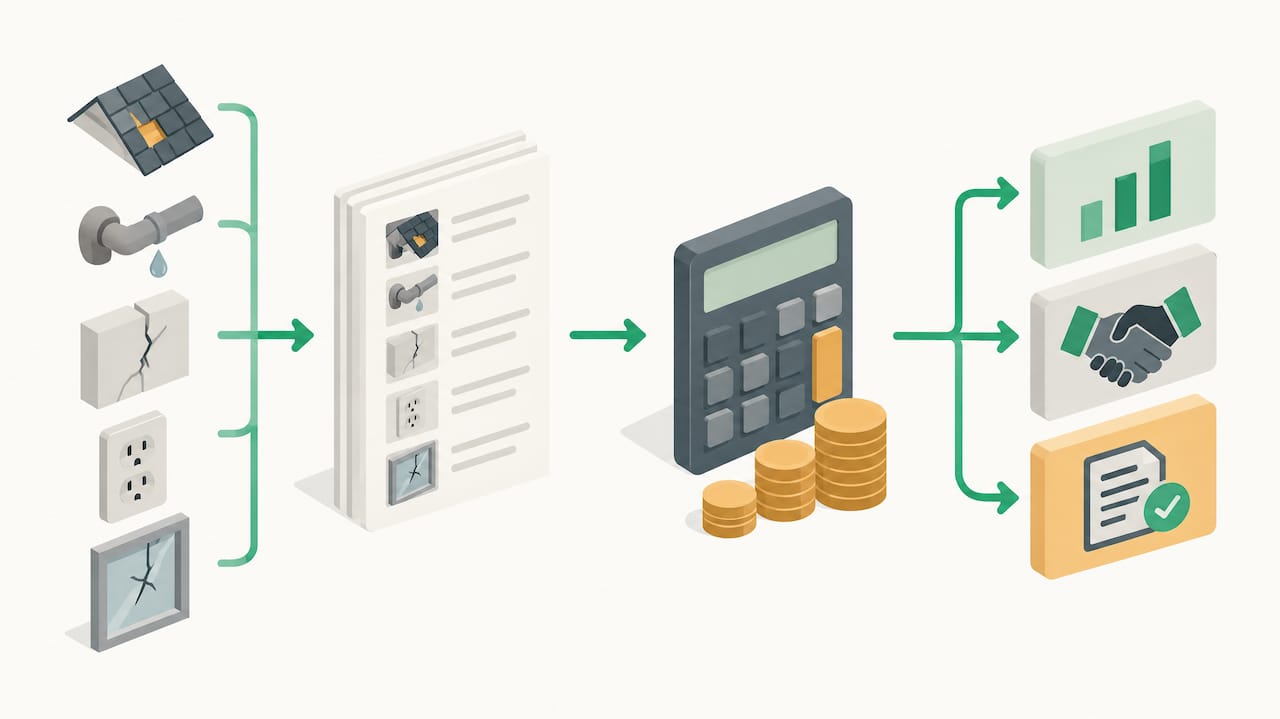
Most inspection reports sort findings into severity tiers: safety hazards, major deficiencies, and minor or cosmetic items. A cracked GFCI outlet near a sink is a safety item. A 20-year-old furnace still running fine is a major deficiency worth planning around. Peeling paint on a fence is cosmetic and rarely worth negotiating.
For anything in the major-deficiency tier, get an actual contractor quote rather than relying on a rough allowance, since allowances in a report are meant as planning estimates, not firm bids. Minor items can usually stay as allowances in your reserve calculation.
- Safety hazards: typically addressed before close or via seller repair.
- Major deficiencies: negotiated as price credit, escrow holdback, or repair credit.
- Minor or cosmetic items: folded into your capex reserve rather than negotiated.
Pro Tip: When a finding is contested, request a second opinion from a licensed contractor before you lock in either a credit amount or a walk-away decision.
The investor inspection checklist: site, structure, systems, and specialty risks
This is the working list to run against any property under contract, organized the way a property condition assessment under ASTM E2018 typically moves: site first, then structure, then systems, then interiors, then specialty risk.
- Site and drainage: Check grading slope away from the foundation, gutter and downspout discharge points, and any standing water or erosion, since poor drainage is a leading driver of basement and foundation claims.
- Foundation and structure: Flag diagonal cracks wider than a quarter inch, bowing walls, uneven floors, and signs of prior repair for immediate review by a structural engineer.
- Roof and attic: Note shingle age and wear, flashing condition, attic ventilation, and any staining that signals a slow leak, since roof replacement is one of the most common near-term capex items.
- Electrical systems: Confirm panel capacity and condition, grounding, GFCI protection in wet areas, and any aluminum wiring or obvious amateur work.
- Plumbing: Check supply line material, water heater age, visible leaks under fixtures, and water pressure throughout the property.
- HVAC: Record equipment age, last service date, and whether heating and cooling actually cycle on and respond to the thermostat during the walkthrough.
- Interiors and appliances: Assess tenant-readiness: flooring condition, window and door function, appliance age, and any moisture or mold signs in bathrooms and kitchens.
- Specialty tests: Order radon, sewer camera, septic or well, and termite inspections based on the property’s age, location, and system type, and keep the written test logs for your file.
Radon results in particular need careful handling. The EPA action level sits at 4 pCi/L, with mitigation worth considering between 2 and 4 pCi/L, and the EPA’s radon testing guide specifies closed-house conditions and minimum test durations that make results defensible in negotiation.
| Checklist area | Primary risk if ignored | Typical investor action |
|---|---|---|
| Site and drainage | Basement moisture, foundation damage | Grade regrading, downspout extensions |
| Foundation and structure | Structural failure, costly underpinning | Engineer evaluation before close |
| Roof and attic | Water intrusion, near-term replacement | Contractor quote, price credit |
| Electrical and plumbing | Safety hazard, insurance denial | Repair before close |
| HVAC | Habitability loss, tenant turnover | Reserve for replacement timeline |
| Specialty risks (radon, septic, WDO) | Health, structural, or legal exposure | Mitigation quote or escrow holdback |
For properties with multiple units or commercial elements, the checklist expands further; our lender-ready commercial inspection checklist covers sampling rules for larger assets.
Turning the report into quotes, reserves, and a negotiation packet
Once you have the written findings, request line-item quotes from licensed contractors for every major deficiency, specifying scope clearly enough that quotes are comparable across bidders. Vague scope language produces quotes that cannot be stacked against each other.
- Request itemized quotes separating labor and materials so you can validate them against your reserve estimate.
- Order a structural engineer early if the inspector flags foundation movement, since engineers often have multi-week scheduling backlogs.
- Record allowances in your underwriting file as a cost per line item, not a single lump sum.
- Draft escrow holdback language that ties release of funds to a specific, verifiable repair completion.
- Compile everything, photos, quotes, and allowance figures, into one negotiation packet before your contingency deadline.
Our investor property inspection ROI guide walks through how these line items typically flow into a purchase model.
How a professional inspection partner supports investor due diligence
Reports returned within 24 hours matter when contingency clocks are running, and that turnaround shapes how we structure our own inspection workflow for investors. We offer both video and in-person walkthroughs, which helps when an investor cannot attend in person or is evaluating a property in another market.
- Buyer’s, pre-listing, and maintenance inspections, plus investor-specific consultations for underwriting questions.
- Specialist add-ons including radon testing, sewer camera lateral inspection, and WDO/termite inspection scheduled alongside the main visit.
- A proprietary Create Request List™ tool that organizes findings into a negotiation-ready document shared directly between buyer and agent.
That structure is built around the same goal this checklist follows: get from observation to decision as fast as possible.
Prioritize inspection-driven underwriting
Treat every inspection report as a financial document first and a condition report second: the fastest path to a sound deal is converting each flagged item into a dollar figure and a contingency clause the same week you receive the report. Investors who wait to “think it over” lose leverage, because quotes expire and deadlines do not move.
— JOHN
Book an investor-ready inspection with Hunt Home Inspection
Fast turnaround matters most when you are underwriting against a contingency clock, and our reports come back within 24 hours so you can move straight into quoting and negotiation. We handle the specialist add-ons investors ask for most often alongside a standard inspection.
- Buyer’s inspections, pre-listing inspections, and loan draw inspections for active transactions.
- Real estate investor consultations for underwriting-specific questions before you make an offer.
- Radon testing, sewer camera lateral inspection, and commercial inspection services for larger or income-producing assets.
Video inspection options are available when an in-person visit is not practical. Schedule directly through our inspection services page to get your report moving before your contingency window closes.
FAQ
What are the 7 steps of the inspection process?
A typical sequence runs: exterior and site review, roof and attic, foundation and structure, electrical, plumbing, HVAC, and interior rooms and appliances. Inspectors log inaccessible areas and refer out any findings that need a specialist, such as radon or sewer camera testing.
What is an investor inspection?
An investor inspection is a due-diligence evaluation focused on prioritized deficiencies, probable-cost estimates, and photo-supported findings that feed directly into underwriting and negotiation decisions. It follows the same technical groundwork as a standard inspection but is scoped and reported to support a purchase or financing decision, a framing consistent with ASTM E2018.
What are red flags during an inspection?
Active structural movement, significant water intrusion, failed septic or well systems, and unresolved safety hazards like exposed wiring are the clearest red flags. Radon readings at or above the EPA action level of 4 pCi/L also warrant treating the finding as a negotiation item rather than a minor note.
Can I do my own annual inspection?
You can perform a basic visual walkthrough yourself for routine maintenance checks between tenants or ownership periods. For anything tied to a purchase, financing, or a legal transaction, use a licensed inspector and the relevant specialists, since lenders and insurers typically require documented, third-party findings rather than an owner’s own notes.
Sources
Before finalizing any inspection-based decision, cross-check findings against the primary standards and government resources that define how radon, flood risk, and property condition assessments are measured and documented.
- Standard Guide for Property Condition Assessments: Baseline Property Condition Assessment Process (ASTM E2018)
- What is EPA’s action level for radon and what does it mean? | US EPA
- Flood maps: know your risk | FEMA
Recent Comments