
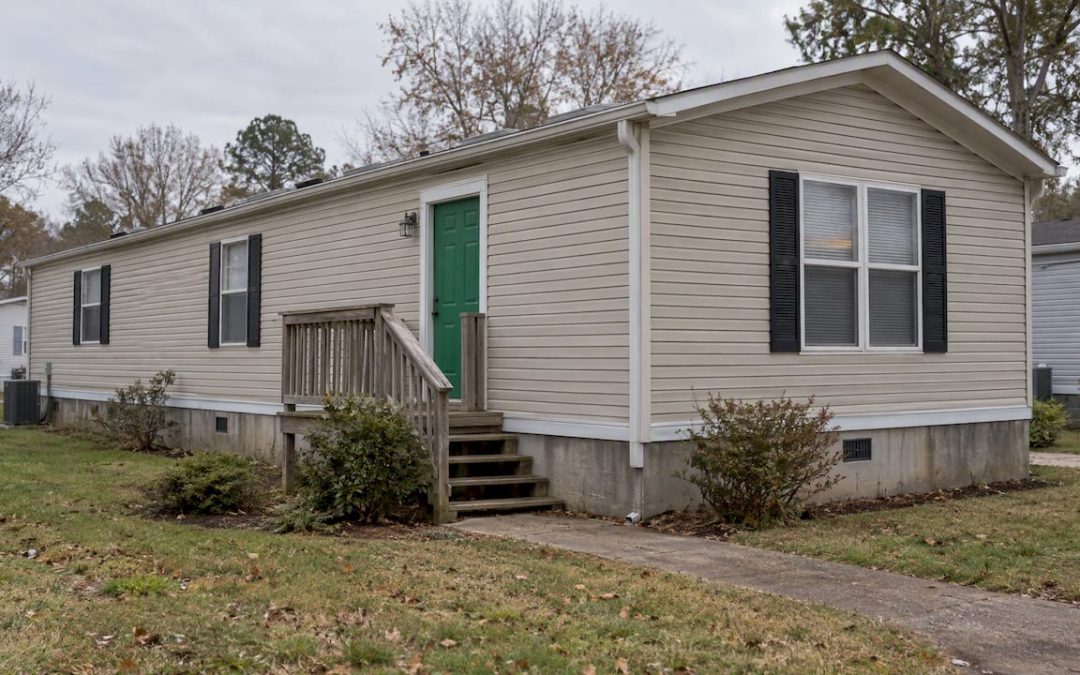
A mobile home inspection is a visual, hands-on review of a factory-built home’s structure, systems and safety features, done before you buy. It goes further than a standard house inspection, because these homes are built in a factory, hauled to a site and held up by a support system that site-built houses do not have. If you are buying one, hire an inspector who knows the underside, the anchoring and the HUD paperwork, not just the kitchen and the furnace.
Below you will find what the inspection covers, a room-by-room and underneath-the-home checklist, the problems that turn up most, how long it takes, what it costs, and how to pick the right inspector.
TL;DR
- A mobile or manufactured home inspection covers the same systems as any home inspection, plus the frame, piers, anchors, underbelly, marriage line and HUD data plate.
- Homes built after June 15, 1976 follow the federal HUD Code. Older homes are technically “mobile homes” and need extra scrutiny.
- A typical U.S. home inspection takes about 2 to 4 hours and costs roughly $300 to $600. Add-ons like radon, mold or sewer scope cost extra.
- FHA, VA and USDA loans often call for an inspection, and lenders may ask for a HUD-compliant foundation certification.
- Choose an inspector with manufactured-home experience and ask for the report within a day or two so you can negotiate in time.
Table of Contents
- Mobile home or manufactured home: why the label matters
- Why a buyer should get one
- What a manufactured home inspection covers
- Mobile home inspection checklist you can use on a first walkthrough
- Common problems an inspection finds
- Perspective: what we look for in a manufactured home
- How the inspection works and how long it takes
- What a mobile home inspection costs
- How to choose an inspector for a manufactured home
- Book an inspection with Hunt Home Inspection
- FAQ
- Sources
Mobile home or manufactured home: why the label matters
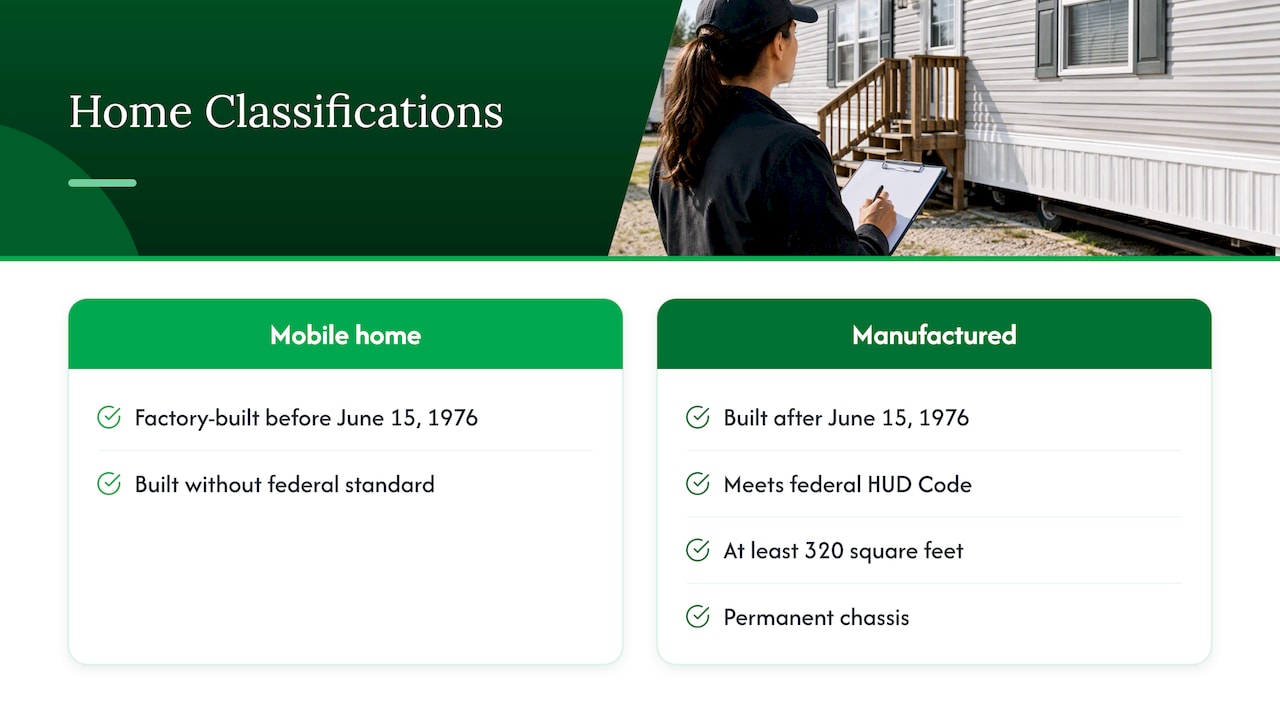
People use the terms interchangeably, but the date on the home decides which rules apply. A mobile home is a factory-built home built before June 15, 1976, while a manufactured home is built after that date and meets the federal HUD Code. That code covers safety, installation and construction quality.
HUD describes a manufactured home as a dwelling of at least 320 square feet built on a permanent chassis so it can be transported. Homes built after June 15, 1976 must be certified, and each transportable section must carry a HUD tag. The HUD standards address body and frame, thermal protection, plumbing, electrical, fire safety and more.
Why this matters to you as a buyer: a pre-1976 home was built without the federal standard, so expect more surprises in wiring, framing and add-ons. A newer home has a paper trail you can verify, starting with the label on the exterior of each section.
Why a buyer should get one
The American Society of Home Inspectors notes that factory construction, transport and lightweight materials all shape the safety of a manufactured home’s systems and structure. A home that has traveled hundreds or thousands of miles can have movement damage that a normal inspection would not look for.
The Florida Bar advises buyers to have a mobile home inspected by an inspector experienced with mobile homes, to check for structural, electrical or plumbing defects. That advice holds in any state.
There is also a financing reason. An inspection is often required for FHA, VA or USDA financing, and lenders may want a HUD-compliant permanent foundation certification before approving the loan. If you are using VA benefits, our guide to the manufactured home VA inspection process walks through what the lender expects.
What a manufactured home inspection covers
A good inspection has two halves: the parts every home has, and the parts only a factory-built home has. Both matter.
The parts every home has
- Roof and gutters: age, patches, flashing, leaks and ponding. Roof problems on manufactured homes are common enough that our piece on why roof inspection matters is worth reading before you walk the property.
- Exterior: siding, windows, doors, steps and skirting.
- Electrical: panel, breakers, visible wiring, outlets, grounding and any do-it-yourself work.
- Plumbing: supply and drain lines, fixtures, water heater, leaks and unsupported pipe runs.
- Heating and cooling: furnace, air conditioning, ductwork and venting.
- Interior: floors, walls, ceilings, cabinets and signs of past or present water damage.
A typical checklist form covers exterior siding, windows, doors, steps, roofs and gutters, plus interior plumbing, electrical, heating and cooling and water damage.
The parts only a manufactured home has
This is where costly problems hide. MHAuthority’s buyer guide says expensive defects often sit in the underside, the support and anchoring system, leveling and the marriage line, areas a conventional inspection can overlook. A thorough manufactured-home inspection should include:
- The underside and frame, including rust, damage and previous repairs
- Piers, anchors and straps (the tie-downs that hold the home to the ground)
- Insulation and belly wrap, and whether the belly is torn, sagging or wet
- Ductwork and plumbing runs under the home
- Whether the home is level
- On multi-section homes, the marriage line: the roof ridge, the wall seal and the floor joint where the sections meet
The inspection also starts with paperwork. The form documents the HUD label on the outside of each section and the paper data plate inside, including the serial number and manufacture date. Photograph both. If the label is missing, tell your agent and your lender right away.
Mobile home inspection checklist you can use on a first walkthrough
A professional inspection does not replace your own eyes. Before you pay for one, use this list to screen the home. It can save you an inspection fee on a home with obvious problems. For a broader walk-through habit, a home safety audit built around the major systems is a handy model for thinking about what to look at first.
Outside
- Check that the HUD label is on each section.
- Look at the skirting for gaps, rot or standing water near the base.
- Look at the roof line for sags, patched areas and missing shingles or coating.
- Test the steps, porches and railings. Unsafe stairs and attached additions are a recurring finding.
- Check that the ground slopes away from the home.
Inside
- Run every faucet and flush every toilet. Look under sinks for dampness.
- Watch for soft spots in floors, especially near tubs, toilets and exterior doors.
- Look for stains on ceilings and around windows, which point to roof or window leaks.
- Open and close every door and window. Sticking can mean the home has shifted or is out of level.
- Confirm there are working smoke alarms and that each bedroom has a window or door that works as an exit. Fire safety and exits are first-priority items in any manufactured home inspection.
Underneath
- Check that the anchors and straps exist and are not rusted through.
- Look at the piers for tilt, gaps or shifting blocks.
- Look for torn or sagging belly wrap and wet insulation.
- Check pipes and ducts for sagging, disconnected runs or supports that are missing.
If you can’t safely get under the home, leave this to the inspector. Crawl spaces can be wet, tight and unsafe.
Common problems an inspection finds
The ASHI article lists the issues inspectors see most often in manufactured homes: transportation-related warping and leaks, roof leaks, electrical defects, plumbing leaks or unsupported pipes, inadequate combustion air, improper gas connections, and unsafe stairs or attached additions. Another reference adds unsafe DIY electrical wiring and wet or contaminated crawl areas.
Here is how those findings tend to play out for a buyer:
| Finding | Why it matters | What to do |
|---|---|---|
| Roof leaks or failing coating | Water gets into the ceiling, insulation and walls | Ask for a roofer’s estimate before closing |
| Wet or torn belly wrap | Hides plumbing leaks, invites mold and pests | Have the underside re-checked after repair |
| Rusted or missing tie-downs | Affects stability and often the loan | Get an installer’s quote and ask the seller to fix |
| Unsupported or leaking pipes | Slow damage to floors and framing | Repair before closing |
| DIY wiring | Fire risk | Have a licensed electrician evaluate |
| Out-of-level home | Stress on the frame, doors and walls | Ask for a releveling quote |
Not every item is a deal breaker. Most are negotiating points. Our home inspection red flags list helps you sort the findings that should change your offer from the ones that are just maintenance.
Perspective: what we look for in a manufactured home
We inspect homes across the St. Louis Metro area and Southern Illinois, and we see a lot of first-time buyers, low-income families and veterans looking at manufactured homes because of the price. For many of them, this is the biggest purchase they will ever make, and a surprise repair bill can sink the budget.
Our view is simple. Do not treat a manufactured home as a cheaper version of a house inspection. Look at it as its own kind of building. Start from the bottom: the support system, the belly and the tie-downs. Then move up through the plumbing, electrical and roof. If the underside is sound, the rest of the list is usually manageable.
We also think the report should be usable the same day you read it. That is why we return reports within 24 hours, and why we offer both in-person and video walkthroughs, so a buyer who cannot be on site can still follow along. Our Create Request List™ tool helps you turn the findings into a clear repair request your agent can send without rewriting anything.
Finally, we hold certifications through NACA, ASHI and HUD 203k, and we know that lenders, especially on VA, FHA and USDA loans, want clean documentation. Ask any inspector you consider what they know about those requirements.
— JOHN
How the inspection works and how long it takes
A typical home inspection takes about 2 to 4 hours. A multi-section home with a crawl space and add-on porch or deck will usually land toward the longer end.
Here is the usual order:
- Paperwork check. The inspector records the HUD label and data plate details.
- Exterior and roof. Siding, windows, skirting, steps and roof surfaces.
- Underneath. Frame, piers, anchors, belly wrap, ducts and plumbing.
- Interior systems. Electrical panel, plumbing, heating and cooling, appliances, floors and walls.
- Walkthrough with you. You can attend or join by video and ask questions on the spot.
- Written report. Findings, photos and recommendations.
It helps to know the limits. ASHI’s 2026 Standard of Practice says inspections are not technically exhaustive and are not required to identify concealed conditions, latent defects, hazardous substances or wood-destroying insects, nor to give engineering analysis. The same standard says an inspection describes conditions at the time, does not set repair costs, and does not tell you whether to buy.
That is why add-on tests matter. Radon, mold, termite (wood-destroying organism), sewer scope, and well and septic checks are separate services. If the home has a well or septic system, see our guides to septic inspection cost and well inspection cost. For gases and contaminants, read about environmental home testing and the dangers of radon.
What the report should include
A written report should list what was inspected, what was not inspected and why, what needs repair, and a summary with a sign-off. The sample form records areas not inspected and the reasons. Some states set the rules by law. For example, Massachusetts standards require a timely, confidential written report describing conditions, needed repairs, inspection times, weather and obstructions.
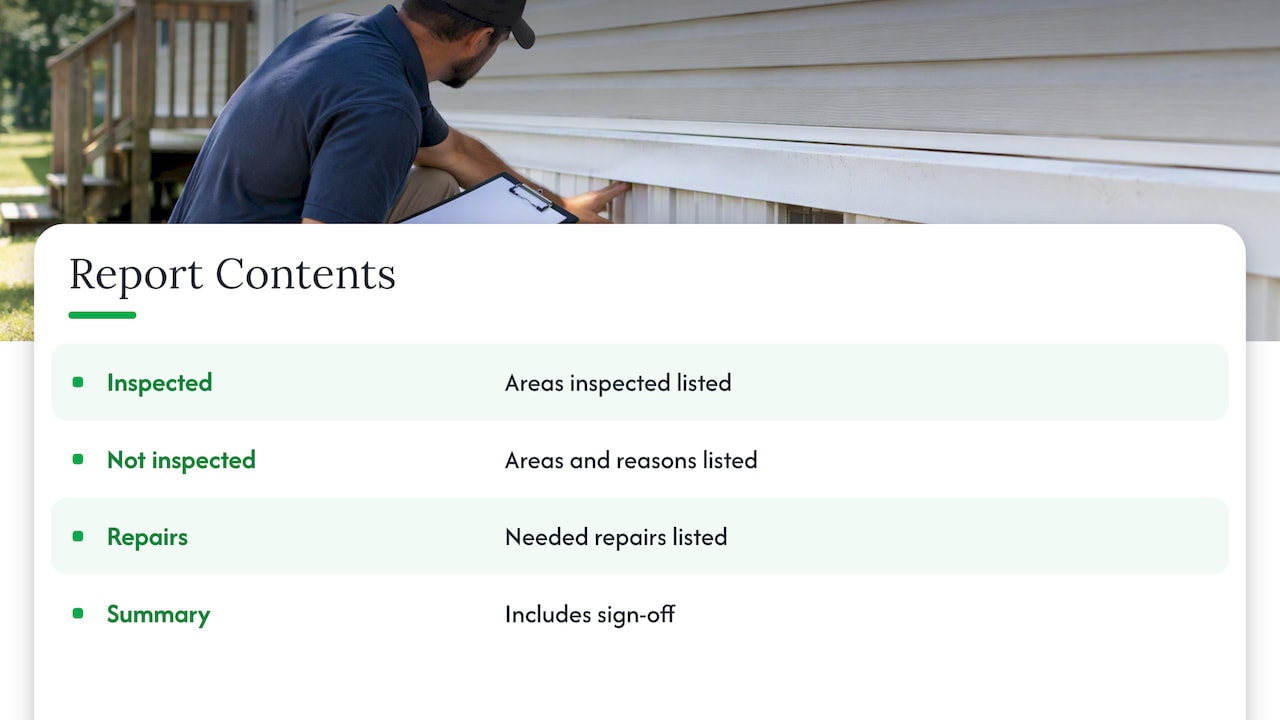
What to expect from us: a report within 24 hours. You can see how ours is laid out in the information in your home inspection report.
What a mobile home inspection costs
Prices vary by state, home size, age and add-ons. A good benchmark is that a U.S. home inspection typically costs $300 to $600. Plan on the higher end if the home is large, older than 1976, heavily modified, or has a hard-to-reach crawl space.
What moves the price:
- Size and sections. More sections and more square footage mean more time.
- Age and condition. Older homes with additions need closer attention.
- Access. Tight or flooded crawl areas add time.
- Add-ons. Radon, mold, termite, sewer camera, well and septic are separate.
- Travel. Rural properties can add to the quote.
We do not publish set prices for our inspections, so the quickest way to get a number is to request a quote for your specific property through our inspection services page. Compare quotes by what is included, not just the total.
How to choose an inspector for a manufactured home
Ask these questions before you book:
- How many manufactured homes have you inspected? Experience under the home matters more than a long general résumé.
- Will you inspect the underside, tie-downs and marriage line? If the answer is vague, move on.
- Are you licensed or certified where the home sits? Rules vary by state. In Oregon, for example, inspectors must hold an Oregon Inspector Certification plus the appropriate code certification before inspecting. Check your own state’s licensing board.
- Can you handle lender requirements? FHA, VA and USDA loans may call for foundation documentation. Our HUD compliance certifications page explains what we offer.
- How fast is the report? A slow report can cost you your inspection window.
- Can I attend? In person or by video, you should be able to ask questions as the inspector works.
If the park or community sets its own setup rules, find out whether a local building department also inspects. Some counties inspect setups themselves. Johnston County, North Carolina, for instance, runs setup inspections that include footing inspections before concrete is poured, under-home connections and final grading. That is a code check at installation, not a buyer’s inspection, so you still need your own.
Book an inspection with Hunt Home Inspection
If you are buying a manufactured home in the St. Louis Metro area or Southern Illinois, we can inspect it in person or walk you through it by video, with the report in your hands within 24 hours. We schedule evenings and weekends for buyers who work, and we offer discounts for veterans and first-time buyers. We also handle radon, mold, termite, sewer camera, well and septic add-ons.
See everything we offer on our inspection services page, or read how the home inspection process works for buyers first.
FAQ
Do mobile homes need to be inspected?
No federal rule makes every buyer get one, but lenders often do. FHA, VA or USDA financing may require an inspection, and some want a foundation certification. Even with cash, an inspection is the best protection against hidden structural and system defects.
How much does a manufactured home inspection cost?
Expect roughly $300 to $600 for a typical home inspection, more for large, older or heavily modified homes. Radon, mold, termite, sewer and well or septic add-ons are priced separately. Ask each inspector exactly what the quote includes.
How long does a mobile home inspection take?
Plan on about 2 to 4 hours. Multi-section homes, difficult crawl access and attached additions push it longer. You should receive a written report soon after, and ours arrives within 24 hours.
What is the difference between a mobile home and a manufactured home?
It comes down to the date. Homes built before June 15, 1976 are called mobile homes, and homes built after that date follow the federal HUD Code and are called manufactured homes. You can find the build date on the data plate inside the home.
Can a regular home inspector inspect a manufactured home?
Only if they know the home type. The underside, anchoring, belly wrap and marriage line are specific to these homes, so ask about experience before you book.
Sources
- Mobile Homes: Expand Your Inspection, American Society of Home Inspectors
- Manufactured Housing Homeowner Resources, HUD
- Buying a Mobile Home, The Florida Bar
- Do Mobile Homes Need to Be Inspected?, Redfin
- Inspect & Troubleshoot Mobile Homes, InspectAPedia
- Mobile Home Inspection Form, ReportWalk
- Inspections, Buyer’s Guide Chapter 13, MHAuthority
- Guide to Mobile Home Inspections, Johnston County
- ASHI Home Inspection Standard of Practice, 2026
- Massachusetts 266 CMR Standards of Practice
- Before You Sell: 6 Reasons to Get a Pre-Listing Inspection, ASHI
- Oregon Certification Manual, Building Codes Division
Recent Comments