
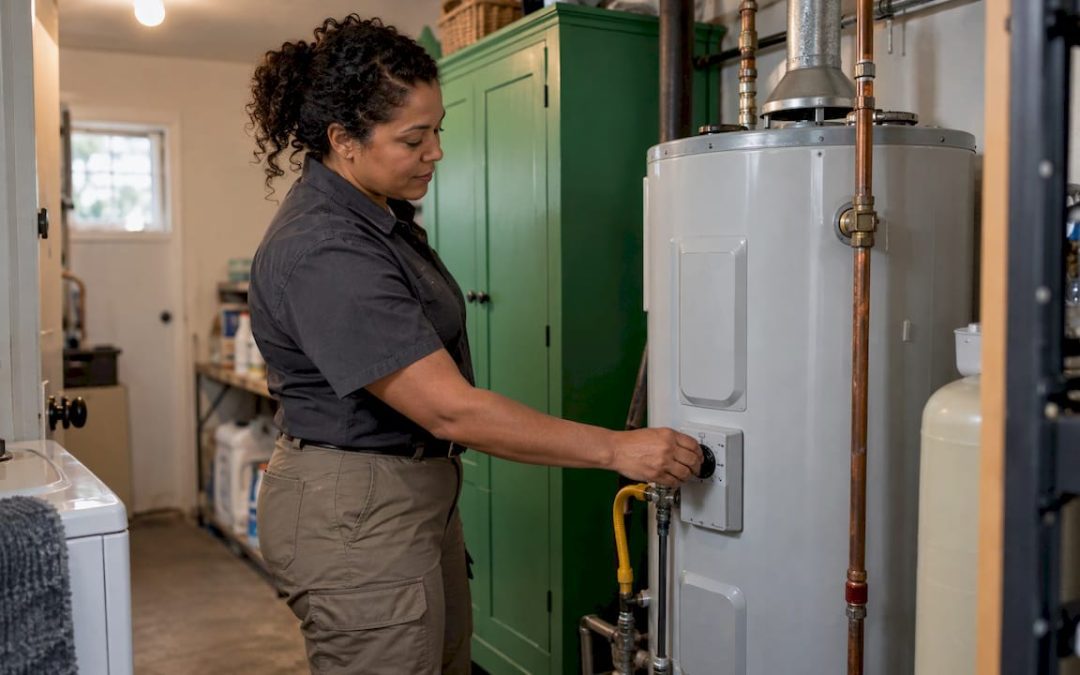
A home maintenance inspection is a scheduled, non-invasive visual review of the parts of your house an inspector can safely reach. The inspector checks the roof, plumbing, electrical, heating and cooling, foundation and more, then gives you a written report of what needs attention. It is built for homeowners who already own the house and want to catch small problems before they become expensive ones. Nothing is passed or failed. You get a list of what is fine, what to watch and what to fix first.
TL;DR
- A maintenance inspection is a visual, written check of a home’s major systems. It does not give a pass or fail, only a prioritized list of findings.
- InterNACHI recommends inspecting every home once a year. Newer homes in good shape can reasonably go a little longer, but older homes benefit from a yearly look.
- Expect two to four hours on site for an average single-family home, and a national average of roughly $296 to $425 for a standard home inspection.
- You should keep doing your own seasonal checks. A professional covers what you can’t safely reach or judge.
- We deliver reports within 24 hours, so you can start on the priority items right away.
Table of Contents
- What a home maintenance inspection actually is
- What the inspector checks
- How often should you schedule one?
- There is no pass or fail
- DIY checks and professional inspections work together
- How long it takes and what to expect on the day
- What it costs
- What to do with the report
- Our perspective
- Book a home maintenance inspection in the St. Louis area
- FAQ
- Sources
What a home maintenance inspection actually is
Think of it as an annual physical for the house. InterNACHI describes the service as a scheduled visual review of readily accessible components and systems. The inspector operates normal controls where appropriate, records observed defects and maintenance concerns, and writes them up. The exact scope is agreed in advance, and it can follow a published standard of practice.
That last point matters. A maintenance inspection is not a purchase inspection. When you buy a house, the inspection supports a negotiation and a decision. When you already live there, the inspection is about upkeep: a gutter that has started pulling away, a water heater showing corrosion, a line of staining on an attic rafter. These are things you would not notice from the couch, and they are cheap to deal with early.
If you are not sure which type you need, the difference is simple:
| Situation | Inspection that fits |
|---|---|
| You are about to buy a house | Buyer’s home inspection |
| You are about to list your house | Pre-listing (seller’s) inspection |
| You own the house and want to stay ahead of repairs | Home maintenance inspection |
| A contractor finished work and you want it checked | Re-inspection |
We offer all four, along with specialty testing. You can see the full list on our inspection services page.
What the inspector checks
The core list is consistent across the major professional bodies. The American Society of Home Inspectors says an inspection typically covers heating, central air conditioning when the temperature allows, interior plumbing, electrical, the roof, attic and visible insulation, walls, ceilings, floors, windows, doors, foundation, basement and structural components. Areas that are inaccessible or unsafe may not be assessed.
The more detailed InterNACHI checklist breaks that down further:
- Roof and drainage: roof coverings, gutters, downspouts, flashing, vents and penetrations.
- Exterior: walls, windows, doors, decks, stairs, drainage and grading.
- Structure: foundation, basement, crawlspace and framing.
- Heating and cooling: the HVAC system and its visible components.
- Plumbing: fixtures, the water heater and drains.
- Electrical: panels, receptacles, GFCI and AFCI protection, smoke and carbon monoxide detectors.
- Attic: insulation and ventilation.
- Interior: surfaces, stairs, garage doors and visible fireplace components.
Two of those areas deserve a closer look because they quietly cost homeowners the most. The attic is one: moisture, poor ventilation and thin insulation all show up there first. Our guide to attic insulation checks explains what an inspector looks for. The heating and cooling system is the other, and our overview of the HVAC inspection shows what gets tested and what stays visual.
What a maintenance inspection does not cover
A visual inspection has defined limits, and knowing them keeps your expectations realistic. Under InterNACHI’s standards of practice, inspectors are not required to determine code compliance, predict future conditions, or check for pests, mold, radon, lead, asbestos, air quality or other environmental hazards. They also don’t estimate repair costs, and an inspection will not identify concealed defects. The scope can be modified before the inspection.
In practice, that means specialty concerns are handled as separate services. If you smell mustiness, you want a mold inspection. If you have never tested your basement, radon is worth knowing about, and we explain the dangers of radon in the home and how long a radon test takes. Termite (wood-destroying organism) checks, sewer camera inspections, and septic and well inspections are also separate add-ons we offer.
How often should you schedule one?
InterNACHI’s position is clear: every home should be inspected every year. That is the recommendation of the association, and it is a good default for a few kinds of homes:
- Houses more than 20 or 30 years old, where roofing, plumbing and electrical components are aging.
- Homes that have had a recent repair, renovation or storm event.
- Homes with a history of water intrusion, a damp basement or a crawlspace.
- Homes you plan to sell within a couple of years, since early fixes protect your price.
If your house is newer and has been trouble-free, a longer gap can be reasonable, but you should still do your own checks in between. Many homeowners pick a time of year and make it routine. Spring is a natural fit for checking what winter did to the roof, gutters and foundation. Fall is a natural fit for making sure the heating system, chimney and drainage are ready for cold weather. In the St. Louis area, with freeze and thaw cycles and heavy summer humidity, both seasons put real stress on a house.
We schedule evenings and weekends, so booking does not have to cost you a day off work.
There is no pass or fail
A lot of people search for whether a home inspection is pass or fail. It is neither. A home inspection is a report on condition, not a test the house takes. ASHI puts it plainly: no house is perfect, and an inspection may reveal significant repairs, builder oversights or general maintenance needs.
What the report does is sort findings. Roughly, they fall into three groups:
- Safety or major defects: needs prompt attention from the right tradesperson.
- Repairs that will get worse if ignored: schedule them this season or next.
- Routine maintenance and monitoring: things like caulking, filters, minor settling or aging components that are still working.
What counts as a serious red flag
InterNACHI defines a material defect as an issue that may significantly and adversely affect property value or pose an unreasonable risk to people. Its standards call for reporting observed active water penetration and possible foundation movement. In its buyer and seller FAQ, the association lists a major foundation crack, wood-destroying organism infestation or evidence of mold among the severe problems.
Other items that deserve a quick call to a specialist after you read your report include:
- Active leaks, or stains that grow between visits.
- A panel with signs of overheating, scorching or double-tapped breakers.
- A furnace or water heater with rust, soot or a failed safety component.
- Soft spots in decks, stairs or flooring near plumbing.
If you want the buyer’s view of the same issues, our home inspection red flags list walks through them in more detail.
DIY checks and professional inspections work together
You can and should do routine checks yourself. Changing furnace filters, testing smoke and carbon monoxide detectors, clearing gutters and looking for new stains are all simple. This Old House and ASHI both encourage homeowners to do this and also to supplement it with professional inspections, since a professional gives an unbiased, comprehensive view.
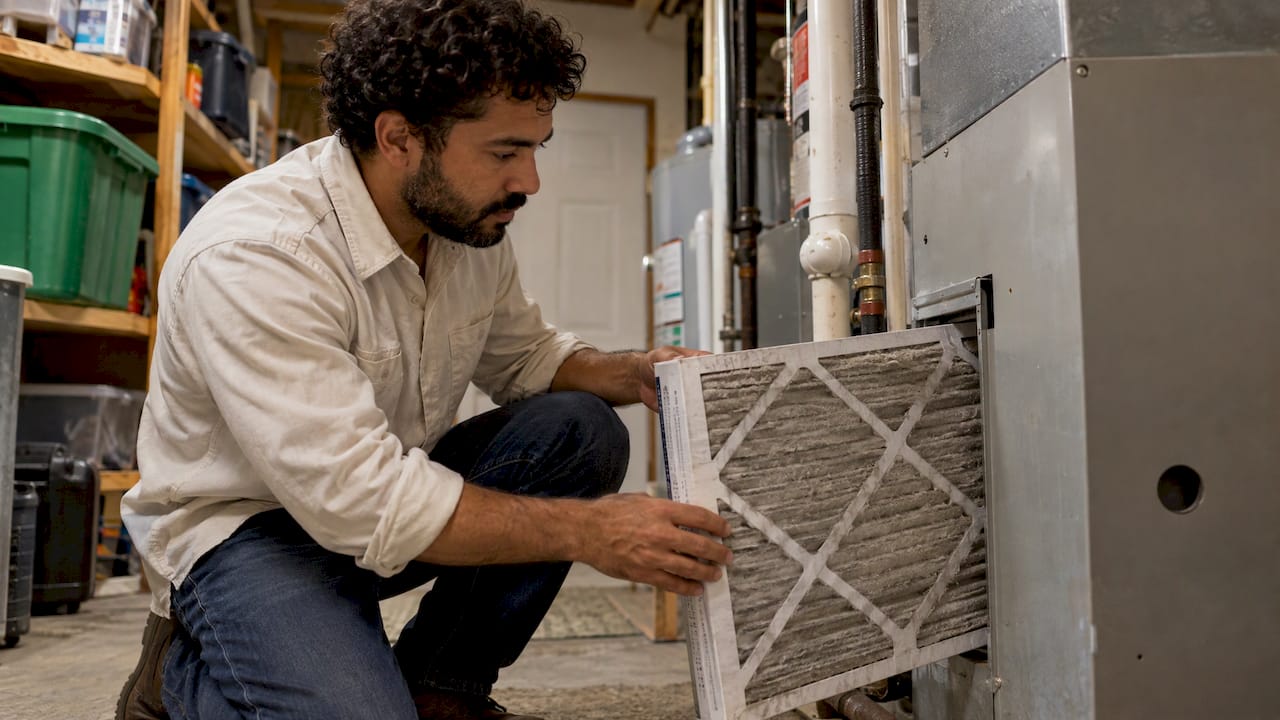
The ASHI homeowner maintenance checklist is a good model for your own list: HVAC filters and ductwork, plumbing leaks and pressure, outlets and breakers, gutters and roof, caulking and grout, detectors, pests, dryer vents, appliances, garage doors, locks and chimney cleaning.
Appliances are a good example of where upkeep pays. Small habits such as cleaning coils and checking door seals add years to a refrigerator, and these refrigerator maintenance checks show how serviceability affects lifespan. The same logic applies to the bigger systems in your house: routine care by you, then a trained eye once a year for what you can’t judge.
There are things that are better left to someone trained and equipped:
- Walking a roof, which is a fall risk.
- Judging foundation cracks and structural movement.
- Evaluating the electrical panel with the cover off (this belongs to a qualified professional).
- Assessing crawlspaces and attics where footing is poor.
- Reading the pattern of problems across systems, such as how a grading issue explains a damp basement and a sagging gutter.
An inspector who is not selling repairs also gives you something useful. InterNACHI notes that inspectors are unbiased, unlike contractors who may have services or materials to sell.
If you want to prepare before the visit, our DIY pre-inspection checklist lists what to clear and what to note. For a quick-turn repair list after the visit, see the maintenance inspection checklist.
How long it takes and what to expect on the day
For an average-sized single-family home, a professional inspection typically takes two to four hours, with larger or older homes taking longer. Add-ons such as a sewer camera run or a radon test extend the visit or the timeline. Our article on why inspection duration matters explains why a rushed visit can miss things.
To get the most out of the visit:
- Clear access to the attic hatch, electrical panel, water heater, furnace and under-sink cabinets.
- Make sure utilities are on so the inspector can operate systems.
- Write down anything you’ve noticed: slow drains, odd smells, rooms that are always cold.
- Be home if you can. Walking through with the inspector lets you see problems yourself and ask questions.
- Keep a record of past repairs and the age of the roof, water heater and HVAC equipment.
If you have never watched an inspection, what to expect on inspection day describes the flow, though it is written from a buyer’s point of view.
What it costs
Prices vary by region, home size, age and add-ons, and inspectors set their own fees. As a national benchmark, Angi’s 2026 cost data puts professional home inspections between $296 and $425 for a standard home. The same guide says specialized follow-up inspections for plumbing, electrical or foundation concerns can range from $125 to $660.
The usual drivers of price are:
- Square footage: more rooms and systems means more time.
- Age and type of home: older homes and those with crawlspaces take longer.
- Location: metro and rural pricing can differ, and travel distance can matter.
- Add-on services: radon, mold, termite, sewer scope, well and septic checks.
We do not publish set prices for our services online, so we quote based on the property and the services you need. We offer discounts for veterans and first-time buyers, and for some services payment can be timed with closing. Ask when you book.
What to do with the report
The report is only useful if it turns into action. A sensible way to handle it:
- Read the summary first, then the details for each system.
- Sort items by urgency. Safety and water issues come first, then repairs that worsen with time, then routine upkeep.
- Get specialist opinions for anything the report flags for further evaluation: a roofer, plumber, electrician, HVAC technician or structural engineer.
- Make a calendar. Spread non-urgent items across the next 12 months so they don’t pile up.
- File the report. Industry bodies note that keeping inspection records helps with insurance, potential warranty claims and future sales.
Repeat inspections also make trends visible. A hairline crack that has not changed in two years is a different story than one that has doubled.
Our perspective
Most of the homeowners we meet are not asking whether their house is perfect. They want to know what to do first, and what they can safely leave alone for now.
That is why we put the emphasis on clear reports and fast turnaround. You get a written report within 24 hours, so findings are fresh and you can call the right contractor while you still remember what we pointed out. We also offer in-person and video options, and evening and weekend scheduling, because maintenance is easy to put off when it competes with work and family.
We believe a yearly professional inspection, paired with your own seasonal checks, is the most practical way to protect what is probably your biggest investment. Our certifications with NACA, ASHI and HUD 203k reflect how seriously we take that work, and we pay special attention to first-time buyers, veterans and families on a budget, who feel a surprise repair bill the most.
When a finding calls for more testing, we can handle that too, from radon and mold to termite, sewer camera, septic and well inspections, so you are not chasing several companies for one answer.
JOHN
Book a home maintenance inspection in the St. Louis area
Hunt Home Inspection serves the St. Louis Metro area and Southern Illinois. A home maintenance inspection with us gives you a written report within 24 hours, a walkthrough that can be in person or by video, and add-on testing if something needs a closer look. Veterans and first-time buyers can ask about our discounts.

See the full list of services and request a time on our inspection services page, or start from our home page.
FAQ
What does a home maintenance inspection consist of?
It is a visual, non-invasive review of accessible systems and components: roof, exterior, structure, plumbing, electrical, heating and cooling, attic and interior. The inspector records defects and maintenance concerns and gives you a written report. The scope is agreed beforehand.
Is a home inspection pass or fail?
No. An inspection reports condition rather than grading the house. You get findings sorted by urgency, so you know which items are safety or major concerns and which are routine upkeep.
How often should I get an annual home inspection?
InterNACHI recommends one every year. Older homes, homes with past water problems and homes you plan to sell soon benefit most. Between visits, do your own seasonal checks of filters, gutters, detectors and visible leaks.
Can I inspect my own house?
Yes, for routine visual checks such as filters, detectors, gutters and signs of leaks, and you should. A professional adds an unbiased, trained review of the roof, structure, electrical and areas you can’t safely reach. Most homeowners do both.
How long does it take?
Plan on roughly two to four hours for an average single-family home. Larger or older houses and add-on tests take longer. Your report from us arrives within 24 hours of the visit.
Sources
- Home Maintenance Inspection Information, InterNACHI
- Home Inspection Standards of Practice, InterNACHI
- What is a Home Inspection?, ASHI
- InterNACHI basic checklist
- Home Maintenance Checklist, ASHI
- Home Inspection FAQ for Buyers and Sellers, InterNACHI
- How To Give Your House a Yearly DIY Inspection, This Old House
- Your Home’s Annual Physical, InterNACHI
- What Do Home Inspectors Look For, Opendoor
- How Much Does a Home Inspection Cost?, Angi
- Serviceability Predicts Refrigerator Lifespan, FactRated
Recent Comments