
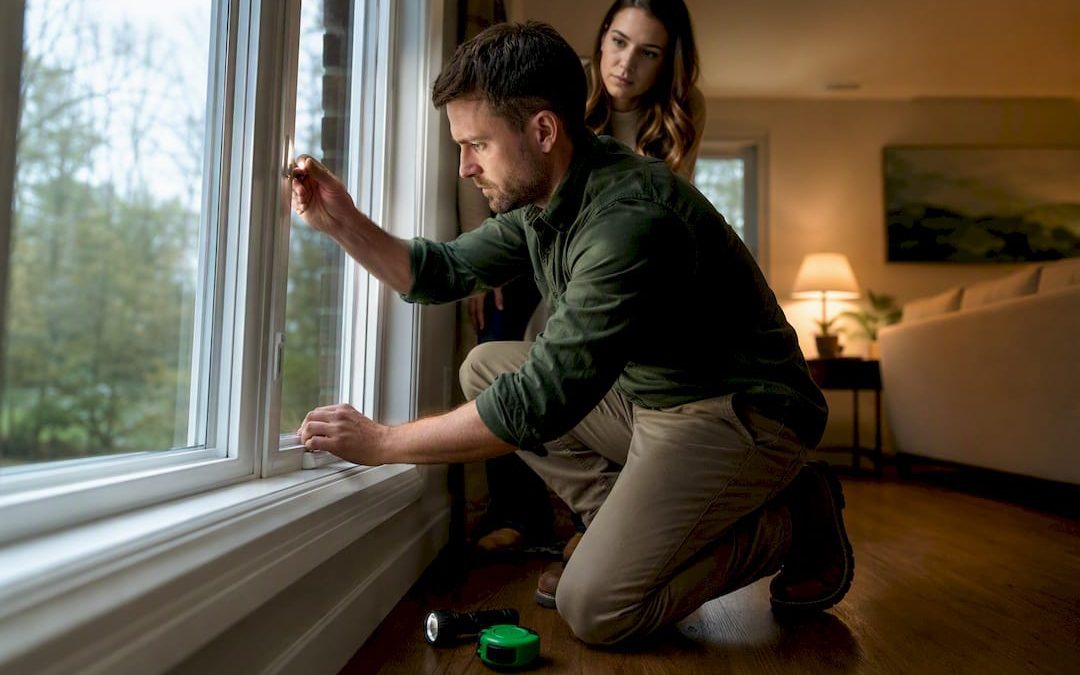
Get a professional buyer’s inspection, and attend it in person, because it reveals safety and major-system problems an appraisal never checks. Once you have the report, you can request repairs, negotiate a credit, renegotiate the price, or walk away under your contingency. Skipping this step to save a few hundred dollars is the single most common regret first-time buyers report after closing.
TL;DR:
- A home inspection reveals safety and structural issues that appraisals do not detect, and attending it in person enables immediate negotiation or repair requests.
- Inspectors evaluate key systems such as the foundation, roof, plumbing, electrical, and HVAC, identifying critical problems like major leaks or electrical hazards.
- Choosing a qualified inspector involves verifying state licensing, certifications, inspecting experience with similar homes, and demanding timely, comprehensive reports.
- During the inspection, buyers should attend, observe system demonstrations, and document questions to better understand findings and their significance.
- Review reports for safety or structural concerns first, then negotiate repairs, credits, or price reductions, especially when severe issues like foundation damage or active leaks are present.
Table of Contents
- What Is a First Time Buyer Inspection, Really?
- What Do Inspectors Actually Check, System by System?
- How Do You Choose a Qualified Home Inspector?
- What Should You Do During the Inspection?
- How Do You Read the Report and Negotiate Repairs?
- Which Findings Should Actually Change Your Mind?
- How Hunt Home Inspection Supports First-Time Buyers
- What First-Time Buyers Get Wrong About Inspection Reports
- Ready to Book Your Inspection?
- Sources
- FAQ
What Is a First Time Buyer Inspection, Really?
A first time buyer inspection is a visual, non-invasive checkup of a home’s condition, paid for and ordered by the buyer, not the lender or the seller. It’s easy to confuse with an appraisal, but the two serve completely different purposes. An appraisal tells the lender what the house is worth for underwriting; it does not guarantee condition and was never meant to protect the buyer, according to HUD’s own appraisal guidance.
An inspector looks at what’s visible and accessible: they don’t cut into walls, pull up flooring, or run diagnostic testing on hidden systems. The ASHI Standards of Practice spell this out clearly, defining inspections as visual, non-exhaustive examinations with specific limits on scope. That’s a feature, not a flaw. It keeps costs manageable while still catching the issues that matter most.
Timing matters too. Most buyers schedule the inspection within days of an accepted offer, and Realtor.com notes it typically happens within 7 to 10 days after the offer, so there’s still time to negotiate before other deadlines hit. A thorough walk-through usually takes 2 to 4 hours, according to Consumer Reports.
Before you hire anyone, look for these trust signals:
- State licensing where your state requires it
- ASHI or InterNACHI certification
- A sample report you can actually review before booking
- Report turnaround of 24 to 48 hours
If you want the fuller breakdown, our guide to what a home inspection covers walks through it in more detail.
What Do Inspectors Actually Check, System by System?
Inspectors work through the house methodically, and knowing the order helps you follow along instead of just watching from the sidelines. Here’s the general sequence and what tends to go wrong in each area:
- Structure and foundation. Cracks wider than a quarter-inch, uneven floors, and sticking doors can signal settling or bigger structural movement.
- Roof, attic, and drainage. Missing shingles, worn flashing, poor attic ventilation, and clogged gutters are the usual suspects behind water intrusion.
- Plumbing. Visible leaks under sinks, water heater age and condition, and signs of sewer or septic backup all get flagged here.
- Electrical. Outdated panels, missing GFCI outlets, and amateur wiring jobs are common safety hazards that surface during this part of the walk-through.
- HVAC. The inspector runs the system to check airflow, age, and obvious maintenance neglect, like a filter that hasn’t been changed in years.
- Exterior and grading. Poor slope away from the foundation, cracked walkways, and failing caulking around windows all point to long-term moisture problems.
Pro Tip: If the home has a well, septic system, or is more than 20 years old, ask about bundling radon, sewer scope, and well water testing into the same visit. Some lab-based tests take several days to return results, so ordering them early protects your closing timeline.
For a broader rundown you can print and bring along, this checklist for busy buyers covers the same ground in a portable format.
How Do You Choose a Qualified Home Inspector?
Not every inspector operates at the same level, and the cheapest bid is rarely the best value. NerdWallet recommends vetting more than one inspector rather than accepting whoever your agent suggests first, since some agents have relationships that create subtle conflicts of interest.
Ask each candidate these questions before booking:
- Are you licensed in this state, and are you certified through ASHI or InterNACHI?
- Can I see a sample report before I hire you?
- How fast will I get my report, and does it include photos?
- Have you inspected homes with this foundation type or age before?
- Do you offer radon, sewer camera, or well and septic testing as add-ons?
Walk away from anyone who can’t produce proof of insurance, hands you a vague or text-only sample report, or quotes a price far below everyone else you’ve called. A rock-bottom fee on a service this important usually means a rushed inspection or a inspector cutting corners somewhere you won’t see until it’s too late.
What Should You Do During the Inspection?
Attend if you possibly can. Consumer Reports treats the final walk-through as one of the most valuable parts of the entire process, because seeing an issue in person sticks with you far better than reading about it in a PDF two days later.
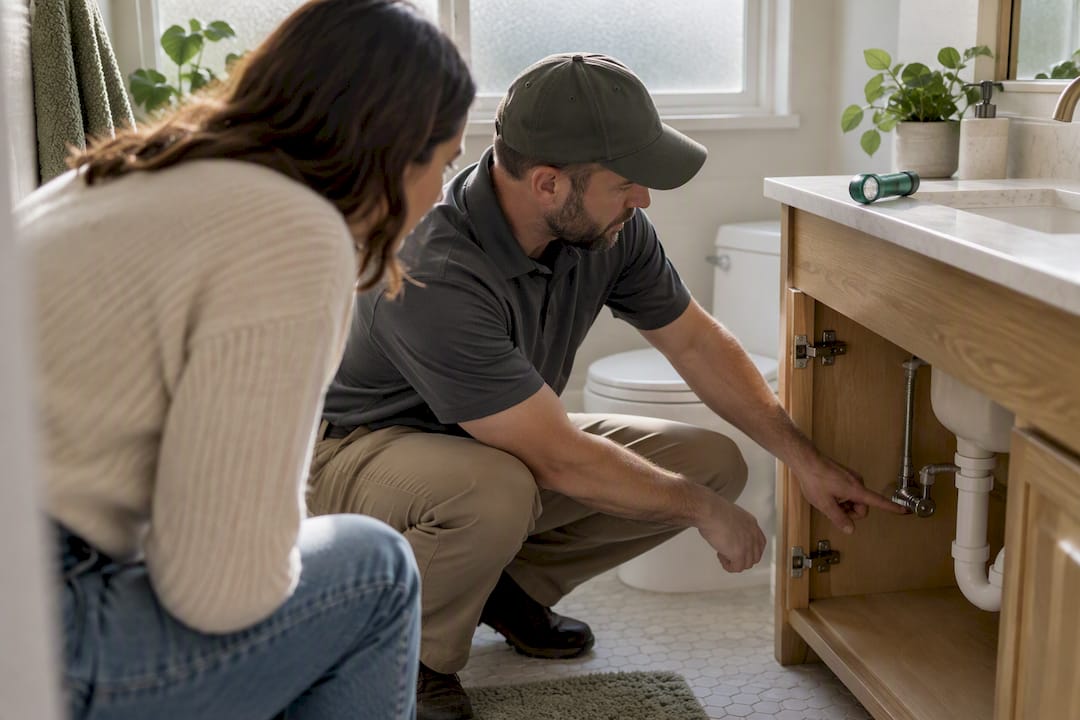
That said, there’s an etiquette to it. Agree on timing with your inspector beforehand, follow along at a respectful distance, and save your deeper questions for natural pauses rather than interrupting mid-inspection.
A few practical notes for the day itself:
- Wear closed-toe shoes; you’ll likely be walking through a crawl space, attic, or garage.
- Bring a notepad or just use your phone to snap photos of anything you want to remember.
- Block out 2 to 4 hours, and don’t schedule anything tight right afterward.
- Ask the inspector to demonstrate systems, like running the HVAC or flushing toilets, so you see them work in real time.
Pro Tip: Keep a running list of questions on your phone as you walk through. Save the “why does this matter” questions for the end, when the inspector has the full picture and can put smaller issues in context. Our first-time buyer questions guide has a ready-made list if you’d rather not build one from scratch.
How Do You Read the Report and Negotiate Repairs?
Reports typically group findings by severity, so start there instead of reading top to bottom. Photos attached to each item let you verify what the inspector saw without having to remember every detail from the walk-through.
Work through the findings in this order:
- Safety and structural issues first. Anything involving electrical hazards, gas leaks, or foundation movement gets priority attention and, often, priority negotiation.
- Major systems second. Roof age, HVAC condition, and water heater life expectancy affect your budget for years, even when they’re not urgent today.
- Deferred maintenance last. Peeling paint, a loose handrail, or worn caulking are real but rarely worth fighting over.
From there, you generally have four negotiation paths: ask the seller to make repairs before closing, request a credit toward your closing costs, renegotiate the purchase price, or cancel the contract under your inspection contingency. Our guide to buyer inspection contingencies covers how these clauses typically work.
If you’re financing with an FHA or VA loan, be aware that appraisers may flag health and safety items that must be resolved before the loan can close, separate from anything your own inspector found.
Which Findings Should Actually Change Your Mind?
Most inspection reports come back with a page or two of minor items, and that’s normal, not alarming. A handful of findings deserve serious weight, though, because they carry real financial and safety consequences:
- Foundation movement or major structural damage. These repairs often run into five figures and can complicate financing altogether.
- Active roof leaks or extensive water damage. Beyond the repair cost, ongoing moisture invites mold and can compromise structural framing over time.
- Unsafe electrical systems or gas hazards. These are immediate safety risks, not “get to it eventually” items.
- Failing septic systems or major sewer line damage. Replacement can cost thousands and usually requires specialized inspection before you even know the full scope.
An older home with years of deferred maintenance isn’t automatically a bad buy, but it does change your negotiating position and how much cash you should keep in reserve after closing.
How Hunt Home Inspection Supports First-Time Buyers
Jhunthomeinspections builds its process around what first-time buyers actually need: clarity, speed, and options. Reports come back within 24 hours, photo-rich and easy to read under pressure. Buyers who can’t attend in person, or who want a second set of eyes, can use video inspection options to walk through the home remotely with the inspector.
A few things worth knowing before you book:
- The Create Request List™ tool organizes findings into a document you can hand directly to your agent for negotiation, cutting out a lot of back-and-forth confusion.
- Specialty add-ons like radon, sewer camera, and mold testing get recommended when the home’s age, location, or systems suggest they’re worth the extra cost, not as an automatic upsell.
- Evening and weekend scheduling, along with discounts and accommodations for veterans, first-time buyers, and low-income families, are built into how appointments get booked.
- Payment-at-closing is available for some services, which helps buyers who are already stretching cash for a down payment and closing costs.
What First-Time Buyers Get Wrong About Inspection Reports
Most homes generate at least a few pages of findings, and that’s not a reason to panic or walk away. Treat the report as a maintenance plan, not a verdict on whether you made a good choice. Sort issues by what threatens safety or the structure first, then let everything else settle into your first-year home maintenance budget.
. If you want to talk through a report before deciding your next move, reach out. That’s what the follow-up conversation is for.
— JOHN
Ready to Book Your Inspection?
Skipping specialty tests to save money upfront is how first-time buyers end up with a five-figure septic or sewer repair bill six months after closing. Jhunthomeinspections bundles the buyer’s inspection with radon, sewer camera, mold, and well or septic testing in a single visit when your home’s age or location calls for it, so you get a complete picture instead of piecing it together one appointment at a time.

The 24-hour report turnaround means you’re not burning contingency days waiting on paperwork, and the Create Request List™ tool turns your findings into a document your agent can actually use to negotiate, instead of a stack of PDF pages nobody has time to summarize. Evening and weekend appointments, along with discounts for first-time buyers, veterans, and low-income families, make scheduling around a busy house hunt easier.
Ready to see what’s available for your closing timeline? Visit Hunt Home Inspection’s services page to review the full list of inspections and book a date that works before your contingency window closes.
Sources
- HUD: Appraisal handbook appendix D (FHA appraisal guidance)
- How to get the most from a home inspection — Consumer Reports
FAQ
What Does a First-Time Home Buyer Inspection Consist Of?
It’s a visual walk-through of the home’s major systems: roof, foundation, electrical, plumbing, and HVAC, done by a licensed inspector you hire. It typically runs 2 to 4 hours, according to Consumer Reports, and produces a written report with photos you can use to negotiate.
What Is the Biggest Red Flag in a Home Inspection?
Foundation movement and structural damage top the list, since repairs are often expensive and can complicate your financing. Active roof leaks and unsafe electrical wiring follow close behind because both carry immediate safety and cost risks.
Do Most Home Buyers Go to Their Inspection?
Attending is strongly encouraged, and inspection professionals consider the final walk-through one of the most valuable parts of the process, per Consumer Reports. Buyers who can’t be there in person can often arrange a video inspection instead.
What Are Five Important Things Checked in a Home Inspection?
Inspectors focus heavily on the roof, foundation and structure, electrical panel and wiring, plumbing and water heater, and HVAC system. Each of these carries higher repair costs and safety implications than cosmetic issues like paint or flooring.
How Much Does a Buyer’s Home Inspection Cost?
Pricing depends on the home’s size, age, and any specialty add-ons like radon or sewer scope testing. Jhunthomeinspections lists current service details on its inspection services page rather than a flat rate, since scope varies by property.
Recent Comments