
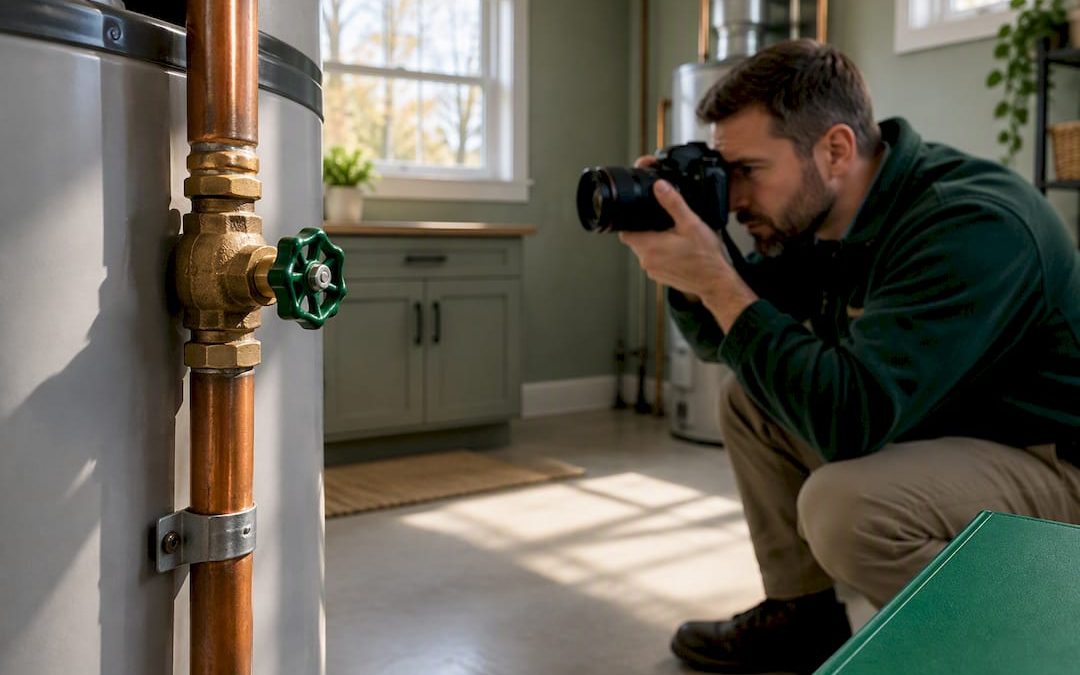
Most homebuyers receive a full written inspection report within 24 to 72 hours after the inspection, and some inspectors deliver it the same day or within 24 hours. That speed matters because your inspection contingency clock keeps running regardless of when the report lands, so booking the inspection early protects your options. Specialty tests like radon or wood-destroying insect checks can extend that window further.
TL;DR:
- Most home inspection reports are delivered within 24 to 72 hours, with same-day or 24-hour options available for smaller properties or lighter schedules.
- Report timing can be delayed by property size, inspector workload, specialty tests, or holidays, making it essential to confirm turnaround estimates before booking.
- The inspection contingency window typically lasts one to two weeks from contract acceptance, so quick report delivery is crucial for timely follow-up actions.
- Thorough reports include safety flags, explanations, and photos, but additional specialty tests like radon or insect inspections have separate schedules and deadlines.
- Attending the inspection and scheduling tests early helps prevent delays and ensures critical issues are addressed within your contingency period.
Table of Contents
- What happens from inspection day to report delivery
- Factors that affect how long the report takes
- How report timing affects your inspection contingency deadline
- What a thorough report actually covers
- Specialty inspections run on their own clocks
- What to do once the report is in your hands
- Tips to speed up your report and avoid delays
- How Hunt Home Inspection approaches report turnaround
- What I look for when writing a report
- How Hunt Home Inspection can get you a faster answer
- Sources
- FAQ
What happens from inspection day to report delivery
The on-site portion of a standard home inspection typically runs 2 to 3 hours, though a larger or older house can push that longer while a condo often takes less time. Once the inspector leaves the property, the real work of turning notes and photos into a readable report begins, and that step is what actually determines how fast you get your document.
- Inspectors compile field notes, organize photos by system or room, and draft explanations for anything unusual.
- Reports are usually delivered as a PDF through email or uploaded to a client portal, which tends to be faster than mailed or printed copies.
- Same-day delivery is possible for smaller properties or inspectors running lighter schedules.
- A 24-hour turnaround is common practice among many inspection companies.
- Weekend inspections, holidays, or a backed-up schedule can stretch delivery to 48 or 72 hours even when the inspector aims for faster.
Digital delivery through a portal also means you can often review photos and flagged items before the full narrative report finishes uploading, which helps if you are working against a tight deadline.
Factors that affect how long the report takes
Several variables decide whether your report shows up same day or a few days later.
- Property size and age: More square footage, more systems, and older construction all add time to both the walkthrough and the write-up.
- Inspector workload: Spring and early summer buying seasons often mean inspectors are booked back to back, which can push report drafting later in the day.
- Specialty tests ordered: Lab-based results, like water or asbestos samples, depend on a third-party lab’s own turnaround, not the inspector’s schedule.
- Reporting technology: Inspectors using mobile apps with built-in photo tagging and template narratives generally finish reports faster than those writing from scratch.
- Weekend and holiday timing: An inspection done on a Friday or before a holiday may not get a finished report until the next business day.
Pro Tip: Ask your inspector directly what their average turnaround time is before you book, since it varies by company and by season.
How report timing affects your inspection contingency deadline
The Consumer Financial Protection Bureau recommends scheduling your inspection as soon as your offer is accepted, precisely because the report is only the first step. Once you have it, you still need time to order follow-up tests, gather contractor estimates, and decide whether to negotiate or walk away.
- Most purchase contracts set an inspection-contingency window of about one or two weeks, and that clock starts at acceptance, not at report delivery.
- If you are buying a home built before 1978, HUD and EPA guidance gives you a 10-day opportunity to conduct a lead-risk assessment unless you and the seller agree to a different period, and you are typically responsible for scheduling and paying for that test yourself.
- If your report arrives late or reveals something requiring more time, ask your agent about a written extension addendum rather than assuming the deadline flexes on its own.
Our guide to inspection contingencies walks through how these windows typically work in a purchase agreement.
What a thorough report actually covers
A report that takes a little longer to arrive is often doing more work behind the scenes. The ASHI standard of practice requires that a report identify what was inspected, flag unsafe or significantly deficient conditions, and explain findings that would not be obvious to someone without training.
- The report must recommend further evaluation when something falls outside a general home inspection’s scope.
- It must list accessible components that were not inspected, along with the reason.
- ASHI’s standard limits the inspection to visual observation, and inspectors are not required to estimate repair costs.
- Photos paired with plain-language explanations are a sign of a more useful report, even if that detail adds time to production.
Knowing these requirements helps you judge whether a fast report is also a complete one, or just a short one.
Specialty inspections run on their own clocks
Several add-on inspections are scheduled and reported separately from your general home inspection, and each carries its own timing.
- Lead testing: For homes built before 1978, buyers get a 10-day window under HUD guidance, and scheduling that test late can eat into your entire contingency period.
- Wood-destroying insect inspections: The NPMA-33 form notes the report reflects conditions only on the day of inspection and may not be valid for mortgage or settlement use after a set period, often 90 days.
- Radon testing: Typically requires a multi-day placement period before results are ready, so it needs to be started early.
- Sewer scope and mold testing: Usually scheduled as separate appointments and can often be turned around within a day or two if booked promptly.
Lining up these specialty tests the same week you schedule your main inspection keeps them from becoming the reason you miss a deadline.
What to do once the report is in your hands
Getting the report is the start of your decision window, not the end of it.
- Read through safety issues and major system failures first, since those carry the most weight in any negotiation.
- Contact contractors or specialty inspectors right away for anything that needs a second opinion or a repair estimate, since bids can take several days to come back.
- Give your agent time to draft a repair request or price reduction ask, and expect the seller a reasonable window to respond.
- Reread your contingency language carefully before deciding whether to request repairs, renegotiate, or exercise your right to cancel.
Our breakdown of the inspection process covers how these steps typically fit together after the walkthrough.
Tips to speed up your report and avoid delays
A few simple steps on your end can shave hours off the wait.
- Book your inspection as soon as your offer is accepted, and ask upfront how long the report typically takes.
- Attend the inspection when you can. The CFPB notes that being present helps you understand findings faster and ask questions on the spot.
- Confirm ahead of time that utilities are on and every area of the home is accessible, since a locked door or dead outlet can force a costly re-inspection.
- Ask whether a 24-hour turnaround option exists and what, if anything, it costs.
Pro Tip: Confirm any specialty tests, like radon or sewer scope, when you book the main inspection so nothing gets scheduled late. Our day-of checklist has more on preparing your home for a smooth visit.
How Hunt Home Inspection approaches report turnaround
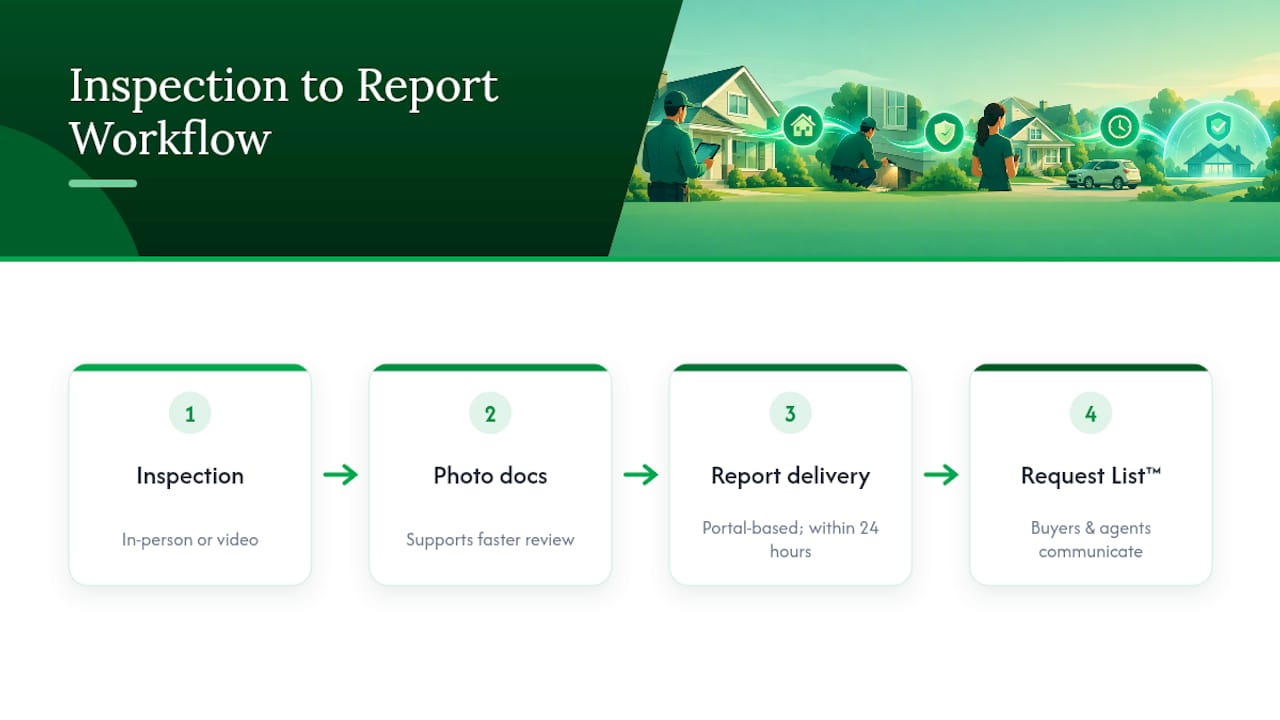
A local home inspection company serves buyers in the St. Louis Metro area and Southern Illinois with both in-person and video inspections, and reports are typically returned within 24 hours. Photo documentation and portal-based delivery support faster review, and the proprietary Create Request List™ tool helps buyers and agents communicate about findings without delay.
What I look for when writing a report
Speed matters, but so does clarity. I document conditions thoroughly enough that you understand what you are buying, and you can always ask for a quick summary of top findings alongside the full report.
— JOHN
How Hunt Home Inspection can get you a faster answer
Waiting on a slow report while your contingency deadline closes in is a bad position to be in. Hunt Home Inspection offers a buyer’s home inspection with reports typically returned within 24 hours, plus coordination for specialty testing so nothing falls through the cracks.

- Buyer’s home inspection with fast digital report delivery.
- Add-on scheduling for radon, mold, termite, sewer scope, and other specialty tests.
- In-person or video inspection options to fit your timeline.
When you book, ask about the 24-hour report option and confirm any specialty tests you need at the same time. Visit our inspection services page to schedule and see what is included.
Sources
- Schedule a home inspection | Consumer Financial Protection Bureau
- D-1 – Guidance on the Homebuyer’s Option to Test
- Wood Destroying Insect Inspection Report (NPMA-33)
- How Long Does a Home Inspection Take? – Bob Vila
FAQ
How long do home inspection reports take to come back?
Most inspectors deliver a written report within 24 to 72 hours after the walkthrough, with some offering same-day or 24-hour turnaround. Larger homes, weekend inspections, and specialty tests can extend that window.
What is the biggest red flag in a home inspection?
There is no single universal red flag since it depends on the property, but safety hazards and major system failures, like structural issues, roofing problems, or electrical hazards, typically carry the most weight in a report. The ASHI standard requires inspectors to flag unsafe or significantly deficient conditions clearly.
How long after an inspection is the report published?
Many inspectors upload or email the report within 24 to 72 hours of finishing the on-site visit. Hunt Home Inspection targets a 24-hour turnaround for its reports.
How long is a home inspection report good for?
A general home inspection report reflects conditions on the day it was performed and does not carry a fixed expiration. Specialty reports like the wood-destroying insect NPMA-33 form may state their own validity period, often around 90 days, for mortgage or settlement purposes.
Recent Comments