
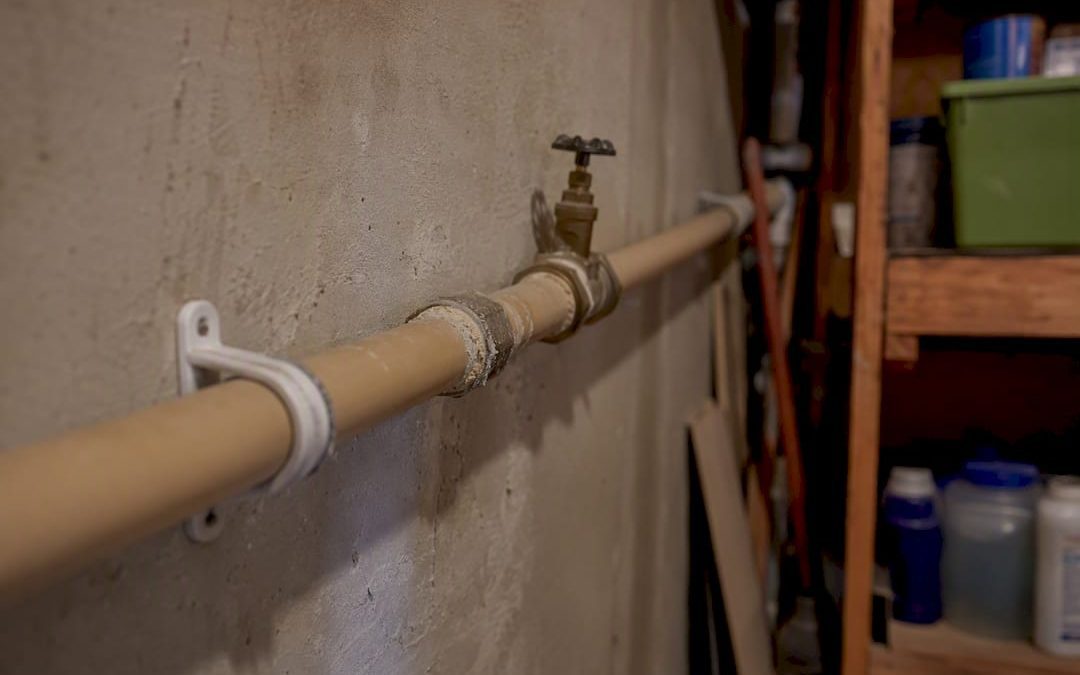
If your home has polybutylene plumbing, treat it as a system-wide failure risk, not a fix-it-when-it-leaks problem. Spot repairs buy time. They don’t solve the underlying issue: the pipe itself degrades from the inside out, and you can’t see it coming. Full replacement is the only fix that actually holds up over time.
If you’ve found gray or blue flexible tubing behind a wall or under a sink, here’s what to do right now:
- Shut off the water at the affected fixture or the main if a leak is active
- Photograph any exposed pipe, stampings, and fittings before you touch anything
- Pull out your homeowner’s insurance policy and check for a polybutylene exclusion
- Book a licensed inspection to confirm the material and map its extent throughout the house
From there, you’re choosing between two solid replacement paths: PEX, which is generally the more affordable route, or copper, which costs more but lasts longer.
Key Takeaways
Polybutylene plumbing is a system-wide degradation risk with no reliable spot fix, and full replacement with PEX or copper is the only lasting solution.
| Point | Details |
|---|---|
| Identify before you assume | Look for gray or blue flexible tubing stamped “PB2110” at water heaters, meters, and stub-outs. |
| Treat one finding as whole-house | Builders installed PB system-wide, so one confirmed section means the rest likely matches. |
| Insurance and resale exposure | Many carriers exclude or surcharge PB-related claims, and sellers face disclosure and negotiation pressure. |
| Budget realistically for replacement | PEX repipes commonly run $3,000 to $8,000 for a mid-size home; copper can exceed $15,000. |
| Get it documented fast | Jhunthomeinspections confirms PB with photo evidence and delivers a full report within 24 hours for negotiation. |
Table of Contents
- What Is Polybutylene Plumbing and Why Does It Fail?
- How to Identify Polybutylene in Your Home
- The Real Risks: Leaks, Insurance Trouble, and Resale Headaches
- What Replacement Actually Costs and How Long It Takes
- Decision Guide: What Buyers and Owners Should Do Next
- How Inspectors Document Polybutylene for Buyers
- Maintenance Steps That Can Buy You Time
- What Actually Happens During a Repipe
- Codes, Permits, and Where Polybutylene Stands Today
- Sources
What Is Polybutylene Plumbing and Why Does It Fail?
Polybutylene, often called PB, was a resin plastic marketed as the cheap, flexible alternative to copper. Builders installed it in millions of homes between 1978 and the mid 1990s, and for a while it looked like the future of residential plumbing.
It wasn’t. The chlorine and other disinfectants added to municipal water supplies react with the PB resin over years of exposure, causing the pipe wall to flake and grow brittle from the inside where nobody can see it. Plastic Expert’s technical breakdown of the chemical failure mechanism explains that this oxidation weakens the material long before any outward sign of trouble appears. Fittings and stressed bends make it worse, concentrating pressure at exactly the points most likely to crack.
The scale of the problem is why it stopped being a niche complaint and became a legal one. The Cox v. Shell settlement formally recognized PB as a defective product, and the industry’s own standard for it, ASTM D3309, has since been withdrawn. When a material’s manufacturing standard gets pulled, that tells you something about how the industry itself came to view it.
How to Identify Polybutylene in Your Home
You don’t need special tools to check for PB, just a flashlight and about fifteen minutes in the right spots.
- Look for flexible plastic tubing, usually gray, sometimes blue or black, running about half an inch to one inch in diameter.
- Check for the stamp “PB2110” printed along the pipe. This is the clearest confirmation you’ll find without cutting into anything.
- Inspect the main water service entrance and water meter connection, since these are the highest chlorine exposure points and often the first to fail.
- Check water heater connections, stub-outs under sinks, behind toilets, and any exposed runs in the basement or crawlspace.
- Compare what you’re seeing to PEX (also flexible but usually red, blue, or white with printed markings), rigid white PVC, and the stiffer black polyethylene used for underground lines.
Trade professionals who’ve handled enough repipe jobs will tell you the buried service line is often where trouble starts first, since it sees the most chlorine exposure and the most water pressure over time. Interior leaks tend to show up later.
Pro Tip: If you find PB in one location, assume it runs throughout the house rather than checking room by room. Builders installed it as a whole system, not a patchwork, so partial identification almost always undercounts the problem.
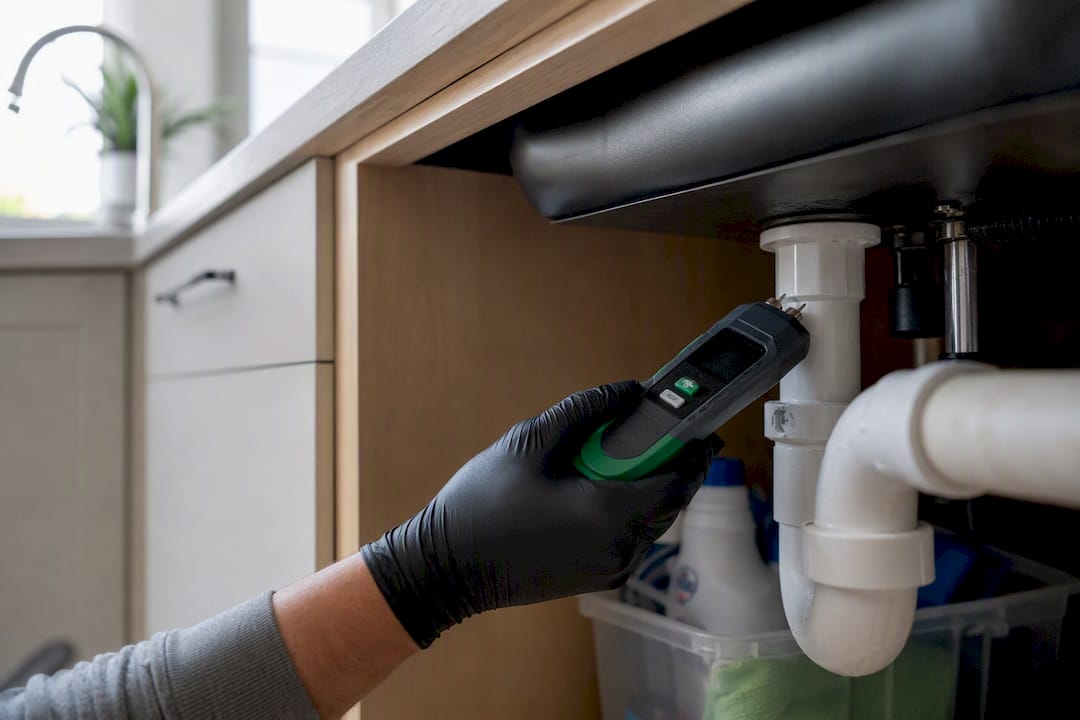
If you’re not fully sure what you’re looking at, that’s the moment to call in a licensed inspector rather than guess. A pre-inspection checklist can help you organize what to look for before that call.
The Real Risks: Leaks, Insurance Trouble, and Resale Headaches
Polybutylene doesn’t fail politely. Because the degradation happens inside the pipe wall, homeowners typically get one of two warnings: a slow hidden leak that rots framing and grows mold behind a wall, or a sudden burst with no warning at all.
- Hidden leaks can run for weeks before staining, warped flooring, or a spike in your water bill gives them away
- Sudden bursts often happen at fittings and can flood a finished basement in hours
- Mold and structural rot are common secondary damage once a slow leak goes undetected
Insurance carriers have caught on. Many now exclude PB-related claims outright, add a surcharge, or decline to write a policy at all once they know it’s in the walls, a pattern the legal history around PB litigation documents in detail. That litigation window has closed, which means today’s owner, not a manufacturer, absorbs the cost.
Resale brings its own pressure. Sellers generally must disclose known PB, and buyers frequently negotiate a price reduction, an escrow holdback for future replacement, or walk away entirely if the estimate runs too high. On health, the evidence is more limited than the plumbing risk itself: no strong data links PB directly to water contamination health effects, but the physical failure risk alone is reason enough to act.
What Replacement Actually Costs and How Long It Takes
Spot repairs patch one failure point. They do nothing for the rest of the system, which is why a full repipe is the only fix that holds up. PEX and copper are the two materials worth considering, and each comes with a real trade-off, not just a price tag.
- PEX is flexible, generally the cheaper option, and comes with mandatory chlorine-resistance testing under current industry standards that PB never had to meet
- Copper costs more and takes longer to install but has a long track record of durability and holds up well through decades of use
- Labor differences matter too: PEX runs faster through tight spaces since it flexes around obstacles, while copper requires more precise cutting and soldering
Expect a typical mid-size home repipe with PEX to run roughly $3,000 to $8,000, while a full copper repipe can climb past $15,000 depending on how much wall and ceiling access the crew needs. This Old House’s own breakdown of a PB-to-PEX conversion notes that access and finish work, not the pipe itself, usually drives the final bill. Cutting into drywall, patching flooring, and repainting often costs more than the materials.
A permitted job matters beyond code compliance. An unpermitted repipe can complicate an insurance claim later and becomes a red flag during a future resale inspection, so don’t let a contractor skip that step to save time.
Decision Guide: What Buyers and Owners Should Do Next
Your next move depends on which side of the transaction you’re on, but the core discipline is the same: get documentation before you commit money either way.
- If you’re buying: request written confirmation of PB status from the inspection, ask the seller to either replace the system or escrow funds for it, and set your own dollar threshold for what you’re willing to accept versus walk away from.
- If you already own the home: schedule an inspection first, then call your insurer to find out where you stand before a claim ever comes up.
- Get at least three licensed repipe estimates rather than one, since access difficulty swings pricing more than the pipe material does.
- Know when a stopgap is acceptable: a temporary shutoff or a single fitting repair can buy you time before a planned repipe, but it is never a substitute for full replacement once PB is confirmed throughout the system.
- Ask every contractor the same questions: Are you pulling a permit? What material and fittings are you using? What’s the realistic timeline? Who handles drywall patching? Can I see references from a comparable job?
How Inspectors Document Polybutylene for Buyers
A qualified inspector doesn’t just glance at exposed pipe and move on. Confirming PB means checking the full system, photographing the PB2110 stamp where visible, and noting every access point where the material appears, not just the first one found.
- Photo documentation of stamping, color, and location for each instance found
- A written report that separates confirmed PB from suspected areas needing further access
- Fast turnaround so the finding can actually be used in negotiation before a closing deadline
That last point matters more than most buyers realize. A report that arrives after your inspection contingency expires is functionally useless for negotiating a price reduction or repair credit.
A polybutylene finding is only as useful to a buyer as the speed and clarity of the report that documents it. Slow, vague reporting costs buyers their negotiating leverage before they even know they had it.
Jhunthomeinspections structures its process around that timing problem, returning detailed reports within 24 hours and using tools like the Create Request List™ to turn inspection findings directly into a negotiable repair list for buyers and agents.
Maintenance Steps That Can Buy You Time
You cannot maintain your way out of polybutylene plumbing. There’s no sealant, no water treatment, and no fitting upgrade that reverses internal degradation once it starts. That said, a few habits can reduce the odds of a surprise failure while you plan and budget for a full repipe.
Lower your water pressure if your home’s incoming pressure runs above 60 psi. High pressure stresses PB fittings more than the pipe itself, and a pressure-reducing valve is a cheap install that eases the strain on every joint in the system. Avoid extreme temperature swings where you can, since PB becomes more brittle in cold conditions and expands more than copper under heat, both of which stress fittings over repeated cycles.
Check under every sink and behind every toilet every few months for the faint white or gray mineral crust that often signals a slow weep at a fitting. Catching that early prevents a small leak from becoming a wall full of mold. If you have a water softener or filtration system, keep it maintained. Anything that changes water chemistry, even slightly, changes the rate of internal degradation.
Know your shutoff valves. With PB, sudden failure is a real possibility, and knowing exactly where the main shutoff is, and confirming it still turns, can be the difference between a puddle and a flooded basement. None of this extends the pipe’s functional life in any measurable way. Think of it as risk reduction while you save for the repipe, not a substitute for one.
What Actually Happens During a Repipe
A full repipe follows a fairly predictable sequence, whether the crew is installing PEX or copper. Knowing the steps helps you evaluate whether a contractor’s estimate and timeline actually make sense.
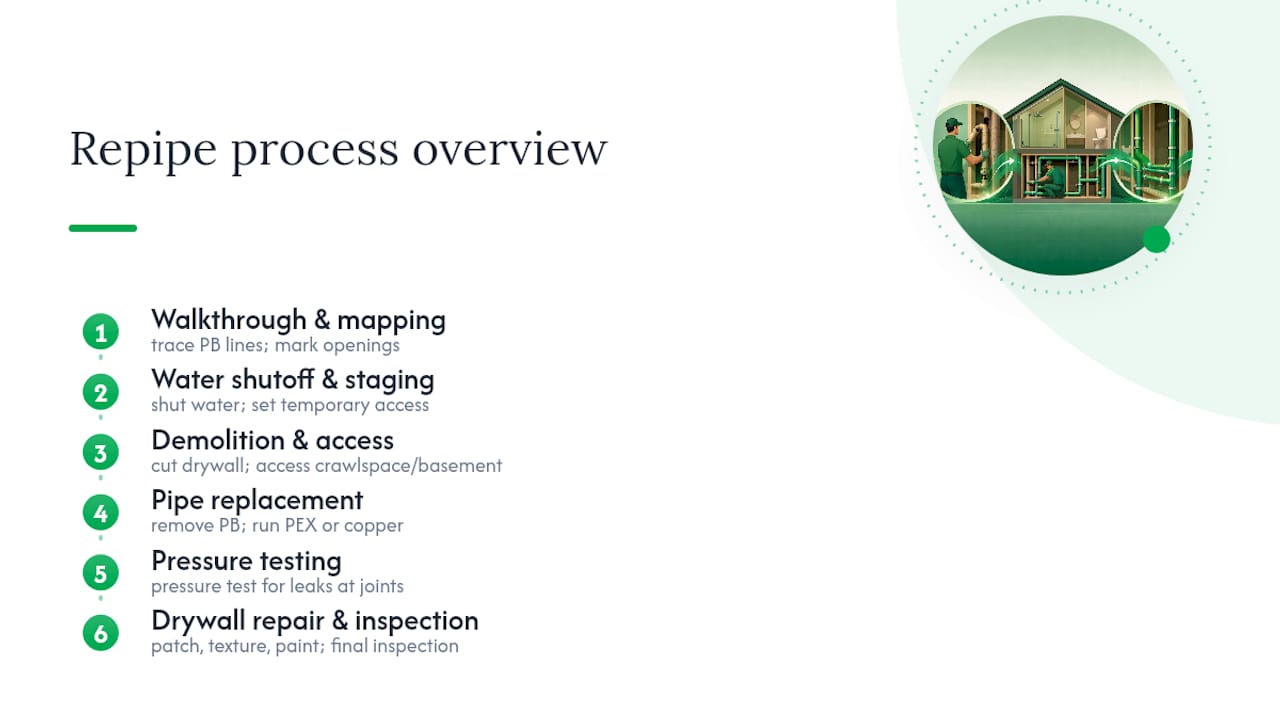
First comes the walkthrough and mapping stage, where the plumber traces every existing PB line, from the main entrance point to each fixture, and identifies which walls, floors, or ceilings need to be opened. Next is water shutoff and staging, where the crew typically sets up temporary water access if you’re staying in the home during the work.
Demolition and access come next: cutting drywall or accessing crawlspaces and basements to reach the old lines. This phase is usually the messiest and the one that drives cost variation between homes. Old PB gets removed section by section as new PEX or copper gets run and connected at each fixture.
Once the new lines are in, the system gets pressure tested to confirm there are no leaks at any joint before anything gets closed up. Only after a passed pressure test does drywall patching, texture matching, and repainting happen. The This Old House guide to converting from PB to PEX walks through this same sequence and notes that most whole-house jobs wrap in two to five days, depending on the home’s size and how much finish repair is needed. A licensed plumber, like the kind of contractor workflow Sandison’s plumbing team follows on repipe jobs, will also schedule a final inspection to confirm the permit closes out cleanly.
Codes, Permits, and Where Polybutylene Stands Today
Polybutylene is not banned outright in most jurisdictions, but it has effectively disappeared from new construction because manufacturers stopped making it and the plumbing industry stopped supporting it. Model plumbing codes have removed it as an approved material for new installations, and the ASTM standard that once governed it, D3309, was formally withdrawn.
That withdrawal matters more than it sounds. When a manufacturing standard gets pulled, suppliers stop producing to spec, replacement fittings become harder to source, and any repair work on an existing PB system becomes a patchwork of mismatched parts rather than a like-for-like fix.
Local permit requirements for a repipe vary by city and county, but the pattern holds nationwide: replacing PB with PEX or copper requires a permit and a final inspection in nearly every jurisdiction, precisely because plumbing work affects a home’s water supply and fire-safety systems. Skipping that permit to save time or money is a common mistake, and it’s the one that comes back to bite owners hardest, either during a future insurance claim or a resale inspection. If you’re unsure what your local code office requires, ask your contractor to pull the permit and show you the closed inspection record once the work is done. That paperwork is your proof the job was done to current standards, not just to the standards that existed when the PB went in.
An Inspector’s Take on Buying a Home With Polybutylene
If I were advising a buyer, I’d say this: don’t buy a home with confirmed PB without a written estimate for replacement in hand first. Get a licensed inspector to document it before you sign anything.
— JOHN
How Jhunthomeinspections Confirms PB Before You Commit to a Purchase
Finding polybutylene during a walkthrough is one thing. Getting documentation you can actually use in a negotiation before your contingency window closes is another problem entirely, and it’s the one Jhunthomeinspections is built to solve. Where a general contractor estimate might take days to schedule and deliver, Jhunthomeinspections returns a full written report, photos and stamp confirmation included, within 24 hours of the walkthrough.

If you can’t be on-site, a video inspection covers the same ground remotely, and the Create Request List™ tool turns whatever gets found into a specific, negotiable repair list your agent can hand to the seller immediately. Buyers stretching every dollar toward closing costs can also use the Pay at Close option to schedule now without paying out of pocket today. Start by booking an inspection and get the PB question answered before your offer deadline, not after.
Sources
- Polybutylene for Inspectors | InterNACHI
- Polybutylene (PB) pipe failure explained | Plastic Expert
- Polybutylene Plumbing: Defects, Litigation & Homeowner Remedies | LegalClarity
Recent Comments