
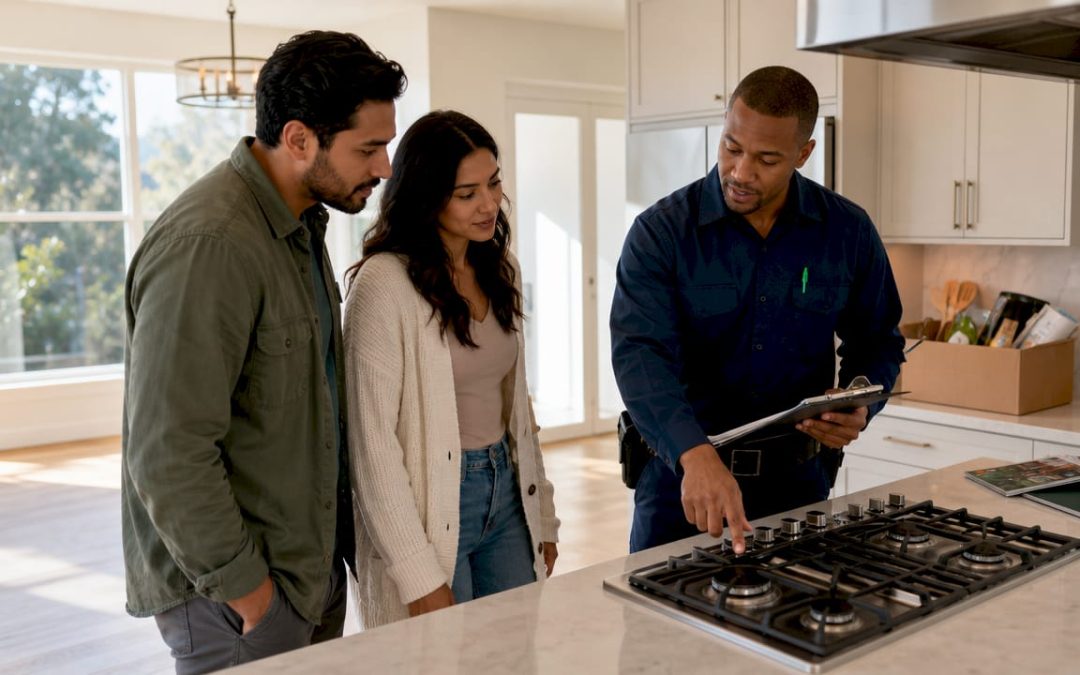
A home inspection is a formal visual assessment of a property’s condition, conducted by a licensed professional before purchase. The questions to ask home inspector before, during, and after the process are your most powerful tools for uncovering hidden problems and protecting your investment. Buyers who attend the inspection and ask targeted questions avoid costly surprises after closing. This guide walks you through the exact home inspection questions to ask at each phase, with guidance on credentials, red flags, and report interpretation.
What questions to ask home inspector before hiring one
Hiring the right inspector starts before the appointment is ever scheduled. The wrong choice can mean a rushed walkthrough, a vague report, and no recourse when problems surface later.
Credentials and qualifications
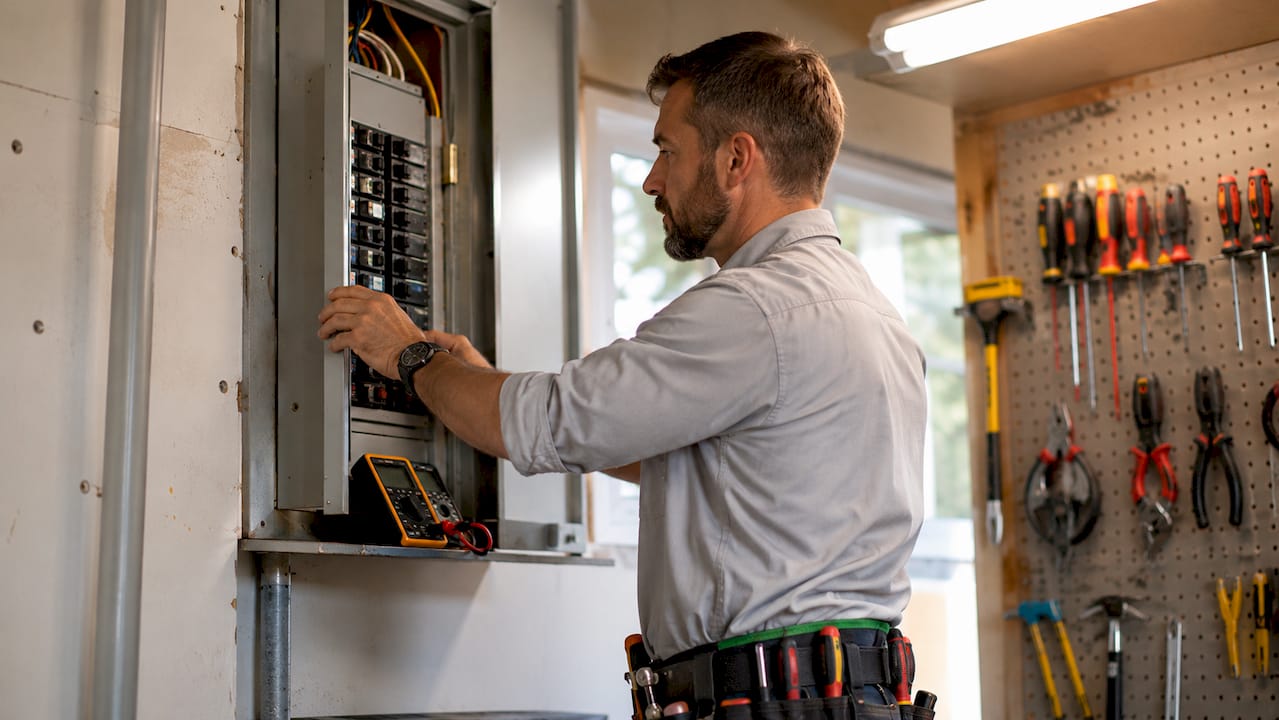
Verifying inspector credentials is the first step, and it goes beyond a quick Google search. Ask for proof of active state licensure, professional liability insurance, and bonding. Inspectors affiliated with ASHI (American Society of Home Inspectors) or InterNACHI (International Association of Certified Home Inspectors) follow published standards of practice and complete continuing education credits. Licensing requirements vary by state, so confirming active licensure in your state matters more than a generic certification claim.
Ask these questions before booking:
- Are you licensed in this state, and can you share your license number?
- Do you carry professional liability (errors and omissions) insurance?
- Are you a member of ASHI or InterNACHI?
- How many inspections have you completed on homes similar to this one?
- Do you have experience with the specific construction type, such as older homes or homes with crawl spaces?
Scope, cost, and logistics
Understanding what the inspection covers is just as important as knowing who performs it. Standard inspections typically exclude mold testing, radon testing, sewer line camera inspections, pest inspections, environmental testing, and engineering evaluations. Ask the inspector directly what is and is not included so you know whether to schedule additional specialized testing.
Also confirm the report format and delivery timeline. A thorough inspection report includes photos, clear descriptions, and a summary of findings. Ask whether the report arrives within 24 hours and whether it is delivered digitally. Ask about the re-inspection policy if repairs are made before closing.
Pro Tip: Ask whether you can attend the inspection in person. Inspectors who discourage attendance are a red flag. Walking the property with the inspector is the single best way to understand what you are buying.
What to ask during the home inspection walkthrough
The walkthrough is where your home inspection inquiries shift from administrative to technical. Your goal is to leave with a clear picture of the home as a working system, not a list of isolated defects.
Treat the home as interconnected systems, not separate components. A roof leak does not just damage shingles. It can compromise insulation, rot framing, and create mold conditions inside walls. Understanding those connections helps you assess the true cost of any finding.
Key systems to ask about
Ask the inspector to walk you through the condition of each major system:
- Roof: What is the estimated remaining life? Are there active leaks or signs of past water intrusion?
- Foundation: Are there cracks? If so, are they vertical, horizontal, or diagonal? Horizontal cracks wider than 1/4 inch signal structural movement.
- Electrical: Is the panel up to current safety standards? Are there double-tapped breakers, aluminum wiring, or ungrounded outlets?
- Plumbing: What material are the supply and drain lines? Is there evidence of active leaks or slow drainage?
- HVAC: What is the age and condition of the heating and cooling systems? When were they last serviced?
- Insulation and ventilation: Is attic insulation adequate? Is there proper ventilation to prevent moisture buildup?
Foundation cracks wider than 1/4 inch, sagging floors, stuck doors, and outdated electrical panels are major red flags. Each signals a problem that can involve costly repairs or serious safety risks.
Clarifying technical language
Ask the inspector to explain any term you do not recognize. Professional inspectors expect clients to ask for plain-language explanations. “Efflorescence,” “spalling,” and “negative grading” are common report terms that confuse first-time buyers. Asking “What does that mean for me as the owner?” turns technical findings into practical decisions.
Pro Tip: Bring a notepad or use your phone to photograph anything the inspector flags. Your memory of a two-hour walkthrough will fade fast. Photos tied to specific locations help you reference findings when reviewing the report later.
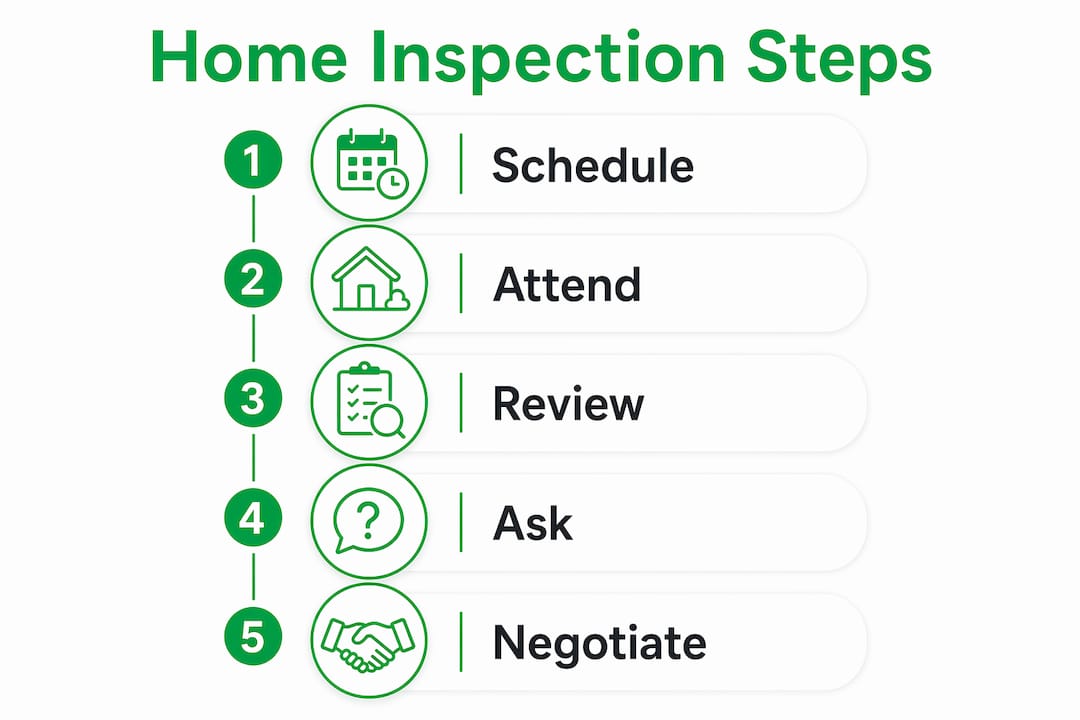
Important questions to ask after the inspection report is delivered
The report is not the end of the process. It is the starting point for negotiation, budgeting, and planning. Knowing the right questions to ask after delivery helps you use the report effectively.
-
Which repairs are the most urgent? Ask the inspector to distinguish between safety hazards, major defects, and routine maintenance items. Not every flagged item carries equal weight.
-
Which repairs are the most expensive? Distinguishing costly repairs from minor maintenance helps you allocate your renovation budget and decide whether to negotiate a price reduction or request seller repairs.
-
Do any findings require a specialist evaluation? Inspectors often recommend licensed specialists for issues beyond their scope, such as structural engineers for foundation concerns, licensed electricians for panel upgrades, or industrial hygienists for mold. Ask specifically which findings need a second opinion before closing.
-
What maintenance should I plan for in the first year? Inspectors see hundreds of homes and can give you a realistic maintenance calendar. Ask about the water heater age, roof age, and HVAC filter schedule.
-
Can you clarify any findings I do not understand in the report? A thorough inspection report includes photos and descriptions, but some items still need verbal explanation. Most inspectors will take a follow-up call to walk you through the report.
For help interpreting what you receive, the inspection report summary guide at Jhunthomeinspections breaks down common findings in plain language.
Identifying home inspection red flags and legal liabilities
Some findings go beyond repair costs. They carry legal and financial consequences that follow you after closing.
Unpermitted work becomes the buyer’s liability after purchase. A finished basement, added bathroom, or deck built without permits may not meet building codes. If the municipality requires demolition or correction, the cost falls on you. Ask the inspector whether the current layout matches the permit history, and verify with the local building department before closing.
| Red flag | What to ask | Why it matters |
|---|---|---|
| Foundation cracks | Are these structural or cosmetic? | Horizontal cracks signal movement and costly repairs |
| Unpermitted additions | Does the layout match permit records? | Buyer assumes legal and financial liability after closing |
| Electrical hazards | Is the panel safe and up to code? | Outdated panels increase fire risk and insurance costs |
| Water damage or mold | Is this active or historic? | Active moisture leads to mold, rot, and structural damage |
| Outdated plumbing | What material are the pipes? | Polybutylene or lead pipes require full replacement |
Ask the inspector directly: “Is there anything here that would make you hesitant to buy this home?” That single question often surfaces concerns that did not make it into the formal report language.
Understanding the full home inspection process before your appointment helps you spot these issues in real time rather than after the fact.
Key takeaways
Asking the right questions at each phase of the home inspection process is the most reliable way to avoid costly surprises and make a confident purchase decision.
| Point | Details |
|---|---|
| Verify credentials first | Confirm state licensure, ASHI or InterNACHI membership, and liability insurance before booking. |
| Attend the walkthrough | Being present lets you ask questions in real time and understand findings in context. |
| Ask about inspection scope | Standard inspections exclude mold, radon, and sewer testing. Ask what is not covered. |
| Prioritize after the report | Ask which repairs are urgent, costly, or require a licensed specialist before closing. |
| Check permit history | Unpermitted work transfers legal and financial liability to the buyer at closing. |
What I have learned from watching buyers ask the wrong questions
Most first-time buyers walk into an inspection focused on the wrong things. They ask about paint colors and appliance ages while the inspector is flagging a cracked foundation or a panel full of double-tapped breakers. The cosmetic stuff is visible. The dangerous stuff is usually not.
The biggest mistake I see is treating the inspection as a pass/fail test. No home passes. Every home has findings. The real question is whether the findings are manageable, and that answer only comes from asking the right follow-up questions during the walkthrough. “Is this a safety issue?” and “What happens if this is not repaired?” are two questions that change the entire conversation.
Buyers also underestimate the permit question. Most people skip it entirely. But unpermitted work is one of the few inspection findings that creates a legal obligation, not just a repair bill. Asking the inspector to flag any additions or modifications that look like they may not have been permitted takes about 30 seconds and can save you from a five-figure problem.
The home inspection is the one moment in the buying process where you have a licensed professional walking through the property with you. Use that time. Ask every question that comes to mind. A good inspector welcomes it.
— JOHN
Jhunthomeinspections: expert inspections with answers built in
Buyers in the St. Louis Metro area and Southern Illinois have a clear option for thorough, buyer-focused inspections.
Jhunthomeinspections offers both in-person and video home inspections to fit your schedule and situation. Reports are delivered within 24 hours and include photos, clear descriptions, and the proprietary Create Request List™ tool that helps you communicate repair needs directly to your agent. The team specializes in first-time buyers, veterans, and low-income families who need clear answers, not technical jargon. Schedule through the inspection services page to book with inspectors who expect your questions and are ready to answer them.
FAQ
What credentials should a home inspector have?
A qualified home inspector holds active state licensure, professional liability insurance, and bonding. Membership in ASHI or InterNACHI confirms adherence to published standards of practice and ongoing education.
Can I attend my home inspection?
Yes, and you should. Being present during the walkthrough lets you ask questions in real time, see findings firsthand, and understand the home’s systems before you receive the written report.
What does a standard home inspection not cover?
Standard inspections exclude mold testing, radon testing, sewer line camera inspections, pest inspections, and engineering evaluations. Ask your inspector which specialized tests are recommended for the specific property.
How do I use the inspection report in negotiations?
Ask the inspector which findings are major defects versus routine maintenance. Use major defects, especially safety hazards or costly repairs, to request seller repairs, a price reduction, or a credit at closing.
What is the biggest red flag in a home inspection?
Foundation cracks wider than 1/4 inch, horizontal cracking, and active water intrusion are the most serious findings. These indicate structural or moisture problems that can cost tens of thousands of dollars to correct.
Recent Comments