
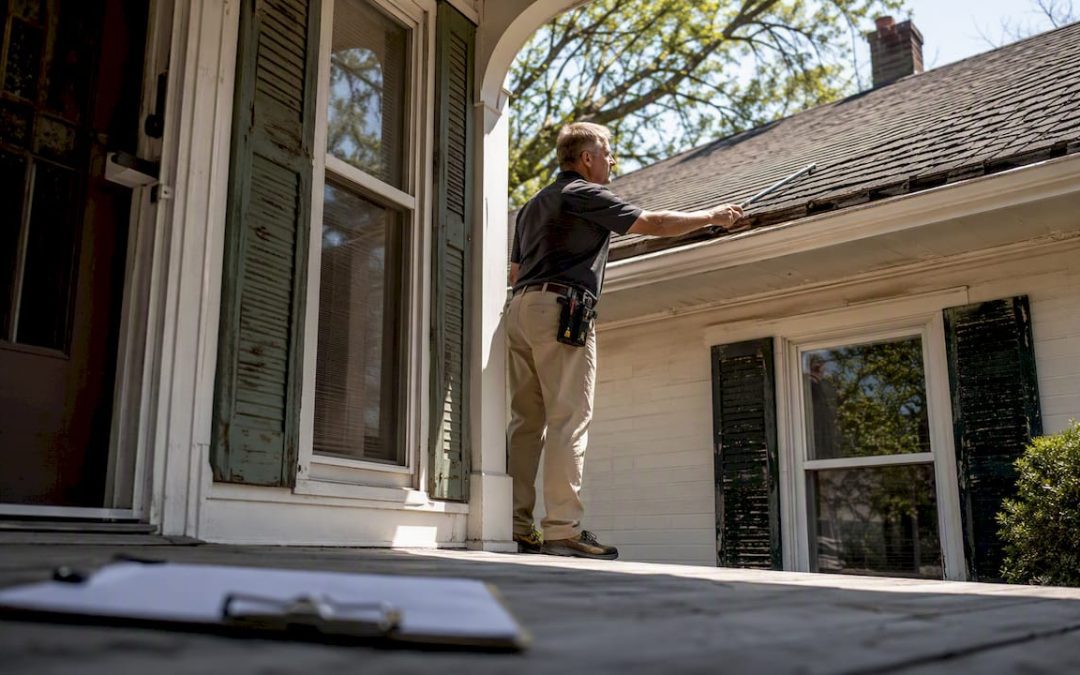
A subsidized-housing inspection is a buyer-ordered, pre-purchase, visual, and non-invasive examination of a home’s accessible systems — performed by a licensed inspector before closing on an affordable or subsidized property. This is not a landlord check or a public housing authority habitability review. It is your inspection, ordered for your protection, and Zillow’s home inspection checklist confirms it typically happens within 7–10 days of an accepted offer. If you are buying in the St. Louis Metro area through an FHA loan, HUD program, or any subsidized housing program, book your inspector the same day your offer is accepted.
Key Takeaways
A subsidized-housing pre-purchase inspection is a buyer’s best tool for uncovering hidden defects and negotiating repairs before closing on an affordable or HUD-owned property in St. Louis.
| Point | Details |
|---|---|
| Book immediately after offer | Most contracts allow only 7–10 days; schedule your inspector the same day your offer is accepted. |
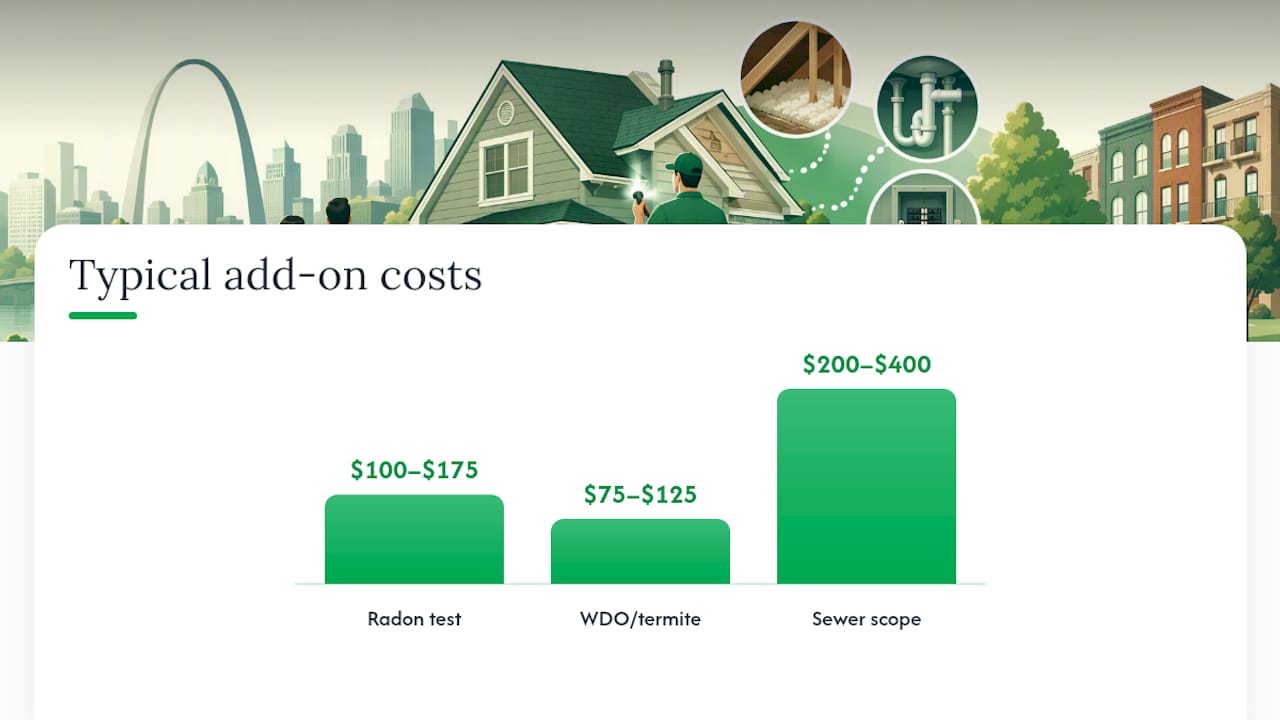
| Add sewer scope and WDO | In St. Louis, these two add-ons ($200–$400 and $75–$125) catch the most expensive post-purchase surprises. |
| Inspection is not an appraisal | An FHA appraisal checks minimum HUD standards for the lender; only your independent inspection gives you negotiation leverage. |
| Use the report to negotiate | Request repairs, seller credits, or price reductions based on findings before your contingency expires. |
| Jhunthomeinspections | Delivers 24-hour reports, Create Request List™, and HUD/FHA-experienced inspections across the St. Louis Metro area. |
Table of Contents
- What does a pre-purchase inspection actually cover?
- When to schedule and what it costs
- Why inspections matter more for affordable-home buyers in St. Louis
- Jhunthomeinspections serves St. Louis affordable-home buyers
- Sources
What does a pre-purchase inspection actually cover?
The ASHI Standard of Practice defines a home inspection as a limited, visual, non-invasive examination of readily accessible systems. In plain terms, your inspector walks the property and evaluates:
- Roof: shingles, flashing, gutters, visible decking
- Foundation and structure: visible cracks, settling, moisture intrusion
- Electrical: panel, wiring type, outlets, GFCI protection
- Plumbing: supply lines, drain function, water heater condition
- HVAC: heating and cooling equipment, filters, ductwork
- Attic and insulation: ventilation, insulation depth, signs of moisture
- Interior and exterior: windows, doors, siding, grading, decks
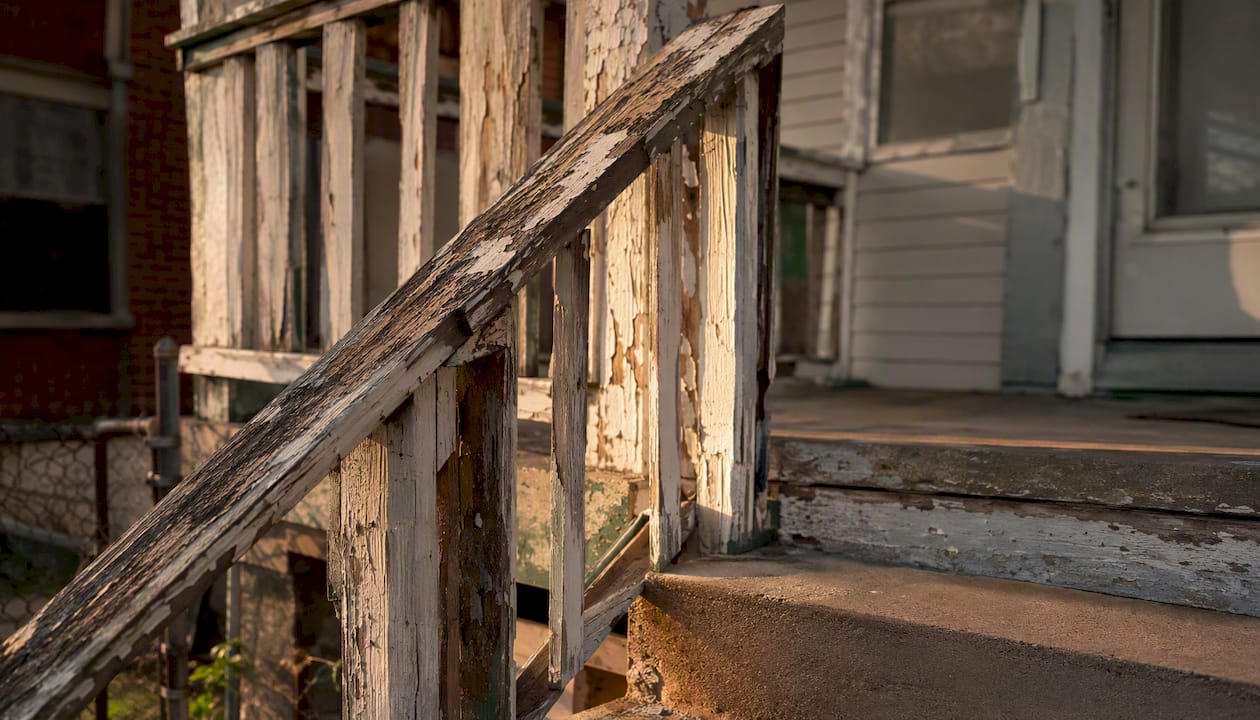
- Safety items: smoke and carbon monoxide alarms, stair rails, handrails
What a standard inspection does NOT include: environmental sampling, invasive testing behind walls, or lab analysis of water or air. For those, you order specialty add-ons.
Add-ons that matter most for older and subsidized St. Louis-area homes:
- Radon testing ($100–$175): Missouri sits in a moderate-to-high radon zone. A professional radon test is far more reliable than a DIY kit for a real estate transaction.
- WDO/termite inspection ($75–$125): Termite activity is a documented risk in the St. Louis region. Many lenders require this for FHA loans.
- Sewer lateral camera scope ($200–$400): Aging clay and cast-iron laterals fail regularly in older St. Louis neighborhoods. A scope can prevent $3,000–$15,000+ in surprise repairs, per AskDoss’s Missouri inspector guide.
- Well water lab testing: Required by some lenders on properties with private wells; tests for bacteria, nitrates, and other contaminants.
- Lead paint testing: Relevant for pre-1978 homes, which make up a large share of affordable St. Louis inventory.
- Mold assessment: Worth adding if the inspector notes moisture staining or musty odors. A professional mold clearance test verifies remediation was done correctly.
Pro Tip: Get written prices for every add-on before you book. Prioritize the sewer scope and WDO check on any St. Louis home built before 1980 — those two tests catch the most expensive surprises in this market.
When to schedule and what it costs
Book your inspector the moment your offer is accepted. Most purchase contracts give you a 7–10 day inspection contingency window, and scheduling even a day late can cost you options.
Onsite, the inspection runs 2–4 hours depending on the home’s size and age. Your report arrives within 24–48 hours in most cases. Jhunthomeinspections delivers reports within 24 hours. This matters when your negotiation window is tight.
A full package with the most common add-ons can run $750–$1,200 total, per Houzeo’s Missouri first-time buyer guide. That is real money for a first-time or low-income buyer, but it is a fraction of what a failed sewer lateral or termite infestation costs after closing.
Once your inspection report arrives, use it. Per Realtor.com’s inspector hiring guide, the report is your primary tool for negotiating repairs, requesting seller credits, or walking away through your contingency. Lenders and PHAs may require photo or receipt verification of completed repairs before final approval.
Pro Tip: For FHA loans, ask your inspector to flag any items that could trigger an FHA appraisal condition — catching those early lets you negotiate repairs before the appraiser visits, not after.
Why inspections matter more for affordable-home buyers in St. Louis
Buying an affordable or subsidized home in St. Louis often means buying older housing stock, and older housing stock carries specific risks that a good inspection surfaces before they become your problem.
HUD-owned homes are sold as-is. Inspecting Inside Out’s guide to HUD home purchases makes this plain: HUD generally will not negotiate repairs after inspection, so whatever the inspector finds, you are deciding whether to accept it, negotiate on price, or walk. That is a decision you cannot make well without a thorough report.
FHA appraisals add another layer of confusion for first-time buyers. An FHA appraisal is not your inspection. It confirms minimum HUD property standards and market value for the lender’s benefit. It does not give you a detailed condition report or negotiation leverage. Get both. The role of inspection in housing programs is distinct from what an appraisal accomplishes.
Missouri does not require statewide home inspector licensing, per ICA School’s Missouri licensing overview. That means the credential burden falls on you as the buyer. Look for ASHI or InterNACHI membership, ask for a sample report, and confirm the inspector has handled HUD and FHA transactions specifically.
Jhunthomeinspections serves St. Louis affordable-home buyers
For buyers navigating FHA loans, HUD-owned properties, or any subsidized housing program in the St. Louis Metro area, Jhunthomeinspections delivers what this transaction actually demands: a thorough buyer’s inspection with 24-hour report turnaround, plus the add-ons that matter most locally — sewer lateral scopes, radon testing, WDO/termite checks, and lead and mold assessments.
Reports come with the Create Request List™, a proprietary tool that turns inspection findings into a structured list your agent can use immediately in negotiations. Inspections are available in-person or by video walkthrough, and a pay-at-close option helps buyers manage cash flow during the transaction. Veterans, first-time buyers, and low-income families are the core of this practice.
Schedule your inspection with Jhunthomeinspections and get your report before your contingency window closes.
Sources
- Zillow — Home inspection checklist
- Inspecting Inside Out — Buying a HUD home? Here’s why you need a qualified home inspector
- AskDoss — How to choose a home inspector in Missouri
Recent Comments