

Reducing home inspection costs legally means understanding exactly how inspection fees are structured and where you can save without skipping the steps that protect your investment. The national average for a standard inspection runs $350–$500, with small condos falling under $200 and large or complex homes exceeding $800. That fee pays for far more than a walkthrough. Home inspections uncover issues 86% of the time, giving buyers real leverage to negotiate. Jhunthomeinspections works with first-time buyers, veterans, and low-income families across the St. Louis Metro area and Southern Illinois to get thorough inspections at fair prices, without cutting corners that matter.
What makes up home inspection costs legally?
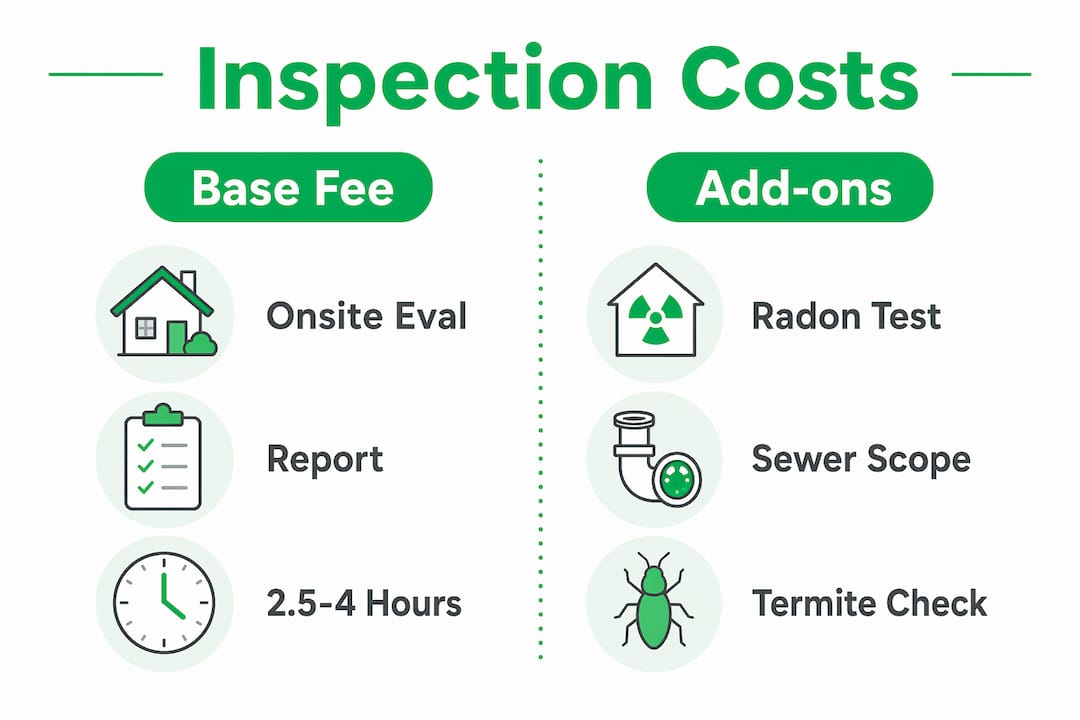
Home inspection pricing has two layers: the base fee and specialty add-ons. Understanding both tells you exactly where you have room to save and where you do not.
The base fee: what it covers
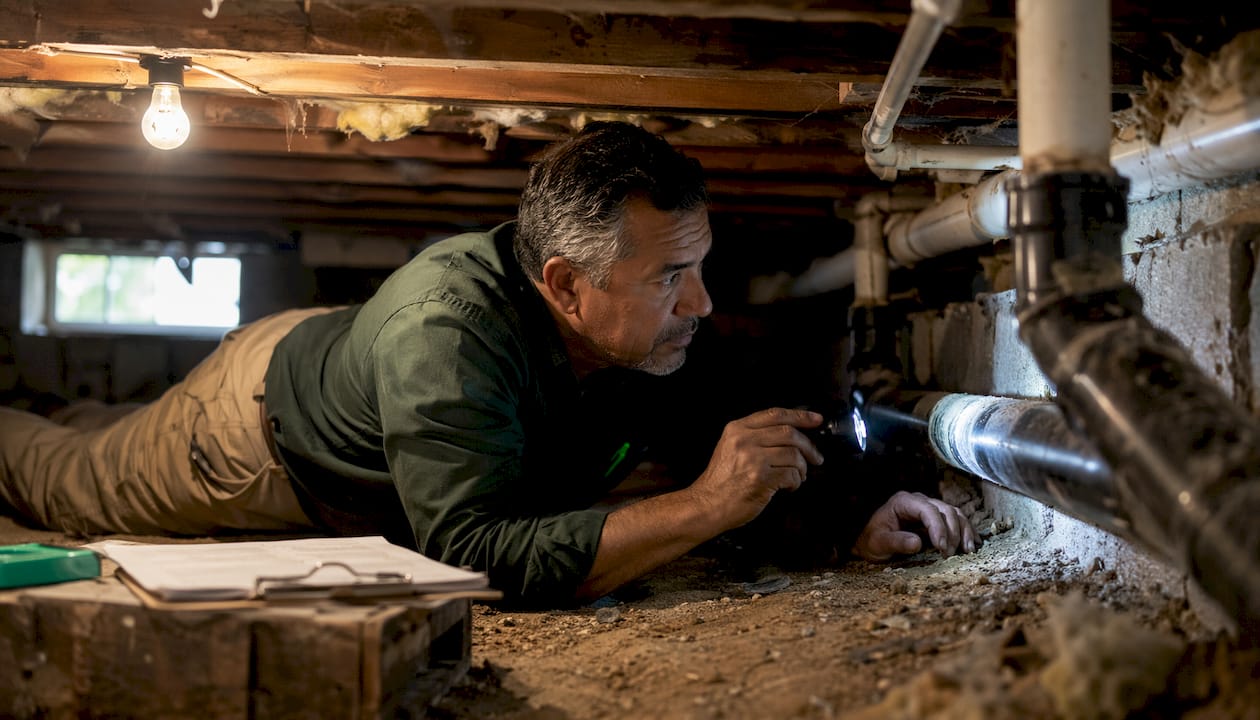
The base fee covers 2.5–4 hours of onsite evaluation plus a written report. An inspector checks the roof, foundation, electrical panel, HVAC system, plumbing, attic, and crawlspace during that time. The home inspection cost guide for 2026 confirms that property size, location, and complexity drive most of the price variation. A 1,200-square-foot condo in a flat market costs far less than a 3,500-square-foot older home with a finished basement.
Specialty add-ons and when they matter
Add-on services like radon testing, sewer scope, and termite inspections each add $100–$300 to the total. These are not always optional. Skipping a sewer scope on a home built before 1980 can expose you to unexpected repair bills. Omitting sewer scopes on older homes risks repair costs of $15,000 or more. Radon testing is recommended even outside known high-risk zones because radon has no visible signs.
Here is a quick breakdown of typical inspection costs:
| Service | Typical Cost | When to Include |
|---|---|---|
| Standard general inspection | $350–$500 | Every purchase |
| Radon testing | $100–$150 | All homes, especially basements |
| Sewer scope | $150–$250 | Homes built before 1980 |
| Termite inspection | $75–$150 | Humid climates, wooded areas |
| Re-inspection | $150–$250 | After seller repairs |
What cheap inspections actually skip
Quotes significantly below $300 almost always signal a limited-scope inspection. The savings come from skipping the full roof walk, not removing the electrical panel cover, or cutting HVAC testing short. Buyers rarely see which line items were trimmed until defects cause post-closing repair costs. Lower quotes compress scope by skipping entry to attics, crawlspaces, and roof walks. Get the scope in writing before you book.
How do you vet an inspector to get real value?
Price alone is a poor filter for inspection quality. The right inspector costs you less over time because they find what cheaper inspectors miss.
Check credentials and licensing
Certification through ASHI (American Society of Home Inspectors) or InterNACHI (International Association of Certified Home Inspectors) signals that an inspector meets a defined standard of training and ethics. Licensing requirements vary by state, so confirm your inspector holds a current license in Illinois or Missouri if you are buying in the St. Louis area. Always verify active errors and omissions insurance. These credentials protect you legally if something is missed.
Use time onsite as a quality signal
Time on site and report quality are better value indicators than price alone. An inspector charging $450 for 3.5 hours with detailed photo documentation offers more protection than one charging $700 for 90 minutes. A thorough inspection of a typical home takes at least 2.5 hours. If an inspector quotes you a 90-minute job on a three-bedroom house, that is a red flag.
Review a sample report before you hire
Ask every inspector for a sample report before booking. A quality report includes photos of every defect, severity ratings, and clear descriptions of required repairs. The inspection report guide from Jhunthomeinspections shows what a thorough report looks like in practice. Thin reports with no photos and vague language are a sign the inspector will not give you the documentation you need to negotiate.
Ask these three questions before hiring any inspector:
- How long will you spend onsite for a home this size?
- What does your scope include and exclude?
- When will I receive the report, and what format does it come in?
Pro Tip: Jhunthomeinspections delivers reports within 24 hours, which keeps your contingency period on track and gives you time to negotiate before deadlines hit.
Use the inspection company selection criteria from Jhunthomeinspections to build your vetting checklist before you start calling inspectors.
Legitimate ways to reduce inspection costs without cutting scope
These strategies cut home inspection expenses without removing the protections that matter. Each one is legal, practical, and used by experienced buyers.
-
Bundle specialty inspections upfront. Bundling general inspection with radon and sewer scope saves $25–$50 compared to booking each service separately. Schedule everything at once and confirm the bundle price in writing.
-
Schedule during off-peak times. Weekday mornings and winter months often come with lower rates. Inspectors have more availability and may offer discounts to fill their calendars. Ask directly when you call.
-
Negotiate re-inspection fees before you sign. Re-inspection fees run $150–$250, but you can often negotiate them into the original agreement. If the seller agrees to repairs, you will likely need a follow-up visit. Locking in that rate upfront avoids a surprise charge later.
-
Skip add-ons only when the data supports it. Termite inspections are less critical in arid climates. Radon testing matters everywhere. Match your add-on decisions to the home’s age, location, and local risk factors, not to the desire to save $100.
-
Work with your real estate agent. Experienced agents in the St. Louis Metro area know which inspectors deliver full-scope work at fair prices. Their referrals often come with established relationships that benefit you.
-
Focus on scope, not the lowest number. Chasing the cheapest quote is the most expensive mistake buyers make. A $250 inspection that misses a failing HVAC system costs you far more than a $450 inspection that catches it.
-
Get scope confirmed in writing. Before any inspection, ask for a written list of what is and is not included. This protects you legally and gives you a basis for comparison when reviewing quotes.
Pro Tip: Ask your inspector if they offer a pay-at-close option. Jhunthomeinspections offers this for qualifying buyers, which removes the upfront cash pressure without reducing inspection scope.
How can inspection findings lower your total purchase cost?
A thorough inspection report is one of the most powerful negotiating tools in a real estate transaction. Buyers who use it well often recover far more than the inspection fee.
Home inspections help buyers negotiate an average $14,000 off the purchase price. That return makes a $450 inspection one of the highest-ROI steps in the entire buying process. The key is knowing how to present findings effectively.
Seller concessions tied to inspection findings fall into three categories:
- Price reductions: The seller lowers the sale price to reflect the cost of needed repairs. This works best for major defects like roof damage or foundation issues.
- Repair credits at closing: The seller provides a dollar credit that you use after closing to fix the issues yourself. This gives you control over the contractor and timeline.
- Repairs before closing: The seller fixes the issues before the transaction closes. Always require a re-inspection to verify the work was done correctly.
Present findings with the inspector’s report, photos, and contractor estimates where possible. Vague claims do not move sellers. Documented defects with repair costs attached do. Your real estate agent can help you frame findings using real estate negotiation strategies that keep the deal moving without overplaying your hand.
The contingency period is your legal window for this negotiation. Most purchase contracts include an inspection contingency that lets you request repairs, credits, or a price reduction based on findings. Use it. If the seller refuses reasonable requests on major defects, you have the legal right to walk away without losing your earnest money.
Re-inspections protect you after repairs are agreed upon. Never accept a seller’s word that work was completed. A re-inspection confirms the fix was done properly and gives you documentation if problems resurface after closing.
Key Takeaways
Reducing home inspection costs legally requires understanding what drives fees, vetting inspectors on scope rather than price, and using findings to negotiate total purchase costs down.
| Point | Details |
|---|---|
| Know the cost structure | Base fees run $350–$500; add-ons cost $100–$300 each and are often worth including. |
| Vet on scope, not price | Quotes below $300 usually skip critical steps like roof walks and panel access. |
| Bundle and time your booking | Bundling services saves $25–$50; off-peak scheduling may reduce rates further. |
| Use findings to negotiate | Inspection results help buyers negotiate an average $14,000 off the purchase price. |
| Confirm scope in writing | A written scope list protects you legally and gives you a fair basis for comparing quotes. |
What I’ve learned from watching buyers save in the wrong places
Buyers who focus only on the inspection fee almost always pay more in the end. I have seen it play out the same way too many times. A buyer saves $150 by booking the cheapest inspector available. The inspector spends 90 minutes onsite, skips the crawlspace, and delivers a two-page report with no photos. Three months after closing, the buyer discovers a failing sewer line that costs $12,000 to replace.
The inspection fee is not the number that matters. The number that matters is the total cost of homeownership in the first two years. A thorough inspection from a credentialed, experienced firm is the single best way to control that number. Inspection ROI is among the highest of any step in the buying process, and the majority of inspections uncover issues serious enough to negotiate on.
My advice is direct: spend the $450, get the full scope, and use the report to negotiate hard. Work with firms like Jhunthomeinspections that deliver detailed reports within 24 hours and support you through the contingency process. The legal ways to cut costs are real, but they live in bundling, timing, and negotiation, not in buying a cheaper inspection.
— JOHN
Jhunthomeinspections: thorough inspections at a price that makes sense
Jhunthomeinspections serves homebuyers across the St. Louis Metro area and Southern Illinois with full-scope inspections, bundled specialty services, and reports delivered within 24 hours. Their proprietary Create Request List™ tool makes it easy to share findings with your agent and move quickly through the contingency period.
Whether you are a first-time buyer, a veteran, or a buyer working with a tight budget, Jhunthomeinspections offers transparent pricing and flexible options including pay-at-close arrangements for qualifying clients. Their inspection services page lists bundled packages, specialty add-ons, and scheduling options that help you cut home inspection expenses without reducing the scope that protects your investment. Book an inspection or request a quote to get started.
FAQ
What is the average cost of a home inspection in 2026?
The national average runs $350–$500, with small condos under $200 and large or complex homes exceeding $800. Add-on services like radon or termite testing add $100–$300 each.
How can I lower home inspection fees without losing coverage?
Bundle specialty inspections upfront, schedule during off-peak times like weekday mornings or winter, and negotiate re-inspection fees before signing. These strategies cut home inspection expenses without removing any critical evaluation steps.
What do cheap home inspections typically skip?
Quotes below $300 often exclude full roof walks, electrical panel cover removal, and attic or crawlspace entry. These are the areas where the most costly defects hide.
Can I use inspection findings to reduce the purchase price?
Yes. Buyers negotiate an average $14,000 off the purchase price using inspection results, which far exceeds the cost of the inspection itself. Present findings with photos and contractor estimates to support your request.
What certifications should a home inspector have?
Look for ASHI or InterNACHI certification, active state licensing, and errors and omissions insurance. These credentials confirm the inspector meets a defined professional standard and that you have legal recourse if something is missed.
Recent Comments