

Inspection company selection criteria are the specific factors that determine which inspection provider is qualified, trustworthy, and thorough enough to protect your property investment. The right criteria cover verified inspector credentials, accreditation standards like ISO 17020, report quality, pricing transparency, and scheduling responsiveness. Organizations such as ASHI (American Society of Home Inspectors) and InterNACHI (International Association of Certified Home Inspectors) set the professional benchmarks that separate reliable providers from unreliable ones. Getting these criteria right before you hire gives you the confidence to make one of the largest financial decisions of your life.
1. Inspection company selection criteria: start with individual inspector qualifications
The most important factor in choosing an inspection company is not the company’s size or marketing. Individual inspector credentials matter far more than company brand, because the person holding the flashlight determines the quality of your report.
Active membership in ASHI or InterNACHI signals that an inspector meets ongoing education requirements and follows a published code of ethics. These organizations require members to complete continuing education and adhere to ethical standards, which means certified inspectors stay current with building practices and reporting expectations. An inspector who earned a certificate five years ago and stopped there is a different risk than one who renews annually.
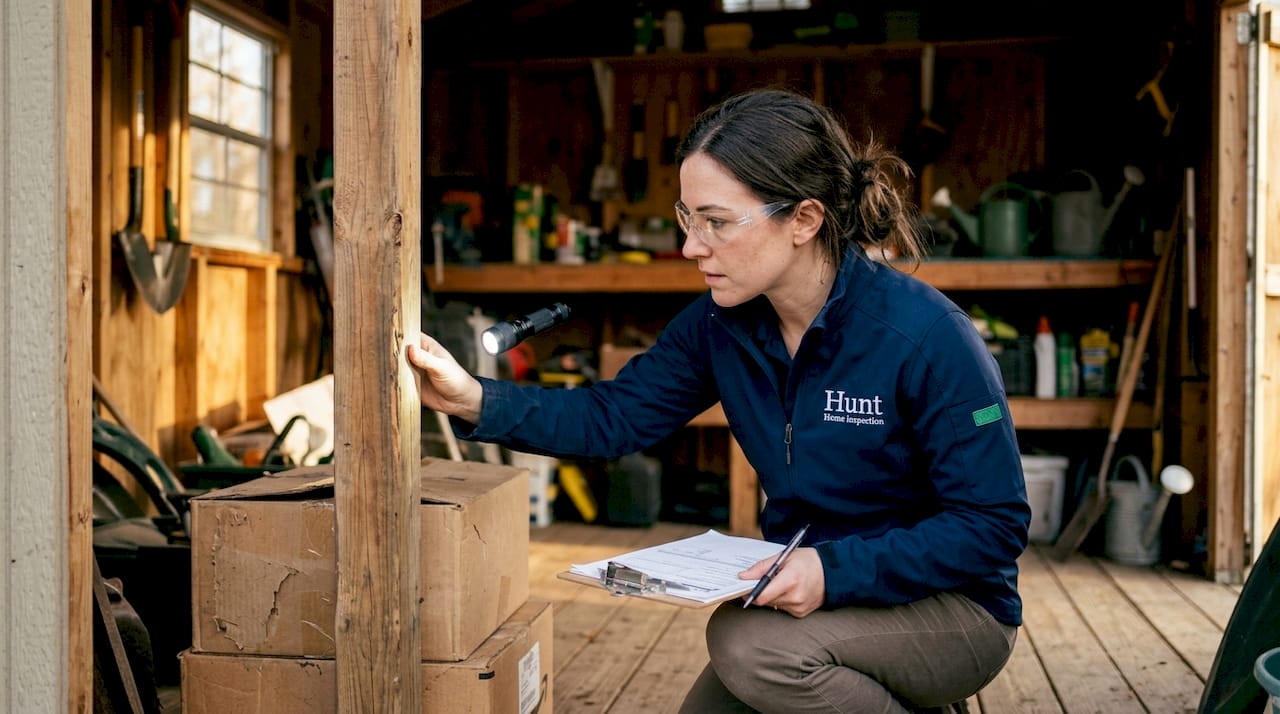
Experience with local housing styles also matters. A St. Louis inspector who has walked through hundreds of brick ranch homes and older two-flats will catch issues that a generalist might miss. Ask specifically how many inspections the named inspector has completed in your property type and neighborhood.
Errors and omissions insurance and general liability insurance are non-negotiable safeguards. If an inspector misses a structural defect and you discover it after closing, E&O insurance is what makes you whole. Always confirm both policies are active before signing any agreement.
- Verify active ASHI or InterNACHI membership for the specific inspector assigned to your job
- Confirm errors and omissions insurance and general liability coverage
- Ask how many inspections the named inspector has completed in your property type
- Check whether the inspector specializes in older homes, new construction, or commercial properties
Pro Tip: Ask the company to name the inspector who will conduct your inspection before you book. Then verify that person’s credentials directly through the ASHI or InterNACHI member directory.
2. Key accreditations and standards to require
Accreditation is the formal proof that an inspection body operates with competence and impartiality. ISO/IEC 17020 accreditation verifies that an inspection organization meets international requirements for independence, technical ability, and consistent process. This standard applies across industries, and its presence signals that a provider has been audited by a third party, not just self-certified.
ISO 17020 classifies inspection bodies into three types. Type A bodies are fully independent with no ties to the parties involved. Type B bodies operate within a larger organization but maintain internal separation. Type C bodies may have some connection to the parties they inspect. For home inspections, Type A independence is the gold standard.
State licensing requirements add another layer. Licensing rules vary significantly by state, and some states require home inspectors to pass exams, carry insurance, and complete continuing education. Always verify that your inspector holds a current, active license in your state.
| Credential | What It Means | Why It Matters |
|---|---|---|
| ISO/IEC 17020 accreditation | Third-party verified competence and impartiality | Confirms the company meets international inspection standards |
| ASHI membership | Active certification with ethics and education requirements | Signals ongoing professional development |
| InterNACHI membership | Recognized certification with continuing education | Widely accepted credential across the U.S. |
| State license | Legal authorization to inspect in your state | Required in most states; confirms regulatory compliance |
| E&O insurance | Financial protection for missed defects | Protects buyers if an inspector overlooks a significant issue |
Transparency about credentials is itself a quality signal. Any provider that hesitates to share license numbers, certification IDs, or insurance certificates is not a provider worth hiring.
3. What makes an inspection report a reliable decision-making tool
A home inspection report is only as useful as its clarity and depth. Professional-grade reports include annotated photos, severity ratings, and specific references to building codes or standards. A report without these elements is a checklist, not a decision-making tool.
The difference between a superficial report and a thorough one is visible before you even hire. Ask any candidate company for a sample inspection report before you commit. Boilerplate text, missing photos, and vague language like “monitor this area” without explanation are red flags that indicate insufficient documentation discipline.
Severity classification is especially valuable. A report that distinguishes between safety hazards, major defects, and maintenance items helps you prioritize negotiations and repairs. Without that structure, every finding looks equally urgent or equally dismissible.
Reports should also support your specific purchase decision, not just satisfy a generic checklist. Inspection reports work best when they are tailored to the buyer’s objectives, whether that means flagging deferred maintenance on an older home or documenting code violations on a recent renovation.
- Annotated photos with captions explaining each defect
- Severity classification: safety hazard, major defect, or maintenance item
- References to applicable building codes or standards
- Clear, plain-language descriptions that a non-expert can act on
- A summary section that highlights the most critical findings
Pro Tip: Ask the company how long report delivery takes after the inspection. Jhunthomeinspections delivers comprehensive reports within 24 hours, which is critical when you are working against a contract contingency deadline.
4. Evaluating pricing, service availability, and communication transparency
Transparent pricing tied to a defined scope is a basic requirement, not a bonus feature. Scope-based pricing prevents the pricing traps that come from vague day-rate agreements where deliverables are never clearly defined. Before you pay a deposit, get a written breakdown of what the inspection covers and what it costs.
Inspection fees vary based on home size, age, location, and included services. Larger or older homes take more time and cost more. Add-on services like radon testing, mold sampling, or sewer scope inspections increase the total. Confirming the full scope relative to the price protects you from surprises at checkout.
Scheduling responsiveness is equally critical in competitive real estate markets. Top providers offer scheduling within 24–72 hours, matching buyer deadlines during inspection contingency periods. A company that cannot schedule within your contract window is not a viable option, regardless of its credentials.
Communication quality reveals a lot about how a company operates. A real person answering the phone, responding to emails promptly, and explaining scope clearly signals a well-run operation. A call center that cannot answer basic questions about the inspector’s credentials is a warning sign.
- Get written pricing tied to a specific scope before booking
- Confirm availability within your contingency window
- Test communication by calling and asking a specific question about inspector credentials
- Watch for unusually low fees, which often signal a shorter inspection or thinner report
5. Situational factors and best practices for vetting inspection companies
Property type and location shape which criteria matter most. An older home in a historic St. Louis neighborhood may need an inspector with specific experience in knob-and-tube wiring and cast-iron drain lines. A newer suburban build requires different expertise. Specialized testing needs like radon measurement, mold sampling, or sewer scope inspections require either a provider who offers those services or a clear referral process.
Candidate sourcing is one of the most overlooked steps in inspection provider evaluation. Relying solely on real estate agent referrals creates a conflict of interest. Inspectors who depend on agent referrals for business may face subtle pressure to soften findings that could kill a deal. That pressure, even when unspoken, compromises independence.
The best strategy for preserving independence is to gather candidates from ASHI or InterNACHI member directories and treat agent referrals as one input among several. This approach gives you a broader pool and reduces the risk of a compromised report.
Interviewing multiple inspectors before choosing is a practice most homebuyers skip and later regret. A short phone call reveals how an inspector communicates, whether they welcome questions, and how clearly they explain their process. That conversation is part of your vetting, not a formality.
- Identify your property’s specific inspection needs, including any specialized testing
- Search the ASHI and InterNACHI directories for certified inspectors in your area
- Collect agent referrals as one input, not the only input
- Call at least two or three candidates and ask about their credentials, scope, and report format
- Request a sample report from each candidate before making a final decision
- Confirm pricing, scope, insurance, and scheduling availability in writing
Pro Tip: For a buyer’s overview of property inspections and what to expect from the process, review a buyer-focused guide before your first call with any inspector. Going in informed changes the quality of every question you ask.
Key takeaways
The most reliable inspection company selection criteria combine verified individual inspector credentials, recognized accreditation, thorough reporting, transparent pricing, and independent candidate sourcing.
| Point | Details |
|---|---|
| Verify individual credentials | Confirm the named inspector’s active ASHI or InterNACHI membership before booking. |
| Require accreditation proof | ISO 17020 and state licensing confirm competence and legal authorization. |
| Review a sample report | Annotated photos, severity ratings, and code references signal a thorough provider. |
| Confirm scope-based pricing | Get written pricing tied to defined deliverables to avoid unexpected costs. |
| Source candidates independently | Use ASHI and InterNACHI directories, not just agent referrals, to preserve inspection independence. |
What I’ve learned after years of watching buyers choose the wrong inspector
Most homebuyers make the same mistake. They pick the first name their agent gives them, skip the sample report review, and assume that a well-designed website means a thorough inspection. That assumption costs people real money.
The single most important thing I have seen separate a good inspection experience from a bad one is whether the buyer verified the individual inspector’s credentials before the appointment. Company size means nothing. A large firm can send an inexperienced inspector just as easily as a small one. The credential check takes five minutes on the ASHI or InterNACHI website and eliminates a significant portion of risk.
Inspection duration is another factor buyers consistently undervalue. A two-hour inspection on a 2,000-square-foot home is not thorough. Ask how long the inspection will take and what that time covers. If the answer is vague, that tells you something important.
Price-chasing is the other common trap. An unusually low fee almost always means a shorter inspection, a thinner report, or both. The pre-purchase inspection benefits you get from a thorough provider far outweigh the $50 or $100 you might save by going with the cheapest option. A missed structural defect or undisclosed water intrusion will cost you far more than the difference in inspection fees.
Patience in the vetting process pays off. Spend an extra day comparing two or three candidates. Read a sample report. Make a phone call. The inspection is the one moment in a real estate transaction where you have the right to be demanding, so use it.
— JOHN
Jhunthomeinspections meets the criteria that matter most
Jhunthomeinspections serves homebuyers and real estate professionals across the St. Louis Metro area and Southern Illinois with certified inspectors, transparent pricing, and reports delivered within 24 hours.
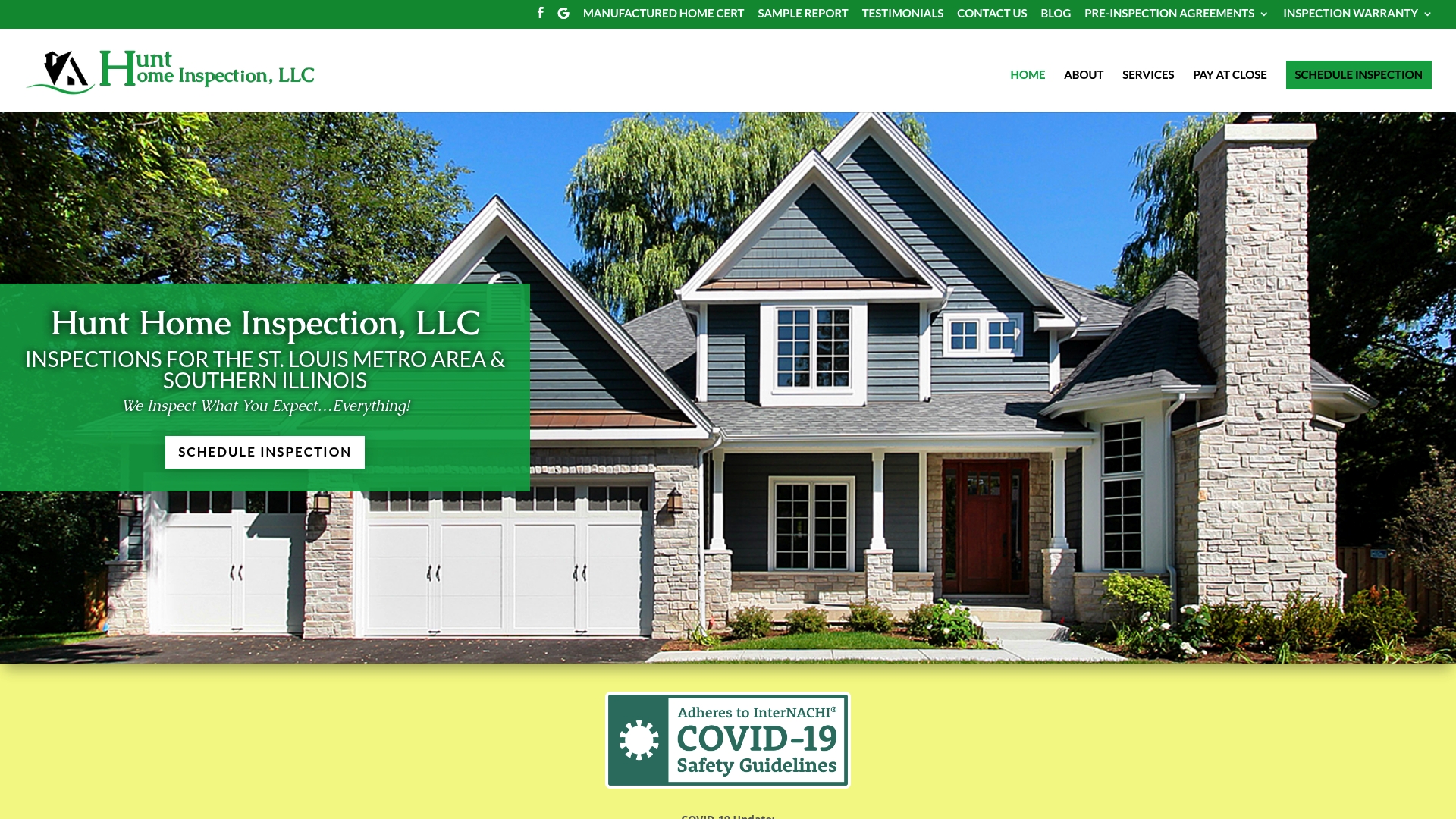
Every inspector at Jhunthomeinspections carries active certifications and full insurance coverage, so you can verify credentials before your appointment. The proprietary Create Request List™ tool makes it easy to share findings with your agent and prioritize repair requests without the back-and-forth. Scheduling is flexible, with both in-person and video inspection options available to fit your timeline. For buyers who need affordable inspection services, Jhunthomeinspections offers pricing structures built around defined scope, not hidden fees. See the full range of inspection services available and book with confidence.
FAQ
What are the most important inspection company selection criteria?
The most critical criteria are verified individual inspector credentials, active ASHI or InterNACHI membership, errors and omissions insurance, and thorough sample reports with annotated photos and severity ratings. Pricing transparency and scheduling responsiveness within your contingency window are equally important.
Should I use my real estate agent’s inspector recommendation?
Agent referrals are a useful starting point but should not be your only source. Inspectors who rely on agent referrals may face pressure to soften findings, so sourcing additional candidates from ASHI or InterNACHI directories preserves inspection independence.
What should a professional home inspection report include?
A professional report includes annotated photos, severity classifications for each defect, and references to applicable building codes or standards. Reports without photos or severity ratings provide insufficient detail for informed purchase decisions.
How quickly should an inspection company deliver its report?
Top providers deliver reports within 24–72 hours of the inspection. Fast turnaround is critical when you are working against a contract contingency deadline and need findings before a decision point.
How do I verify an inspector’s credentials before hiring?
Search the ASHI or InterNACHI member directories using the inspector’s name to confirm active membership. Also request proof of errors and omissions insurance and your state license number directly from the company before booking.
Recent Comments