
A housing inspector’s primary role is to evaluate residential properties against safety, health, and building standards that protect the people living in them. Whether you are buying your first home or renting an apartment, understanding what inspectors do gives you real power in the process. The role of inspector in safe housing goes far beyond a quick walkthrough. Inspectors apply frameworks like the federal NSPIRE standards and the Housing Health and Safety Rating System (HHSRS) to identify hazards, enforce compliance, and document findings with legal weight. This guide explains exactly what inspectors evaluate, what authority they hold, and how their work affects your housing decisions in 2026.
What does a housing inspector evaluate during safe housing inspections?
Housing inspectors assess every major system and structural element of a property. Their goal is to determine whether a home meets the minimum standards required for safe, livable conditions.
Structural components come first. Inspectors examine foundations, load-bearing walls, staircases, and roofs for signs of deterioration, instability, or damage. A cracked foundation or a sagging roof line is not just a cosmetic issue. It signals a potential collapse risk that disqualifies a property from meeting housing safety standards.
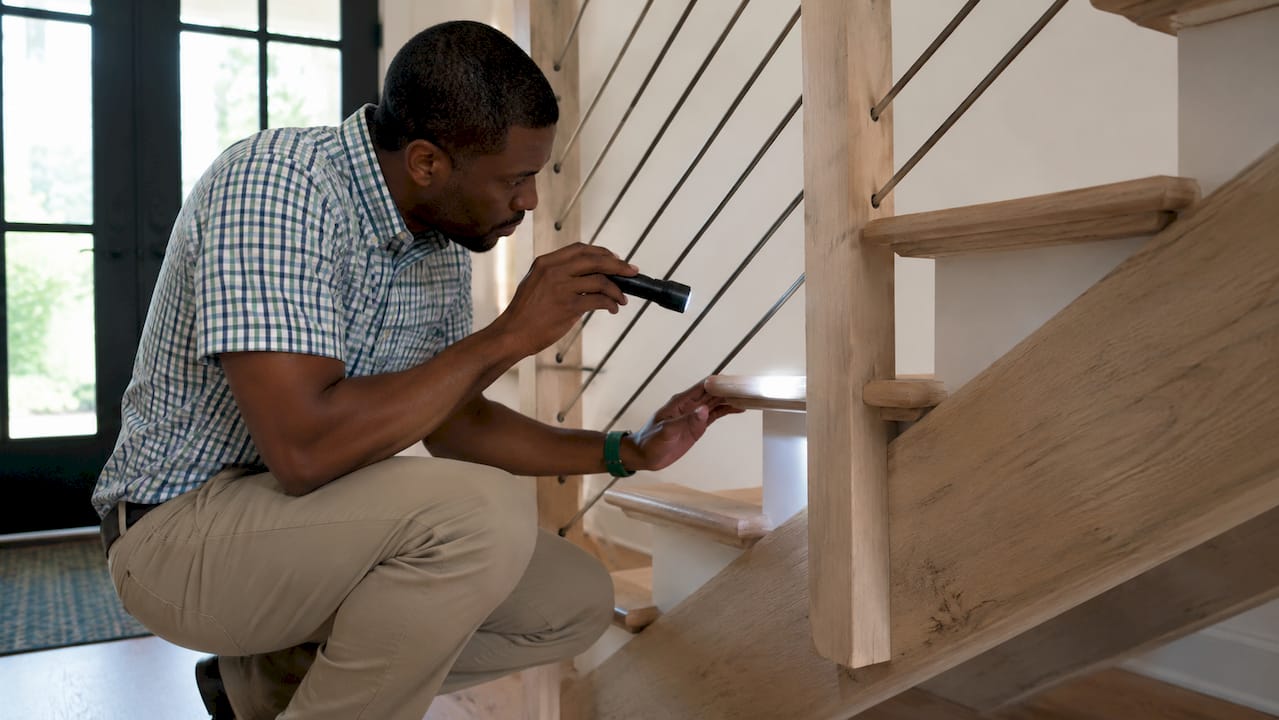
Utilities receive equally close attention. Inspectors check electrical panels for overloaded circuits, plumbing for leaks and water pressure, and heating and ventilation systems for proper function. Faulty wiring is one of the leading causes of residential fires, which is why electrical checks are non-negotiable during any safe housing inspection.
Health hazards form a separate but critical category. Inspectors look for mold growth, pest infestations, and the presence of lead paint, particularly in homes built before 1978. The HHSRS hazard classification system divides these risks into two tiers: Category 1 hazards require mandatory enforcement action, while Category 2 hazards allow for discretionary response. That distinction matters because it determines how quickly a landlord must act.
Safety features round out the evaluation. Inspectors verify that smoke detectors are installed and functional, that emergency exits are clear and accessible, and that fire hazards like blocked vents or improper fuel storage are absent. Under federal NSPIRE standards, life-threatening deficiencies such as blocked emergency exits must be corrected immediately once identified.
- Structural: foundation, walls, roof, staircases
- Utilities: electrical, plumbing, HVAC systems
- Health hazards: mold, lead paint, pest infestation
- Safety features: smoke detectors, fire hazards, emergency exits
- Code compliance: local building codes and federal NSPIRE standards
Pro Tip: Ask your inspector to walk you through each finding in person. A verbal explanation of a Category 1 hazard carries more weight than reading about it in a report later.
What are the legal and procedural responsibilities of housing inspectors?
Housing inspector duties extend well beyond the physical walkthrough. Inspectors carry legal authority and administrative responsibilities that shape how violations get resolved.
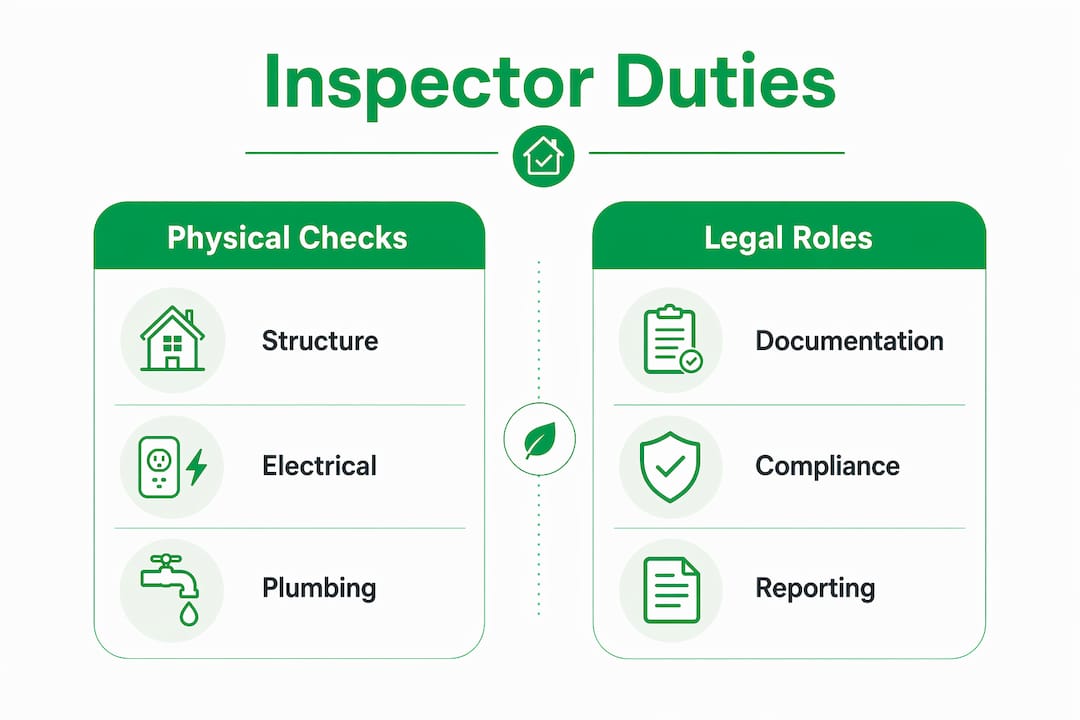
The inspection report is the inspector’s most powerful tool. It documents every deficiency with specific code references, photographs, and required corrective actions. Inspection reports carry legal weight for municipal code enforcement and can form the basis for court actions against non-compliant property owners. This means the report you receive is not just a checklist. It is an official government document.
After issuing a report, inspectors follow a defined procedural sequence:
- Issue a notice of violation to the property owner, citing the specific code sections breached.
- Set a compliance deadline that gives the owner a defined window to make corrections.
- Conduct a follow-up inspection to verify that required repairs have been completed.
- Escalate enforcement if violations remain, which can include fines, city-funded repairs billed to the owner, or property condemnation.
- Testify in court when enforcement actions require legal proceedings, acting as an official government agent.
One boundary inspectors do not cross is tenant-landlord mediation. Inspectors verify compliance with objective legal standards and cite owners for violations regardless of any personal dispute between a tenant and landlord. Their role is enforcement, not arbitration. Renters who expect an inspector to “take their side” in a dispute will be disappointed. What inspectors do instead is far more useful: they create an official record of unsafe conditions that carries real legal force.
Federal NSPIRE standards, effective april 2026, require that assisted rental housing be inspected within 12 months of project completion and at least once every 3 years thereafter. That schedule ensures ongoing accountability rather than a one-time check.
How do proactive and complaint-based inspections differ?
The trigger for an inspection shapes everything about how it unfolds. Most housing inspections happen reactively, meaning a tenant files a complaint and the city sends an inspector. A smaller but growing number of cities use proactive rental inspection programs instead.
Proactive inspection programs schedule regular mandatory checks of rental properties without waiting for a tenant to report a problem. This shifts the burden of identifying hazards from the tenant to the landlord and the city. The practical result is that issues like lead paint exposure or mold growth get caught before they cause harm, not after a tenant has already been living with them.
| Inspection type | Trigger | Who initiates | Key benefit |
|---|---|---|---|
| Proactive | Scheduled program | City or municipality | Catches hazards before tenant harm |
| Complaint-based | Tenant or third-party report | Tenant or neighbor | Responds to known, reported issues |
Complaint-based inspections have a significant limitation. Tenants in vulnerable situations, including those with limited English, low income, or fear of retaliation, often do not file complaints even when conditions are dangerous. Proactive programs remove that barrier entirely. Cities like Seattle use complaint-based enforcement as a baseline while layering in rental licensing requirements that push landlords toward regular self-certification.
Pro Tip: Check whether your city operates a proactive rental inspection program. If it does, your landlord is legally required to pass regular inspections regardless of whether you file a complaint.
How do housing inspectors affect homebuyers and renters practically?
The inspector’s findings directly shape your next move, whether you are buying or renting. Understanding how to use inspection results puts you in a stronger position.
For homebuyers, a pre-purchase inspection is the clearest picture you will get of a property’s true condition. Inspectors flag common red flags like foundation cracks, outdated electrical panels, and roof deterioration that sellers may not disclose. You can use those findings to negotiate repairs, request a price reduction, or walk away from a deal entirely. Skipping an inspection to speed up a purchase is one of the most expensive mistakes a buyer can make.
For renters, the inspector’s report is a legal document you can reference in disputes with your landlord. If a landlord fails to address life-threatening safety issues within the required timeframe, cities can impose penalties, fund repairs at the owner’s expense, or condemn the property. Knowing your tenant rights in housing inspections means you understand when to escalate and when the city will act on your behalf.
- Request a copy of any inspection report filed on your rental unit.
- Document unsafe conditions with photos before and after reporting them.
- Reference specific code violations in written communications with your landlord.
- Follow up with the city if a compliance deadline passes without repairs.
- For buyers, attend the inspection in person and ask questions directly.
There is also a broader market effect. Properties in cities with active inspection programs maintain higher baseline quality because landlords cannot let conditions deteriorate without consequence. Housing code enforcement functions as a public health tool, not just a property management mechanism. The difference between a city with strong inspection programs and one without shows up in health outcomes, not just housing prices.
A note on the difference between inspection types: a buyer’s home inspection focuses on the overall condition of the asset, including deferred maintenance and long-term repair costs. A housing code inspection for renters focuses strictly on legal safety standards. Both matter, but they answer different questions. You can learn more about what inspectors look for in each context before your next inspection.
Key Takeaways
A housing inspector’s role is to enforce objective safety and health standards through systematic evaluation, legal documentation, and follow-up compliance checks that protect both buyers and renters.
| Point | Details |
|---|---|
| Inspectors enforce standards, not opinions | Findings are based on codes like NSPIRE and HHSRS, not personal judgment or tenant disputes. |
| Reports carry legal authority | Inspection documents can support court actions and compel landlords to make repairs. |
| Proactive programs catch hazards earlier | Cities with scheduled inspection programs identify risks before tenants are harmed. |
| Buyers and renters use reports differently | Buyers negotiate repairs; renters use reports to enforce landlord compliance timelines. |
| Life-threatening deficiencies require immediate action | Federal NSPIRE standards mandate instant correction of hazards like blocked emergency exits. |
What I’ve learned after years of watching inspections go wrong
Most people treat a housing inspection as a formality. They schedule it, receive the report, and skim it for anything that sounds alarming. That approach leaves money and safety on the table.
The hazards I see overlooked most often are not the dramatic ones. Nobody misses a collapsed ceiling. What gets missed is the slow-burn stuff: a water heater venting improperly into a living space, a bathroom exhaust fan that has never worked, or a small foundation crack that has been growing for a decade. These are the findings that show up in inspection reports and get dismissed as “minor” until they become major.
Renters are at a particular disadvantage because most inspections in their buildings happen only after someone complains. If you are renting in a city without a proactive program, you are essentially the early warning system for your own safety. That is a structural flaw in how housing oversight works, and it disproportionately affects people who are least able to push back.
My advice for buyers is simple: attend the inspection, ask the inspector to show you every finding in person, and read the full report before you sign anything. For renters, know whether your city has a proactive inspection program and what your rights are when you request an inspection. The rental property inspection process is more accessible than most tenants realize.
The broader public health case for rigorous inspections is not abstract. Lead paint exposure causes permanent cognitive damage in children. Mold causes chronic respiratory illness. These are preventable outcomes when inspections happen on schedule and enforcement follows through. The inspector standing in your home or apartment is one of the few people in the housing system whose job is explicitly to protect you, not to close a deal.
— JOHN
How Jhunthomeinspections supports your safe housing goals
Jhunthomeinspections serves homebuyers and renters across the St. Louis Metro area and Southern Illinois with thorough, professionally documented inspections. Every inspection report is delivered within 24 hours, giving you the information you need to act quickly on a purchase or address a safety concern.
Jhunthomeinspections offers both in-person and video inspection options, making professional evaluations accessible regardless of your schedule or location. First-time buyers, veterans, and low-income families receive the same level of detail and care as any other client. The proprietary Create Request List™ tool makes it easy to share findings directly with your real estate agent. Explore the full range of home inspection services available and take the next step toward a safe, informed housing decision.
FAQ
What is the primary role of a housing inspector?
A housing inspector evaluates residential properties to verify compliance with safety, health, and building codes. Their findings are documented in official reports that carry legal authority for enforcement.
What do inspectors look for in a safe housing inspection?
Inspectors assess structural integrity, electrical and plumbing systems, heating and ventilation, health hazards like mold and lead paint, and safety features including smoke detectors and emergency exits.
How often are rental housing inspections required?
Under federal NSPIRE standards effective april 2026, assisted rental housing must be inspected within 12 months of project completion and at least once every 3 years thereafter.
Can a tenant request a housing inspection?
Yes. Tenants can file a complaint with their local housing authority to trigger a complaint-based inspection. Cities with proactive programs conduct inspections on a scheduled basis without requiring a tenant complaint.
What happens if a landlord ignores an inspector’s findings?
If a landlord fails to correct violations within the required timeframe, cities can impose fines, fund repairs at the owner’s expense, or condemn the property, as outlined under HHSRS enforcement rules.
Recent Comments