
A winter home inspection is worth doing and often more useful than a spring or summer one, because cold weather forces heating systems, insulation, and moisture problems to show themselves. The trade-off is real: snow and ice can hide roof, gutter, and grading issues that need a follow-up look later. Schedule it, attend if you can, and ask for photos of anything the inspector cannot fully check.
TL;DR:
- Winter inspections are especially valuable for revealing heating performance issues, drafts, and insulation gaps when the system is under real load.
- Snow and ice limits full access to roofs, gutters, and grading assessments, often requiring a follow-up inspection in spring when conditions improve.
- Some systems, such as air conditioning and irrigation, are off-limits during cold weather and must be evaluated later to ensure full safety and functionality.
- Inspectors use infrared cameras, drones, and moisture meters to detect hidden problems behind walls, on roofs, and in hard-to-access areas during winter.
- Buyers should attend inspections, ask for detailed documentation, and plan for follow-up checks on areas obscured by snow or ice to ensure a comprehensive evaluation.
Table of Contents
- Why winter inspections can be especially valuable
- What inspectors can and cannot fully evaluate in winter
- Key systems and winter-specific checks
- Practical buyer steps: attend, document, and plan follow-up
- Tools and techniques that improve winter inspections
- Why we treat winter inspections as a normal part of the job
- How we can help you get a winter-ready inspection
- Sources
- FAQ
Why winter inspections can be especially valuable
Heat exposes what heat is supposed to fix. When a furnace or heat pump runs constantly to fight the cold, an inspector can watch how evenly it distributes warmth, catch rooms that never quite heat up, and feel for drafts around windows, doors, and outlets that would go unnoticed on a mild day. A system that struggles in January will struggle worse later, and that struggle is visible right when you need to see it.
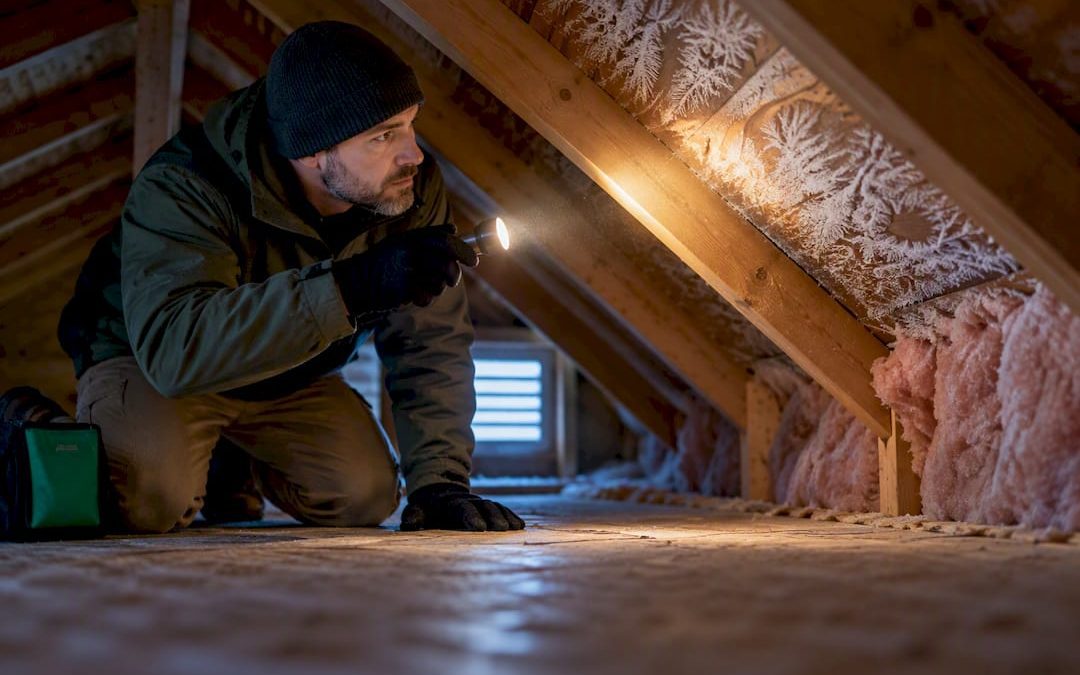
Moisture and insulation problems also become easier to spot. Frost patterns on the underside of a roof deck, condensation on windows, and ice dams along the eaves are seasonal tells that point to gaps in attic insulation or ventilation, according to a writeup on what to expect from home inspections during winter. Warm, humid air escaping into a cold attic is what melts snow unevenly and refreezes it at the eaves, and that pattern is one of the clearest signs of an insulation or air-sealing problem you will get all year.
These findings translate directly into repair priorities. Drafts and uneven heating point to sealing and insulation work, while ice dams point to attic ventilation. Either way, you leave the inspection with a punch list instead of a guess about future utility bills.
What inspectors can and cannot fully evaluate in winter
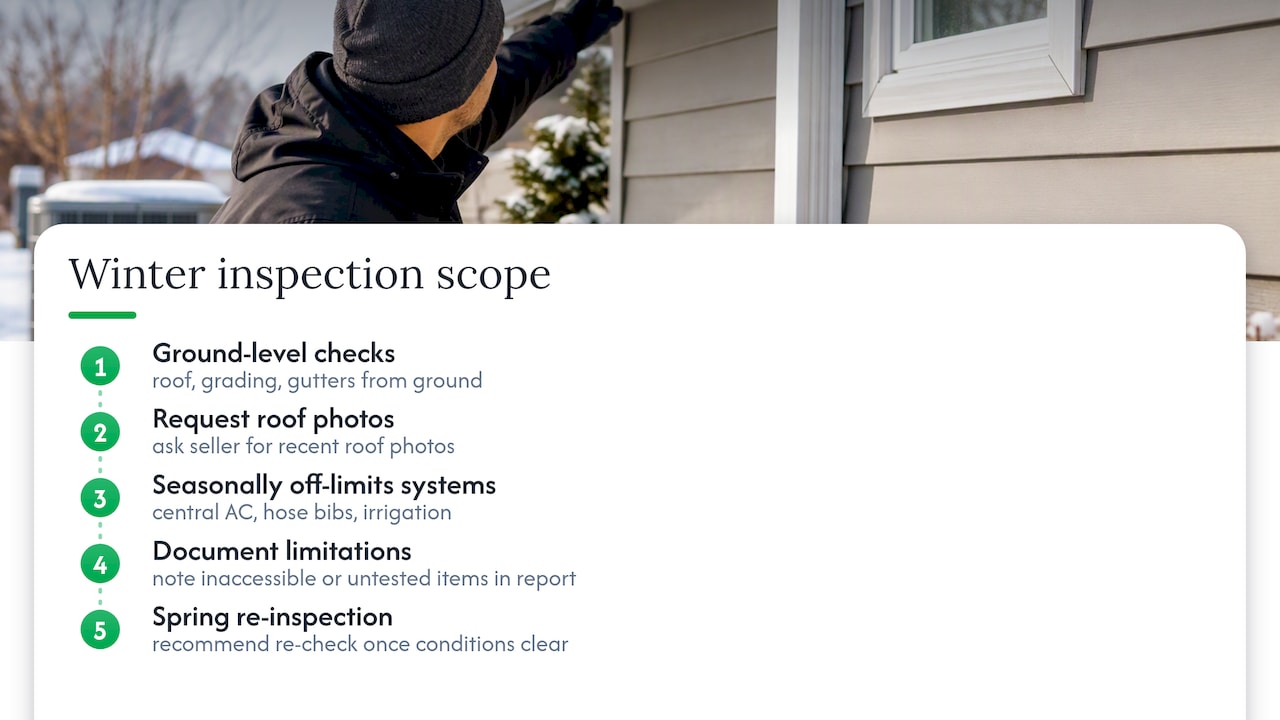
Snow and ice limit what an inspector can safely see and touch. A snow-covered roof usually cannot be walked, buried grading can’t be checked for proper drainage away from the foundation, and iced-over gutters are hard to assess for clogs or damage. Inspectors work around this by using ground-level visual checks, requesting recent seller-supplied roof photos, or recommending a spring re-inspection once conditions clear, a workflow described in the American Society of Home Inspectors’ guidance on winter inspections.
Certain systems are seasonally off-limits, too. Central air conditioning is commonly left untested when outdoor temperatures sit below roughly 60 to 65 degrees Fahrenheit, since running a compressor in the cold can damage it, a limit outlined in InterNACHI’s HVAC inspection standards. Winterized hose bibs and irrigation systems fall into the same category since they’ve already been shut down and drained for the season.
None of this means the report is incomplete. Standards of practice require inspectors to document exactly what they could not access or test, and a good home inspection report spells out those limitations clearly rather than glossing over them, so you know precisely what still needs a second look.
Key systems and winter-specific checks
Winter conditions push certain systems to reveal problems that stay hidden the rest of the year. Here’s what an inspector focuses on room by room and system by system.
- Heating: Inspectors check performance under real load, look for rooms that heat unevenly, test the thermostat, and examine the fuel supply and venting for the furnace or boiler.
- Plumbing: Exposed pipes in unheated crawl spaces or garages get extra attention, along with insulation gaps around those pipes and any signs of a past freeze or burst, since poorly insulated pipes in unheated areas are common freeze points. Water heater capacity and recovery time also get tested.
- Building envelope: Drafts around windows and doors, attic insulation depth, ice dam patterns, and window condensation all point to where warm air is escaping.
- Electrical: Inspectors check panel condition, look for load concerns when a home leans on electric heat, and verify GFCI outlets are functioning.
Not every finding carries the same weight. Active water intrusion, unsafe wiring, or a furnace with a cracked heat exchanger are high-concern items that need attention before closing. A drafty window or a slightly undersized attic vent is a repairable seasonal quirk, not a deal breaker.
Pro Tip: Ask the inspector to note which findings are urgent safety issues versus which are efficiency improvements you can tackle over time.
Practical buyer steps: attend, document, and plan follow-up
A winter inspection works best when you treat it as an active part of the deal, not a formality to check off.
- Attend if you can. Dress warmly, since parts of the walkthrough happen in unheated spaces like attics, garages, and crawl spaces, and come ready with questions.
- Ask for documentation. Request photos, thermal images where available, and clear notes on anything the inspector could not fully access.
- Schedule follow-up for covered areas. If the roof or grading was snow-covered, ask for a spring recheck once conditions clear.
- Use your inspection contingency. A contingency lets you renegotiate or walk away if the inspection turns up defects you find unacceptable, and the Consumer Financial Protection Bureau recommends scheduling the inspection early so there’s time for follow-up evaluations before your contingency window closes. Our own guide on using a buyer inspection contingency walks through the timing in more detail.
- Request service records and add targeted tests. Ask for roof and heating maintenance history, and consider add-on tests like radon or a sewer camera if the home’s age or condition suggests risk.
Tools and techniques that improve winter inspections
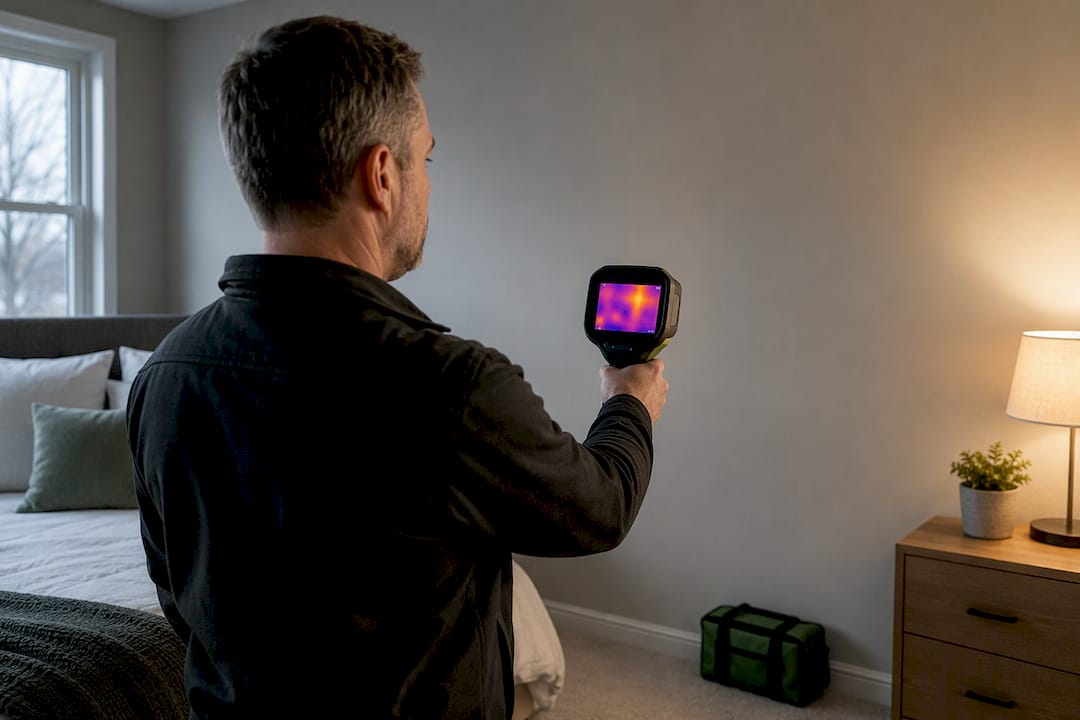
Modern inspection tools close a lot of the gap that snow and ice create. Infrared cameras read surface temperature differences behind walls and ceilings, which reveals missing insulation, hidden air leaks, and moisture intrusion that a visual check alone would miss, according to Rocket Mortgage’s overview of inspection tools. A cold streak running along a wall stud pattern usually means insulation is missing between those studs. A damp-looking patch near a window points to a leak.
When a roof is too icy to walk safely, drones and elevated photography give inspectors a usable view without the risk. Moisture meters add another layer, flagging elevated readings in drywall or framing that may call for opening a small section to confirm a leak before it becomes a bigger problem.
Why we treat winter inspections as a normal part of the job
Winter inspections are scheduled the same way as other inspections, with video inspection options available for buyers who cannot attend in person and full reports returned promptly. When snow or ice blocks a full exterior check, we document it plainly in the report and recommend a spring recheck rather than guess at what’s underneath. Add-on tests like radon or a sewer camera inspection get flagged when the property’s age or condition points to that risk.
— JOHN
How we can help you get a winter-ready inspection
Winter doesn’t have to mean a weaker inspection, it just means a more deliberate one. Our inspection services cover the full range you’d need this time of year: a buyer’s inspection for the purchase itself, a maintenance inspection if you already own the home and want repair priorities, and add-ons like radon testing or a sewer camera lateral inspection when winter findings point that direction.

Inspections can be scheduled for video or in-person appointments and include a written report returned quickly to facilitate timely planning after the inspection. If you’re buying, selling, or just want a clear read on how your home is holding up this winter, book through our inspection services page and we’ll walk you through exactly what to expect for your property.
Sources
- Schedule a home inspection — Consumer Financial Protection Bureau
- Why Winter Is the Best Time to Get Your Home Inspected — American Society of Home Inspectors (reporter)
- Inspecting HVAC systems — InterNACHI (HVAC inspection manual)
- What to expect from home inspections during winter — The Osterman Group
FAQ
What is the biggest red flag in a home inspection?
Active water intrusion, whether from a leaking roof, a failed foundation seal, or burst pipes, ranks among the most serious findings because it signals ongoing damage rather than a one-time issue. Unsafe electrical wiring and a furnace with a cracked heat exchanger are also treated as urgent since they pose safety risks rather than just repair costs.
How much do home inspectors normally cost?
Pricing varies by location, home size, and which add-on tests you choose, such as radon or a sewer camera inspection. Contact an inspector directly for a quote based on your property’s specifics, since published flat rates aren’t standard across the industry.
When should I walk away from a home inspection?
An inspection contingency gives you the legal footing to renegotiate or cancel the contract if the inspection turns up defects you consider unacceptable, according to the Consumer Financial Protection Bureau. Walking away tends to make sense when the cost or safety risk of the findings outweighs what you’re willing to take on, such as major structural damage or a heating system near failure in a cold climate.
What can ruin a home inspection?
Inaccessible areas, like a snow-covered roof or a locked utility room, can prevent an inspector from completing parts of the evaluation, which is why documentation and a planned follow-up matter. Sellers who fail to clear snow from key access points or leave utilities shut off can unintentionally limit how thorough the inspection turns out to be.
Recent Comments