
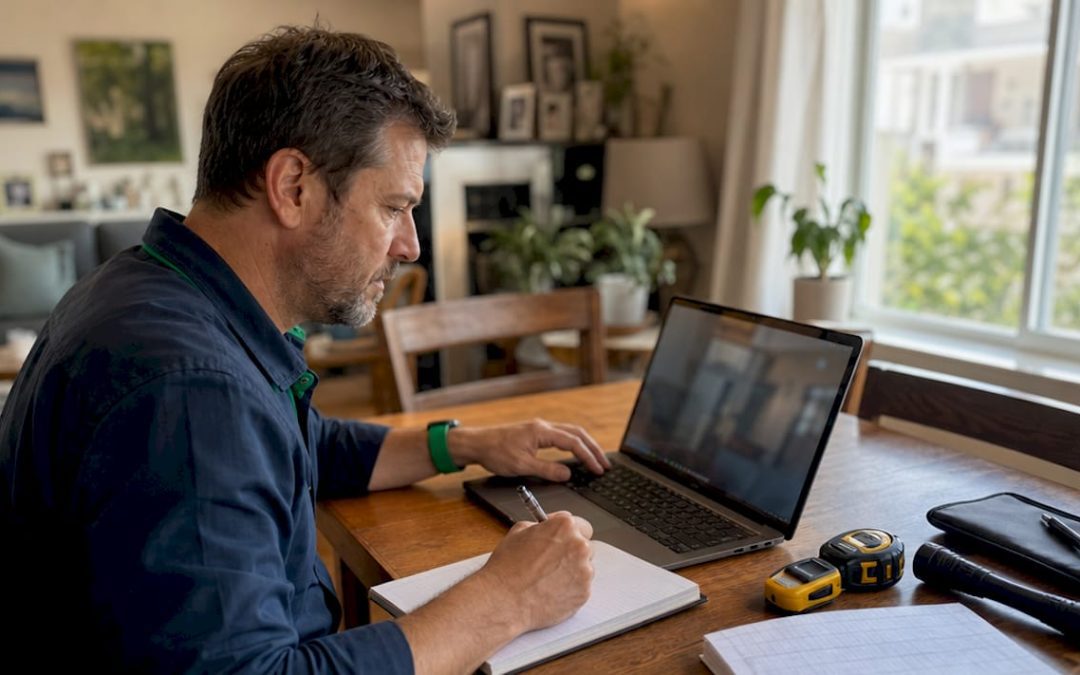
An out-of-state home inspection is a professional property assessment performed by a local certified inspector on behalf of a buyer who lives in a different state. It is the single most important step in remote property purchases because you cannot rely on a weekend visit to catch structural defects, water intrusion, or regional hazards. Typical closing windows run 30 to 45 days, which means your inspection timeline is tight and every decision counts. Getting this process right separates buyers who close with confidence from those who inherit expensive surprises.
What is an out-of-state home inspection and how does it work?
An out-of-state home inspection follows the same professional standards as a local inspection, with one critical difference: the buyer is not physically present. A licensed inspector hired in the property’s state conducts a full evaluation of the structure, systems, and components while the buyer participates remotely. The inspection process for homebuyers covers the roof, foundation, HVAC, plumbing, electrical, and more.
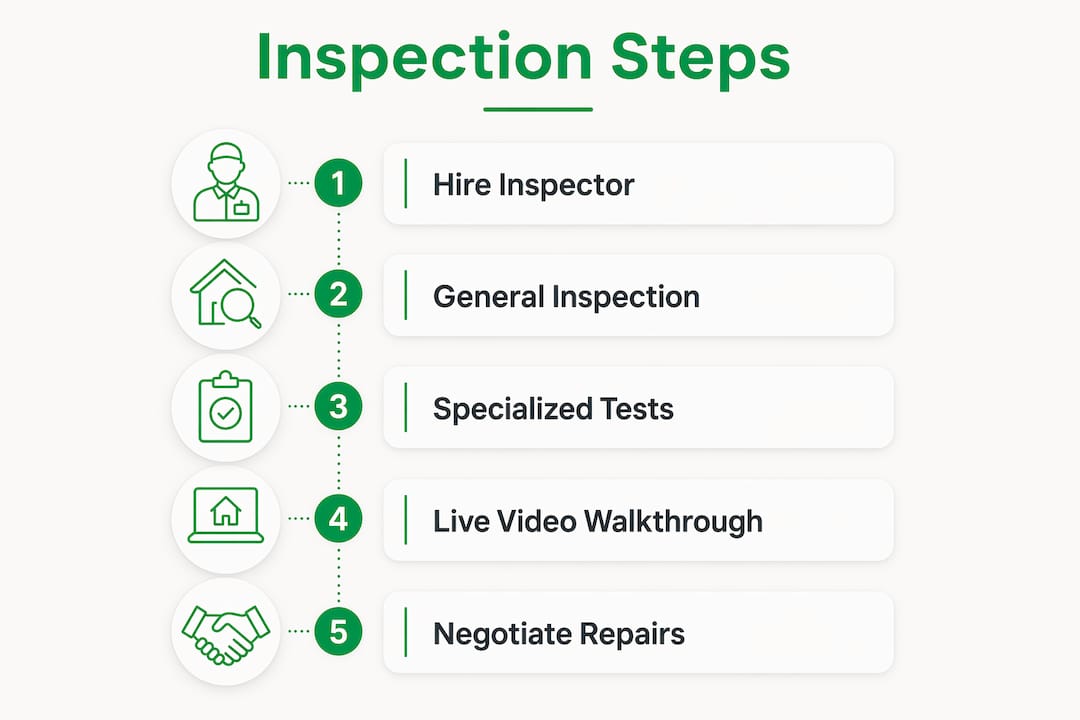
Here is how the out-of-state inspection process typically unfolds:
- Hire a local certified inspector. Search for inspectors credentialed through InterNACHI or ASHI who are familiar with regional building codes and climate-specific risks in the target market. An inspector in St. Louis, for example, knows to look for basement water intrusion and clay soil settlement that an out-of-town inspector might underweight.
- Schedule a live video walkthrough. Live video walkthroughs via Zoom or FaceTime are more reliable than pre-recorded tours because you can direct the inspector’s attention to specific areas in real time. Ask them to linger on the electrical panel, crawl space entry, and any visible water staining.
- Review the detailed digital report. A quality inspector delivers a photo-rich report within 24 hours that includes repair recommendations, severity ratings, and cost estimates. This document becomes your negotiation tool.
- Activate your inspection contingency. Your purchase contract must include an inspection contingency clause that gives you the legal flexibility to renegotiate, request repairs, or walk away if major defects surface. Without this clause, you have no leverage.
- Work with your buyer’s agent and attorney. A local buyer’s agent coordinates access and communicates with the listing agent. A real estate attorney reviews contingency language to protect your interests across state lines.
Pro Tip: Ask your inspector to narrate every concern on video, not just photograph it. A 30-second verbal explanation of a cracked heat exchanger is far more useful than a photo when you are reviewing the report 1,000 miles away.
What specialized inspections should out-of-state buyers order?
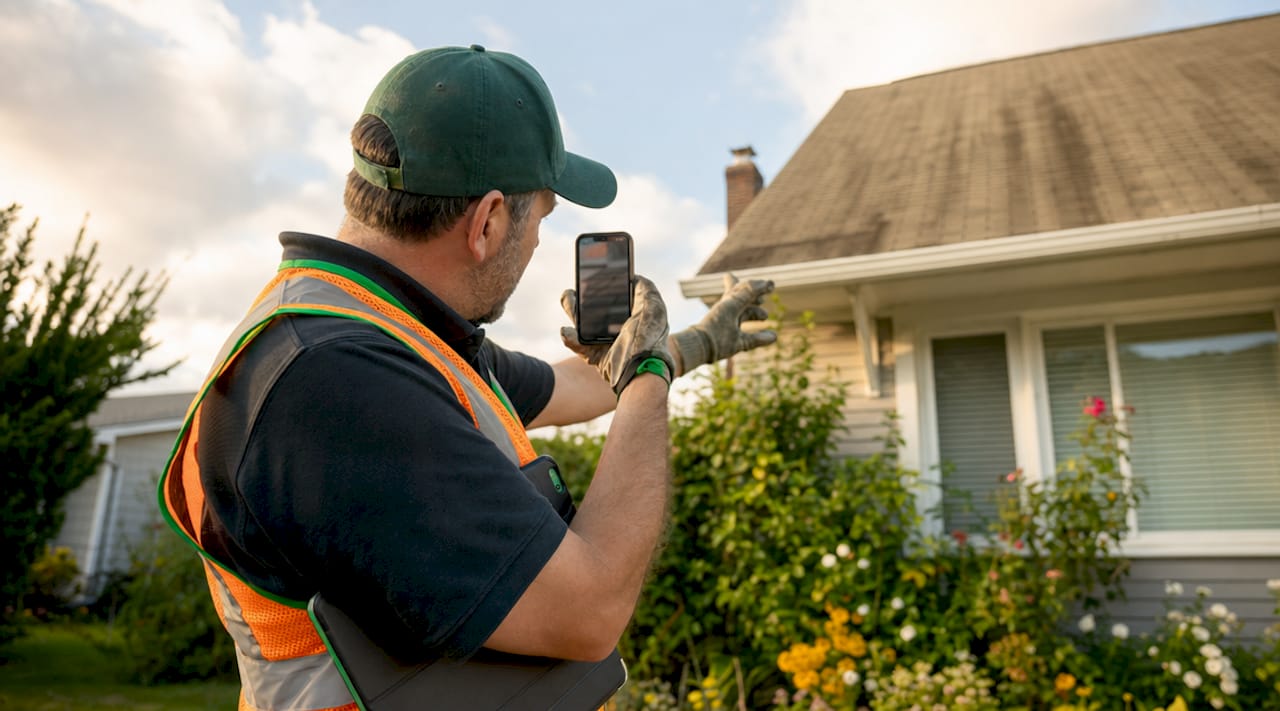
A standard general inspection covers visible systems and components, but it does not catch everything. Out-of-state buyers face a compounded risk because they cannot do a casual follow-up visit to check on a concern. Specialty inspections beyond the standard assessment are the answer, and the right ones depend heavily on the property’s region and age.
In one documented investment case, a live-streamed walkthrough and subsequent specialized inspection uncovered a $15,000 grading issue that the standard inspection had flagged only vaguely. That single specialized follow-up saved the buyer from a foundation repair bill that would have wiped out two years of rental income. The ROI on a $200 to $400 specialty inspection is almost always positive.
The table below shows the most common specialized inspections and when to order them:
| Inspection type | When to order it | Typical cost range |
|---|---|---|
| Sewer scope | Homes over 20 years old, urban markets | $150 to $300 |
| Pest/WDI (wood-destroying insects) | Warmer climates, Southeast, Gulf Coast | $75 to $150 |
| Radon testing | Midwest, Mountain West, Northeast | $100 to $200 |
| Septic and well evaluation | Rural properties, no municipal utilities | $200 to $500 |
| Phase inspection (new construction) | New builds at key construction milestones | $200 to $400 per phase |
For new construction purchases, phase inspections for new builds monitor key milestones like framing, rough-in plumbing, and pre-drywall. Standard inspectors only evaluate at completion, which means defects buried inside walls go undetected. Out-of-state buyers building new have no other way to verify quality throughout the process.
Pro Tip: Verify that your inspector holds credentials specific to the specialty you need. A general inspector with an InterNACHI radon certification is not the same as a state-licensed radon mitigator. For WDI inspections in Florida or Texas, confirm the inspector carries a state pest control license.
What tools and digital methods help with remote property inspections?
Technology has made the out-of-state inspection process far more reliable than it was even five years ago. 40% of buyers use virtual tours regularly, which reflects how deeply digital tools have embedded themselves in modern home buying. That said, technology supplements inspection expertise. It does not replace it.
The most effective digital tools for remote home inspection include:
- Live video walkthroughs via Zoom or FaceTime. These allow active participation, letting you direct the inspector’s camera to subtle problem areas. Pre-recorded tours give you no ability to ask “can you move that panel cover?” in the moment.
- Thermal imaging cameras. These detect heat signatures behind walls and ceilings that reveal moisture intrusion, missing insulation, and electrical hot spots invisible to the naked eye. Many certified inspectors include thermal imaging as a standard or add-on service.
- Drone footage. Roof inspections from the ground miss a lot. Drone footage gives a clear aerial view of shingle condition, flashing integrity, and chimney damage without the inspector setting foot on a steep pitch.
- Matterport 3D scans and 360-degree virtual tours. These let you revisit every room after the inspection at your own pace. You can measure spaces, zoom into corners, and cross-reference the inspector’s report against what you see in the scan.
- The digital dossier. Building a digital dossier that includes seller disclosures, 12 to 24 months of utility bills compared against local weather data, and past inspection reports helps identify chronic issues that a single inspection day cannot reveal. A home with three consecutive years of high winter heating bills in a mild climate has an insulation or HVAC problem waiting to be confirmed.
The limitation of all these tools is that they depend on the quality of the person operating them. A great inspector with a basic camera beats a mediocre inspector with a thermal drone every time.
How can buyers legally protect themselves and negotiate repairs remotely?
Legal protection in an out-of-state purchase starts before the inspection, not after it. The contract language you agree to on day one determines how much power you have when the inspection report arrives with a list of defects.
Follow these steps to protect yourself and negotiate effectively from a distance:
- Include an inspection contingency in every offer. Inspection contingency clauses give you the legal right to walk away, renegotiate the price, or request repairs if major problems are found. Waiving this clause in a competitive market is a risk that remote buyers should almost never take.
- Get local repair quotes before negotiating. Ask your buyer’s agent to connect you with two or three local contractors who can provide written estimates for the defects your inspector flagged. A $5,000 estimate in St. Louis may be $12,000 for the same repair in San Francisco. Local pricing data is your negotiation anchor.
- Request seller-funded repairs or price credits. Credits at closing are often preferable to seller-completed repairs because you control the contractor and the quality of work. Sellers motivated to close quickly will frequently accept a credit rather than manage repairs themselves.
- Schedule a re-inspection after agreed repairs. A re-inspection is critical to verify that work was completed properly and to code before you close. Never accept a seller’s word or a receipt as proof of quality workmanship.
- Conduct a final walkthrough via live video. If you cannot be present in person, have your buyer’s agent conduct the final walkthrough on a live video call with you. Confirm that agreed repairs are complete and that no new damage occurred during the seller’s move-out.
What are best practices for out-of-state buyers to minimize risk?
The buyers who navigate remote purchases most successfully treat the inspection period as a full due diligence sprint, not a single checkbox. Building a trusted local team around the buyer, including an experienced buyer’s agent, a certified inspector, and a real estate attorney, is the foundation of every successful out-of-state transaction.
Practical steps that reduce risk and buyer’s remorse:
- Visit in person during the inspection window if at all possible. The cost of a single flight is small compared to the risk of buyer’s remorse on a six-figure purchase. Many successful investors schedule their visit to coincide with the inspection day so they can walk the property alongside the inspector.
- Interview at least three inspectors before hiring. Ask each one how many out-of-state clients they serve, whether they offer live video walkthroughs, and how they handle follow-up questions after the report is delivered. References from other remote buyers are the most valuable credential they can offer.
- Use both inspection and appraisal contingencies. The appraisal contingency protects you if the property appraises below the purchase price, which is a common scenario in markets where remote buyers sometimes overbid due to limited local knowledge.
- Research neighborhood and environmental data independently. Tools like the EPA’s EnviroMapper, FEMA flood maps, and local crime statistics fill gaps that no inspector can cover. A structurally sound house in a flood zone or a superfund-adjacent neighborhood carries risks that show up in insurance costs and resale value, not inspection reports.
- Leverage the inspection services of inspectors who specialize in remote buyer support. Not every inspector is set up to serve clients who are not in the room. Look for firms that offer digital report delivery, video walkthroughs, and responsive follow-up communication as standard practice.
Pro Tip: Ask your inspector to flag items by priority: safety hazards, major defects, and maintenance items. This triage makes it far easier to decide what to negotiate versus what to accept when you are reviewing a 60-page report from another time zone.
Key takeaways
An out-of-state home inspection requires a local certified inspector, live video participation, specialized add-on inspections, and a legally protective contingency clause to give remote buyers the same confidence as buyers who are physically present.
| Point | Details |
|---|---|
| Hire locally, inspect remotely | A local certified inspector familiar with regional risks is non-negotiable for remote buyers. |
| Live video beats pre-recorded tours | Zoom or FaceTime walkthroughs let you direct the inspector in real time, catching issues passive tours miss. |
| Order specialty inspections | Sewer scopes, radon tests, and WDI inspections address regional risks a standard inspection will not cover. |
| Protect yourself with contingencies | An inspection contingency clause gives you the legal right to renegotiate or exit if major defects are found. |
| Build a digital dossier | Utility bills, disclosures, and prior reports reveal chronic issues that a single inspection day cannot detect. |
Why I think most out-of-state buyers underestimate the inspection phase
After working with buyers across the St. Louis Metro area and Southern Illinois, the pattern I see most often is this: remote buyers spend months researching neighborhoods and mortgage rates, then rush through the inspection period because the closing deadline is looming. That is exactly backwards.
The inspection window is where you earn or lose money on a remote purchase. The buyers I have seen walk away from deals they should have walked away from are almost always the ones who skipped the sewer scope on a 1950s bungalow or waived the re-inspection after seller repairs. The $200 they saved cost them $8,000 six months later.
My honest recommendation is to treat every out-of-state purchase as if you are buying blind, because in many ways you are. Combine every digital tool available with at least one in-person visit. Order the specialty inspections that match the region. And never, under any circumstances, waive your inspection contingency to win a bidding war on a property you have never stood inside. The deal you lose because you insisted on proper due diligence is always better than the deal you win without it.
The anxiety of buying remotely is real, but it is manageable. A thorough process, a trusted local team, and the right inspector make the difference between a sound investment and an expensive lesson.
— JOHN
How Jhunthomeinspections supports out-of-state buyers
Jhunthomeinspections serves buyers purchasing in the St. Louis Metro area and Southern Illinois with the kind of thorough, tech-enabled inspection process that remote buyers specifically need. Live video walkthroughs, detailed digital reports delivered within 24 hours, and specialty inspections are all available through their inspection services.
For buyers managing the transaction from another state, Jhunthomeinspections also offers a pay at close option that removes the upfront payment friction common in remote transactions. Their proprietary Create Request List™ tool organizes inspection findings into a clear communication format between buyers and agents, making the negotiation phase far easier to manage from a distance. If you are buying in their service area, this is the local team worth having in your corner.
FAQ
What is an out-of-state home inspection?
An out-of-state home inspection is a professional property evaluation conducted by a local certified inspector on behalf of a buyer who lives in a different state. The buyer participates remotely, typically via live video, and receives a detailed digital report with photos and repair recommendations.
Do I need an inspection contingency when buying out of state?
Yes. An inspection contingency clause is non-negotiable for remote buyers because it gives you the legal right to renegotiate, request repairs, or exit the contract if significant defects are discovered during the inspection period.
Can I attend a home inspection remotely?
Yes. Live video walkthroughs via Zoom or FaceTime allow you to participate in real time, directing the inspector’s attention to specific areas and asking questions as defects are discovered. This is more effective than reviewing a pre-recorded tour after the fact.
What specialized inspections should out-of-state buyers order?
The right specialty inspections depend on the region. Sewer scopes are standard for older urban homes, pest and WDI inspections are critical in warmer climates, radon testing is recommended in the Midwest and Northeast, and septic evaluations are required for rural properties without municipal utilities.
How do I find a qualified inspector in another state?
Search for inspectors credentialed through InterNACHI or ASHI in the target market, and ask specifically whether they offer live video walkthroughs and have experience serving out-of-state buyers. References from other remote clients are the strongest indicator of fit.
Recent Comments