
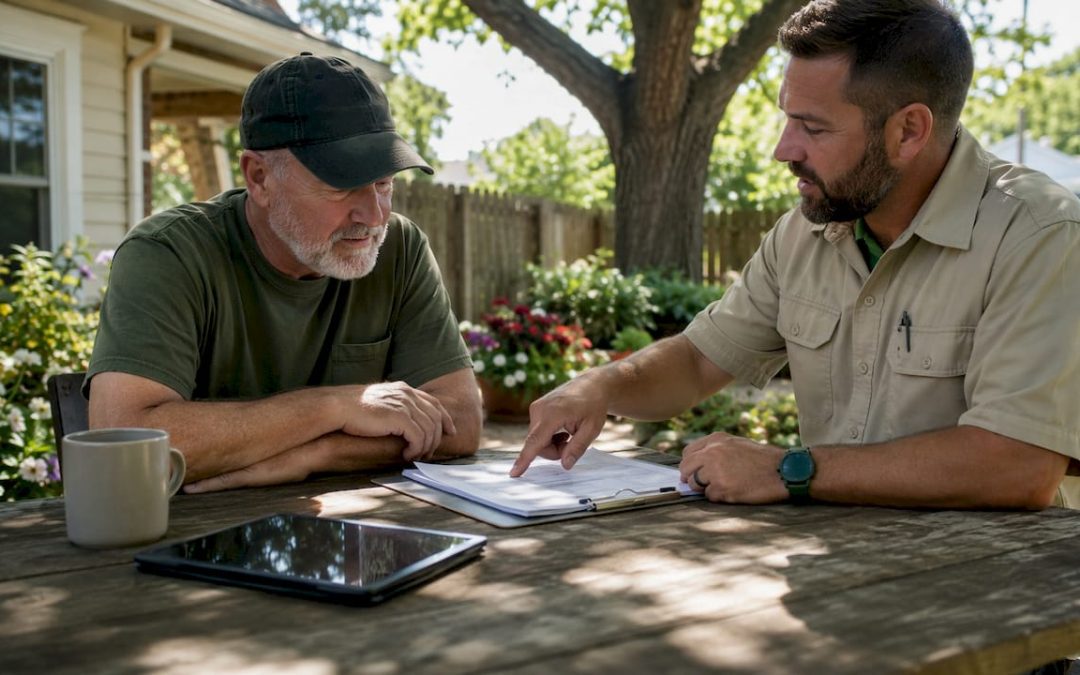
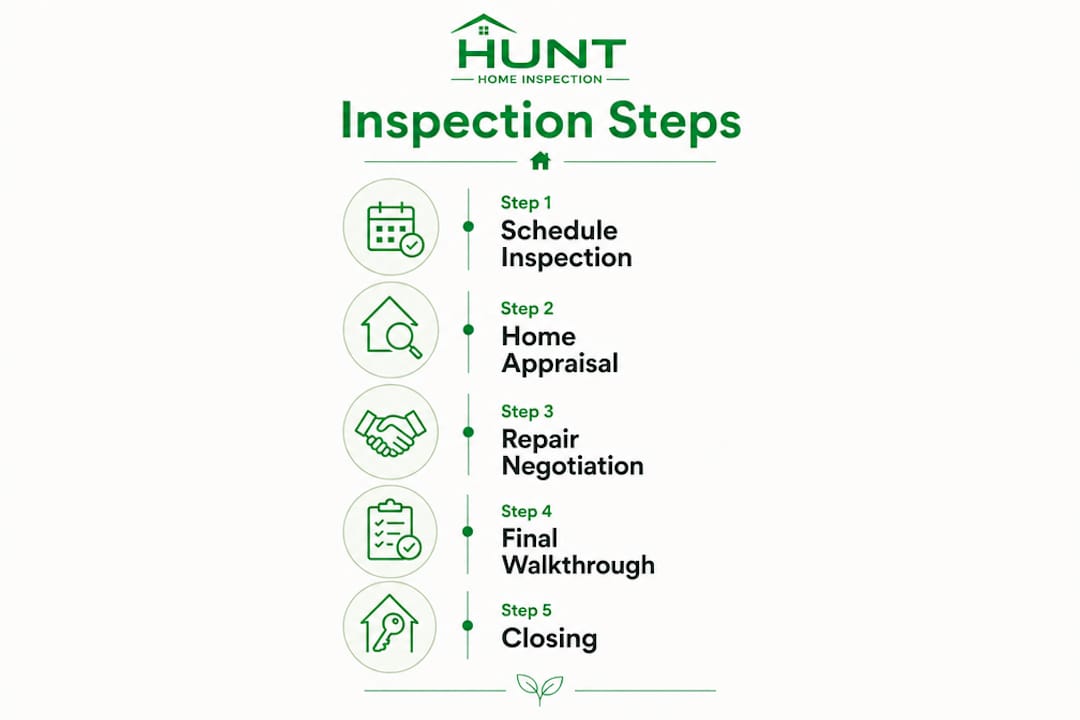
Buying a home with VA benefits follows a specific sequence, and knowing the VA benefit home purchase inspection steps before you sign anything saves you money, time, and real headaches. Here is the short version: secure your Certificate of Eligibility, get pre-approved, sign a purchase agreement that includes the VA escape clause, order a private home inspection early, and then let your lender order the mandatory VA appraisal. Each step has a distinct purpose, and skipping or confusing them is the most common mistake first-time VA buyers make.
The core steps in order:
- Obtain your Certificate of Eligibility (COE) through VA.gov or your lender, confirming you qualify for the VA loan benefit
- Get pre-approved with a VA-approved lender before you start house hunting, so you know your real budget
- Sign a purchase agreement that includes the VA escape clause, which protects you if the home appraises below the purchase price
- Order a private home inspection shortly after contract signing, before the appraisal, to catch mechanical, structural, and safety issues the appraiser will not look for
- Your lender orders the VA appraisal, not you. The appraiser checks both market value and VA Minimum Property Requirements (MPRs)
- Review appraisal results and decide whether to proceed, renegotiate, request a Reconsideration of Value, or walk away
- Complete any required repairs flagged by the appraiser before closing, coordinating timelines carefully to avoid delays
What are VA Minimum Property Requirements and why do they matter?
VA Minimum Property Requirements are the baseline safety, sanitation, and structural standards a home must meet before the VA will guarantee the loan. They exist to protect you, not just the lender. A home that fails MPRs cannot close on a VA loan until the issues are corrected.
The VA appraiser checks for MPR compliance during the appraisal visit. Common conditions that trigger MPR failures include non-functional heating or cooling systems, unsafe electrical wiring, inadequate plumbing, and evidence of significant water intrusion. The appraiser is not looking at cosmetic flaws like dated paint colors or worn carpet. The focus is on whether the home is safe, structurally sound, and livable.
Specific MPR checkpoints include:
- Roofing condition: The roof must have a remaining useful life and must not allow moisture intrusion
- Structural integrity: Foundation, walls, and load-bearing elements must be sound
- Safe utilities: Heating, electrical, and plumbing systems must be functional and meet local codes
- Sanitation: Adequate sewage disposal and clean water supply are required
- Access: The property must have safe pedestrian and vehicle access, and crawlspaces must be accessible
- Lead-based paint: Peeling or chipped paint in homes built before 1978 must be addressed
If the appraiser flags any of these, the seller typically must make repairs before the loan can close. You can negotiate who pays, but the work must be done. Delays in addressing MPR failures frequently cause closing delays or, if the VA escape clause is absent from the contract, potential loss of your earnest money deposit.
How does a VA appraisal differ from a home inspection?
These two processes serve completely different purposes, and confusing them is the single most expensive mistake VA buyers make. The VA appraisal is mandatory and ordered by your lender. The private home inspection is optional but strongly recommended by the VA itself.

The VA appraiser works for the lender and the VA, not for you. Their job is to confirm the home’s market value and verify MPR compliance. They are not there to find every leaky faucet, aging water heater, or undersized electrical panel. As the VA’s own buyer’s guide states, “an appraisal is not a home inspection.” A VA appraiser’s scope is financial and regulatory, full stop.
A private home inspector, by contrast, works entirely for you. They examine the heating and cooling systems, plumbing, electrical panel, roof structure, foundation, insulation, windows, and more, producing a detailed written report you can use to negotiate repairs or credits. The inspection covers systems the appraiser has no obligation to evaluate in depth.
Key differences at a glance:
- Who orders it: Lender orders the appraisal; you order the inspection
- Who it protects: Appraisal protects the lender and VA; inspection protects your investment
- Scope: Appraisal covers value and MPRs; inspection covers full mechanical and structural condition
- Cost: Private inspections typically run $300–$600; VA appraisals generally cost $500–$1,000 depending on home size and region, paid by the buyer
- Timing: Order the inspection first, right after contract signing, before the appraisal is completed
Pro Tip: Schedule your private home inspection within the first few days after signing the purchase agreement. If the inspector finds a serious problem, you have time to renegotiate or exit the contract before the appraisal fee is spent and before repair timelines get tight.
First-time VA buyers often assume the appraiser will catch everything. They rarely do, because that is not their job. Relying solely on the VA appraisal results leaves you exposed to repair surprises after closing that can run into thousands of dollars.
Common reasons homes fail VA appraisal or inspection
Knowing what typically goes wrong lets you spot red flags during your house search, before you are locked into a contract. Some issues are cosmetic and easy to fix. Others can kill a deal entirely.
The most common VA appraisal failure triggers include:
- Roof deterioration: Missing shingles, sagging decking, or visible leaks are automatic MPR flags
- Peeling or chipped lead-based paint: Any pre-1978 home with deteriorating paint requires remediation before closing
- Crawlspace access issues: Blocked or inaccessible crawlspaces fail MPR requirements
- Non-functional HVAC: A heating system that cannot maintain a safe temperature in winter will not pass
- Hazardous materials: Exposed asbestos, active mold, or contaminated soil trigger MPR failures
- Structural problems: Cracked foundations, bowing walls, or compromised load-bearing elements are serious flags
Beyond the appraisal, a private home inspection often surfaces issues the appraiser never touches. Aging electrical panels, galvanized plumbing nearing the end of its service life, and failing water heaters are common findings that give you real negotiating leverage.
Depending on the property and location, additional specialized inspections may be required or strongly advisable. Termite and wood-destroying insect (WDI) inspections are mandatory in many states for VA loans. If the property uses a private well or septic system, water quality testing and septic inspections are typically required as part of the process. Budget for these early so they do not surprise you at closing.
When a home fails the VA appraisal on MPR grounds, your options are straightforward: the seller makes the required repairs, you negotiate a price reduction to cover your repair costs, or you walk away using the VA escape clause. Walking away is always an option, and the escape clause exists precisely for this situation.
What happens after the VA appraisal?
Once the appraisal is complete, your lender receives a Notice of Value (NOV) that documents the appraiser’s estimated market value, a list of comparable sales, and any items requiring repair to meet MPRs. What happens next depends on what that notice says.
If the appraisal comes in at or above the purchase price and no MPR repairs are required, the process moves forward to underwriting and then closing. This is the clean outcome everyone hopes for.
If the appraisal comes in below the purchase price, you have three paths forward, all outlined in VA’s official guidance:
- Request a Reconsideration of Value (ROV): Your real estate agent provides the lender with comparable sales data showing the home is worth more. The lender asks the appraiser to reconsider. This works best when there is genuine comparable evidence the appraiser may have missed.
- Renegotiate the sales price: Ask the seller to lower the price to match the appraised value. In a buyer-friendly market, sellers often agree rather than lose the deal.
- Pay the difference at closing: You can cover the gap between the appraised value and the purchase price out of pocket. This requires cash on hand and a deliberate decision that the home is worth it to you at that price.
If MPR repairs are required, the seller must complete them before closing. Get written confirmation of completed repairs and, when the scope is significant, consider having your inspector verify the work. Coordinating repair timelines with your lender’s closing schedule is where deals most often stall. The VA escape clause in your purchase agreement is your safety net throughout this phase. Without it, you risk losing your earnest money if the deal falls apart over appraisal issues.
Pro Tip: Ask your real estate agent to include a home inspection contingency in the purchase agreement in addition to the VA escape clause. This gives you a clean exit if the private inspection turns up issues the seller refuses to address, without jeopardizing your deposit.
For buyers purchasing a VA-financed fixer-upper, repair timelines become even more critical. Build buffer time into your closing schedule from the start.
Why working with VA-specialized home inspectors gives you an edge
Not every home inspector understands how VA loans work, and that gap can cost you. An inspector who knows VA appraisal standards can flag MPR-related issues during the private inspection, giving you advance warning before the appraiser even visits. That early intelligence changes your negotiating position entirely.
VA-specialized inspectors bring practical advantages that general inspectors often cannot match:
- MPR awareness: They know which conditions will trigger appraisal flags and can tell you before the lender’s appraiser does
- Detailed written reports: Comprehensive reports covering electrical, plumbing, roofing, HVAC, structural components, and more give you documented leverage for repair negotiations
- Faster turnaround: Reports delivered within 24 hours keep your timeline on track and prevent contract breaches caused by inspection delays
- Flexible inspection formats: Both in-person and video inspection options accommodate active-duty buyers who may be stationed away from the property
- Specialized add-ons: WDI, well water, and septic inspections can often be coordinated through the same inspector, simplifying scheduling
The pre-purchase inspection benefits go beyond just finding problems. A thorough inspection report gives you a documented list of issues you can hand directly to your real estate agent for repair negotiations. Tools like the Create Request List™ turn that report into a structured communication between you, your agent, and the seller, cutting out the back-and-forth confusion that slows deals down.
For veterans buying in the St. Louis Metro area or Southern Illinois, working with an inspector who already understands VA loan inspection criteria means fewer surprises and a smoother path to closing. The right inspector does not just hand you a report. They help you understand what it means for your specific loan situation.
Jhunthomeinspections serves veterans buying with VA benefits
Veterans using VA benefits deserve an inspection partner who already knows the terrain. Jhunthomeinspections serves buyers in the St. Louis Metro area and Southern Illinois with thorough, timely inspections built around the needs of first-time buyers, low-income families, and active-duty service members.
The difference is practical: reports delivered within 24 hours, both in-person and video inspection options for buyers who cannot be on-site, and the proprietary Create Request List™ that turns your inspection findings into a clean repair request your agent can use immediately. Jhunthomeinspections also coordinates WDI, well, and septic inspections when your VA loan requires them, so you are not chasing multiple vendors during an already busy closing process. If cost timing is a concern, the pay-at-close option means the inspection fee does not come out of pocket before closing day. Book your VA home inspection with Jhunthomeinspections and go into your appraisal already knowing what the appraiser is likely to find.
Key Takeaways
The VA appraisal confirms market value and MPR compliance, but only a private home inspection fully protects your investment as a veteran buyer.
| Point | Details |
|---|---|
| VA appraisal is mandatory | Your lender orders it; it checks value and MPR compliance, not full home condition. |
| Private inspection protects you | Private inspections cover systems the appraiser has no obligation to evaluate; costs vary by location and property size. |
| VA escape clause is critical | Include it in every purchase agreement to exit without losing your earnest money deposit. |
| Common MPR failures | Roof deterioration, lead-based paint, crawlspace access, and non-functional HVAC top the list. |
| Jhunthomeinspections for VA buyers | Serves St. Louis Metro and Southern Illinois veterans with 24-hour reports, video options, and Create Request List™ support. |
Recent Comments