
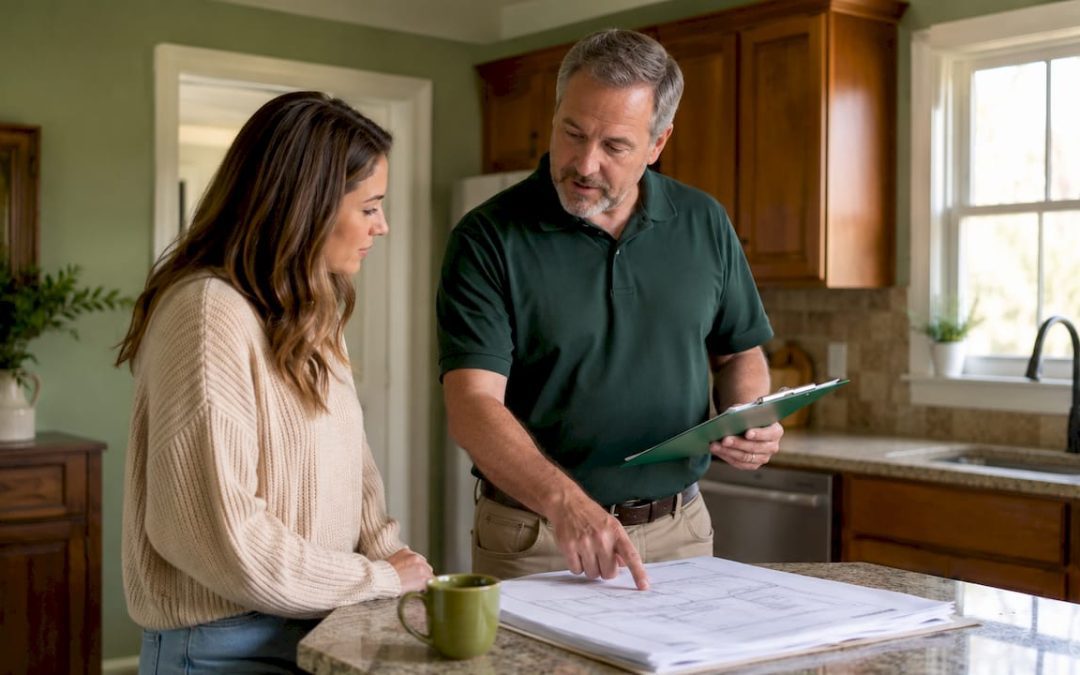
A buyer protection inspection is a professional home inspection conducted during the contract’s contingency period that documents the visible condition of a property so buyers can negotiate repairs, request credits, or cancel the purchase before fully committing. This is not a pass/fail test. It is a fact-finding evaluation designed to give you real leverage. The American Society of Home Inspectors (ASHI) defines this process as an objective assessment of visible structural and mechanical systems from roof to foundation. For first-time buyers and veterans especially, understanding what a buyer protection inspection covers, when it happens, and how to use the results can be the difference between a sound investment and a costly mistake.
What is a buyer protection inspection and what does it cover?
A buyer protection inspection is a professional evaluation of a home’s visible and accessible systems, covering everything from the roof and attic to the foundation and basement. The inspector examines structural components, electrical panels, plumbing, HVAC systems, windows, doors, and insulation. The goal is to document conditions that exist at the time of inspection, not to predict future failures or uncover hidden defects behind walls.
Typical inspections last 2–4 hours, depending on the size and age of the property. A detailed written report follows within 24–48 hours. That report becomes your primary tool for negotiation or decision-making.
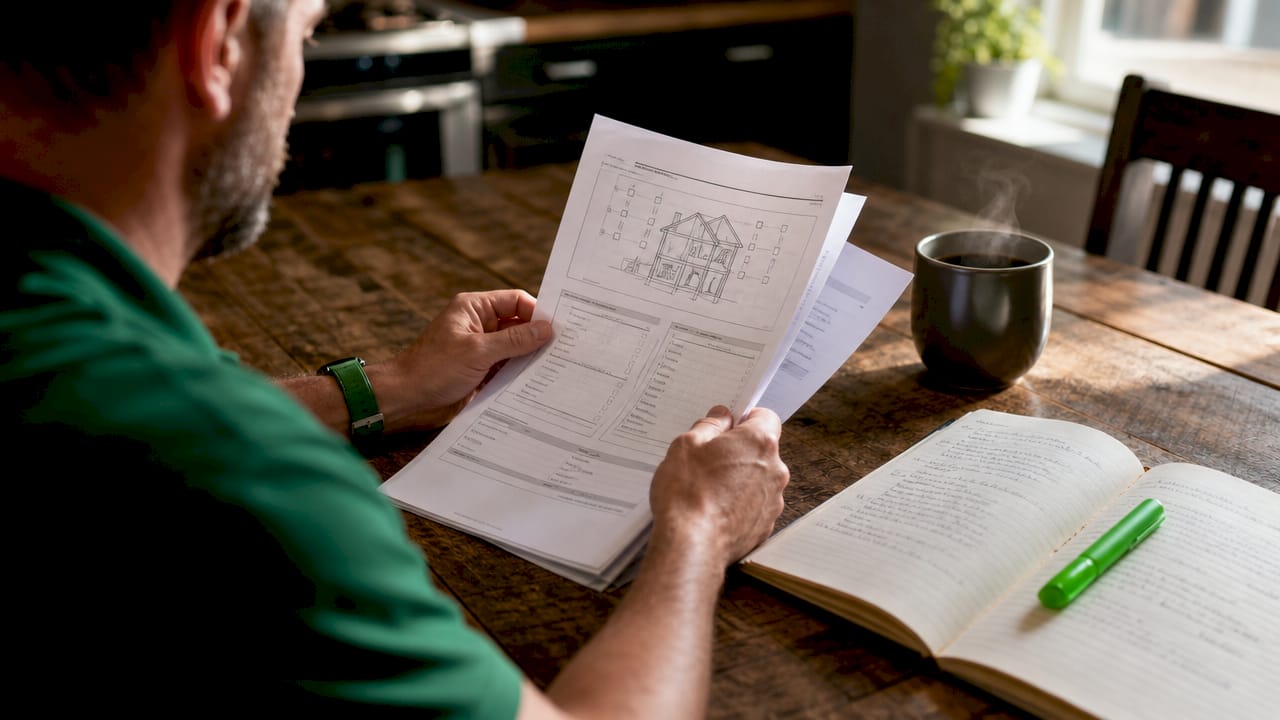
The inspection does not cover every possible defect. Visible and accessible systems are evaluated, but latent issues hidden behind finished walls or underground are outside the inspector’s scope. Buyers who understand this limitation use the inspection correctly: as a snapshot of current, observable conditions.
Key systems covered in a standard buyer protection inspection include:
- Roof and attic: Shingles, flashing, ventilation, and insulation
- Foundation and structure: Visible cracks, settling, and framing
- Electrical: Panel condition, wiring type, and safety hazards
- Plumbing: Water pressure, drain function, and visible pipe condition
- HVAC: Heating and cooling equipment age and operation
- Interior: Walls, ceilings, floors, windows, and doors
- Exterior: Siding, grading, drainage, and decks
Pro Tip: Attend the inspection in person. Walking through the property with the inspector gives you context that a written report alone cannot provide. You will understand which issues are minor and which ones warrant serious concern.
How does the inspection fit into the home buying timeline?
The inspection contingency clause in your purchase contract defines a specific window, typically 7–14 days after contract acceptance, during which you must complete the inspection and respond. That window is your protected period. Missing it can cost you your negotiating rights and potentially your earnest money deposit.
Once you receive the inspection report, your contract gives you defined options:
- Accept the property as-is and proceed to closing with full knowledge of its condition.
- Request repairs from the seller for specific defects identified in the report.
- Ask for a credit at closing instead of repairs, giving you cash to address issues yourself.
- Cancel the contract and receive your earnest money back, provided you act within the contingency window.
The inspection contingency is the contractual mechanism that makes all of these options possible. The inspection report alone does not give you leverage. Your contract does. Buyers who confuse the two often underestimate how critical it is to act before the contingency deadline expires.
Consumer protection policies are expanding these rights. Massachusetts implemented a policy effective october 15, 2025 that prohibits sellers and agents from requiring buyers to waive inspection rights as a condition of sale. This reflects a broader national trend toward protecting buyers from pressure to skip inspections in competitive markets. That protection only works if you schedule the inspection immediately after contract acceptance.
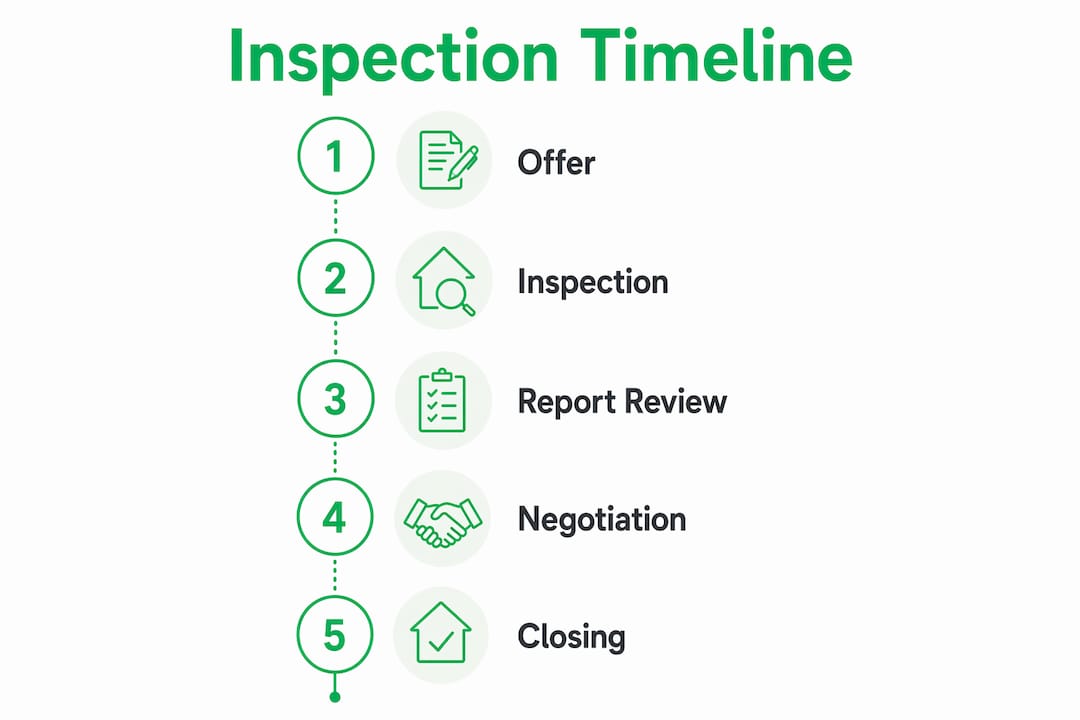
Timing is everything in this process. Delayed inspections or slow report reviews can cause buyers to forfeit their right to request repairs or cancel the contract entirely. Schedule your inspection within 24–48 hours of contract acceptance whenever possible.
Buyer protection inspection vs. VA appraisal and seller disclosures
Veterans using VA loans often assume the VA appraisal covers what a home inspection covers. It does not. A VA appraisal confirms the property’s market value and checks that it meets the VA’s Minimum Property Requirements (MPRs). Those requirements address basic habitability, not detailed system condition.
| Feature | Buyer Protection Inspection | VA Appraisal |
|---|---|---|
| Purpose | Assess visible property condition | Confirm value and basic habitability |
| Ordered by | The buyer | The lender |
| Scope | Roof to foundation, all major systems | MPRs and market value only |
| Required? | Optional but strongly recommended | Required for VA loan approval |
| Negotiation tool? | Yes, directly tied to contingency rights | No |
| Report detail | Comprehensive written condition report | Appraisal report with MPR notes |
Seller disclosures are a separate layer of information. Sellers are legally required in most states to disclose known defects. However, sellers can only disclose what they know. A buyer protection inspection is your independent verification, conducted by a licensed professional who has no financial stake in the sale proceeding.
Veterans especially benefit from independent inspections that go beyond the VA appraisal’s scope. A VA appraisal passing does not mean the roof has five years of life left or that the electrical panel is safe. Only a detailed home inspection tells you that.
How to maximize your buyer protection inspection results
Getting the most from a buyer protection inspection requires preparation before, during, and after the inspection itself. Most buyers focus only on the report. The buyers who protect their investment best focus on the entire process.
Before the inspection, confirm your inspector’s credentials. ASHI-certified inspectors follow a published Standards of Practice that defines what must be examined. Verify that your inspector carries errors and omissions insurance, which protects you if a significant defect is missed.
During the inspection, attend the walkthrough and ask questions. Consumer Reports notes that buyers who participate in the inspection gain both knowledge and leverage. When you see a cracked heat exchanger or a deteriorating roof firsthand, you understand the urgency in a way that reading about it in a report does not replicate.
After the inspection, act fast. Key steps include:
- Read the full report the same day you receive it. Do not wait until the next morning.
- Prioritize safety hazards and major system failures over cosmetic issues in your repair request.
- Consult your real estate agent immediately to build a negotiation strategy before the contingency deadline.
- Use the Create Request List™ tool, offered by Jhunthomeinspections, to organize and communicate repair requests clearly with your agent.
- Decide your position before contacting the seller. Know whether you want repairs, a credit, or to walk away.
Pro Tip: Do not request repairs for every item in the report. Focus on structural defects, safety hazards, and major system failures. Sellers respond better to targeted, reasonable requests than to lists of 40 minor items.
A missed contingency deadline is one of the most common and costly mistakes buyers make. Set a calendar reminder the moment your contract is signed. Your contingency window starts counting down immediately.
Key Takeaways
A buyer protection inspection gives you documented facts about a property’s condition and the contractual tools to act on those facts before you are legally committed to the purchase.
| Point | Details |
|---|---|
| Inspection scope | Covers visible structural and mechanical systems from roof to foundation, not hidden defects. |
| Contingency window | Buyers typically have 7–14 days after contract acceptance to inspect and respond. |
| Veterans need both | A VA appraisal checks value and habitability; only an independent inspection assesses full condition. |
| Timing is critical | Delayed scheduling or slow report review can forfeit your right to negotiate or cancel. |
| Report is a tool | Use findings to request repairs, ask for credits, or walk away, not to judge the home as good or bad. |
Why I think most buyers misuse their inspection report
Most buyers treat the inspection report like a verdict. They read it looking for a reason to feel good or panic. That is the wrong frame entirely.
The report is raw information. What you do with it inside your contingency window is where the real protection lives. I have seen buyers walk away from solid homes because of a long list of minor items, and I have seen buyers ignore a failing HVAC system because the rest of the report looked clean. Both are mistakes that come from misreading what the inspection is for.
Veterans face a specific blind spot here. The VA appraisal process is thorough enough that many veteran buyers assume they are covered. They are not. The VA appraisal protects the lender’s collateral. The buyer protection inspection protects you. Those are different goals, and only one of them is looking out for your wallet.
The contingency clause is where your real power sits. The inspection gives you the facts. The contract gives you the options. Use both together, and you are in a strong position. Ignore the deadline, and neither one helps you.
First-time buyers especially need to hear this: the inspection is not the finish line. It is the beginning of your final decision. Treat it that way, and you will close with confidence instead of regret.
— JOHN
Protecting your investment with Jhunthomeinspections
Jhunthomeinspections serves homebuyers across the St. Louis Metro area and Southern Illinois with thorough, timely inspections built around your schedule and your contingency deadline. Reports are delivered within 24 hours, giving you maximum time to review findings and act before your window closes.
Jhunthomeinspections offers both in-person and video inspections, which is especially useful for buyers relocating or purchasing out of state. The proprietary Create Request List™ tool makes it easy to organize findings and communicate repair requests directly with your agent. Whether you are a first-time buyer, a veteran supplementing your VA appraisal, or a buyer on a tight timeline, Jhunthomeinspections delivers the professional inspection services you need to move forward with confidence. You can also explore the home inspection checklist to prepare before your inspection day.
FAQ
What is a buyer protection inspection in simple terms?
A buyer protection inspection is a professional evaluation of a home’s visible condition conducted during the contract’s contingency period. It gives buyers documented facts to negotiate repairs, request credits, or cancel the purchase before closing.
Is a buyer protection inspection required to buy a home?
The inspection is optional in most states, but it is strongly recommended. Without it, buyers have no independent verification of the property’s condition beyond the seller’s disclosures.
How long does a buyer protection inspection take?
Standard inspections last 2–4 hours depending on the size and age of the home. A written report is typically delivered within 24–48 hours after the inspection is complete.
Do veterans need a buyer protection inspection if they have a VA appraisal?
Yes. A VA appraisal confirms value and minimum habitability standards but does not assess detailed system condition. An independent buyer protection inspection fills that gap and protects the veteran buyer’s interests directly.
What happens if I miss the inspection contingency deadline?
Missing the contingency deadline means you lose the right to request repairs, ask for credits, or cancel the contract with your earnest money returned. Schedule your inspection within 24–48 hours of contract acceptance to protect your options.
Recent Comments