

A home inspection red flags list identifies the warning signs buyers must recognize to avoid expensive repairs, safety hazards, and mortgage complications before closing on a property. The most serious concerns fall into three categories: structural and foundation defects, electrical hazards, and active water intrusion. Foundation repairs average $5,166 and can exceed $50,000 in severe cases. Knowing what to look for before you sign protects your investment and your family.
1. What are the most critical structural and foundation red flags?
Structural defects are the costliest findings on any home inspection checklist. Horizontal cracks, stair-step cracks wider than 1/4 inch, and bowing basement walls all signal active foundation movement. Sagging or noticeably uneven floors point to the same problem. These are not cosmetic issues. They affect structural integrity, resale value, and your ability to get a mortgage.
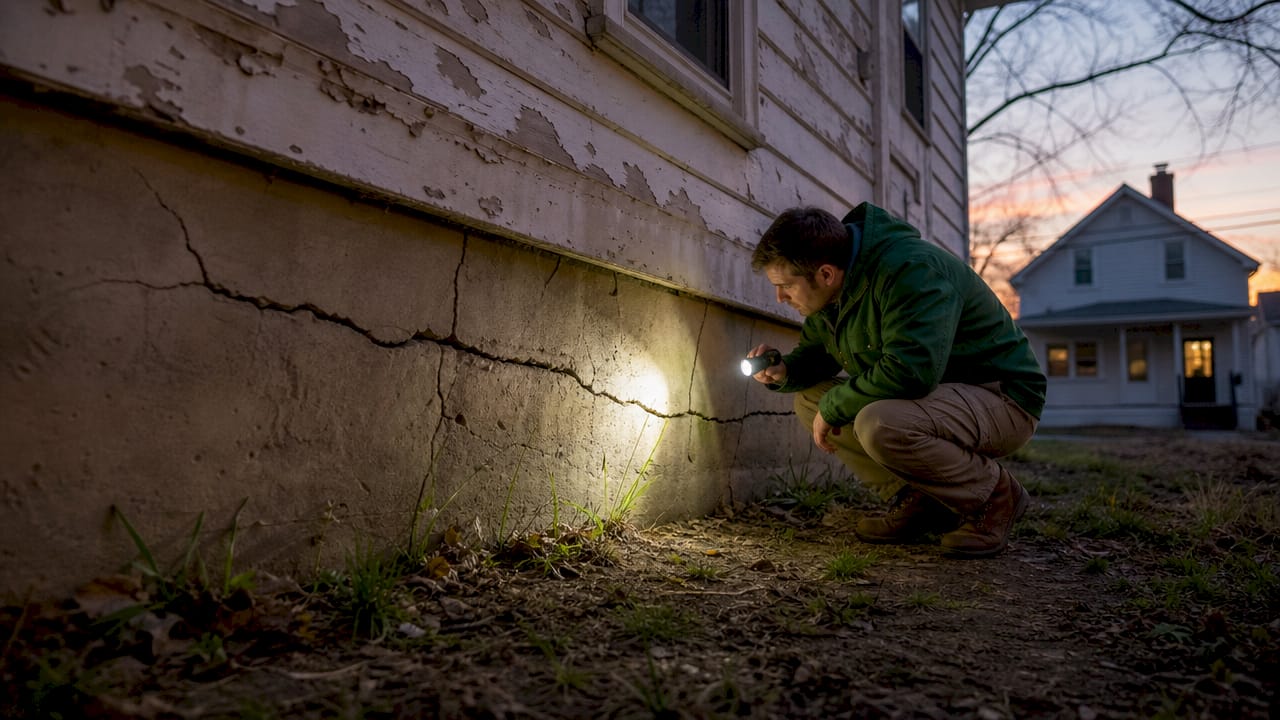
The table below shows the most common foundation problems, their severity, and what repairs typically cost.
| Foundation Issue | Severity | Estimated Repair Cost |
|---|---|---|
| Hairline vertical cracks | Low | $200–$800 |
| Stair-step cracks (wider than 1/4 inch) | Moderate to High | $1,000–$15,000 |
| Horizontal cracks in basement walls | High | $5,000–$30,000 |
| Bowing or bulging walls | Very High | $10,000–$50,000+ |
| Sinking or settling foundation | Very High | $5,000–$50,000+ |
Pro Tip: If your inspector flags any horizontal crack or bowing wall, hire a licensed structural engineer for a second opinion before making any purchase decision. A general inspector cannot determine the full scope of structural failure.
2. Which electrical system red flags should buyers watch for?
Outdated wiring is one of the most dangerous findings in any home. Knob-and-tube wiring and aluminum wiring were common in homes built before 1970, but both create serious fire and shock risks by modern standards. Many insurance companies refuse to cover homes with these systems, which can block your financing entirely.
Beyond wiring type, the panel itself matters. Double-tapped breakers occur when two wires share a single breaker slot, a condition that overloads the circuit. Missing GFCI (ground fault circuit interrupter) outlets in kitchens, bathrooms, and garages violate current safety codes. An overloaded panel with too many circuits for its rated capacity is another warning sign buyers often overlook.
Key electrical warning signs to flag during any inspection:
- Knob-and-tube or aluminum wiring throughout the home
- Double-tapped circuit breakers in the electrical panel
- Overloaded or undersized service panel (below 100 amps)
- Missing GFCI protection near water sources
- Exposed wiring, DIY splices, or ungrounded outlets
- Burn marks or scorch signs near outlets or the panel
Pro Tip: Any of these findings warrants a full evaluation by a licensed electrician before closing. The cost of rewiring a home can reach five figures, and lenders often require resolution before approving a loan.
3. How water damage and moisture issues signal serious problems
Active water intrusion and mold are among the hardest defects to detect on a casual walkthrough, yet they rank among the most expensive to fix. Visible mold, musty odors, water stains on ceilings or walls, and efflorescence (white mineral deposits on concrete) all point to moisture problems. Poor grading around the foundation, where the soil slopes toward the house instead of away from it, sends rainwater directly into the basement or crawl space.
Attic ventilation failures compound the problem. Inadequate airflow traps humidity, which feeds mold growth in roof sheathing and insulation. Mold remediation costs vary widely depending on the affected area, but large-scale infestations require licensed remediators and can delay closing for weeks.
“Water damage is the silent deal-killer. By the time you see a stain on the ceiling, the damage behind the wall has often been growing for months. Never assume a stain is old and dry without professional verification.” — Home Inspection Red Flags Guide for Buyers
Lenders treat unresolved water damage the same way they treat foundation failure. Mortgage lenders and insurers frequently reject homes with active moisture issues. If your inspector notes any signs of intrusion, schedule a mold assessment and a drainage evaluation before proceeding. Understanding your inspection report findings on moisture can help you decide whether to negotiate or walk away.
4. Roof defects that buyers frequently underestimate
A roof near the end of its service life is a major financial liability. Asphalt shingles typically last 20–25 years. Missing shingles, curling edges, granule loss in gutters, and visible sagging all indicate a roof that needs replacement soon. A full roof replacement on an average home runs into the thousands of dollars, and some lenders require it before closing.
Flashing failures around chimneys, skylights, and vents are equally serious. Improper flashing is the leading cause of roof leaks, and the water damage it causes often spreads to attic insulation, ceiling joists, and interior walls before anyone notices. An inspector who flags multiple flashing issues is telling you the roof has been leaking for a while.
5. Plumbing red flags that hide in plain sight
Galvanized steel pipes and polybutylene pipes are the two plumbing materials that generate the most concern on inspection reports. Galvanized pipes corrode from the inside out, restricting water flow and eventually failing. Polybutylene, used widely from the late 1970s through the mid-1990s, degrades with chlorinated water and fails without warning. Both materials signal a full repiping project in the near future.
Sewer line problems are less visible but equally serious. Tree root intrusion, pipe collapse, and bellied lines (sections that sag and collect waste) require a dedicated sewer scope inspection to detect. A standard home inspection does not include sewer scoping. Buyers purchasing older homes or properties with large trees near the sewer line should add this service. Sewer line replacement is one of the most expensive repairs a homeowner can face.
6. HVAC systems at the end of their service life
A heating or cooling system near the end of its rated lifespan is a predictable expense, not a surprise. Gas furnaces typically last 15–20 years. Central air conditioning units average 10–15 years. An inspector who notes an aging HVAC system is telling you that replacement is coming, and buyers should factor that cost into their offer.
Missing central heating in any part of the home is a more immediate concern. Some older homes rely on space heaters or wood stoves as primary heat sources, which may not meet local code requirements or lender standards. Always verify that the home has a code-compliant, functioning heating system before closing.
7. Pest infestations and unpermitted work
Termite damage and other wood-destroying insect infestations cause structural harm that looks minor on the surface but runs deep. A standard home inspection may identify evidence of infestation, but a separate pest inspection by a licensed exterminator provides the full picture. Active termite colonies can compromise floor joists, wall studs, and roof framing.
Unpermitted additions and structural modifications create a different kind of risk. Work done without permits was not inspected by local authorities, which means it may not meet building codes. This matters for two reasons. First, unpermitted work can create safety hazards. Second, it can complicate your homeowner’s insurance and resale. Common red flags requiring evaluation include garage conversions, added bathrooms, and structural wall removals with no permit history.
8. Additional property inspection concerns buyers often miss
Several other warning signs round out a thorough home inspection red flags guide:
- Asbestos-containing materials in homes built before 1980, including floor tiles, pipe insulation, and popcorn ceilings. Disturbed asbestos requires licensed abatement.
- Lead paint in homes built before 1978. Federal law requires disclosure, but buyers should verify and budget for encapsulation or removal.
- Radon gas above the EPA action level of 4 pCi/L. Radon is the second leading cause of lung cancer in the United States and requires a mitigation system.
- Grading and drainage problems around the property that direct water toward the foundation or create standing water near the home.
- Chimney deterioration, including cracked flue liners, spalling brick, and missing mortar, which create fire and carbon monoxide risks.
Each of these items is detectable during a thorough inspection. Buyers who understand inspection benefits before they walk through a property are far better prepared to act on these findings.
Key Takeaways
The most critical home inspection red flags are structural defects, electrical hazards, and active water damage because they are costly, hidden, and directly affect mortgage eligibility.
| Point | Details |
|---|---|
| Foundation cracks are urgent | Horizontal or wide stair-step cracks require a structural engineer before any purchase decision. |
| Outdated wiring blocks insurance | Knob-and-tube and aluminum wiring can prevent coverage and financing approval. |
| Water damage hides behind walls | Musty odors and stains signal moisture problems that often cost more than they appear. |
| Aging roofs and HVAC are predictable costs | Factor replacement timelines into your offer price rather than treating them as surprises. |
| Inspections inform, they do not disqualify | Inspection reports are snapshots, not pass/fail tests. Use findings to negotiate, not panic. |
What 15 years of inspection reports taught me about red flags
The single biggest mistake buyers make is treating a long inspection report as a death sentence for the deal. Most findings on an inspection report reflect normal wear or deferred maintenance, not structural catastrophe. I have seen buyers walk away from solid homes over a list of 40 items, most of which were minor maintenance tasks. I have also seen buyers ignore a two-line note about horizontal foundation cracks and spend $30,000 six months after closing.
The skill is not reading the report. The skill is knowing which three items on that report actually matter. Inspectors distinguish deal-breakers from maintenance needs, but buyers need to ask the right questions. When something is flagged, ask your inspector: “Is this a safety hazard, a structural concern, or a maintenance item?” That one question changes the entire conversation.
My honest advice is to attend the inspection in person. Reading a PDF is not the same as standing in a basement while an inspector points at a bowing wall and explains what it means. Presence gives you context that no report can fully capture. And when a specialist is recommended, hire one. A $400 structural engineer consultation is cheap compared to the cost of buying the wrong house.
The strategic value of inspection information is negotiation leverage. A seller who knows you found a $12,000 roof problem has a reason to reduce the price or offer a credit. Buyers who treat inspections as a tool rather than a verdict make better decisions and better deals.
— JOHN
Jhunthomeinspections protects your investment in St. Louis
Buying a home in the St. Louis Metro area or Southern Illinois means facing all of the red flags covered here, from aging foundations to outdated wiring to hidden moisture. Jhunthomeinspections delivers thorough, professional inspections in St. Peters, University City, and surrounding communities, with full reports returned within 24 hours.

Jhunthomeinspections uses the proprietary Create Request List™ to help buyers and agents communicate findings clearly and act fast. Whether you need an in-person walkthrough or a video inspection option, the team is built to serve first-time buyers, veterans, and investors alike. Schedule your professional inspection service today and go into closing with the full picture.
FAQ
What are the biggest red flags on a home inspection?
The most serious red flags are horizontal foundation cracks, active water intrusion or mold, and outdated electrical systems like knob-and-tube wiring. These defects are costly to repair and can prevent mortgage approval or homeowner’s insurance coverage.
Should I walk away from a home with inspection red flags?
Not automatically. Inspection reports are informational, not pass/fail judgments. Many findings are repairable or negotiable. Walk away only when the cost of repairs exceeds your budget or when structural and safety issues cannot be resolved before closing.
How much do major home repairs cost after inspection?
Foundation repairs average $5,166 and can exceed $50,000. Major system failures like HVAC replacement, roof replacement, or sewer line repair frequently reach five-figure costs.
What is the difference between a red flag and a normal inspection finding?
A red flag signals a safety hazard, structural defect, or active damage that requires immediate specialist evaluation. A normal finding reflects routine wear, aging materials, or minor maintenance that does not threaten the home’s structure or your safety.
Do I need a specialist after a home inspection flags a problem?
Yes, for major concerns. Inspection reports recommend specialists such as structural engineers, licensed electricians, or mold remediators when findings exceed a general inspector’s scope. Their evaluations give you the repair cost data needed to negotiate or decide.
Recent Comments