
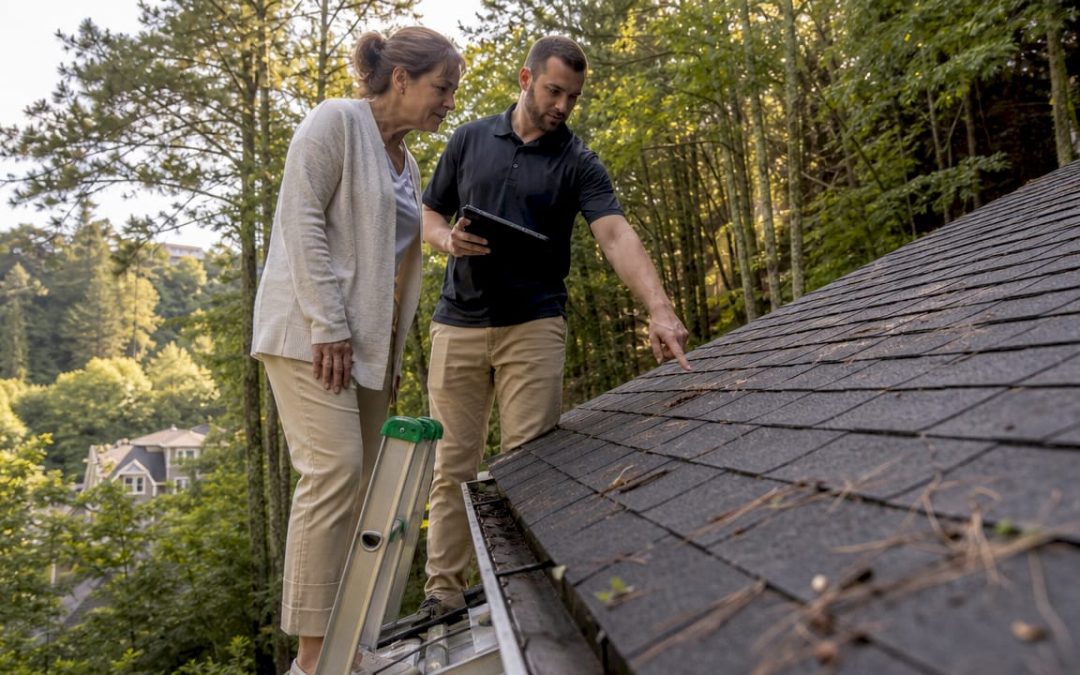
A roof inspection is a professional evaluation of your roof’s condition, designed to catch hidden damage early and prevent minor problems from becoming major structural failures. Understanding why roof inspection is important protects your home, your wallet, and your peace of mind. The National Roofing Contractors Association (NRCA) recommends inspections at least twice a year, and for good reason. Early repairs cost a few hundred dollars, while neglected issues can escalate to $8,000–$15,000 in emergency replacement costs. Jhunthomeinspections works with homeowners and prospective buyers across the St. Louis Metro area to make sure that gap never catches anyone off guard.
Why roof inspection is important: the core case
A roof inspection is not just a checkbox. It is the difference between catching a $150 flashing repair and discovering a $12,000 structural rot problem two years later. Most roof damage starts invisibly. Shingle granules degrade from UV radiation while freeze-thaw cycles loosen fasteners and crack sealants beneath the surface. By the time a water stain appears on your ceiling, the damage has already spread well beyond what you can see.
Roof inspections shift maintenance from reactive fixes to proactive care. That shift prevents moisture from spreading unnoticed through insulation, decking, and framing. A trained inspector catches these problems at the source, before they multiply.
What do professional roof inspections include?
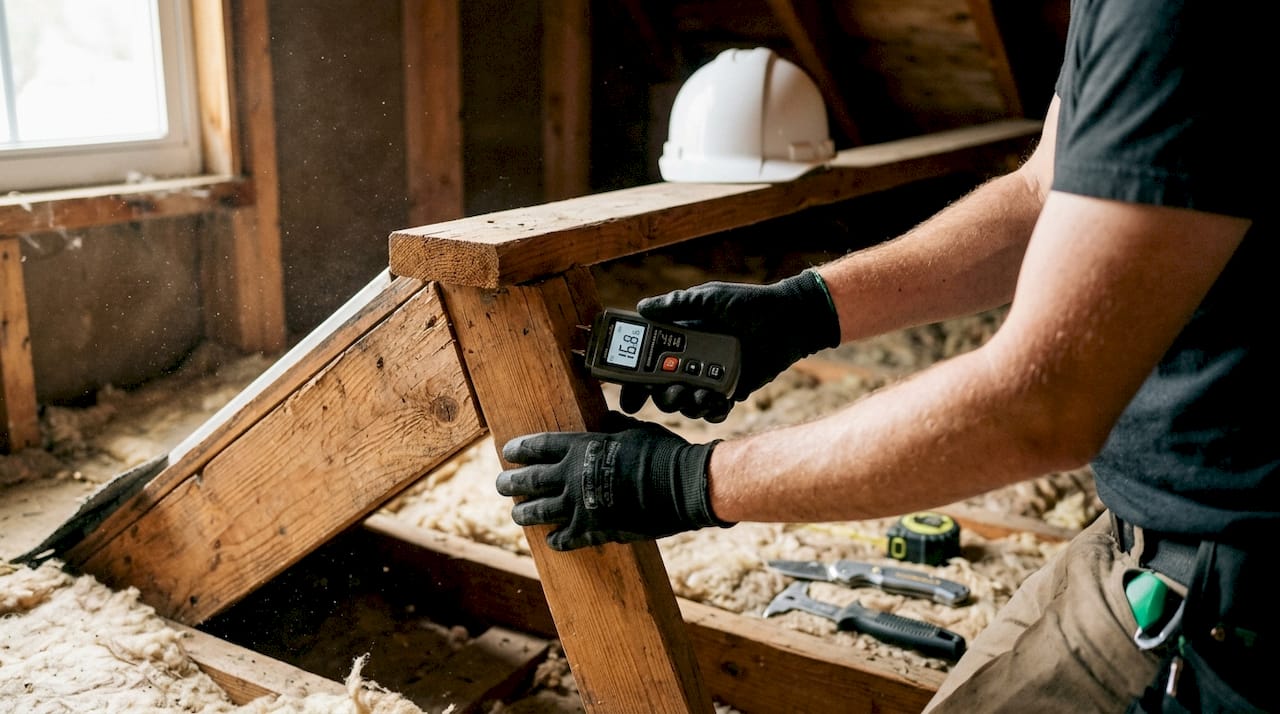
A professional roof inspection covers far more than a visual scan from the driveway. Inspectors physically examine shingles, flashings, gutters, underlayment, ventilation systems, and sealants around penetrations like chimneys and vents. Each component tells a different story about the roof’s overall health.
Here is what a thorough inspection covers:
- Shingles: Inspectors check for curling, cracking, missing granules, and wind uplift damage.
- Flashings: Metal strips around chimneys, skylights, and valleys are checked for gaps, rust, and separation.
- Gutters and drainage: Clogged or sagging gutters cause water to back up under the roofline.
- Underlayment: The waterproof layer beneath shingles degrades over time and is invisible from ground level.
- Ventilation: Poor attic ventilation traps heat and moisture, accelerating shingle deterioration from the inside out.
- Decking and structural support: Soft spots or sagging indicate rot or moisture damage in the structural layer.
One critical distinction: general home inspectors spend only 15–30 minutes on the roof and frequently miss subtle early-stage failures. A specialist devotes exclusive focus to the roof, evaluating flashings, penetrations, underlayment, and decking in detail. That depth of attention is what separates a surface check from a true roof health assessment.
Pro Tip: Schedule a specialist roof inspection separately from your general home inspection, especially on homes older than 10 years. The cost difference is small. The information difference is significant.
When and how often should you have your roof inspected?
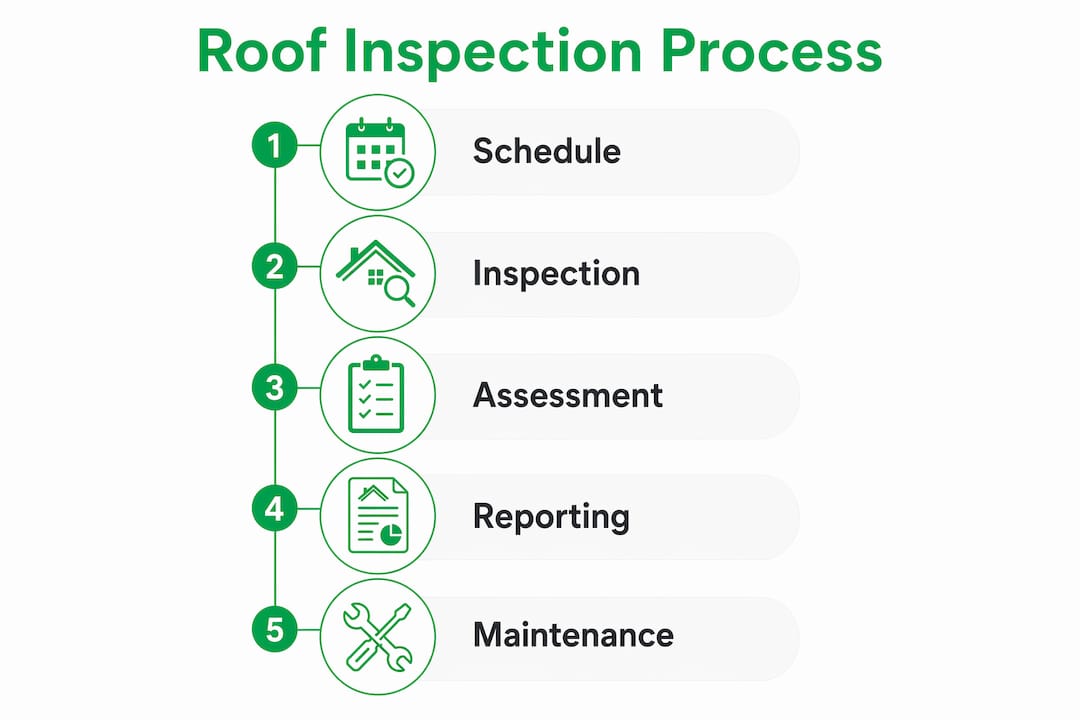
Inspection timing follows a clear pattern backed by industry standards. The NRCA recommends twice-yearly inspections, ideally in spring and fall. Spring inspections catch damage from winter ice and snow. Fall inspections prepare the roof for the stress of freezing temperatures ahead.
The recommended inspection schedule looks like this:
- Spring inspection: Assess damage from winter freeze-thaw cycles, ice dams, and wind.
- Fall inspection: Identify vulnerabilities before cold weather arrives and seal any exposed areas.
- Post-storm inspection within 72 hours: After hail or winds above 60 mph, a 72-hour documentation window is critical for insurance claims. Dated photos and a professional report make storm damage claims defensible.
- Increased frequency after 75% lifespan: Once your roof reaches 75% of its designed lifespan, biannual inspections become the standard minimum. Older roofs need more frequent checks because deterioration accelerates.
Timing also matters for warranty and insurance purposes. Many manufacturers require documented proof of routine maintenance to keep roofing warranties valid. Skipping inspections can void coverage you paid for when the roof was installed. Reviewing your home preparation checklist before winter is a practical companion step to fall inspections.
“Regular, documented inspections often enable roofs to reach or exceed their designed lifespan, countering the common misconception that no leaks means no problems.” Industry research confirms that waiting for visible symptoms is the most expensive approach a homeowner can take.
Financial and safety benefits of regular roof inspections
The financial case for regular inspections is straightforward. Professional roof inspections typically cost between $75 and $400 and can save homeowners $20,000 to $50,000 by preventing major structural damage. That return on investment is hard to match anywhere else in home maintenance.
The cost comparison tells the full story:
| Scenario | Typical Cost |
|---|---|
| Routine professional inspection | $75–$400 |
| Minor repair caught early (flashing, loose shingles) | $50–$200 |
| Same issue left for 12 months | $5,000–$20,000 |
| Emergency full roof replacement | $8,000–$15,000 |
Beyond direct repair costs, inspections protect you in three other ways. First, documented inspections are required evidence for warranty claims and insurance disputes. Insurers require proof of routine maintenance to approve claims, and inspection records establish a pre-existing condition baseline that protects you if a dispute arises. Second, inspections extend roof lifespan by catching deterioration before it reaches the structural layer. Third, regular inspections turn unpredictable emergency expenses into planned maintenance costs. That means you can budget for a roof replacement years in advance instead of scrambling for financing after a storm.
Safety is equally direct. A compromised roof allows water into wall cavities and attic spaces, creating conditions for mold growth and wood rot. Both pose health risks and structural risks that compound over time. Catching a small leak in year two of a problem costs a fraction of what remediation costs in year five.
How inspections affect home buying and selling decisions
A roof inspection during a real estate transaction is one of the most financially protective steps a buyer can take. General home inspectors miss subtle failures that a roofing specialist catches with focused, hands-on evaluation. Buyers who skip a dedicated roof inspection often discover expensive problems within the first year of ownership.
Here is how a roof inspection changes the transaction:
- Negotiating power: A written inspection report documenting damage gives buyers a factual basis to request price reductions or seller-funded repairs before closing.
- Budgeting clarity: Knowing the roof has three years of useful life left lets a buyer plan for replacement costs rather than absorb them as a surprise.
- Buyer confidence: A clean inspection report removes one of the largest unknowns in a home purchase and builds trust in the overall condition of the property.
- Protection against hidden defects: The value of an inspection lies in acquiring clear knowledge of roof condition, which is impossible to assess from a curb-side view or a brief general inspection walkthrough.
Sellers benefit too. A pre-listing roof inspection removes the risk of a deal falling apart after a buyer’s inspector finds problems. It also supports a higher asking price when the report confirms the roof is in good condition. For buyers working with Jhunthomeinspections, understanding why home inspection matters before you buy is the foundation of a sound purchase decision.
Key Takeaways
Regular roof inspections are the single most cost-effective maintenance step a homeowner can take, preventing thousands in structural damage while protecting warranties, insurance coverage, and property value.
| Point | Details |
|---|---|
| Inspection frequency | NRCA recommends twice yearly, in spring and fall, plus within 72 hours after severe weather. |
| Cost vs. repair savings | A $75–$400 inspection can prevent $8,000–$50,000 in structural damage and emergency replacement costs. |
| Warranty and insurance | Documented inspections are required by many manufacturers and insurers to validate claims. |
| Buying and selling | Inspection reports give buyers negotiating power and protect sellers from deal-breaking surprises. |
| Proactive vs. reactive | Catching damage early keeps small repairs in the hundreds, not the tens of thousands. |
What 15 years of watching roofs fail taught me
Most homeowners only think about their roof when something goes wrong. That reactive pattern is the single most expensive habit I see in home maintenance. I have watched families absorb $12,000 repair bills for damage that a $200 inspection would have caught two years earlier. The frustration is real, and it is entirely avoidable.
The detail that surprises most people is how invisible early-stage roof damage actually is. You will not see it from the ground. You will not feel it until water reaches your ceiling. By then, the damage has already moved through the underlayment, into the decking, and sometimes into the wall framing. A trained inspector with hands on the roof surface finds the soft spots, the lifted flashings, and the cracked sealants before any of that happens.
What I find most valuable about documented inspection history is what it does for long-term planning. Homeowners who keep inspection records know exactly where their roof stands in its lifespan. They schedule replacements on their own timeline, at competitive prices, without the pressure of an emergency. That kind of financial control is what proactive maintenance actually buys you. It is not just about the roof. It is about removing one of the largest unpredictable expenses from your household budget.
— JOHN
Protect your home with a professional roof inspection
Jhunthomeinspections delivers thorough roof and home evaluations across the St. Louis Metro area and Southern Illinois, with full reports returned within 24 hours.
Every inspection includes a detailed written report you can use for insurance documentation, warranty compliance, and repair negotiations. Jhunthomeinspections serves first-time buyers, veterans, and homeowners who want clear answers about their property’s condition. Whether you need a pre-purchase evaluation or a routine annual check, the team brings the same focused attention to every roof. Schedule your professional inspection services today and replace uncertainty with a documented, defensible picture of your roof’s true condition.
FAQ
Why is a roof inspection important for homeowners?
A roof inspection catches hidden damage before it becomes structural failure. Early repairs cost $50–$200, while the same issues left unaddressed can cost $5,000–$20,000 within a year.
How often should a roof be inspected?
The NRCA recommends twice-yearly inspections in spring and fall, plus an additional inspection within 72 hours after any severe weather event involving hail or high winds.
What does a professional roof inspection check?
Inspectors evaluate shingles, flashings, gutters, underlayment, ventilation, and structural decking. They use physical hands-on checks to find damage that is invisible from ground level.
Do I need a separate roof inspection when buying a home?
A dedicated roof inspection is strongly recommended. General home inspectors spend only 15–30 minutes on the roof and miss subtle failures that a roofing specialist catches with focused evaluation.
Can a roof inspection help with insurance claims?
A professional inspection within 72 hours of a storm provides dated documentation that makes insurance claims defensible. Many insurers require proof of routine maintenance to approve claims at all.
Recent Comments