
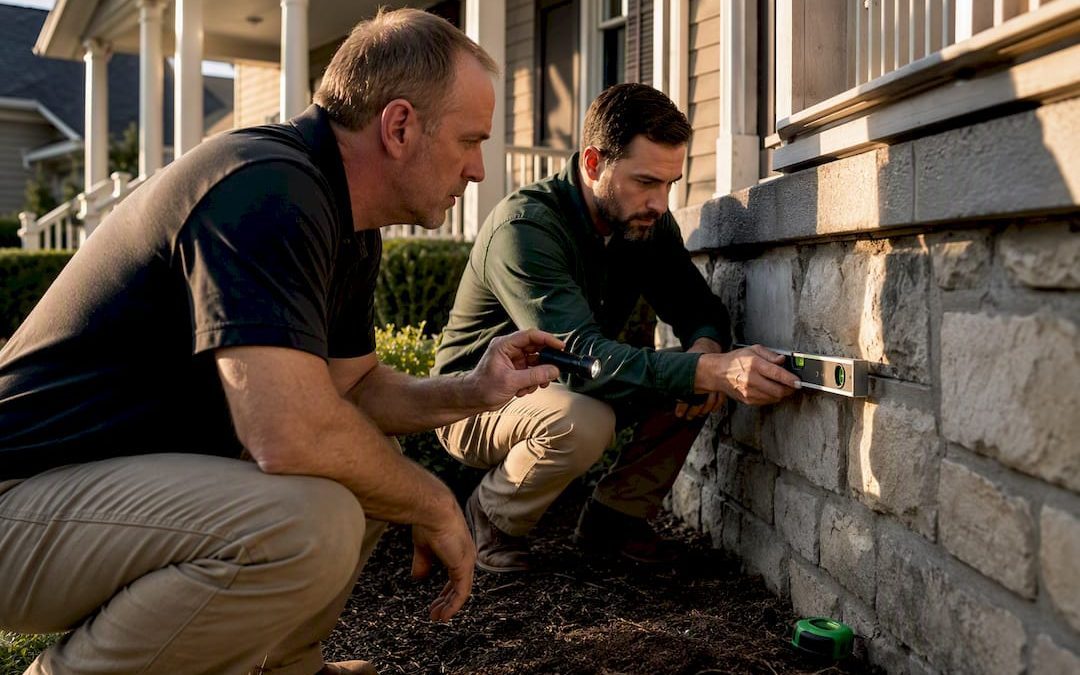
Call a licensed home inspector first for a general pre-purchase scan; hire a licensed structural engineer only when the inspection flags possible structural issues, you’re planning a major renovation, or a lender or insurer requires a stamped report. The sequence exists for a reason. inspectors triage for a few hundred dollars, engineers diagnose for more. Skip the inspector and you risk paying engineer rates for problems that turn out to be cosmetic.
TL;DR:
- Only hire a structural engineer if foundation cracks are wider than a quarter inch or actively growing, or if visible damage occurred after a natural disaster.
- A standard home inspector typically costs between $300 and $425 and is sufficient for most routine assessments unless major structural issues are flagged.
- Structural engineers often charge from $350 to $800, with costs increasing for stamped drawings, soil testing, or urgent turnaround requirements.
- Always verify licensed credentials and ask specific questions about report types, turnaround times, and experience before hiring a professional.
- Escalate to an engineer immediately if an inspector reports significant red flags, especially within your purchase contingency window.
Table of Contents
- Home Inspector vs. Structural Engineer: Scope and Training
- When to Hire an Engineer vs. When an Inspector Is Enough
- What a Home Inspection and Structural Engineering Report Cost
- How to Vet an Inspector or Engineer Before You Hire
- What’s Actually Inside a Structural Engineer’s Report
- How Hunt Home Inspection Supports a Faster Engineer Handoff
- An Editorial Take on the Inspector-First Approach
- Book a Buyer’s Inspection
- Sources
- FAQ
Home Inspector vs. Structural Engineer: Scope and Training
A home inspector walks the property and documents what’s visible, accessible, and non-invasive. That means the roof, electrical panel, plumbing, HVAC, attic, crawl space, and yes, the foundation, but only what can be seen without opening walls or running calculations. A structural inspection focuses on load-bearing elements and foundation integrity, while a general home inspection is a broader, surface-level review of the whole house.
That difference in scope traces back to training. Home inspectors follow standards like the ASHI Standard of Practice, which explicitly limits them from rendering engineering conclusions about structural systems. The ASHI standard requires inspectors to describe the type of foundation and note observed deficiencies, but stops short of diagnosing cause or prescribing repairs. A structural engineer, by contrast, holds a Professional Engineer (PE) license, which carries legal accountability for calculations, load-path analysis, and any stamped drawings issued under that license.
Picture the same foundation crack showing up in both reports:
- Home inspector’s note: “Vertical hairline crack observed in the basement foundation wall, approximately 8 inches long. Recommend evaluation by a qualified structural engineer if concerned.”
- Structural engineer’s note: “Crack pattern consistent with differential settlement, likely dormant based on lack of active displacement. No immediate structural repair required; monitor over 12 months.”
One flags a concern. The other tells you what caused it, whether it’s still moving, and what to do about it. Licensed engineers sometimes lean on certified technicians for field testing like soil borings or moisture readings, but the engineer’s stamp carries the professional and legal responsibility for the final conclusion. That distinction between “documenting” and “diagnosing” is the whole reason both professions exist separately, and it’s worth understanding before you read either report.
When to Hire an Engineer vs. When an Inspector Is Enough
Certain red flags mean you should escalate straight to a structural engineer, ideally before your inspection contingency deadline closes:
- Foundation cracks wider than a quarter inch, or ones that are horizontal, stair-stepped, or actively growing
- Bowing or leaning basement walls
- Sagging or bouncy floors that suggest joist or beam failure
- Unpermitted additions or load-bearing walls that were altered without documentation
- Visible damage after a flood, earthquake, or major storm
For everything else, a home inspector’s report is enough. A standard pre-purchase walkthrough, a routine maintenance check, or a seller’s pre-listing inspection almost never needs an engineer involved from the start. The recommended workflow in the industry is inspector first, engineer second, only when something specific warrants it. That order isn’t just tradition. It saves money, because you’re not paying engineering rates to rule out issues a trained inspector can already screen for.
Pro Tip: If your purchase agreement has an inspection contingency deadline, call the engineer the same day your inspector flags a concern. Structural engineers often book out a week or more, and a missed contingency window can force you to waive your right to renegotiate or walk away.
What a Home Inspection and Structural Engineering Report Cost
Budgeting for one or both inspections depends on scope, location, and how much digging (literal or figurative) the job requires.
- Home inspection: typically covers the full house in two to four hours
- Structural engineer visit: often more narrowly focused on one system or symptom, sometimes with follow-up lab work for soil or material testing
- Add-ons that raise engineer fees: stamped drawings, geotechnical testing, travel to remote properties, and rush turnaround for tight closing deadlines
Typical Cost Range: Home inspections commonly run $300 to $425, while structural engineer inspections commonly range from $350 to $800, depending on the scope of analysis and whether stamped documentation is required.
In most real estate transactions, the buyer pays for both if an engineer gets involved during a contingency period. Sellers sometimes cover a pre-listing structural report if they’re trying to get ahead of a known issue before it scares off buyers.
How to Vet an Inspector or Engineer Before You Hire
Credentials matter more than a polished website. Before booking either professional, confirm they hold an active license, carry liability insurance, and, for engineers, can show their PE stamp number.
Ask these questions on the intake call:
- Can I see a sample report from a similar property?
- What’s your typical turnaround time from inspection to final report?
- Do you provide stamped drawings, or just a diagnostic opinion letter?
- Have you worked with the soil or foundation types common in this area?
- Are you paid independently, or do you have a referral relationship with the contractor doing repairs?
That last question matters more than it sounds. A contractor-paid inspection creates an incentive to find (and then fix) problems. Vague reports with no photos, no measurements, and no clear next step are a red flag regardless of which professional wrote them.
If you’re still unsure who to hire, use this shortcut: routine purchase or no visible damage, book an inspector. Visible red flags or lender pushback, hire an engineer directly. Both, if the inspector’s findings need a second opinion before you can move forward with financing. Reviewing the questions worth asking a home inspector before that first call helps you separate a thorough professional from one just going through the motions.
What’s Actually Inside a Structural Engineer’s Report
A structural engineer’s report goes well beyond a checklist. Expect detailed observations, exact measurements, photos tied to specific locations, and an analysis of whether movement is active or has stabilized over time. That active-versus-dormant classification often decides how a real estate negotiation plays out, since a clear read on foundation movement can shift repair-cost estimates by tens of thousands of dollars in regions with expansive or unstable soils.
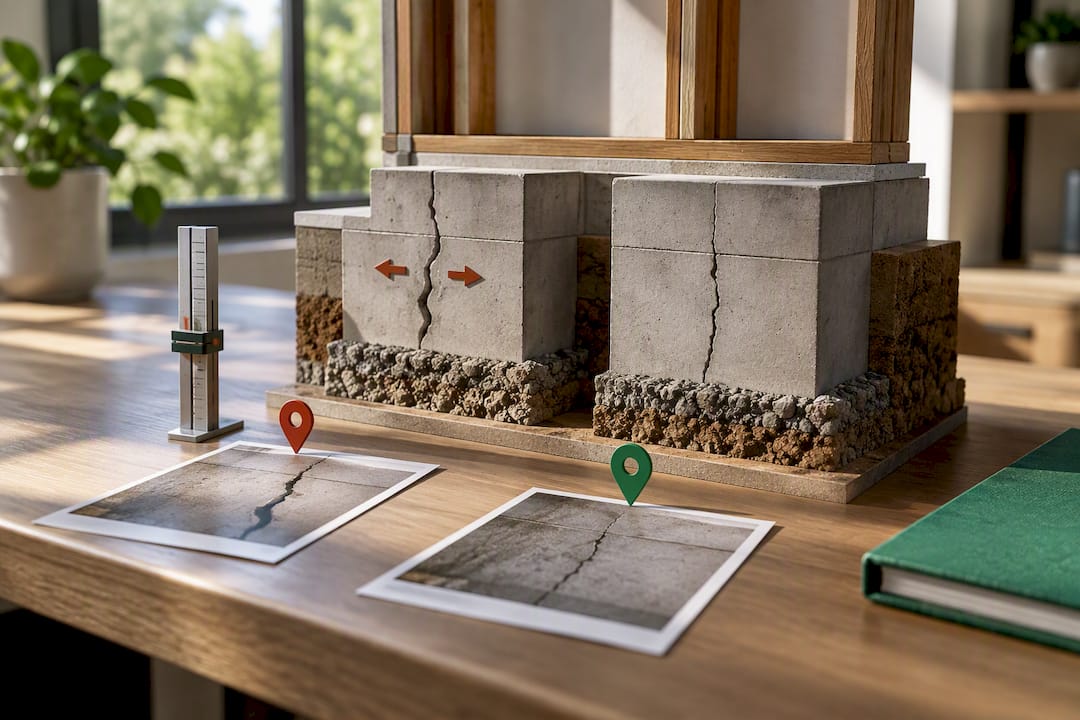
The report may take one of two forms. A diagnostic letter gives a professional opinion on current condition, useful for negotiations or insurance claims. Stamped drawings are required when repairs exceed prescriptive code limits under the International Residential Code, and need to go through a permitting office. Lenders and insurers frequently require a sealed engineer’s letter for manufactured homes, properties with prior structural repairs, or any home showing visible movement.
Contractors use the stamped version directly. It typically includes load calculations and repair specifications precise enough to bid from, which is a level of detail no home inspection report is designed to provide.
How Hunt Home Inspection Supports a Faster Engineer Handoff
Hunt Home Inspection, LLC handles the first call: buyer’s inspections, radon, mold, sewer camera, septic, and termite add-ons, all backed by reports returned within 24 hours. That speed matters when you’re racing an inspection contingency clock.
When findings point toward a structural concern, Hunt packages the photos, measurements, and relevant report excerpts so an independent structural engineer can pick up the file without redoing the walkthrough. The proprietary Create Request List™ tool also keeps buyers, agents, and any follow-up professional on the same page about what needs resolving. Hunt does not issue stamped structural reports and always recommends bringing in a licensed engineer for that scope of work.
An Editorial Take on the Inspector-First Approach
The biggest mistake buyers make isn’t skipping the inspector. It’s skipping the engineer when the inspector clearly says to get one, because the deadline feels tighter than the risk feels real. Inspector first, escalate the moment a red flag shows up, and always insist on an independent, licensed engineer for anything structural. Keep every report. You’ll want the paper trail later.
— JOHN
Book a Buyer’s Inspection
The company gets your inspection scheduled and your report back within 24 hours, which matters most when a contingency clock is running and you need to decide fast whether to call in a structural engineer. Beyond the standard buyer’s inspection, additional tests such as radon, mold, sewer camera, and septic can be added during the same visit instead of coordinating separate vendors.

Video walkthrough options are available for buyers who can’t attend in person, and evening or weekend scheduling helps when a purchase agreement leaves you little flexibility. If your inspector’s findings point to a structural concern, Hunt will flag it clearly and point you toward an independent, licensed structural engineer rather than guessing at a diagnosis outside our scope. Start with the full list of inspection services and book the inspection that fits where you are in the buying process.
Sources
- Structural Inspection vs. Home Inspection: Which Is Right for You? | Angi
- Structural Inspection vs. Home Inspection | Resolve Engineering
- Better together: the licensed engineer and the certified inspector | NSPE
FAQ
Do Structural Engineers Do Home Inspections?
Structural engineers focus on load-bearing systems and diagnostic analysis, not the broad, whole-house review a home inspector performs. Some engineers will conduct a full structural inspection on request, but they typically don’t cover roofing, electrical, or plumbing the way a general home inspection does.
How Much Does a Structural Engineer Cost for a Home?
Structural engineer inspections commonly range from $350 to $800, with the higher end reflecting stamped drawings, soil testing, or rush turnaround. Complex jobs involving lab work or travel to remote sites can push costs beyond that range.
What Can a Home Inspector Not Do?
A home inspector can’t open walls, run engineering calculations, or issue a stamped professional opinion on structural cause and repair. Under the ASHI Standard of Practice, inspectors are required to recommend further evaluation by a licensed engineer whenever they observe conditions beyond their scope.
How Much Does a Home Inspection Usually Cost?
Home inspections commonly cost $300 to $425, depending on the size of the property and which add-on tests, like radon or sewer camera inspections, get bundled in. Current pricing for buyer’s inspections and add-ons is available directly on the inspection services page.
Recent Comments