
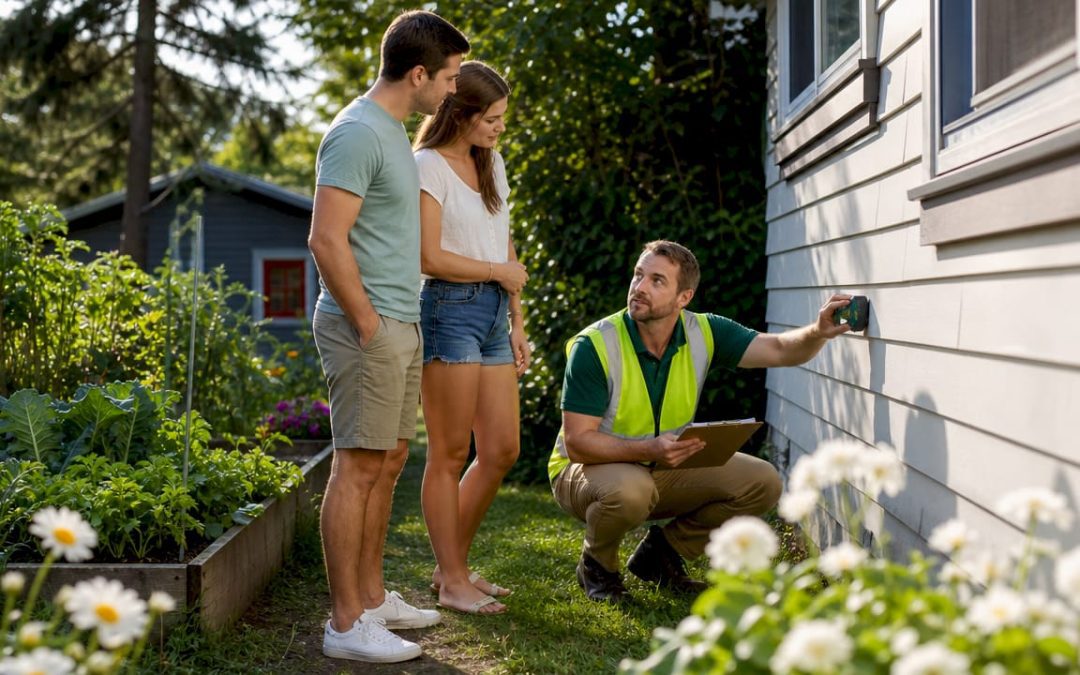
A pre-purchase inspection is a professional evaluation of a home’s physical condition, conducted before the sale closes, that gives buyers documented evidence of defects, safety hazards, and system failures they cannot see on a walkthrough. The benefits of pre-purchase inspection go far beyond peace of mind. They translate directly into negotiation leverage, financial protection, and the ability to walk away from a bad deal before you’re legally bound to it. For first-time buyers, veterans, and families stretching their budgets in the St. Louis Metro area and Southern Illinois, skipping this step is one of the most expensive decisions you can make.
1. Benefits of pre-purchase inspection: what you actually learn
A standard home inspection covers the roof, foundation, electrical system, plumbing, HVAC, insulation, windows, and doors. What the inspector finds in those systems determines whether your dream home is a sound investment or a financial trap. Commonly uncovered issues include structural cracks, roof deterioration, electrical hazards, problematic plumbing materials, and HVAC systems nearing the end of their lifespan. Each of those findings carries a repair cost that the seller, not you, should ideally absorb.
The importance of pre-purchase inspection becomes clearest when you consider what buyers miss without one. Faulty wiring causes house fires. Carbon monoxide leaks from cracked heat exchangers kill people. Foundation movement makes homes uninsurable. None of these problems announce themselves during a 30-minute open house tour. A licensed inspector with thermal imaging, moisture meters, and a systematic checklist finds them in two to three hours.
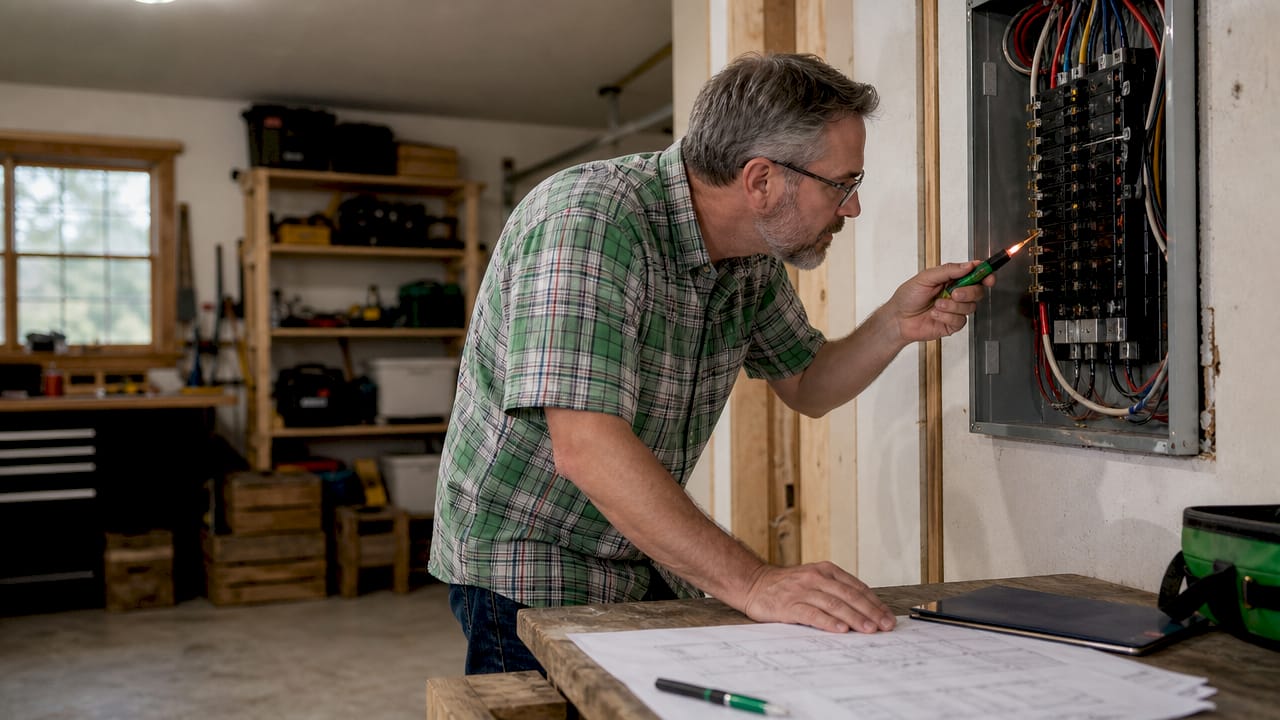
Pro Tip: Ask your inspector whether they use infrared thermal imaging as part of their standard process. Thermal cameras detect moisture intrusion and electrical hot spots invisible to the naked eye, and not every inspector includes this tool by default.
Common safety and structural findings that inspections regularly surface:
- Aluminum wiring in homes built before 1972, which poses fire risk without proper remediation
- Missing or reversed GFCI outlets in kitchens and bathrooms
- Active roof leaks or deteriorated flashing around chimneys
- Foundation cracks indicating settlement or water intrusion
- Galvanized steel pipes corroding from the inside out
- Inadequate attic ventilation accelerating shingle wear
2. How pre-purchase inspections save money before you close
A standard home inspection costs between $300 and $500, which is less than 0.1% of the typical home price. That number matters because the financial return on that investment is not marginal. It is substantial. Inspection ROI ranges from 10 to 30 times the inspection cost through either direct savings on repairs or avoided losses on a defective property. Buyers who leverage inspection findings negotiate an average savings of $14,000 on their home purchase price, according to Amerisave data.
That $14,000 figure is not a ceiling. It reflects average outcomes. A buyer who discovers a failing HVAC system, a roof with two years of life left, and a cracked sewer line has documented justification to request tens of thousands in credits or price reductions. Sellers who want to close accept those requests more often than buyers expect, because the alternative is relisting a property with known defects.
Buyers regularly request seller repairs, price reductions, or closing cost credits based on inspection findings, particularly for major structural, safety, or systems issues. The inspection report is the document that makes those requests credible and specific rather than emotional and vague.
Key financial advantages the inspection process delivers:
- Written documentation of defects that justifies every dollar of your negotiation request
- The ability to cancel the contract during the contingency period with your earnest money returned
- Advance knowledge of repair costs so your post-closing budget is realistic
- Protection against inheriting a property with code violations that affect insurability
Pro Tip: Get contractor estimates for the two or three largest findings before submitting your repair request. A written bid from a licensed plumber or roofer turns your inspection report into an airtight negotiation document.
3. Why attending the inspection in person changes everything
Reading an inspection report is useful. Being present while the inspector works is transformative. Attending the inspection allows buyers to ask questions in real time, prioritize findings by severity, and understand the difference between a cosmetic issue and a structural one before the written report arrives. That distinction matters enormously when you are deciding what to request from the seller.
Inspectors explain findings differently in person than they do in a 40-page PDF. When an inspector points to a crack in the foundation and says “this is typical settling from the 1960s and has been stable for decades,” that context does not always survive the translation to written language. When they say “this electrical panel is a Federal Pacific Stab-Lok and needs immediate replacement,” hearing that directly eliminates any ambiguity about urgency.
Here is how to make the most of your time on site:
- Arrive at the start of the inspection, not the end. The inspector covers the exterior and roof first, and those findings often set the context for everything discovered inside.
- Bring a notepad and take your own notes alongside the inspector’s. Your notes capture tone and emphasis that the written report cannot.
- Ask the inspector to rank findings by severity. Most inspectors will tell you which items are safety hazards, which are major system issues, and which are routine maintenance.
- Ask about the age and remaining lifespan of the HVAC, water heater, and roof. These are the three systems most likely to require replacement within five years of purchase.
- Request clarification on anything labeled “monitor” in the report. That word covers a wide range of conditions, from minor to serious.
Timely buyer attendance during the contingency window empowers faster, smarter decisions and preserves your contract leverage for repair negotiation or cancellation.
4. Inspections vs. waiving inspections: the real comparison
The competitive real estate market of recent years pushed some buyers to waive inspection contingencies to make their offers more attractive. That strategy trades short-term bid strength for long-term financial exposure. The table below shows what buyers gain and lose with each approach.
| Factor | With inspection | Without inspection |
|---|---|---|
| Knowledge of defects | Full documented disclosure | None before closing |
| Negotiation leverage | Strong, evidence-based | None |
| Contract exit option | Available during contingency | Forfeited |
| Post-closing surprise risk | Low | High |
| Average financial protection | Up to $14,000+ in savings | $0 |
Skimping on inspections to win competitive bids is a documented risk. Buyers who discover major defects after closing have limited legal recourse unless they can prove the seller concealed known issues. That is a difficult and expensive case to make. The smarter alternative in competitive markets is a pre-inspection, which lets buyers act with full knowledge before submitting an offer rather than scrambling during the contingency period.
A pre-inspection also signals seriousness to sellers. A buyer who has already inspected the property and is making a clean offer with no contingency is a stronger buyer than one who has not. You get the competitive advantage without surrendering the knowledge.
5. When to prioritize inspections and what add-ons are worth it
A standard inspection typically occurs seven to fourteen days after contract signing during the contingency period. That window gives buyers time to review findings, get contractor estimates, and submit a repair request or cancel the contract. For fixer-uppers, older homes, or properties in areas with known environmental risks, specialized add-on inspections extend that protection significantly.
Add-ons worth considering based on property type and location:
- Radon testing: Radon is the second leading cause of lung cancer in the United States. Testing costs $25 to $50 as an add-on and takes 48 hours.
- Sewer scope inspection: A camera inspection of the sewer lateral from the house to the street costs $100 to $300 and prevents a $5,000 to $15,000 surprise after closing.
- Pest and termite inspection: Required by some lenders for FHA and VA loans. Termite damage is not covered by homeowners insurance.
- Mold testing: Recommended for homes with visible water damage, musty odors, or a history of flooding.
- Chimney inspection: Older homes with wood-burning fireplaces need a Level 2 chimney inspection to confirm the flue is safe to use.
Not all inspection findings should prompt renegotiation requests. Focusing your repair asks on safety hazards, structural defects, and major system failures yields better results and preserves your credibility with the seller. Requesting credits for a dripping faucet alongside a failing roof dilutes the seriousness of your legitimate concerns.
For buyers working within a tight budget, affordable inspection options exist that cover the critical systems without unnecessary add-ons, giving you the protection you need at a price that fits your situation.
Key takeaways
Pre-purchase inspections deliver their greatest value when buyers attend in person, focus negotiations on major defects, and treat the $300 to $500 inspection fee as the cheapest insurance available in the homebuying process.
| Point | Details |
|---|---|
| Inspection cost vs. return | A $300 to $500 inspection can return 10 to 30 times its cost through savings or avoided losses. |
| Negotiation power | Buyers using inspection findings save an average of $14,000 on purchase price. |
| Buyer attendance matters | Being present lets you prioritize findings and ask questions that the written report cannot fully capture. |
| Waiving inspections is risky | Buyers who skip inspections have no documented leverage and face full post-closing repair liability. |
| Targeted repair requests work | Focusing asks on safety, structural, and major system defects produces better seller responses. |
Why I think most buyers underuse their inspection report
I have seen buyers walk away from inspections relieved because “nothing major came up,” then spend $18,000 on a new HVAC system fourteen months after closing. The inspector flagged the unit as aging with reduced efficiency. The buyer read “aging” and moved on. That is the most common and most preventable mistake in this process.
The inspection report is not a pass/fail document. It is a prioritized list of everything that will cost you money, ranked by urgency. The buyers who get the most value from their inspection are the ones who treat that report as a negotiating script, not a formality. They circle the three most expensive findings, get contractor bids, and go back to the seller with specific numbers. Sellers respond to specificity.
I also push back on the idea that waiving inspections is ever a smart trade-off in a competitive market. A pre-inspection before you offer gives you the same knowledge without the contingency that worries sellers. You can understand why home inspection matters before you ever sign a contract. That knowledge is worth more than any bid strategy.
The buyers I have seen make the best decisions are the ones who showed up to the inspection, asked hard questions, and used the report as a tool rather than a checkbox. That approach does not require a bigger budget. It requires showing up.
— JOHN
Get a thorough inspection before you commit
Jhunthomeinspections serves homebuyers across the St. Louis Metro area and Southern Illinois with in-person and video inspections, 24-hour report delivery, and the proprietary Create Request List™ that makes communicating findings to your agent straightforward. Whether you are a first-time buyer, a veteran using a VA loan, or a family buying on a careful budget, the team at Jhunthomeinspections gives you the documented knowledge you need before you close. Explore the full range of home inspection services available in your area and schedule your inspection early in the buying process, before the contingency clock starts running.
FAQ
What does a pre-purchase inspection cover?
A standard pre-purchase inspection covers the roof, foundation, structural components, electrical system, plumbing, HVAC, insulation, and windows. Specialized add-ons like radon testing, sewer scoping, and pest inspections extend coverage for specific risks.
How much does a home inspection cost?
A standard home inspection costs between $300 and $500, which is less than 0.1% of the typical home price. Specialized tests like radon or sewer scope inspections add $25 to $300 depending on the service.
Can I use inspection findings to negotiate the price?
Yes. Buyers who use inspection findings negotiate an average savings of $14,000 on their home purchase price. Repair requests, price reductions, and closing cost credits are all standard outcomes of a documented inspection report.
Should I attend the inspection myself?
Attending the inspection in person lets you ask questions, hear the inspector’s severity rankings directly, and understand findings in context before the written report arrives. Buyer presence consistently improves negotiation outcomes.
Is it ever smart to waive a home inspection?
Waiving an inspection contingency removes your documented leverage and leaves you fully liable for post-closing repairs. A pre-inspection conducted before submitting your offer gives you the same knowledge without the contingency that concerns sellers in competitive markets.
Recent Comments