
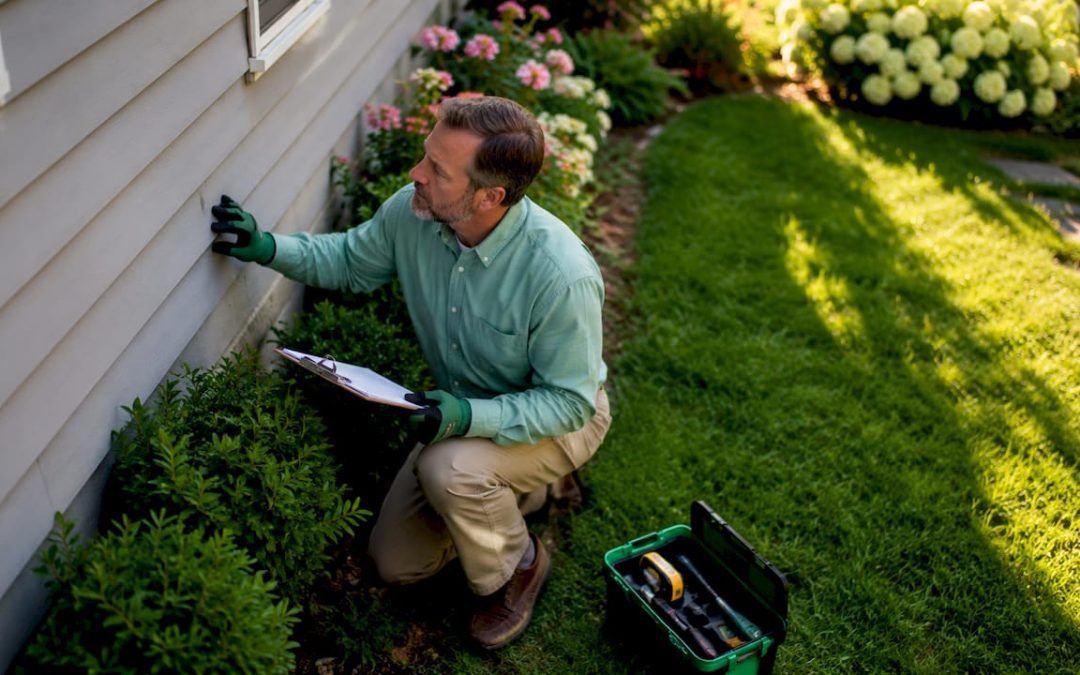
A home inspection is a professional evaluation of a property’s condition that directly saves buyers money by exposing costly defects before the sale closes. The financial case is clear: a standard inspection costs around $400 on average, while the problems it uncovers can run into tens of thousands of dollars in repairs. According to the National Association of REALTORS®, buyers who skip this step risk paying full price for a property with serious hidden flaws. Understanding why home inspection saves money is not just useful knowledge. It is one of the most important financial decisions you will make in the entire homebuying process.
How does a home inspection uncover issues that lead to cost savings?
A home inspection takes place after your offer is accepted but before you close on the property. That timing is critical. You still have the power to negotiate, request repairs, or walk away entirely. The inspector conducts a noninvasive, unbiased evaluation of the home’s major systems and structure, then delivers a written report.
Approximately 86% of inspections find at least one issue. That statistic means the odds strongly favor discovering something worth knowing before you hand over your down payment.
Common defects inspectors find include:
- Roof damage: Missing shingles, deteriorated flashing, or failing gutters that can cost $5,000–$15,000 to replace
- Foundation problems: Cracks, settling, or water intrusion that signal structural risk
- Electrical hazards: Outdated wiring, overloaded panels, or code violations that create fire risk and expensive fixes. A residential electrical phases checklist shows just how many electrical components require review
- Plumbing failures: Corroded pipes, slow drains, or water heater issues that escalate quickly if ignored
- HVAC deficiencies: Aging systems, poor airflow, or failing components that affect comfort and energy costs
A home inspection is not a pass/fail test. Inspections help buyers decide whether to negotiate, request repairs, or walk away. Many items on a report look alarming at first glance but are minor fixes. Others signal serious investment risk. The report gives you the information to tell the difference.
Pro Tip: Ask your inspector to flag the top three most expensive items in the report. Focus your attention there first before reacting to smaller cosmetic issues.
In what ways can buyers use inspection reports to negotiate and save money?
The inspection report is empirical evidence. It transforms your negotiation from opinion to documented fact. Sellers cannot easily dismiss a written report from a licensed inspector showing a cracked foundation or a roof at the end of its service life.

Buyers who use inspection findings as leverage can negotiate price reductions, request seller-funded repairs before closing, or ask for closing credits to cover the cost of fixes after purchase. Each of these approaches puts money back in your pocket.
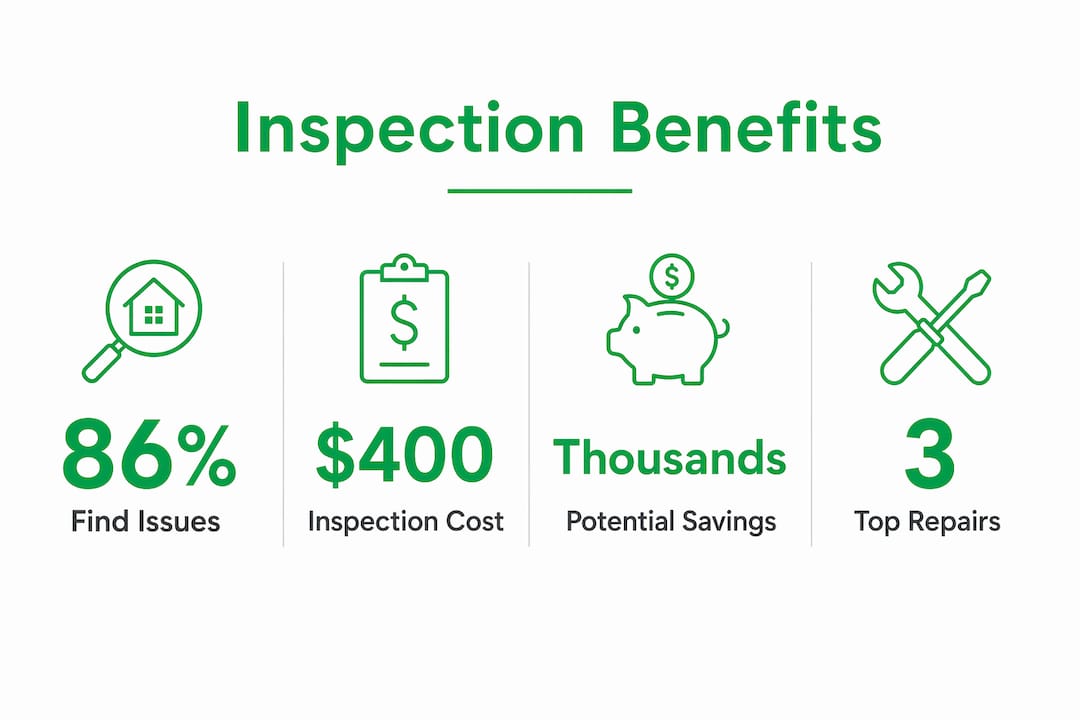
The financial impact is significant. Buyers using inspection results negotiate an average of $14,000 off the sale price. That figure alone makes the $400 inspection fee one of the highest-return expenditures in the entire transaction.
Here is a practical framework for using your report in negotiations:
- Prioritize major systems first. Roof, structural, electrical, and plumbing issues carry the highest repair costs. Lead with these in your repair requests or price reduction ask.
- Request specialist follow-ups on complex items. If the inspector flags a potential foundation issue, ask for a structural engineer’s assessment before closing. That report strengthens your negotiating position with hard cost estimates.
- Choose repairs or credits strategically. Seller-completed repairs vary in quality. A closing credit lets you hire your own contractor and control the work.
- Document everything in writing. Your real estate agent should submit all repair requests through the formal contract amendment process. Verbal agreements do not hold up.
- Know your walk-away number. If the cost of repairs exceeds what the seller will concede, walking away protects you from a money pit. The inspection report helps buyers decide whether proceeding makes financial sense.
The National Association of REALTORS® notes that inspection reports prioritize major systems to maximize negotiation leverage. Savvy buyers also request targeted specialist follow-ups rather than blanket repair demands, which produces better outcomes and more precise cost estimates.
Pro Tip: Never negotiate every single item on the report. Sellers disengage when buyers demand fixes for every minor issue. Pick the top three to five highest-cost items and negotiate those hard.
How do home inspections help prevent expensive surprises?
Early detection is where the long-term financial benefits of home inspection become most visible. A small roof leak costs a few hundred dollars to patch. Left undetected for two years, that same leak can rot the decking, damage insulation, and cause mold growth that costs $10,000 or more to remediate.
Nearly half of homeowners report surprise repair costs over $5,000, and unexpected repairs in the first year can total $10,000–$50,000 if defects go undiscovered at purchase. That range represents real financial damage to buyers who skipped the inspection or received a poor one.
The inspection report also functions as a financial planning document. It tells you which systems are aging and likely to need replacement in the next three to five years. That knowledge lets you budget for a new water heater or HVAC unit before it becomes an emergency, rather than scrambling for cash when it fails in January.
Early detection via inspections saves thousands by stopping small problems from escalating into major damage. The key is treating the report as a living document, not a one-time checklist. Buyers who revisit their inspection report annually and track deferred maintenance items avoid the compounding cost of neglect.
Consider these common escalation patterns:
- A small plumbing drip becomes a burst pipe and flooded subfloor
- Minor electrical issues grow into a panel replacement and rewiring project
- Hairline foundation cracks widen into structural failure requiring underpinning
- Clogged gutters lead to fascia rot, then soffit damage, then interior water intrusion
Professional inspection reports turn uncertainty into budgeted action plans. That shift from reactive to planned spending is one of the most underrated financial benefits of home inspection.
What does a home inspection cost versus what it saves?
A standard home inspection costs about $400 on average, according to NerdWallet, though the National Association of REALTORS® notes that fees typically range from $400–$500 depending on home size, location, and inspector qualifications. Larger homes, older construction, and add-on services like radon testing or sewer scoping increase the total.
| Factor | Inspection cost | Potential repair cost if missed |
|---|---|---|
| Roof condition | Included in standard fee | $5,000–$15,000 replacement |
| Electrical panel | Included in standard fee | $3,000–$8,000 upgrade |
| Foundation issues | Included in standard fee | $10,000–$50,000+ repair |
| Plumbing system | Included in standard fee | $2,000–$15,000 depending on scope |
| HVAC system | Included in standard fee | $5,000–$12,000 replacement |
The math is straightforward. A $400–$500 inspection fee is a fraction of any single major repair on that list. The inspection fee buys information for negotiating repairs, credits, or a price reduction. Skipping it to save $400 exposes you to repair risk that can run 100 times that amount.
Property investors carry even more financial exposure. Investors use inspection data to underwrite repair costs and reserve needs before closing, checking whether a deal still pencils out after accounting for required work. A deal that looks profitable at asking price can turn negative quickly once hidden defects surface post-closing.
Pro Tip: Budget the inspection fee as a non-negotiable line item in your purchase costs, not an optional add-on. Treat it the same way you treat the appraisal fee.
Key takeaways
A home inspection costing $400–$500 routinely saves buyers thousands through negotiation leverage, early defect detection, and long-term repair cost avoidance.
| Point | Details |
|---|---|
| Inspection timing matters | Schedule after offer acceptance but before closing to retain full negotiation power. |
| Most inspections find issues | 86% of inspections uncover at least one defect, making the fee a near-certain return. |
| Negotiation leverage is real | Buyers using inspection findings negotiate an average of $14,000 off the sale price. |
| Prevention beats emergency repair | Early detection stops small defects from escalating into five-figure repair bills. |
| Cost versus risk is clear | A $400–$500 fee protects against $10,000–$50,000 or more in undiscovered repair costs. |
What I’ve learned after years of watching buyers skip this step
Most buyers treat the inspection as a formality. They schedule it, skim the report, and move on. That approach leaves serious money on the table.
The inspection report is a repair-priority map. I have seen buyers walk into closings without reading past page two of a 40-page report, then call six months later with a $12,000 HVAC replacement they never saw coming. The information was there. They just did not use it.
The buyers who get the most financial value from inspections do three things differently. They attend the inspection in person and ask the inspector to explain the top findings on site. They focus their negotiations on the highest-cost items, not every minor defect. And they keep the report after closing and use it to build a maintenance schedule.
For property investors, the inspection is an underwriting tool. Before you finalize your repair reserve assumptions, you need a professional assessment of what the property actually needs. Guessing at repair costs is how investors lose money on deals that looked solid on paper.
The importance of home inspections goes beyond the transaction. Regular inspections after purchase, every three to five years, catch deferred maintenance before it compounds. The cost is minimal. The savings are real.
— JOHN
Protect your investment with Jhunthomeinspections
Jhunthomeinspections serves homebuyers and investors across the St. Louis Metro area and Southern Illinois, including St. Peters and University City. Every inspection includes a comprehensive report delivered within 24 hours, so you have the information you need before your negotiation window closes. Jhunthomeinspections also offers video inspections for buyers who cannot attend in person, and the proprietary Create Request List™ tool makes it easy to share findings directly with your agent. First-time buyers, veterans, and low-income families receive the same thorough service. Book your professional home inspection today and go into closing with full knowledge of what you are buying.
FAQ
How much does a home inspection typically cost?
A standard home inspection costs about $400 on average, with fees ranging from $400–$500 based on home size, location, and inspector qualifications. Add-on services like radon testing or sewer scoping increase the total.
What percentage of home inspections find problems?
Approximately 86% of home inspections uncover at least one issue. That high rate makes the inspection fee a near-certain financial return for buyers.
Can I negotiate the price after a home inspection?
Yes. Buyers use inspection findings to request price reductions, seller-funded repairs, or closing credits. Buyers who negotiate with inspection results save an average of $14,000 off the sale price.
Is a home inspection worth it for a new construction home?
New construction homes still benefit from an independent inspection. Builders make mistakes, and municipal inspectors do not catch everything. A third-party inspector provides an unbiased review before you take ownership.
What happens if the inspection reveals major problems?
You have three options: negotiate a price reduction or repair credit, require the seller to fix the issues before closing, or walk away from the deal entirely. The inspection report helps buyers decide which path protects their financial interest best.
Recent Comments