
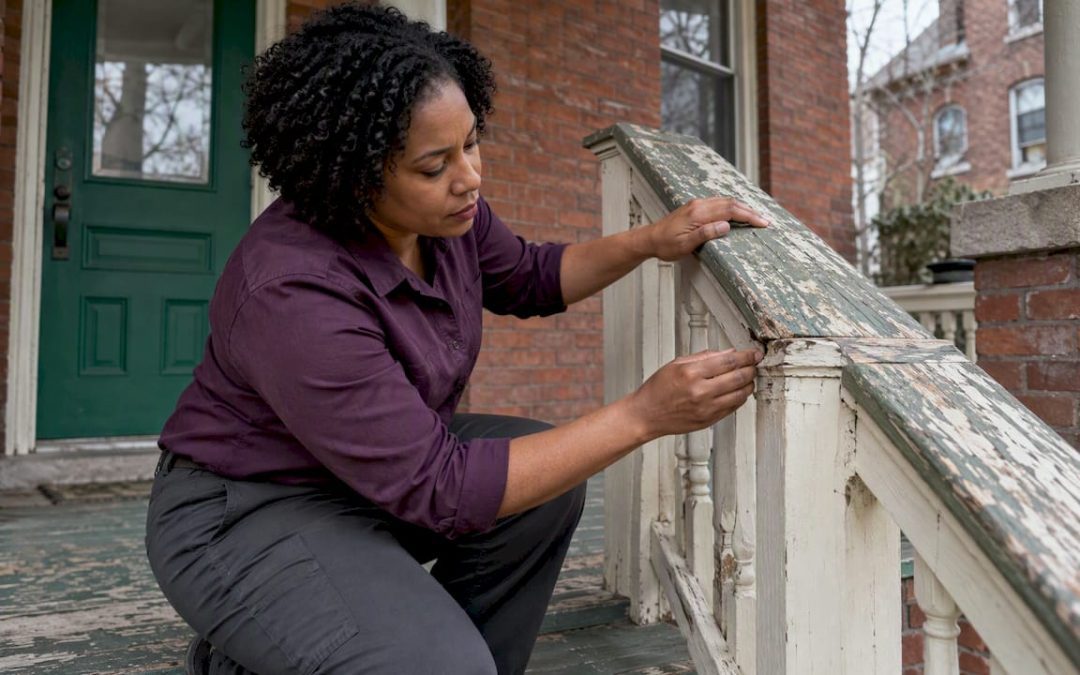
A historic home inspection is a standard visual inspection carried out by someone who understands how old houses were built, how they fail, and which of their quirks are harmless. It covers the same major systems as any inspection, but the inspector expects knob-and-tube wiring, stone foundations, lead or cast-iron plumbing and decades of patchwork repairs, and reports on them in context instead of marking them all as defects. If you are looking at a century-old brick home in St. Louis or an older farmhouse in Southern Illinois, the inspector you choose matters as much as the house.
TL;DR
- A historic home inspection uses the same visual method as a standard inspection, but the inspector must know older materials and systems and judge them by safety and integrity, not by modern code.
- Ask any inspector how many old houses they have worked on, and ask whether they can add radon, mold, sewer camera, lead and termite checks to the visit.
- The report is a visual snapshot of accessible areas. It will not price repairs, and it will send you to a mason, engineer or electrician when something is beyond its scope.
- Sellers are not required to fix everything in a report. Use the findings to negotiate repairs, credits or a price change, within the deadlines in your contract.
Table of Contents
- How a historic home inspection differs from a standard one
- What a historic home inspector should know
- What the inspection should check
- Lead, asbestos and radon in older houses
- What the report can and cannot tell you
- Our perspective: age is not the problem, surprise is
- Booking an inspection for an older home
- How to prepare and use the findings
- Does the seller have to fix what the inspection finds?
- FAQ
- Sources
How a historic home inspection differs from a standard one
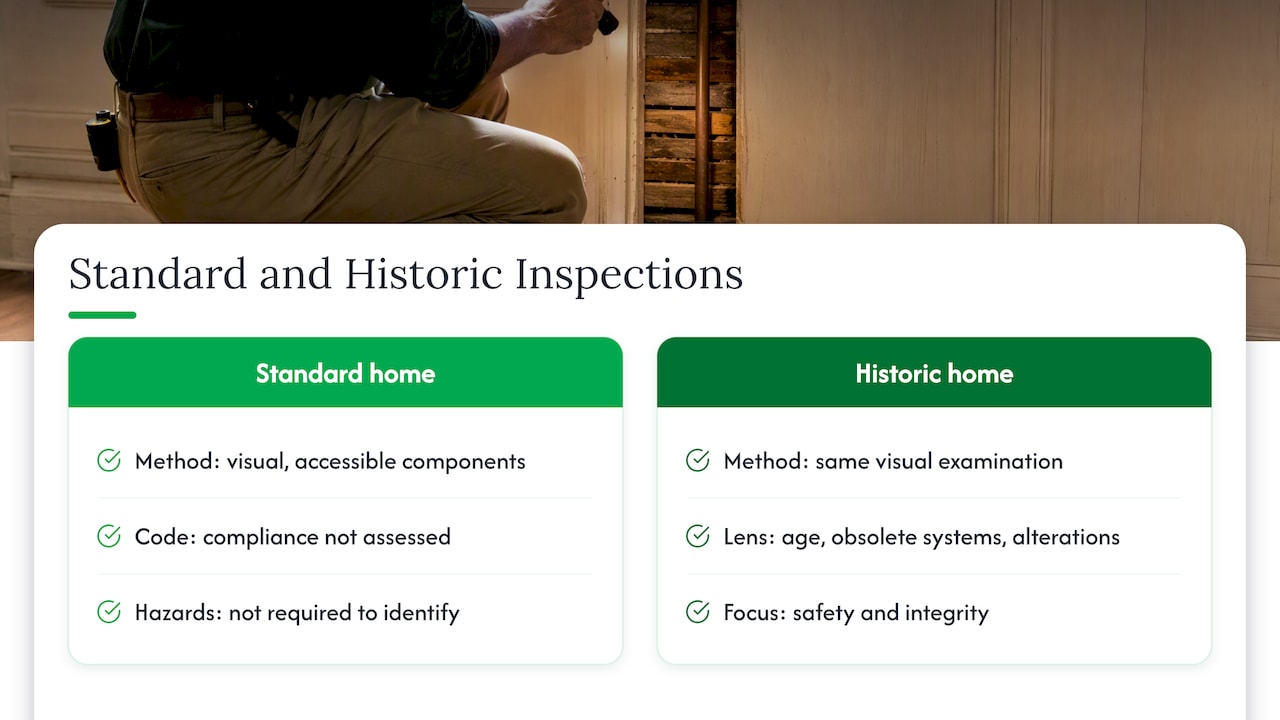
The method does not change. Under the ASHI Standards of Practice, a home inspection is a visual examination of readily accessible systems and components. It does not require the inspector to determine code compliance, work out methods, materials or costs of correction, or identify environmental hazards. That is true for a 1998 ranch and a 1890 townhouse alike.
What changes is the lens. ASHI’s guidance on historic home inspections describes older houses as a mix of age-related deterioration, obsolete systems, unconventional materials, rushed alterations, pests and water intrusion. An inspector who runs a modern checklist mechanically will either flag everything or miss the problems that matter.
One practical consequence is how defects are judged. One industry article on historic inspections argues that these inspections should focus on the structure’s safety and integrity rather than current code interpretations. A 1910 house will not meet today’s code, and it does not have to. The useful question is whether a component is safe, whether it is working, and how long it likely has left.
What a historic home inspector should know
There is no special national license for “historic” inspections, so experience is the credential. The Preservation Trust of Vermont advises interviewing old-house inspectors about how many old houses they have worked on, including as tradespeople or contractors, and calls that experience essential. A trainer writing on historic home inspections adds that introductory training helps an inspector recognize older systems, but experience and an understanding of the home’s historical context are what let them evaluate and explain what they find.
Questions worth asking before you book:
- How many pre-1940 homes have you inspected this year?
- Have you worked in the trades, and which ones?
- Can you recognize knob-and-tube wiring, galvanized and cast-iron supply and drain lines, and old masonry failures?
- Will you add sewer camera, radon, mold, lead or termite checks, and who does them?
- How fast will I receive the report, and does it include photos and plain explanations?
Our own guide to choosing an inspection company walks through the same criteria for any buyer.
What the inspection should check
The Vermont inspection checklist for historic buildings is a good picture of the scope: roof, flashing, gutters, drainage, chimneys, walls, masonry, foundations, floors, stairs, porches, windows, basements and attics, plus plumbing, heating, ventilation and electrical systems. It tells inspectors to look for water intrusion, rot, mold, insect damage, unsafe wiring, lead hazards, asbestos-insulated pipes, unsafe stairs or railings and structural defects.
Roof, chimney and exterior
Water is the main enemy of an old building. The checklist asks for roofing damage, blocked drains and scuppers, damaged gutters, loose, missing or rusted flashing, sagging roof planes, ice-dam evidence and water staining, and it notes that leaks can cause corrosion, rot and structural damage.
The National Trust for Historic Preservation recommends checking chimneys and other features for leaning, loose or missing mortar and an intact flue liner, windows for cracked glass and damaged sills, and porches for weak floorboards, rot, unstable piers, unsafe stairs and missing railings. Porches and decks deserve extra attention; see our deck safety inspection guide.
Foundation, basement and attic
Stone and brick foundations often look rough and still perform well, but moisture tells the story. The National Trust points to puddles, clogged drains or a sump pump in a basement as signs that water has been an issue, and to wildlife, nests, animal damage, roof holes and water damage in attics.
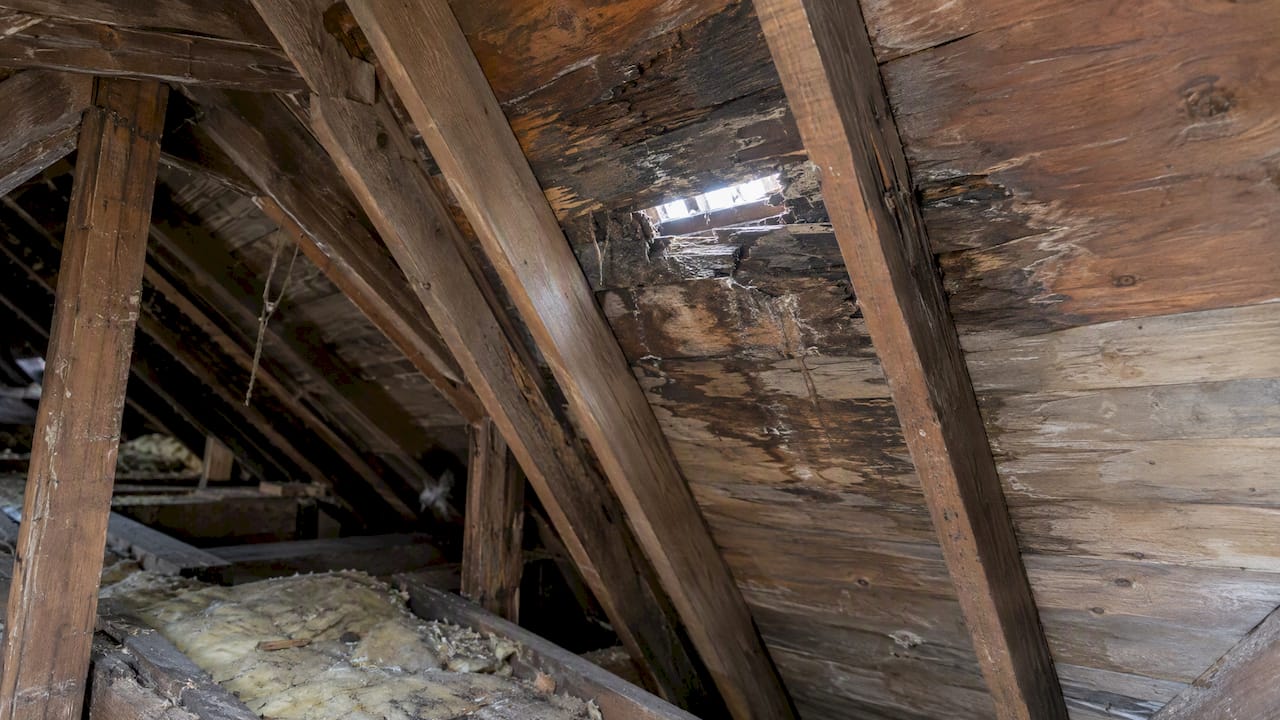
In St. Louis-area basements and crawl spaces, damp conditions raise mold questions. Our pages on crawl space mold before closing and mold in the attic explain what to test and document.
Electrical, plumbing and heating
ASHI names buried oil tanks, knob-and-tube wiring, stone foundations, and lead or cast-iron plumbing among the typical historic-home risks, along with cheap remodeling, pests, mold and poor energy efficiency. None of these automatically kills a deal. Each one changes the budget.
- Wiring: Knob-and-tube, ungrounded circuits and overloaded panels are common. Expect a referral to an electrician for anything beyond a visual call.
- Plumbing: Old drain lines are out of sight. A camera run through the lateral shows cracks, offsets, roots and scale that no walkthrough will. See why cast iron drains need a camera first and what sewer scope inspections involve.
- Heating: Old boilers, converted fireplaces and abandoned oil tanks all need a qualified look.
Wood-destroying insects
Older timber framing, porches and sills are a feast for termites and carpenter ants. A separate wood-destroying organism inspection is the usual answer, and a termite inspection checklist shows the kinds of interior and structural signs, such as mud tubes, hollow-sounding wood and frass, that point to activity.
Lead, asbestos and radon in older houses
A standard inspection does not identify environmental hazards, so older homes need separate testing. Lead paint is the main concern in houses built before 1978, and asbestos-insulated pipes appear in the Vermont checklist as something to look for. Read our guide on what homeowners must do about lead paint and why spot kits for lead dust aren’t definitive.
Radon is unrelated to age, but stone and brick basements with dirt floors can let it in. Our page on radon in the home explains the risk, and our environmental testing guide explains why to test radon and lead first.
Time matters here. Under federal lead-based paint rules, the seller must allow a 10-day period, or another period agreed in writing, for a lead paint inspection or risk assessment before you are bound by the purchase contract. The buyer may cancel if hazards are found, but that right should be written into the contract contingency. Have your agent confirm this before you sign.
What the report can and cannot tell you
The ASHI standards say the report identifies readily accessible, visible, installed systems and components that are not functioning properly, are significantly deficient, unsafe or near the end of their service lives, and explains deficiencies that are not self-evident. It does not have to determine methods, materials or costs of correction.
Limits are especially real in old houses. ASHI notes that inspectors may be unable to walk fragile asbestos or metal roofs or safely reach narrow, inconsistent stairs, storm shelters, wells, attics or crawl spaces. InterNACHI says a historic-home report should read like a typical report and explain that the visual inspection is limited to what the inspector can see and does not assess suitability for intended use (InterNACHI).
The Vermont checklist states plainly that it is not a substitute for evaluation by a building inspector, architect, engineer or contractor, and that excessive structural deflection should go to a contractor or structural engineer. Expect the same from a good report: a clear note to bring in a mason for stepped cracks in brick, a structural engineer for a sagging beam, or an electrician for old wiring.
Note that HUD states a home inspection happens only if the buyer arranges one; FHA does not perform home inspections. An appraisal values the house for the lender. An inspection tells you its condition. They answer different questions, and you need both.
Our perspective: age is not the problem, surprise is
We inspect homes across the St. Louis Metro area and Southern Illinois, where older brick and frame houses are a big part of the market. Our view is simple. A 100-year-old house with a dry basement, a sound roof and honest repairs can be a better buy than a 20-year-old house with hidden water damage.
Buyers get into trouble when they expect old houses to be perfect or expect the inspection to be a guarantee. We would rather you know the three or four expensive items, such as the sewer lateral, the electrical service, the chimney and any moisture, and then decide with open eyes. That is why we recommend pairing the building inspection with the add-ons older homes tend to need, and why we return reports within 24 hours so you can use your contract deadlines well.
If you are a first-time buyer, a veteran or on a tight budget, ask us about discounts and how to prioritize add-ons. You do not have to test everything, but you should know what you are choosing not to test.
— JOHN
Booking an inspection for an older home
Hunt Home Inspection, LLC offers buyer’s inspections plus the add-on services older homes often call for: radon testing, mold inspection, sewer camera lateral inspection, termite (WDO) inspection, septic and well inspection, and environmental testing. We offer in-person and video walkthroughs, evening and weekend scheduling, and reports within 24 hours. Our team also holds NACA, ASHI and HUD 203k credentials. If your purchase involves an FHA 203(k) renovation loan or a HUD requirement, see our HUD compliance certifications. Pricing varies by home size, age and add-ons, so contact us with the address for a quote.
How to prepare and use the findings
- Book early. Schedule the inspection and add-ons as soon as you are under contract so test windows fit your inspection period.
- Attend the walkthrough. In an old house, seeing the attic hatch, the cleanout and the panel yourself is worth more than a page of text. If you can’t be there, ask for a video walkthrough.
- Share the report with your agent. Use it to build a repair request. Our home inspection report guide and red flags list help you separate safety and structure items from cosmetic ones.
- Get specialists for big items. Before you commit to a number, have a mason, engineer or electrician price what the inspector flagged.
- Decide. Proceed, renegotiate or walk, within the dates in your contract.
If the report uses unfamiliar terms, our inspection terminology examples will help. For a broader view, read what inspectors look for in a home.
Does the seller have to fix what the inspection finds?
Usually not. Zillow’s guidance says sellers can choose how to respond to repair requests based on timeline, budget, lender requirements and negotiating position, and are not required to address every request. What actually binds the seller is your contract and any lender or local requirements.
In practice, you ask for repairs, a credit or a price reduction, and the seller accepts, counters or declines. Focus on safety, structure and water. Asking for every squeaky floor in a 1900s house makes the whole request easier to dismiss.
FAQ
Do I need a special inspector for a historic home?
There is no separate national license, so look for experience. Ask how many old homes the inspector has worked on and whether they have trade or contracting experience. An inspector who knows older systems will report in context instead of flagging every age-related quirk.
Does a historic home inspection cost more?
Often yes, because older homes take longer and usually need add-ons such as sewer camera, radon, termite or lead testing. Price depends on the home’s size, age and which services you add, so request a quote for the specific address. Compare what each quote includes, not only the total.
Can an inspector tell me what repairs will cost?
Not as part of a standard inspection. ASHI standards do not require inspectors to determine methods, materials or costs of correction. Use the report to get estimates from a mason, engineer, electrician or other contractor.
Should I get an appraisal or an inspection first?
They do different jobs, and the order is usually set by your contract and lender timeline. The inspection tells you the condition and the repairs to negotiate, while the appraisal tells the lender the value. Start the inspection early because its deadlines are often shorter.
Sources
- ASHI Standards of Practice and Code of Ethics
- ASHI: Historic Home Inspections
- Inspection Checklist for Historic Buildings (State of Vermont)
- National Trust for Historic Preservation: 10 Tips for Inspecting Historic Houses
- Preservation Trust of Vermont: Old-House Inspectors
- Historic Home Inspections Require Experience
- Historic home inspection guidance for inspectors
- InterNACHI: Inspecting Historic Homes
- HUD: Guidance on the Homebuyer’s Option to Test for Lead
- HUD: Home Inspection
- Zillow: What Fixes Are Mandatory After a Home Inspection
Recent Comments