
If you are buying a home, the plumbing is checked in two layers. Your general home inspection looks at the visible plumbing. A sewer camera or a plumber’s review goes deeper, and it makes sense when the first layer shows something odd or the house is older. The same logic applies to electrical: the general inspection covers the visible basics, and a specialist follows up on specific red flags.
This guide explains what each layer includes, what it costs, which warning signs matter, and how to use the findings before closing. We are Hunt Home Inspection, LLC, and we work with buyers in the St. Louis Metro area and Southern Illinois.
TL;DR
- A general buyer’s inspection already looks at supply lines, drains, water heaters, fixtures, panels and outlets, but only what is visible and safely accessible.
- Add a sewer camera inspection when the home is older, has mature trees near the lateral, or the general inspection shows slow drains or odd piping.
- Typical published figures: about $300 to $500 for a general inspection, and $180 to $225 for a plumbing or sewer scope.
- Plumbing and electrical findings are negotiation points, not automatic deal-breakers. Sort them into safety, urgent and cosmetic.
- Go to the inspection if you can. Seeing the shutoff, the panel and the cleanout in person is worth the hour.
Table of Contents
- What a plumbing inspection covers when you buy
- Plumbing warning signs to look for before closing
- When to add a sewer camera inspection
- What a pre-purchase electrical inspection covers
- What each check costs
- Should you attend the inspection?
- Use the findings before closing
- Our perspective
- Book the inspection that fits the house
- Other add-ons buyers often pair with plumbing checks
- Questions to ask before you book
- FAQ
- Sources
What a plumbing inspection covers when you buy
Most buyers never book a stand-alone plumbing inspection. The plumbing is part of the general inspection, and that is a real inspection, not a glance. Florida’s Office of the Insurance Consumer Advocate says a standard home inspection typically includes visible water supply and distribution lines, drain, waste and vent pipes, water heaters and plumbing fixtures.
InterNACHI’s plumbing standard is more specific. It lists:
- The main water shutoff
- Water-heating equipment
- Interior water supply and fixtures
- Toilets, sinks, tubs and showers
- Drain, waste and vent systems
- Accessible sump pumps
The same standard says the inspector reports observed leaks, defective fixture installation, and deficient flow when two fixtures run at the same time. It also covers damaged, loose, leaking or nonoperating toilets.
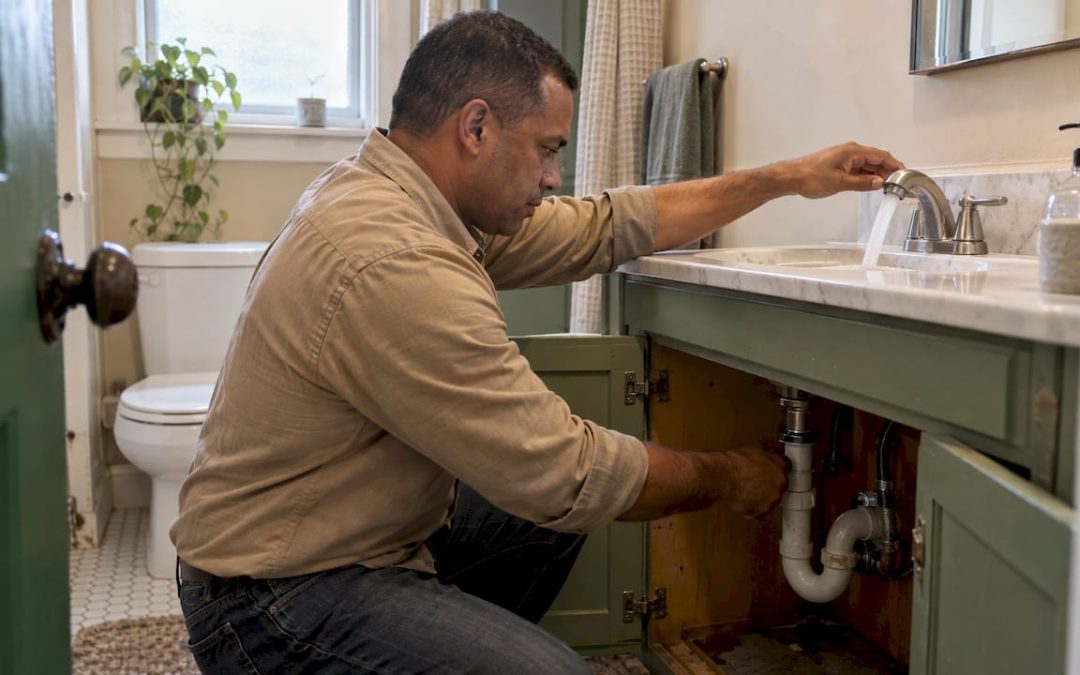
In practice, that means the inspector runs water, flushes toilets, opens the cabinet under every sink, looks at the water heater, and checks visible pipe material and condition. They also look at ceilings and walls below bathrooms for stains. You can read more about this routine in our guide to what inspectors look for in a home.
What the general inspection does not do
Scope matters. ASHI’s standards limit inspections to components that are readily accessible and visually observable. They are not technically exhaustive and are not code-compliance certifications. InterNACHI likewise describes a general inspection as a visual examination of major systems that are visible and safely accessible, with scope and exclusions agreed in advance.
That is why a pipe buried in a slab or a drain line running under the yard is outside a standard walkthrough. Those are exactly the places a camera can reach.
Florida’s consumer guide also advises settling the scope before the work begins and asking for the standards of practice the inspector follows. A written report with photographs and recommendations is the normal deliverable. Our reports come back within 24 hours, so you have time to act inside your contingency window.
Plumbing warning signs to look for before closing
You do not need to be a plumber to spot trouble at a showing or during the inspection. Real estate guidance points to a short list: leaks, water-pressure problems, outdated lead or polybutylene pipes, and signs of water damage.
Here is how that looks on a walkthrough:
| What you see | What it can point to | What to do |
|---|---|---|
| Stains, warped cabinet floors, peeling paint under sinks | Slow or past leaks | Ask the inspector to document and moisture-check the area |
| Musty smell in a basement or crawl space | Moisture that may be ongoing | Raise it with the inspector; consider mold testing if the report supports it |
| Weak flow when two fixtures run at once | Supply line or valve restriction | Make sure the inspector runs fixtures together |
| Slow drains in several fixtures | A partial blockage or a problem in the main line | Consider a sewer camera |
| Old galvanized, polybutylene or lead-type supply lines | Age-related replacement cost | Get the pipe material named in the report |
| Water heater with rust, corrosion or a dated label | Near-term replacement | Budget it or request a credit |
A few of these deserve extra attention.
Water heaters. They are one of the most common budget items in an older home. Ask the inspector to record the age and condition, and the location of the shutoff and relief piping.
Shutoffs. Know where the main water shutoff is before you close. InterNACHI’s standard includes it in the plumbing review, and it is the first thing you want to find on move-in day.
Sump pumps and sewage ejectors. If the basement has either one, the inspector should test it where accessible. A failed pump in a wet spring is an expensive lesson.
When to add a sewer camera inspection
The sewer lateral is the line that carries waste from the house to the main in the street. It is out of sight, it can be decades old, and the repair can cost far more than any fixture or water heater. Realtor.com’s guide to inspection types says to consider a specialized plumbing and sewer inspection with a scope if anything looks dicey or unconventional during the general inspection.
We would add one to the list when:
- The house is older and may have clay, cast iron or other aging drain material.
- There are large mature trees near where the lateral runs.
- The general inspection shows slow drains, gurgling or sewage odors.
- The seller cannot say when the line was last serviced or replaced.
- The home has sat vacant for a while.
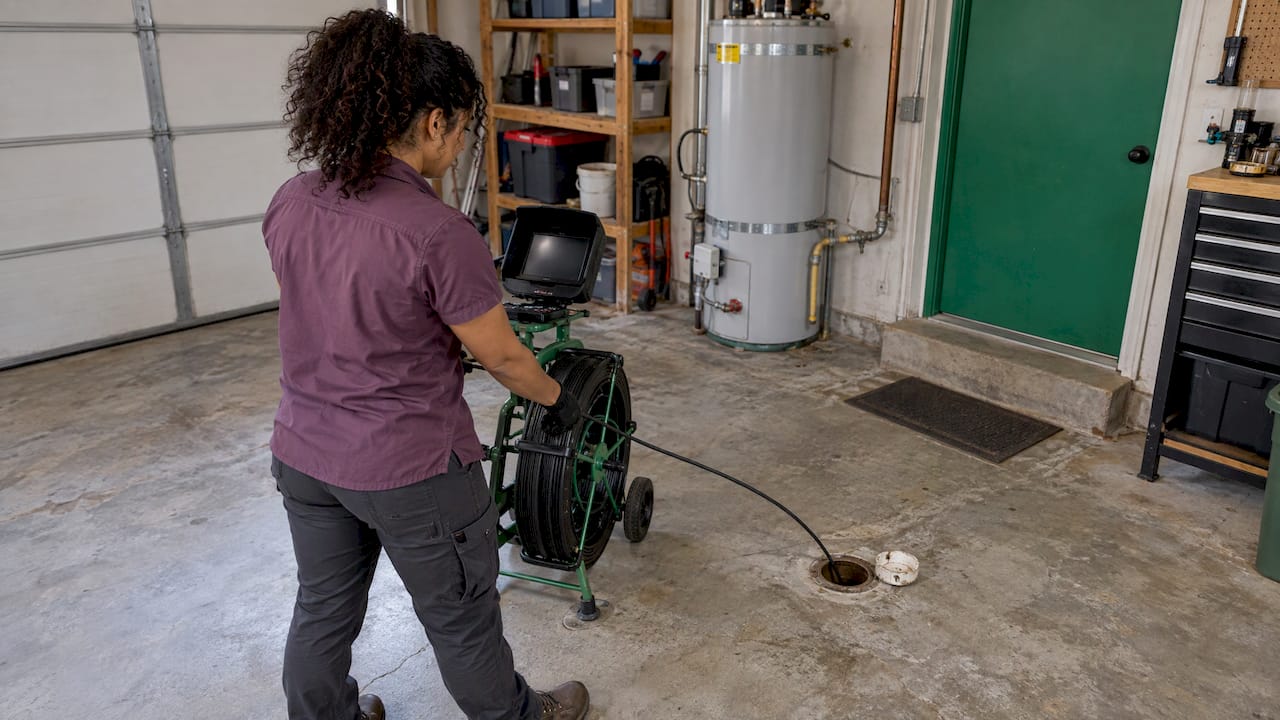
A camera is run through the cleanout or another access point and records the inside of the pipe, so you see cracks, offsets, root intrusion and standing water instead of guessing. The price depends largely on access, and we break that down in sewer camera inspection costs for US buyers. If you are unsure where the cleanout is, our page on sewer cleanout location helps, and the sewer scope guide for homebuyers walks through the process. For older homes with cast iron, our note on cast iron drain pipes explains why we like the camera first.
We offer sewer camera lateral inspections, and septic and well inspections for properties off municipal service. Many homes in Southern Illinois and the outer Missouri suburbs fall in that second group, so ask about it early if the listing mentions a septic tank or private well.
What a pre-purchase electrical inspection covers
Buyers who search for plumbing checks often search for electrical ones in the same breath, and the structure is similar. Florida’s consumer guide notes the standard inspection also typically includes service panels, breakers, outlets, switches, grounding and bonding, and smoke and carbon monoxide alarms.
InterNACHI’s electrical standard names the same ground: the service drop and entrance, meter and base, main disconnect, panels, overcurrent protection, grounding and bonding, a representative number of switches, fixtures and receptacles, GFCI devices, and the presence of smoke and CO detectors.
The word “representative” matters. The inspector samples devices and does not test every outlet in the house. The same standard says a general electrical inspection does not require:
- Inserting tools into panels or removing dead fronts
- Resetting breakers
- Testing smoke or CO alarms
- Measuring unlabeled service amperage or voltage
- Voltage-drop calculations
- Verifying the service ground
- Inspecting low-voltage, solar, generator or battery systems
If your target home has solar panels, a generator or a battery system, ask during scheduling how they will be handled in the report.
Electrical signs that call for a closer look
Realtor.com says an additional electrical inspection may be appropriate for faulty or exposed wiring, nonworking outlets or switches, older or knob-and-tube wiring, or a panel that is not a breaker box. Other guidance lists outdated panels, insufficient capacity and problems with outlets or wiring among the common concerns.
When the report flags any of these, the right next step is a licensed electrician who can open the panel and trace the problem. Do not attempt to open a panel or test wiring yourself. Let the inspector point it out, then let a licensed professional evaluate it.
What each check costs
We do not publish flat prices for our services, because they depend on the property. Here are the market figures buyers see.
| Service | Typical published range | Source |
|---|---|---|
| General home inspection (ASHI or InterNACHI inspectors) | About $300 to $500 | National Association of Realtors |
| Plumbing or sewer scope inspection | $180 to $225 | Realtor.com, 2022 |
| Dedicated electrical inspection | $150 to $500 | Realtor.com, 2022 |
Square footage, foundation type, the age of the house and how hard the cleanout is to reach all move the price. Ask for a quote that names exactly what is included, and compare scope as well as the dollar figure. If budget is tight, our page on budget home inspection options explains how to prioritize. We also offer discounts for veterans and first-time buyers.
Should you attend the inspection?
Yes, when you can. The National Association of Realtors says buyers may want to accompany the inspector, who can show them plumbing or electrical details and help them understand the scope of potential problems.
A photo of a main shutoff is useful. Standing next to it, with the inspector explaining which way the handle turns, is better. The same goes for the electrical panel and the sewer cleanout. See our guide on whether to attend your home inspection, and what to expect on inspection day if it is your first time. If you live out of town, we offer video walkthroughs, and our out-of-state inspection guide covers how that works.
Use the findings before closing
A report with plumbing and electrical findings is not a verdict on the house. The National Association of Realtors notes that some findings may need further investigation by a specialist and may become points for negotiation.
Redfin’s buyer guidance describes how documented findings help you separate urgent or safety-related defects from cosmetic items. They also help you request repairs or credits, renegotiate price, budget for repairs and decide whether to proceed.
A practical way to sort a report:
- Safety first. Active leaks, exposed wiring, missing GFCI protection, no smoke or CO alarms, and sewage backups come first.
- Big-ticket age items. Water heater, supply piping, panel and sewer lateral. Get a specialist quote if the report recommends one.
- Maintenance. Dripping faucets, loose toilets and worn caulk. Often easiest to handle yourself after closing.
- Cosmetic. Leave these out of the negotiation.
Then decide what to ask for: a seller repair by a licensed contractor, a credit at closing, or a price reduction. Credits are often simpler when you plan to choose your own contractor. Our guides to types of inspection summary reports and how to summarize an inspection report help you turn a long report into a short request list. We also built the Create Request List™, a tool that streamlines communication between you and your agent.
Our perspective
Most buyers ask whether the plumbing needs its own inspection. We think the better question is what the general inspection can and cannot see, and what the house in front of you suggests.
A buyer’s inspection from us covers the visible plumbing and electrical systems and tells you plainly what needs a closer look. When the house is older, the drains are slow, or the lateral is out of sight, a sewer camera turns a guess into a recording you can show your agent. For homes on a septic tank or well, we add those inspections so you know what you are really buying.
Our approach is built around the buyer who does not have much margin for surprises. First-time buyers, low-income families and veterans often cannot absorb a $10,000 repair in month two. That is why we return reports within 24 hours, schedule evenings and weekends, and offer video inspections. Our NACA, ASHI and HUD 203k credentials mean we are used to the pace and paperwork of financed purchases.
Hire an inspector who explains findings in plain words, ranks them, and helps you turn them into a request list. That is how a repair report becomes a better deal.
JOHN
Book the inspection that fits the house
If you are under contract in the St. Louis Metro area or Southern Illinois, we can schedule a buyer’s inspection and add a sewer camera lateral inspection, radon testing, mold inspection, or a septic and well inspection in the same visit window when the property calls for it. Reports return within 24 hours, with evening and weekend appointments and video options available.

See every service on our inspection services page, or start at Hunt Home Inspection to request your appointment. If you are comparing companies first, our selection criteria for homebuyers lays out what to ask.
Other add-ons buyers often pair with plumbing checks
Water problems rarely stay in the pipes. A slow leak can feed mold in a crawl space or attic, so if the plumbing review shows moisture, read our notes on crawl space mold before closing and what a mold inspection is.
Radon enters through the foundation rather than the plumbing, but basement buyers should consider it at the same time. Our environmental testing guide explains why radon and lead come first, and radon test duration shows how long each test type takes so it fits inside your contingency period.
Questions to ask before you book
Before the appointment, put these in writing:
- Which plumbing and electrical items are in the scope, and which are excluded?
- Will fixtures run at the same time to check flow?
- Is a sewer camera available, and can it be done on the same day?
- How soon will I receive the report, and will it include photos?
- Can I attend, or join by video?
Our longer list is in questions to ask a home inspector. If you want to prepare the house walkthrough itself, use our pre-inspection checklist for buyers.
FAQ
Do I need a separate plumbing inspection when buying a home?
Not always. A general inspection covers the visible plumbing, including supply lines, drains, fixtures and the water heater. Add a sewer camera or a plumber’s review when the house is older, drains run slow, or the report flags something it could not fully evaluate.
How much does a plumbing inspection cost?
Realtor.com reports $180 to $225 for a plumbing or sewer scope inspection, and the National Association of Realtors cites about $300 to $500 for a general inspection. Your price depends on the home and the access to the sewer line. Ask for a quote that spells out the scope.
What is the biggest plumbing red flag in a home inspection?
Active leaks and signs of past water damage matter most, because they can hide larger problems behind walls and under floors. Sewer line defects and aging supply pipes are the costly ones. Ask the inspector which findings need a specialist’s opinion before you close.
Is it normal for a buyer to attend the inspection?
Yes. The National Association of Realtors says buyers may accompany the inspector, who can show them plumbing and electrical details and explain what the findings mean. If you cannot be there, ask for a video walkthrough or a photo-rich report.
When do I need an electrical inspection as a buyer?
The general inspection already samples the panel, outlets, switches and GFCI protection. If it finds exposed or faulty wiring, dead outlets, knob-and-tube wiring or an unusual panel, have a licensed electrician evaluate it before closing.
Sources
- Home Inspections 101, Florida Office of the Insurance Consumer Advocate
- ASHI Standard of Practice for Home Inspections
- InterNACHI Home Inspection FAQ for Home Buyers and Sellers
- InterNACHI Home Inspection Standards of Practice
- Understanding the Home Inspection Process: What to Look For
- 13 Types of Home Inspections, Realtor.com
- Home Inspections, National Association of Realtors
- 26 Home Inspection Tips For Buyers, Redfin
Recent Comments