
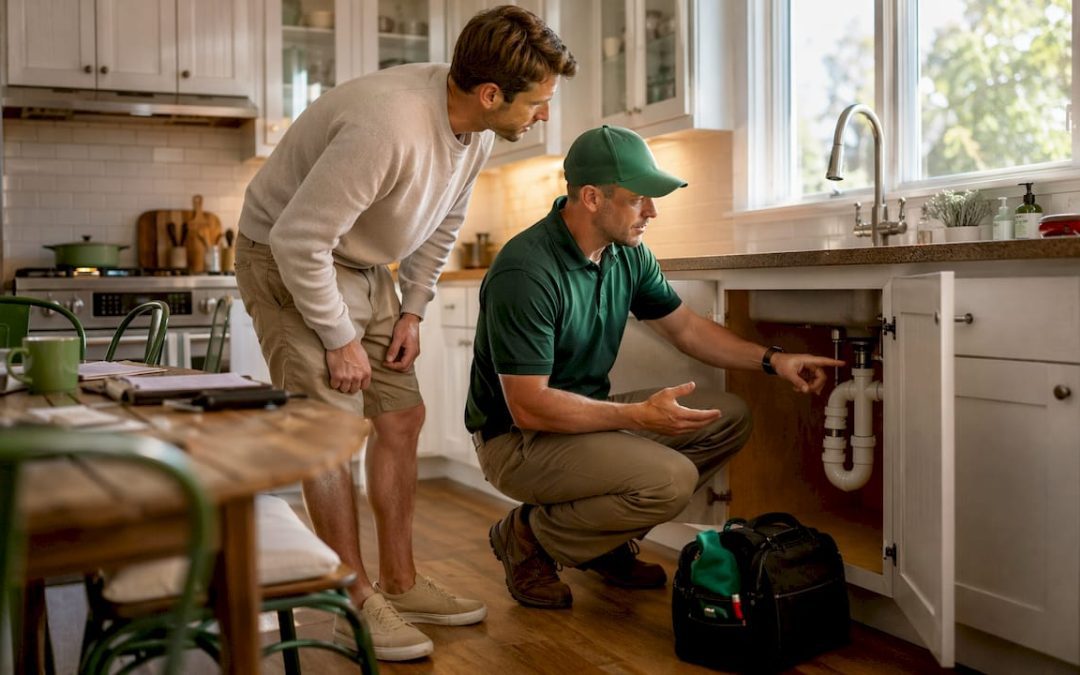
The single best thing you can do financially before closing on a home is get a thorough inspection and actually use the results. Attend the walkthrough, focus your negotiation energy on the “Big Five” systems (roof, foundation, HVAC, plumbing, and electrical), and never waive the inspection to win a bid. A standard inspection has a typical cost, and buyers who use findings at the table often negotiate significant price reductions. That math alone makes the inspection fee look trivial.
Here is what the most effective inspection savings tips for homebuyers look like in practice:
- Attend the inspection and ask questions, especially during the final walkthrough
- Choose quality over price when hiring an inspector; time on site predicts what gets caught
- Prioritize major systems in your report review and negotiation
- Use the written report as documented leverage for price reductions or seller credits
- Never skip the inspection, even in a competitive market
- Add a sewer scope or radon test when the home’s age or location warrants it
- Treat the fee as an investment, not a closing cost to minimize
Table of Contents
- What you should know before the inspection day
- Tips to maximize value during the home inspection
- How to leverage inspection results effectively in negotiation
- Steps to take after the home inspection is completed
- Common hidden problems buyers should watch for during inspections
- Why preparation matters before the home inspection
- How inspection results influence your home buying power
- Unique advantages of video and technology-assisted home inspections
- Key Takeaways
- The inspection is the one place first-time buyers should not cut corners
What you should know before the inspection day
Most buyers arrive at the inspection with no idea what to expect, and that gap costs them. A standard home inspection covers the roof, foundation, HVAC, plumbing, electrical, attic, and crawlspace. It typically takes 2–4 hours for a single-family home, and any inspector who promises to finish a full-size house in under an hour is not looking at everything.
One misconception worth clearing up: new construction is not exempt. 65% of newly built homes have defects identified during inspection. Buckled floors, significant wall cracks, and structural issues show up in brand-new builds just as often as in older ones.
Ancillary services add cost but often add more value. A sewer scope and a radon test add extra cost on top of the base fee. Bundling these with the same inspector often gets you a package discount. The inspection report itself is what gives you documented leverage in negotiation, so the quality of that document matters as much as the inspection itself.
What to confirm before you book:
- How long will the inspector spend on site?
- Does the sample report include annotated photos and severity ratings?
- What is and is not included (attic, crawlspace, detached structures)?
- Are ancillary services available as a bundle?
- Is the inspector licensed and carrying errors and omissions insurance?
Pro Tip: Ask for a sample report before you hire. A 60-page report with annotated photos is a fundamentally different product from a 20-page template with generic language. The second kind is nearly useless at the negotiating table.
Tips to maximize value during the home inspection
Showing up for the final 30–60 minutes of the inspection is one of the highest-return moves a buyer can make. Attending the walkthrough lets you see issues firsthand, ask follow-up questions, and learn where critical controls are located, things the written report often does not capture in full.
Pay attention when the inspector points out the electrical breaker panel, the furnace emergency switch, and the water main shutoff. Knowing where these are before you move in can prevent a minor problem from becoming an expensive emergency. Bring a notebook or use your phone to record anything said verbally that may not make it into the report, including maintenance tips, age estimates, and system quirks.
Listen carefully for language that signals urgency. Words like “major,” “significant,” “immediate repair,” and “needs to be fixed now” are the inspector’s way of flagging what actually matters. Not every finding carries the same weight, and hearing the inspector’s tone in person helps you calibrate which items deserve negotiation energy.
During-inspection checklist:
- Arrive for at least the last hour of the walkthrough
- Bring a list of concerns you noticed during prior visits
- Record verbal explanations your phone or notebook
- Note the location of all critical shutoffs and panels
- Ask “if this were your house, what would you fix first?”
- Clarify which findings need a specialist follow-up
How to leverage inspection results effectively in negotiation
The inspection report is your best financial tool at the negotiating table. A professional report provides empirical leverage to justify a lower price or seller credits, because the offer you made assumed the home was in good condition. When it is not, the assumed value changes, and you have documentation to prove it.
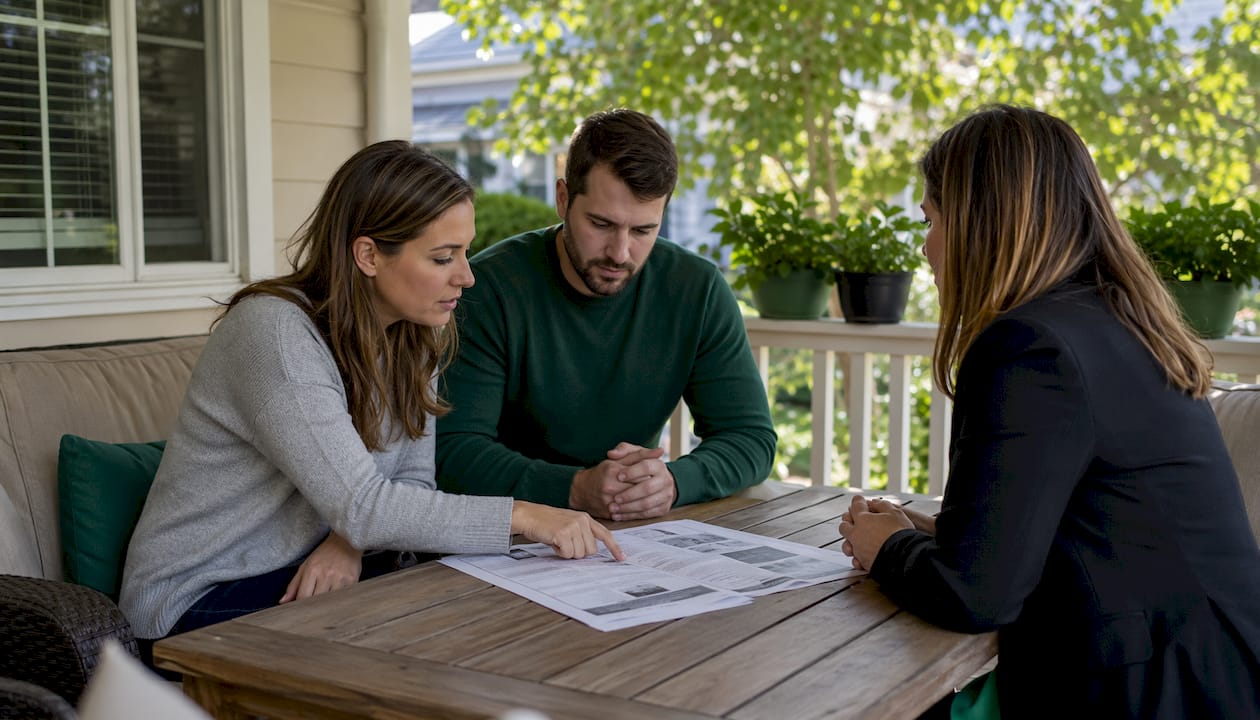
Focus your negotiation on the Big Five: foundation, roof, electrical, plumbing, and HVAC. Minor cosmetic defects rarely justify negotiation; sellers expect buyers to accept normal wear. But a roof past its useful life, a failing HVAC system, or outdated wiring are legitimate negotiation points with real dollar values attached.
You have more options than just asking for a lower price. Direct repair requests, closing cost credits, and price reductions all accomplish similar goals but work differently depending on your cash position. A $10,000 closing credit saves you roughly $9,000 in day-one liquidity, while the same amount as a price reduction saves closer to $50 per month on your mortgage. Your real estate agent can help you choose the right form of relief based on your situation.
Negotiation options to consider:
- Request seller repairs before closing for safety or structural issues
- Ask for a price reduction if you prefer to manage repairs yourself
- Negotiate a closing credit to cover estimated repair costs
- Request a seller-paid home warranty to cover aging systems in their first year
- Walk away entirely if a deal-breaker defect surfaces and your contract includes an inspection contingency
Steps to take after the home inspection is completed
Read the full report before you do anything else. Skimming it is how buyers miss the one finding that changes everything. Pay attention to severity ratings, the inspector’s recommended follow-ups, and any items flagged for specialist evaluation. If the language is unclear, call the inspector directly. Most will discuss their report at no charge, even years after the inspection.
Prioritize findings by urgency and cost. Safety hazards and structural issues come first. Aging systems that still function but are near end of life come second. Cosmetic items come last, and often not at all. Set aside funds for the systems the report flags as approaching replacement, rather than waiting for an emergency to force the decision.
Keep the report permanently. It documents the home’s condition at the time of purchase, which protects you if disputes arise later and adds credibility when you eventually sell. If the inspection triggered concerns about specific systems, schedule specialist evaluations within your contingency window so you have real contractor quotes before you negotiate.
Post-inspection action list:
- Review the full report and flag items by urgency
- Contact specialists for any findings that need deeper evaluation
- Get real contractor quotes before negotiating repair credits
- Submit repair requests or credit demands through your agent
- Budget for near-end-of-life systems based on the report’s age estimates
- File the report somewhere permanent for future reference
Common hidden problems buyers should watch for during inspections
Foundation issues are the most expensive category on any inspection report. Horizontal cracks, stair-step patterns in brick, or cracks wider than 1/4 inch indicate structural movement. Repair costs range from thousands for minor crack injection to $20,000–$100,000 for full foundation replacement, and some problems make a home unmortgageable.
Roof condition is the second place to look hard. Curling shingles, granule loss in gutters, or an asphalt roof older than 20 years means replacement is coming. A new roof costs $8,000–$25,000 depending on size and material, so knowing the roof’s age before you close is not optional. Factor it into your offer or request a seller credit.
Electrical panels deserve more attention than most buyers give them. Outdated panels, aluminum wiring, and missing GFCI protection create fire hazards and can make a home uninsurable. Plumbing is another area where material matters: gray polybutylene pipes, common in homes built between 1978 and 1995, are prone to sudden failure, and many insurers will not cover homes that still have them. For a deeper look at roof condition indicators and what to watch for, a specialist walkthrough can clarify what the general inspector flags.
Hidden defects that cost the most:
- Foundation cracks wider than 1/4 inch or showing horizontal movement
- Roof shingles curling, granule loss, or age over 20 years
- Federal Pacific or Zinsco electrical panels (often uninsurable)
- Polybutylene supply lines or corroded galvanized pipes
- HVAC systems over 15–20 years old, even if currently functional
- Moisture intrusion, water staining, or active mold growth
Why preparation matters before the home inspection
Clearing access to inspection areas is one of the simplest things you can do to get full value from your inspection. If the inspector cannot reach the foundation walls in the basement because storage boxes are stacked against them, those walls do not get inspected. The same applies to attic hatches, crawlspace entries, and the area around the electrical panel.
Arrive with a written list of anything you noticed during prior visits. A soft spot in the floor, a musty smell in the basement, or a window that would not close properly are exactly the kind of observations a good inspector will investigate more carefully when you flag them. You paid for the inspection; use it fully.
Hiring a certified and experienced inspector matters more than finding the cheapest option. Time on site is the single biggest predictor of what gets caught. An inspector who spends 3.5 hours at a 2,000-square-foot house and delivers a 60-page annotated report will find things a 90-minute walk-through misses, regardless of price difference.
Preparation steps that pay off:
- Clear clutter from basement walls, attic hatches, and crawlspace entries
- Write down concerns from prior visits to share with the inspector
- Confirm the inspector’s certifications (ASHI or InterNACHI are widely recognized standards)
- Budget for ancillary inspections before booking, not after
- Schedule the inspection with enough time remaining in your contingency window to act on findings
How inspection results influence your home buying power
A thorough inspection report shifts the power dynamic in your favor. Without one, you cannot support a lower offer with anything beyond a hunch. With one, you have a licensed professional’s documented findings backing every dollar you ask the seller to account for. That is the difference between negotiating from a position of opinion and negotiating from a position of fact.
The report also protects your earnest money. If the inspection reveals a deal-breaker defect and your contract includes an inspection contingency, you can walk away and recover your deposit. Skipping the inspection to make an offer more competitive removes that protection entirely, leaving you financially responsible for whatever you discover after closing.
Beyond negotiation, the report reframes how you budget for the home. Knowing that the HVAC system has roughly three years of useful life left means you can plan for that replacement rather than absorb it as an emergency. That shift from reactive to proactive spending is one of the less obvious but genuinely valuable outcomes of a thorough pre-purchase inspection.
How the report increases your buying power:
- Provides documented leverage for price reductions and seller credits
- Identifies repair costs that affect your actual affordability
- Flags safety and compliance issues requiring urgent attention
- Protects earnest money if deal-breaker defects surface
- Builds confidence to proceed or walk away based on facts
- Creates a maintenance roadmap that prevents expensive surprises
Unique advantages of video and technology-assisted home inspections
Modern inspection technology catches things a traditional visual walkthrough misses. Thermal imaging cameras and moisture meters detect hidden moisture behind walls, missing insulation, and electrical hot spots that are completely invisible to the naked eye. These tools do not replace the inspector’s judgment, but they extend what the inspector can see.
Video inspections offer a different kind of advantage: remote access. Buyers who cannot be physically present, whether due to distance, scheduling, or health considerations, can participate in a live video walkthrough and ask questions in real time. Jhunthomeinspections offers both in-person and video inspection options to accommodate buyers in exactly these situations, which proved especially valuable during the pandemic and remains useful for out-of-state buyers today.
Digital reports delivered within 24 hours with annotated photos accelerate the entire post-inspection process. When your contingency window is 5–10 days, a same-day report gives you time to get contractor quotes, consult specialists, and submit a well-supported repair request rather than scrambling at the deadline. Jhunthomeinspections’s Create Request List™ tool takes this further by organizing findings into a format that buyers and agents can use directly in negotiation communication, cutting out the back-and-forth that slows deals down.
Pro Tip: Ask your inspector whether thermal imaging is included or an add-on. When bundled at no extra cost, it is one of the highest-value upgrades available. When priced as a separate upsell, weigh it against a sewer scope first, especially for homes older than 25 years.
Technology advantages at a glance:
- Thermal imaging reveals hidden moisture and electrical hot spots
- Moisture meters confirm or rule out water intrusion behind surfaces
- Video inspections allow remote participation without travel costs
- Same-day digital reports with photos accelerate negotiation timelines
- Create Request List™ organizes findings for direct use in buyer-agent communication
- Documented photo evidence strengthens repair requests and seller credit negotiations
Key Takeaways
A thorough home inspection, attended in person and used actively in negotiation, consistently returns far more than its cost, often by a factor of 10 or more. 65% of new construction homes have defects identified during inspection, making inspections equally important for new and older homes.
| Point | Details |
|---|---|
| Attend the walkthrough | Show up for the last 30–60 minutes to learn critical controls and ask questions the report may not fully capture. |
| Focus on the Big Five | Prioritize foundation, roof, electrical, plumbing, and HVAC when deciding what to negotiate. |
| Use findings as leverage | A professional report justifies price reductions, seller credits, or repair requests with documented evidence. |
| Prepare before the inspection | Clear access to key areas and bring a written list of concerns from prior visits to maximize what gets checked. |
| Add technology where it counts | Thermal imaging and same-day digital reports improve defect detection and speed up post-inspection decisions. |
The inspection is the one place first-time buyers should not cut corners
First-time buyers tend to fixate on the inspection fee as a line item to minimize. That instinct is understandable when you have just depleted savings for a down payment and closing costs are running 2%–5% of the purchase price. But the fee is not the risk. The risk is what you miss when you rush the process or hire the cheapest option available.
The buyers who get the most out of their inspections are the ones who treat it as a research session, not a formality. They show up, they ask questions, and they leave knowing the home better than the seller does. That knowledge translates directly into negotiating power, and negotiating power translates into money.
There is also a subtler benefit that rarely gets discussed: the inspection gives you permission to walk away. When you have a licensed professional’s documented findings showing a foundation problem or a roof that needs immediate replacement, walking away from a deal is not emotional. It is math. That clarity is worth something, especially for a first-time buyer who might otherwise feel pressure to push through.
Jhunthomeinspections was built specifically to support buyers in that position, including first-timers, veterans, and low-income families navigating the St. Louis Metro area and Southern Illinois. The combination of thorough on-site inspections, video options for remote buyers, 24-hour report delivery, and the Create Request List™ tool is designed to give every buyer the information and the tools to act on it quickly. If you want an inspection that actually works for you at the negotiating table, explore Jhunthomeinspections’s inspection services and see what a complete, buyer-focused report looks like.
Recent Comments